Transmission status of lymphatic filariasis in hotspots of filarial infection, persistent districts of nepal during post-MDA surveillance
Pramod Kumar Mehta, Mahendra Maharjan

TL;DR
This study examines the transmission status of lymphatic filariasis in Nepal's high-risk areas after mass drug administration was stopped, finding increased antigen levels in children and no evidence of vector infection.
Contribution
The study identifies increased antigen prevalence in hotspots and suggests molecular xenomonitoring as a supplement to current surveillance methods.
Findings
Antigen-positive cases in hotspots exceeded the critical level of 2% in both hilly and Terai regions.
Antigen prevalence was significantly associated with the number of MDA rounds, not coverage.
Vector mosquitoes showed no signs of filarial nematode infection despite increased human antigen levels.
Abstract
The lymphatic filariasis (LF) elimination program in Nepal was launched in 2003, three years after the implementation of a global program to eliminate lymphatic filariasis globally. Based on antigenic prevalence below the cut-off value, i.e., ≤ 2% shown by the transmission assessment survey (TASI) report of 2017–2018, the program was stopped in Nepal. The report indicated that antigen-positive children were clustered in the community and considered hotspots. In order to find the status of lymphatic filariasis transmission at the community level, the present study was designed in the hotspots to assess antigenemia among the children born after mass drug administration (MDA), along with vector infection/infectivity in identified hotspots of Central Nepal. Each of two districts from the hilly and Terai regions of Central Nepal was selected based on comparatively high antigenic prevalence…
Genes, proteins, chemicals, diseases, species, mutations and cell lines named across the full text — each resolved to its canonical identifier and authoritative record.
Click any figure to enlarge with its caption.
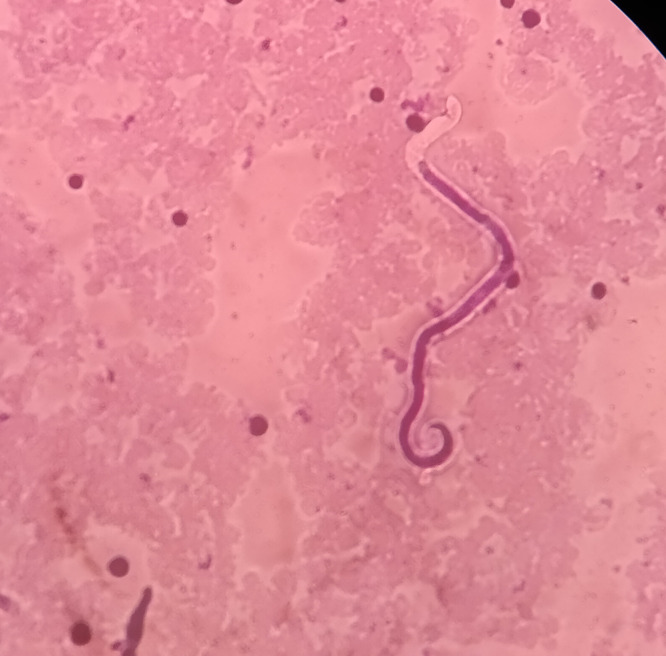 Figure 1
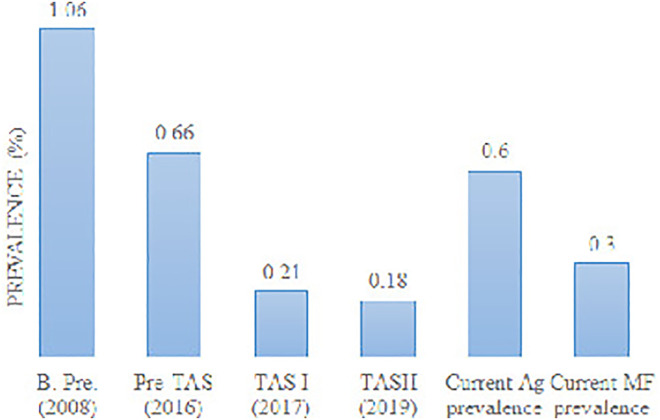 Figure 2
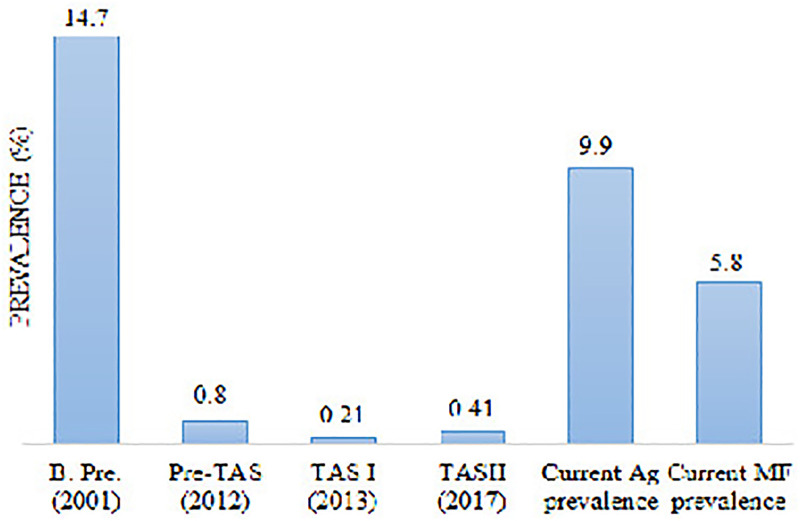 Figure 3
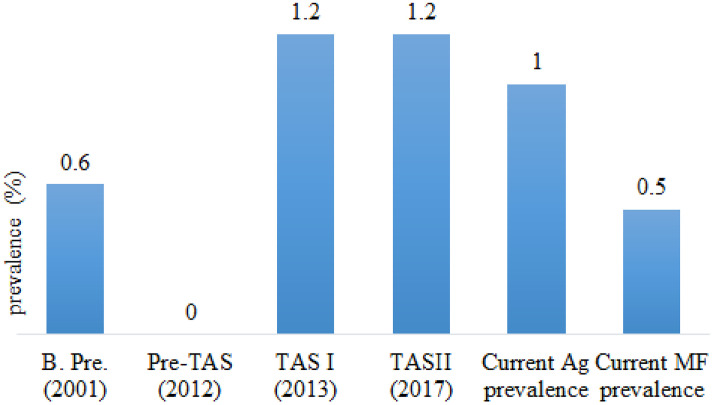 Figure 4
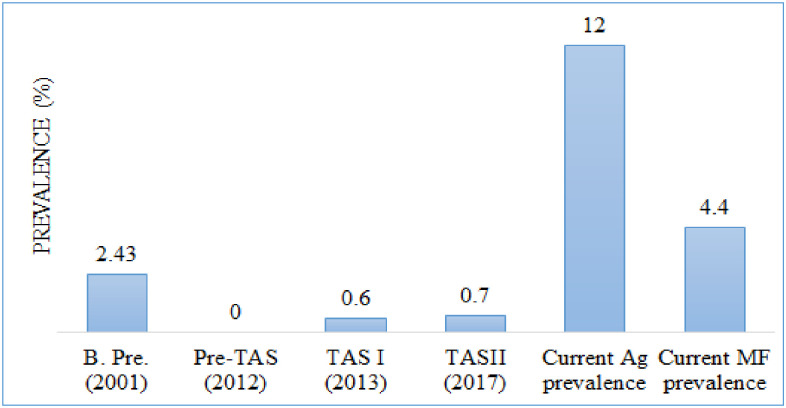 Figure 5
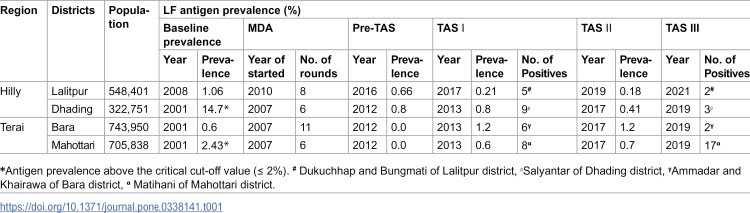 Figure 6
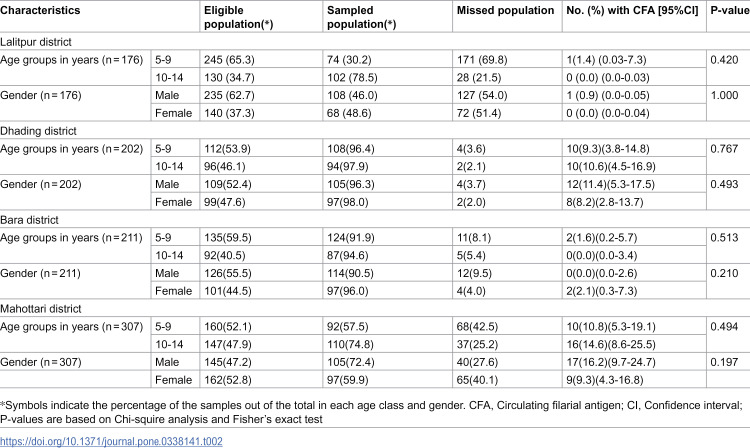 Figure 7
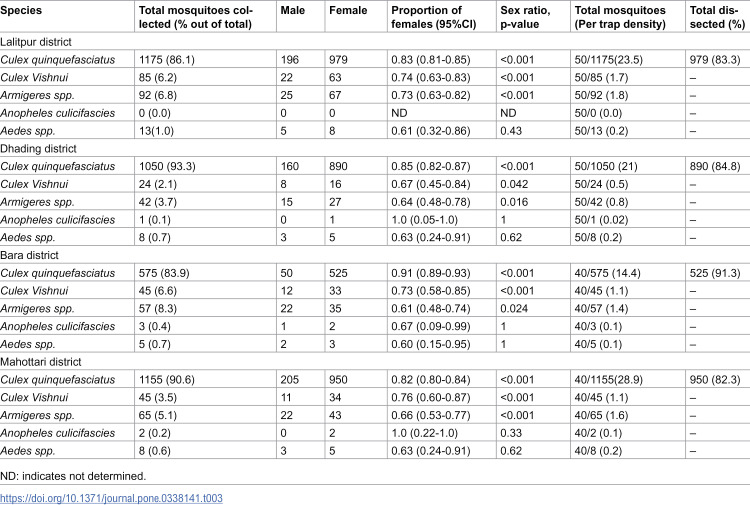 Figure 8
Peer Reviews
No public reviews on file for this paper yet. If you reviewed it on a platform where reviews are public (OpenReview, ICLR, NeurIPS, ICML), you can paste yours below so the community can read it here.
Videos
No videos yet. Explain this paper in a talk, walkthrough, or lecture? Add one.
Taxonomy
TopicsParasitic Diseases Research and Treatment · Insects and Parasite Interactions · Parasites and Host Interactions