Effects of glycyrrhizin on healing and prevention of recurrent aphthous stomatitis in hamster models
Fumie Shiba, Shiiko Maekawara, Hisako Furusho, Eri Ishida, Hideo Shigeishi, Kouji Ohta, Mutsumi Miyauchi

TL;DR
This study shows that low concentrations of glycyrrhizin can help heal and prevent mouth sores in hamsters, suggesting it could be useful for treating recurring mouth ulcers in humans.
Contribution
The study introduces a novel evaluation of glycyrrhizin's therapeutic and preventive effects on RAS using hamster models and identifies optimal low concentrations.
Findings
Low concentrations of glycyrrhizin (0.0065%) improved healing and reduced inflammation in hamster models of stomatitis.
High concentrations of glycyrrhizin (0.33%) were less effective and even increased inflammation in some cases.
Low glycyrrhizin concentrations suppressed PGE₂ expression in human oral keratinocytes, supporting its anti-inflammatory role.
Abstract
Recurrent aphthous stomatitis (RAS), a major type of stomatitis, can significantly impair quality of life. The therapeutic and preventive effects of glycyrrhizin (GL), a compound known for its anti-inflammatory properties, remain unclear due to the lack of appropriate animal models, especially for prevention studies. Therefore, this study aimed to evaluate the therapeutic and preventive effects of GL and determine the optimal concentrations using two hamster models (stomatitis-initiation model and stomatitis-healing model) representing the initiation and healing phases of RAS. The effects were evaluated through macroscopic and histological analyses, gene expression profiling in hamster buccal tissues, and prostaglandin E2 (PGE2) assays in lipopolysaccharide-stimulated human oral keratinocytes. In the stomatitis-healing model, a low concentration of GL (0.0065%) significantly increased…
Genes, proteins, chemicals, diseases, species, mutations and cell lines named across the full text — each resolved to its canonical identifier and authoritative record.
Click any figure to enlarge with its caption.
 Figure 1
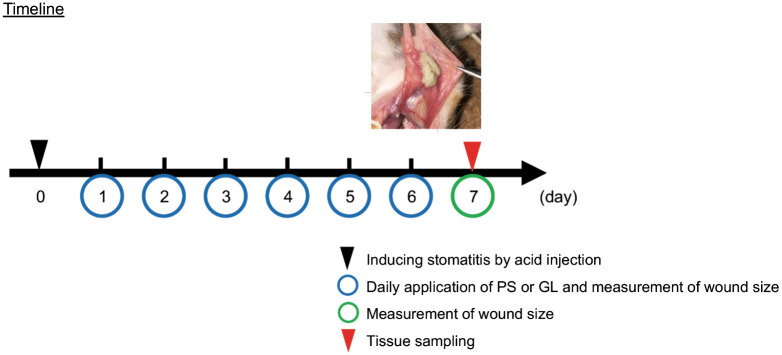 Figure 2
 Figure 3
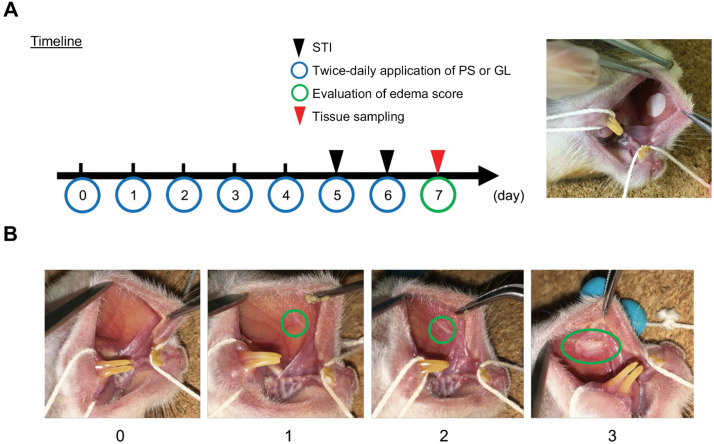 Figure 4
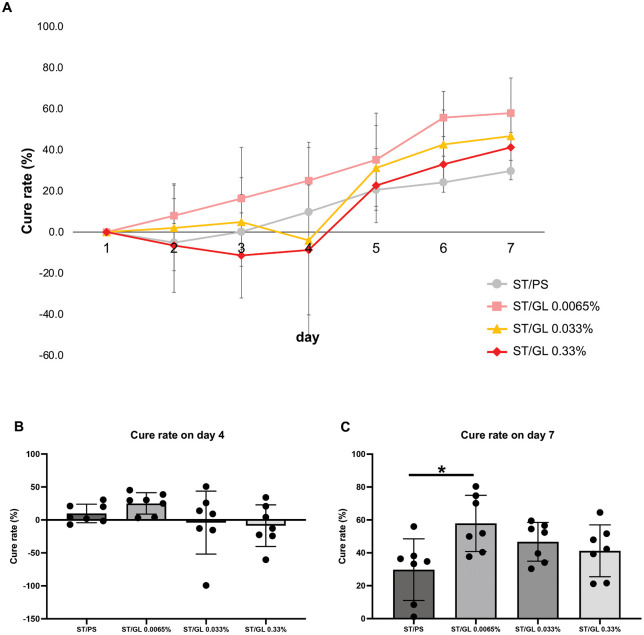 Figure 5
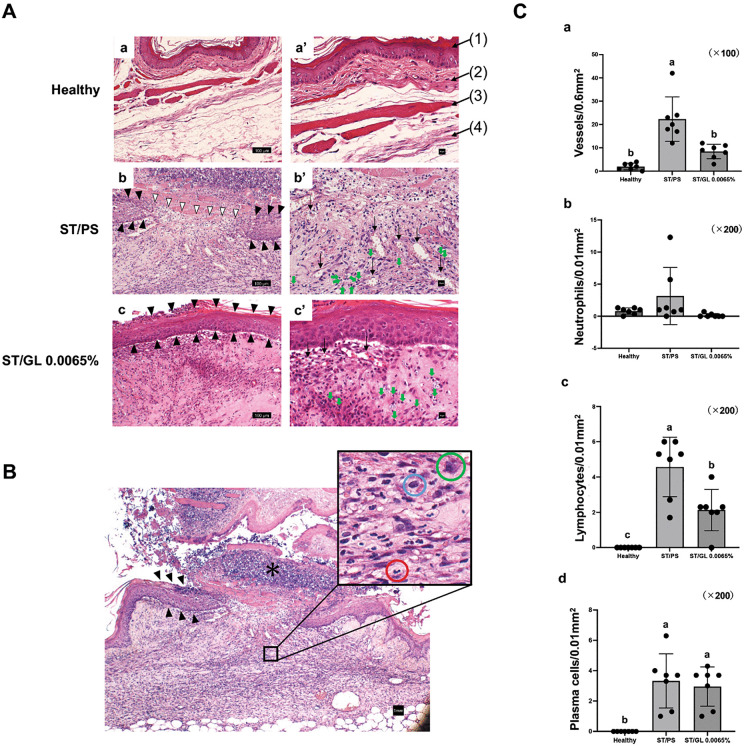 Figure 6
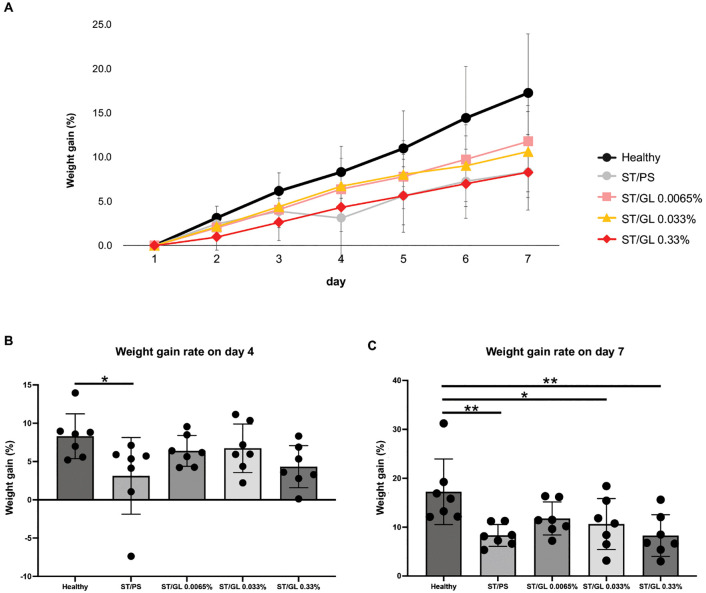 Figure 7
 Figure 8
 Figure 9
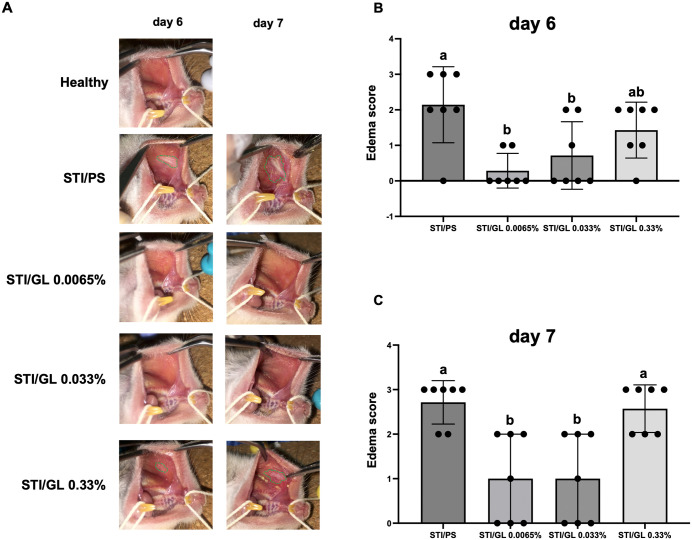 Figure 10
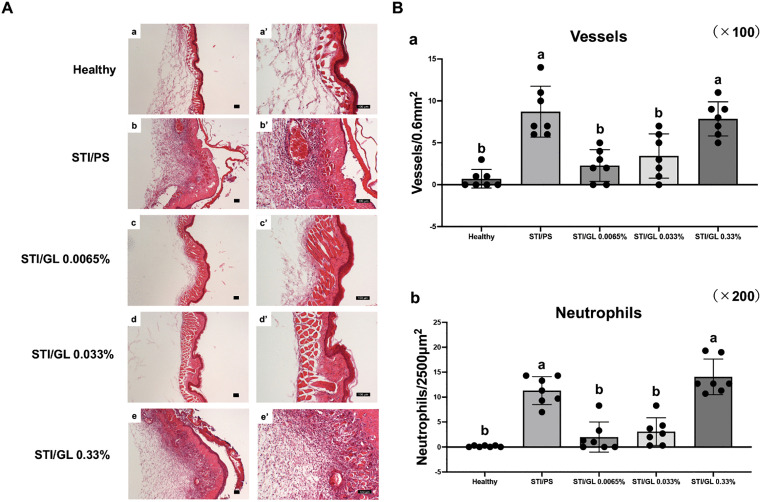 Figure 11
 Figure 12
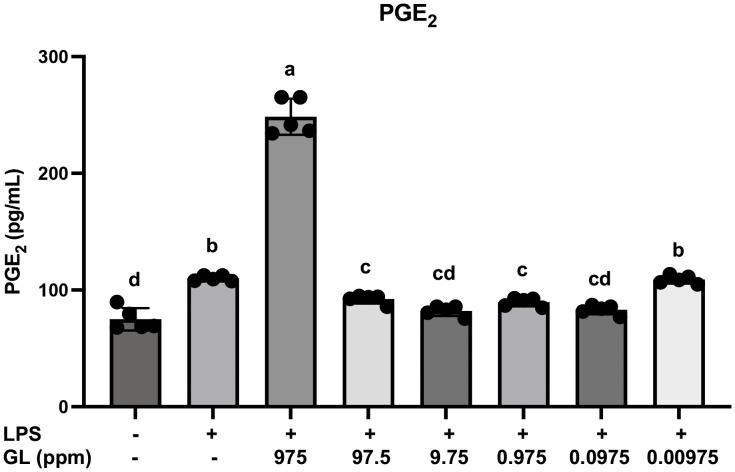 Figure 13
Peer Reviews
No public reviews on file for this paper yet. If you reviewed it on a platform where reviews are public (OpenReview, ICLR, NeurIPS, ICML), you can paste yours below so the community can read it here.
Videos
No videos yet. Explain this paper in a talk, walkthrough, or lecture? Add one.
Taxonomy
TopicsPharmacological Effects of Natural Compounds · Oral Health Pathology and Treatment · Pharmacological Effects of Medicinal Plants