Investigation of a viable but non-culturable state in Porphyromonas gingivalis and host cell invasion
Adenrele Oludiran, Benjamin Lewis, Cole Pudwill, Sasanka Chukkapalli, Hanie Ahmadi, Daria Bannova, Alexander Linares, Jacob Burks, Jeffrey D. Hillman, William A. Dunn, Ann Progulske-Fox

TL;DR
This study shows that Porphyromonas gingivalis can enter a dormant but alive state and still invade human cells, which could help develop better treatments for related diseases.
Contribution
The study is the first to report the viable but non-culturable state in the anaerobe Porphyromonas gingivalis and its ability to invade host cells.
Findings
P. gingivalis can enter a viable but non-culturable state under oxidative stress.
VBNC P. gingivalis can be resuscitated using sodium pyruvate and retains the ability to invade host cells.
A significant proportion of VBNC P. gingivalis remains viable within host cells for extended periods.
Abstract
Porphyromonas gingivalis (P. gingivalis) is a gram-negative, black-pigmented, anaerobic pathogen known for its biofilm formation and its central role in periodontal disease. More recently, P. gingivalis has been implicated in various systemic conditions, including atherosclerosis, Alzheimer’s disease, and certain types of cancer, such as pancreatic and oral cancer. This bacterium employs several mechanisms to evade environmental stress, thereby contributing to its pathogenicity. The viable but non-culturable (VBNC) state is characterized by bacteria that remain viable but have reduced metabolic activity and are unable to form colonies on conventional culture media. To induce the VBNC state in P. gingivalis, we subjected the bacterium to oxidative stress using H2O2 and subsequently resuscitated it from this state with sodium pyruvate. We utilized viability staining, confocal microscopy,…
Genes, proteins, chemicals, diseases, species, mutations and cell lines named across the full text — each resolved to its canonical identifier and authoritative record.
Click any figure to enlarge with its caption.
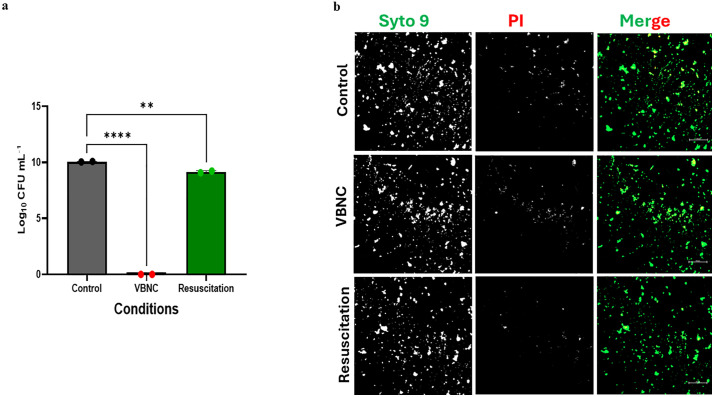 Figure 1
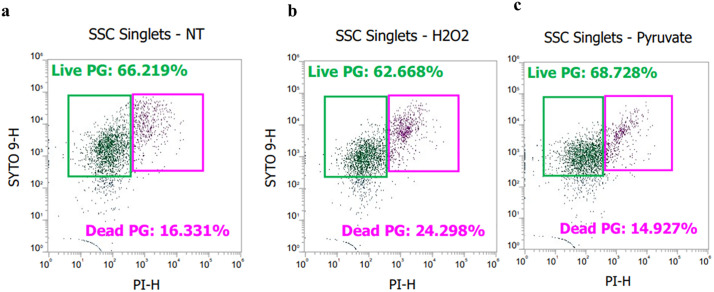 Figure 2
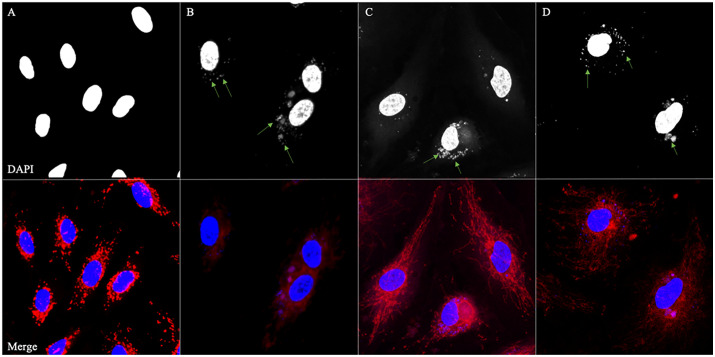 Figure 3
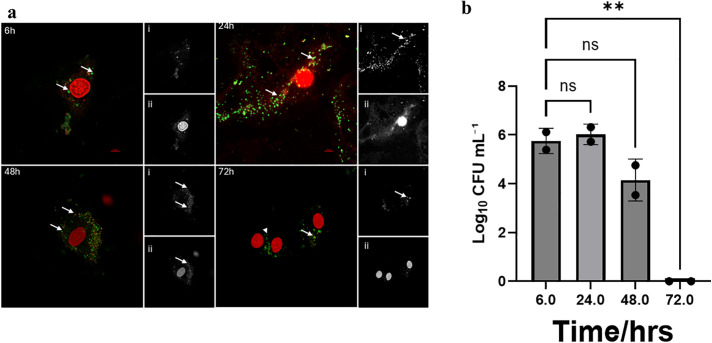 Figure 4
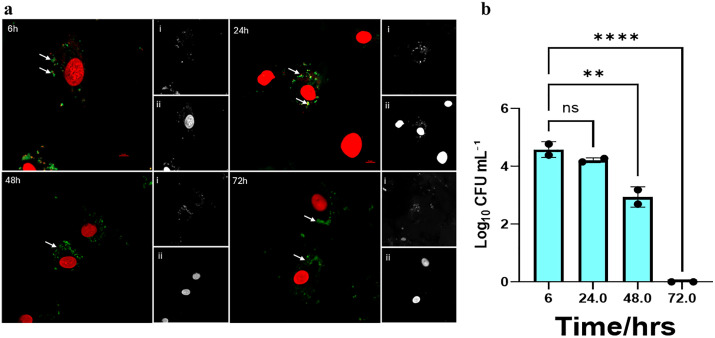 Figure 5
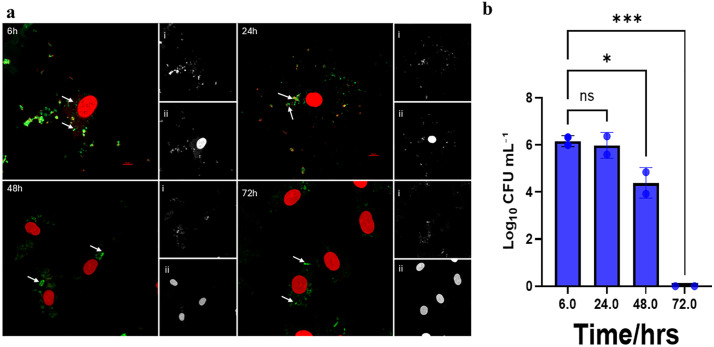 Figure 6
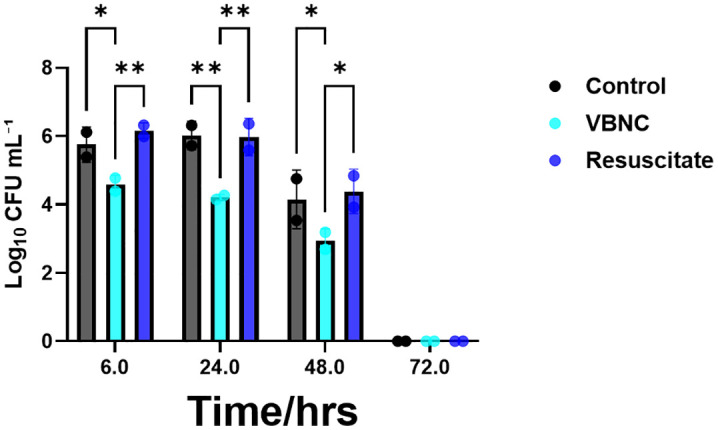 Figure 7
 Figure 8
Peer Reviews
No public reviews on file for this paper yet. If you reviewed it on a platform where reviews are public (OpenReview, ICLR, NeurIPS, ICML), you can paste yours below so the community can read it here.
Videos
No videos yet. Explain this paper in a talk, walkthrough, or lecture? Add one.
Taxonomy
TopicsOral microbiology and periodontitis research · Bacterial biofilms and quorum sensing · Cancer Research and Treatments