Viewing low back pain through the lens of spinal evolution: Understanding the morphology and limits of the human spine
Abdullah Emre Taçyıldız, Özden Erhan Sofuoğlu, Aydın Sinan Apaydın, Melih Üçer, Holakoo Mohsenifar, Holakoo Mohsenifar, Holakoo Mohsenifar, Holakoo Mohsenifar

TL;DR
This study uses historical art to show how human spinal posture has changed over time, linking modern postures to increased back pain risks.
Contribution
The study introduces a novel approach using artistic representations to trace the evolution of spinal posture and its implications for low back pain.
Findings
Hunter-gatherer art shows upright, dynamic postures with minimal spinal strain.
Agricultural and post-industrial art depicts more flexed, static postures linked to higher spinal strain.
Modern postural changes may explain the rise in spinal disorders due to biomechanical mismatch.
Abstract
Low back pain remains a pervasive global health challenge, with significant disability and socio-economic burden. While contemporary biomechanical and occupational factors are well-studied, the role of human spinal evolution and its divergence from modern postural behaviors is less frequently examined. This study aims to visually explore and illustrate the historical evolution of human spinal posture through artistic representations, conceptually highlighting the potential biomechanical mismatch between our spine’s evolutionary adaptations and current lifestyle-driven postures. We conducted a qualitative visual analysis of human figures depicted in selected artworks from three distinct historical periods: the hunter-gatherer era, the agricultural transition, and the post-industrial age. Observed spinal postures were qualitatively compared to established biomechanical data on…
Genes, proteins, chemicals, diseases, species, mutations and cell lines named across the full text — each resolved to its canonical identifier and authoritative record.
Click any figure to enlarge with its caption.
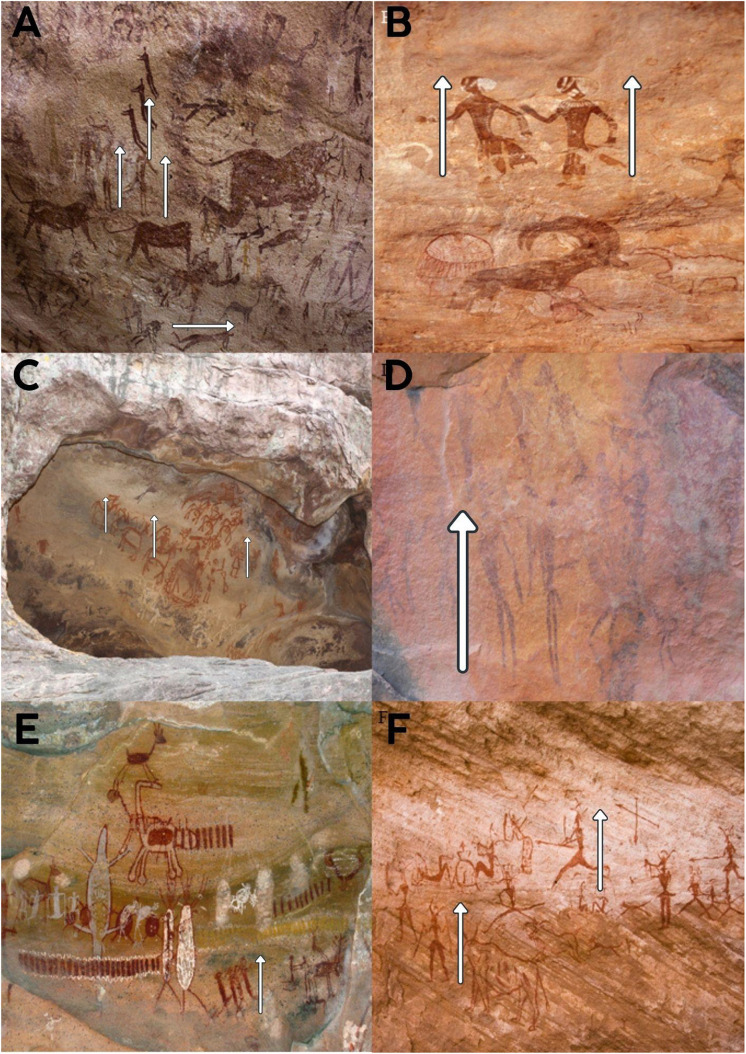 Figure 1
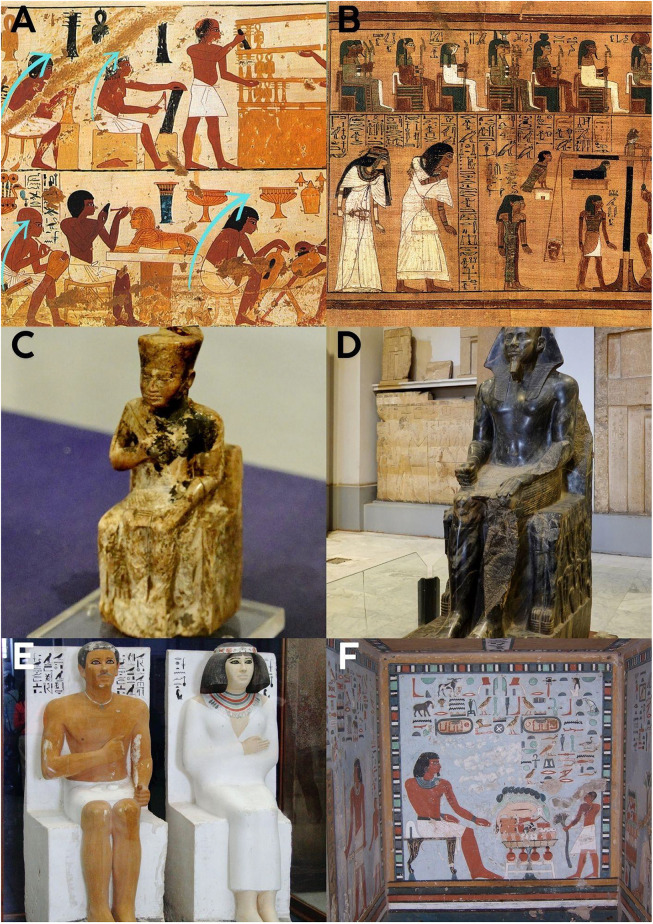 Figure 2
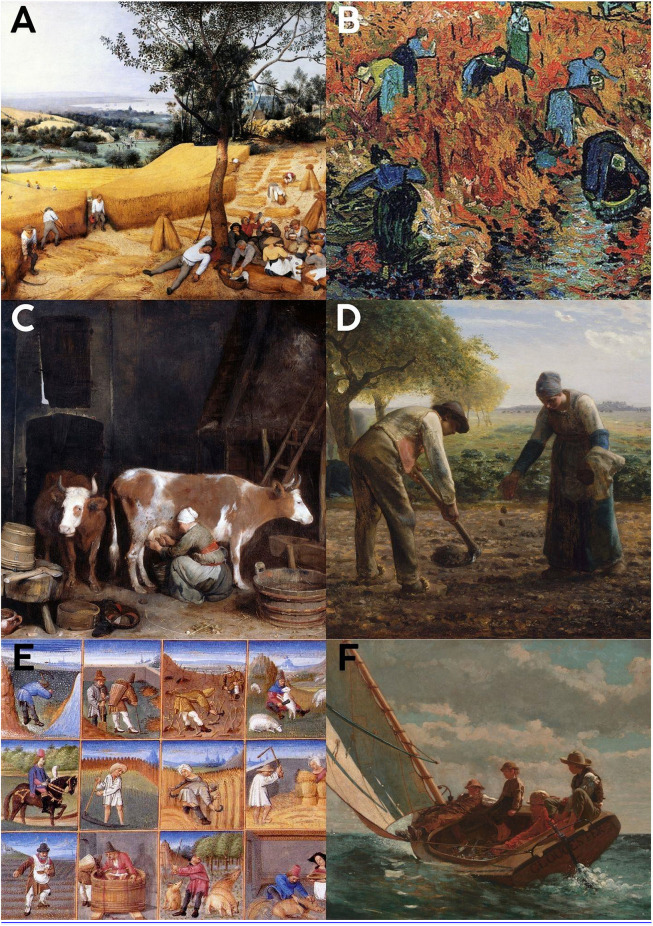 Figure 3
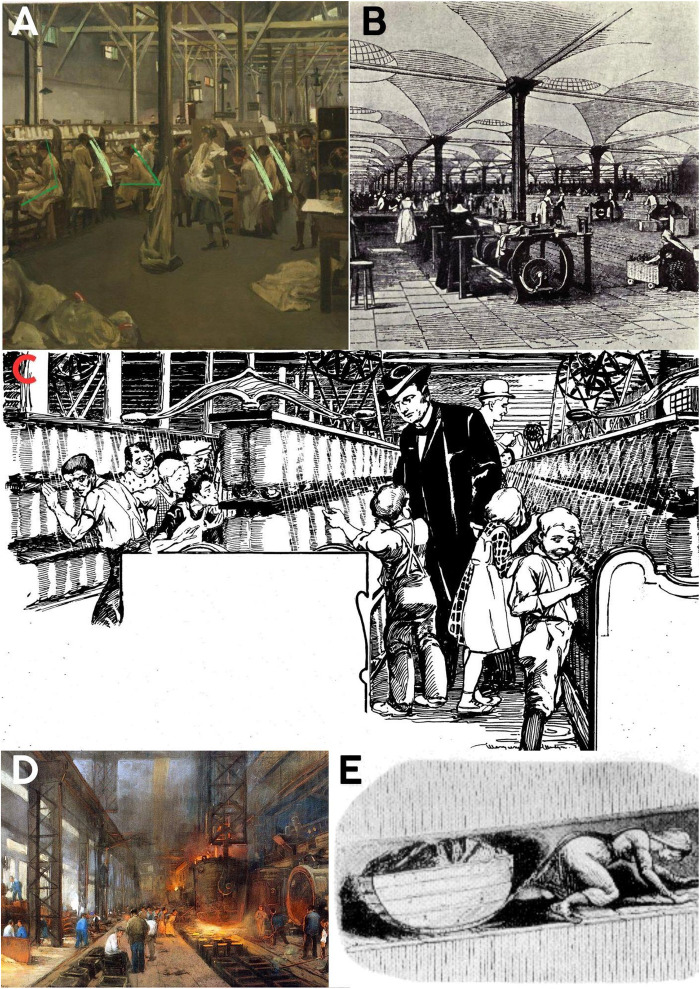 Figure 4
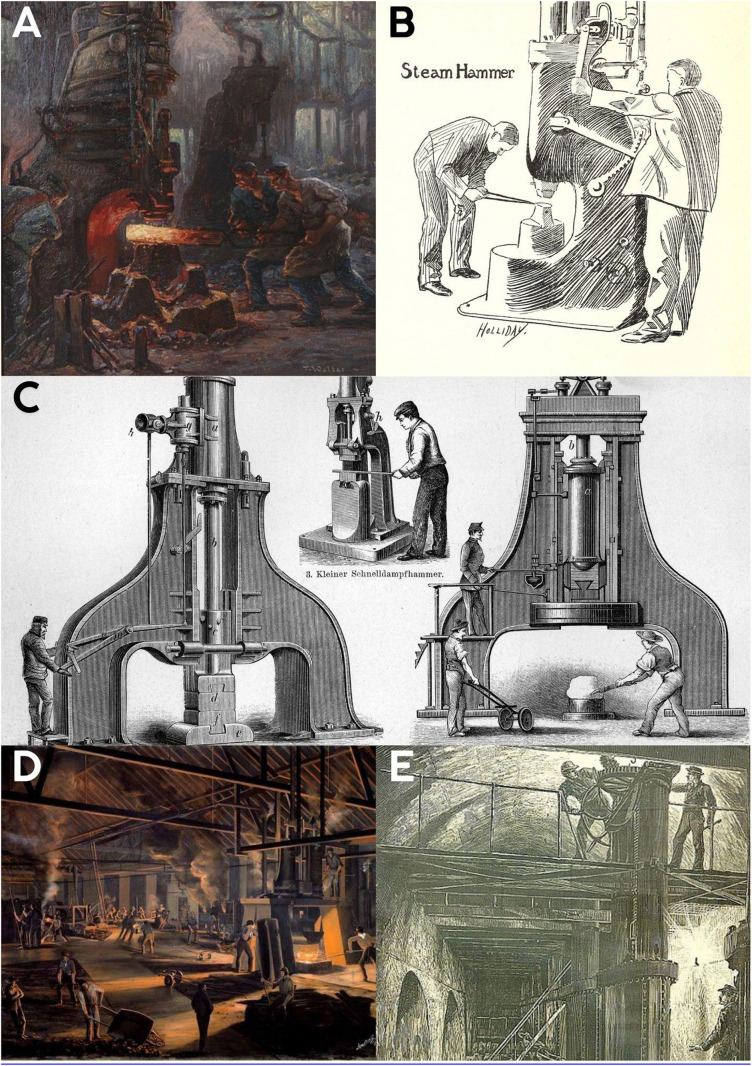 Figure 5
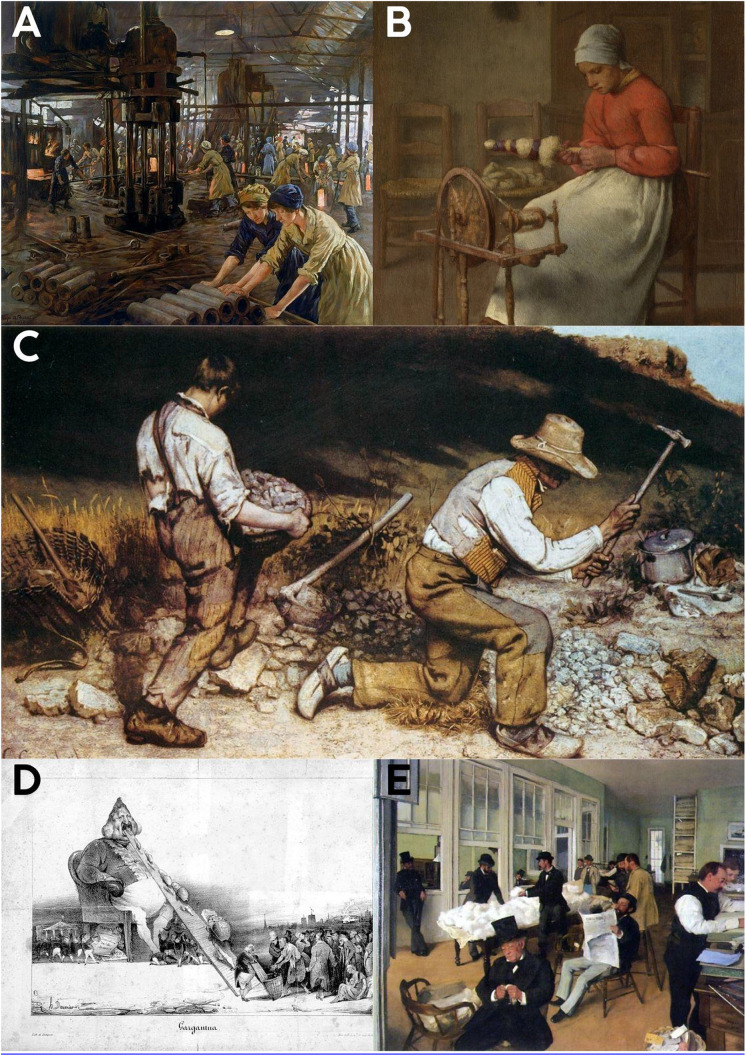 Figure 6
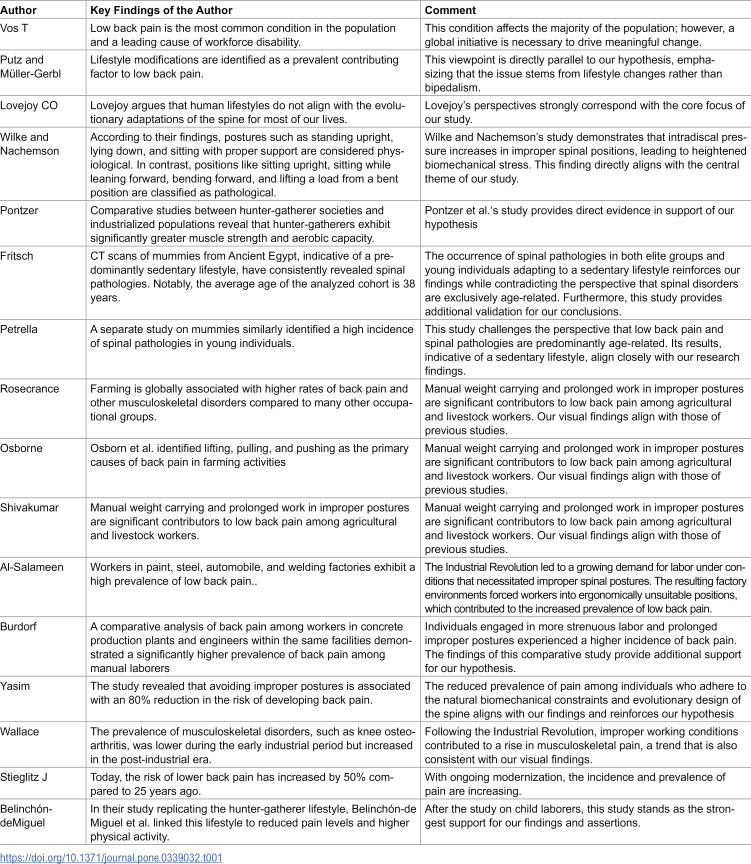 Figure 7
Peer Reviews
No public reviews on file for this paper yet. If you reviewed it on a platform where reviews are public (OpenReview, ICLR, NeurIPS, ICML), you can paste yours below so the community can read it here.
Videos
No videos yet. Explain this paper in a talk, walkthrough, or lecture? Add one.
Taxonomy
TopicsMusculoskeletal pain and rehabilitation · Spine and Intervertebral Disc Pathology · Musicians’ Health and Performance