Bilateral Cerebellopontine Angle Masses in a 72-Year-Old Woman With Prior Malignant Melanoma and a Cochlear Implant: A Diagnostic and Management Challenge
Syeda Faiza Fatima, Ibidapo Yusuf

TL;DR
A 72-year-old woman with a history of melanoma and a cochlear implant faced diagnostic and treatment challenges due to bilateral brain lesions, highlighting the difficulties in managing such cases when MRI is not possible.
Contribution
This case study emphasizes the challenges in diagnosing and managing bilateral cerebellopontine angle lesions in melanoma patients with contraindications to MRI.
Findings
Bilateral cerebellopontine angle lesions were identified in a melanoma patient with a cochlear implant, complicating MRI-based diagnosis.
The patient's condition worsened despite antibiotic treatment, with no viable surgical or targeted therapy options due to frailty and implant constraints.
Palliative care was initiated, underscoring the importance of early involvement to manage symptoms and support families in complex cases.
Abstract
Cerebellopontine angle masses are most frequently vestibular schwannomas, but may also represent metastatic disease, particularly in patients with a history of malignant melanoma. We describe the case of a 72-year-old woman with a prior history of melanoma and a right cochlear implant who presented with rapidly progressive bilateral hearing loss, visual impairment, imbalance, and right-sided facial weakness. An initial non-contrast CT scan was reported as normal, although a later multidisciplinary review identified bilateral cerebellopontine angle lesions. MRI, the gold standard for characterising lesions of this region, could not be performed because of the cochlear implant. The differential diagnosis included bilateral vestibular schwannomas and metastatic melanoma. During hospitalisation, the patient developed an infection that resolved with antibiotic therapy but continued to…
Genes, proteins, chemicals, diseases, species, mutations and cell lines named across the full text — each resolved to its canonical identifier and authoritative record.
Click any figure to enlarge with its caption.
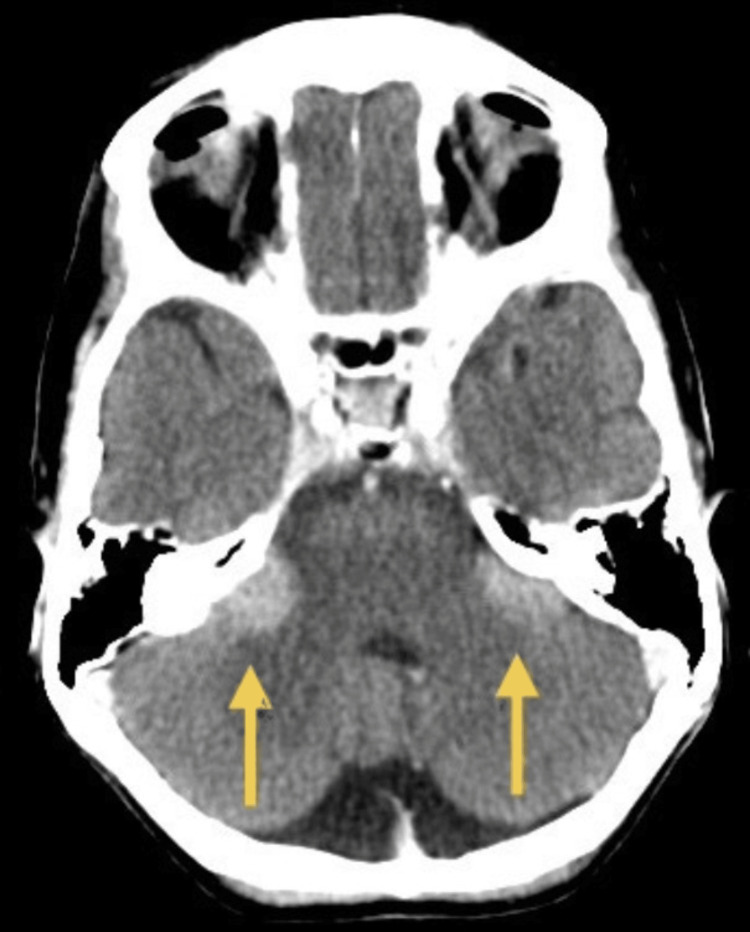 Figure 1
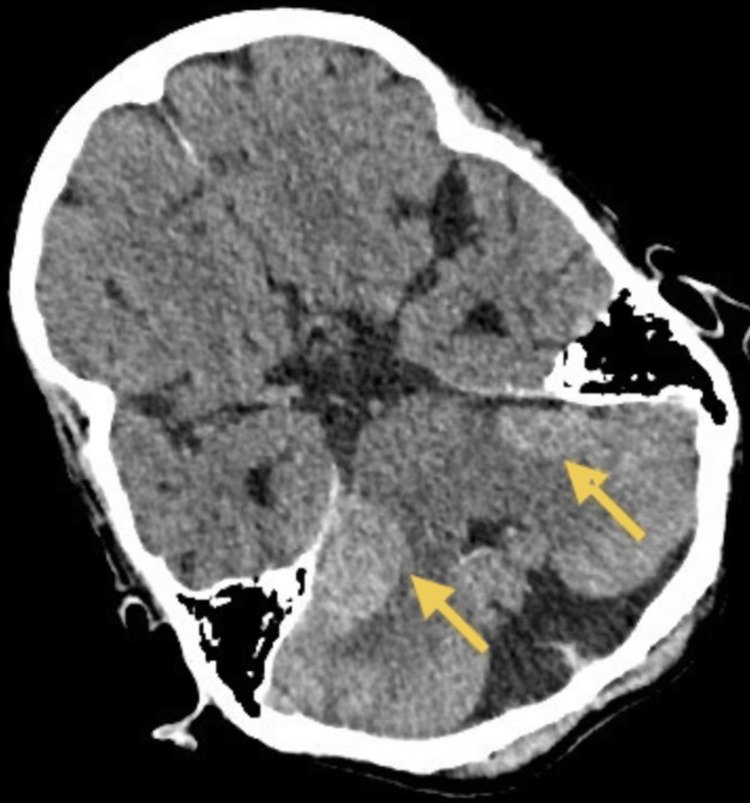 Figure 2
Peer Reviews
No public reviews on file for this paper yet. If you reviewed it on a platform where reviews are public (OpenReview, ICLR, NeurIPS, ICML), you can paste yours below so the community can read it here.
Videos
No videos yet. Explain this paper in a talk, walkthrough, or lecture? Add one.
Taxonomy
TopicsMeningioma and schwannoma management · Brain Metastases and Treatment · Ear and Head Tumors