Pharmacodynamic evidence for tedizolid use in Mycobacterium avium lung disease
D. Deshpande, S. Srivastava, T. Gumbo

TL;DR
Tedizolid shows strong potential for treating Mycobacterium avium lung disease, with optimal dosing identified through pharmacodynamic modeling.
Contribution
The study provides pharmacodynamic evidence for tedizolid dosing in MAC lung disease using multiple clinical isolates.
Findings
Tedizolid reduced MAC bacterial burden by 3.61 log10 CFU/mL at a target AUC0–24/MIC of 155.5.
Doses of 200 and 300 mg/day achieved target exposure in 86% and 93% of virtual patients, respectively.
Abstract
On guideline-based therapy for Mycobacterium avium complex (MAC) lung disease (LD), ∼50%–60% of patients suffer recalcitrant disease. Tedizolid is a promising agent based on the intracellular hollow fibre model of MAC-LD (HFS-MAC) using the MAC laboratory reference isolate (ATCC#700898), with a target exposure 0–24 area under the concentration-time curve (AUC0–24)-to-minimum inhibitory concentration (MIC) of 23.46. We performed a 28-day study in the HFS-MAC inoculated with five different MAC isolates treated with six daily exposures, using intrapulmonary pharmacokinetics of tedizolid. Data were analysed using inhibitory sigmoid maximal effect (Emax) modelling of bacterial burden versus AUC0–24/MIC. Monte Carlo experiments were implemented to determine the optimal oral tedizolid dose achieving target exposure in lungs of 10,000 virtual patients. Tedizolid killed the five clinical…
Genes, proteins, chemicals, diseases, species, mutations and cell lines named across the full text — each resolved to its canonical identifier and authoritative record.
Click any figure to enlarge with its caption.
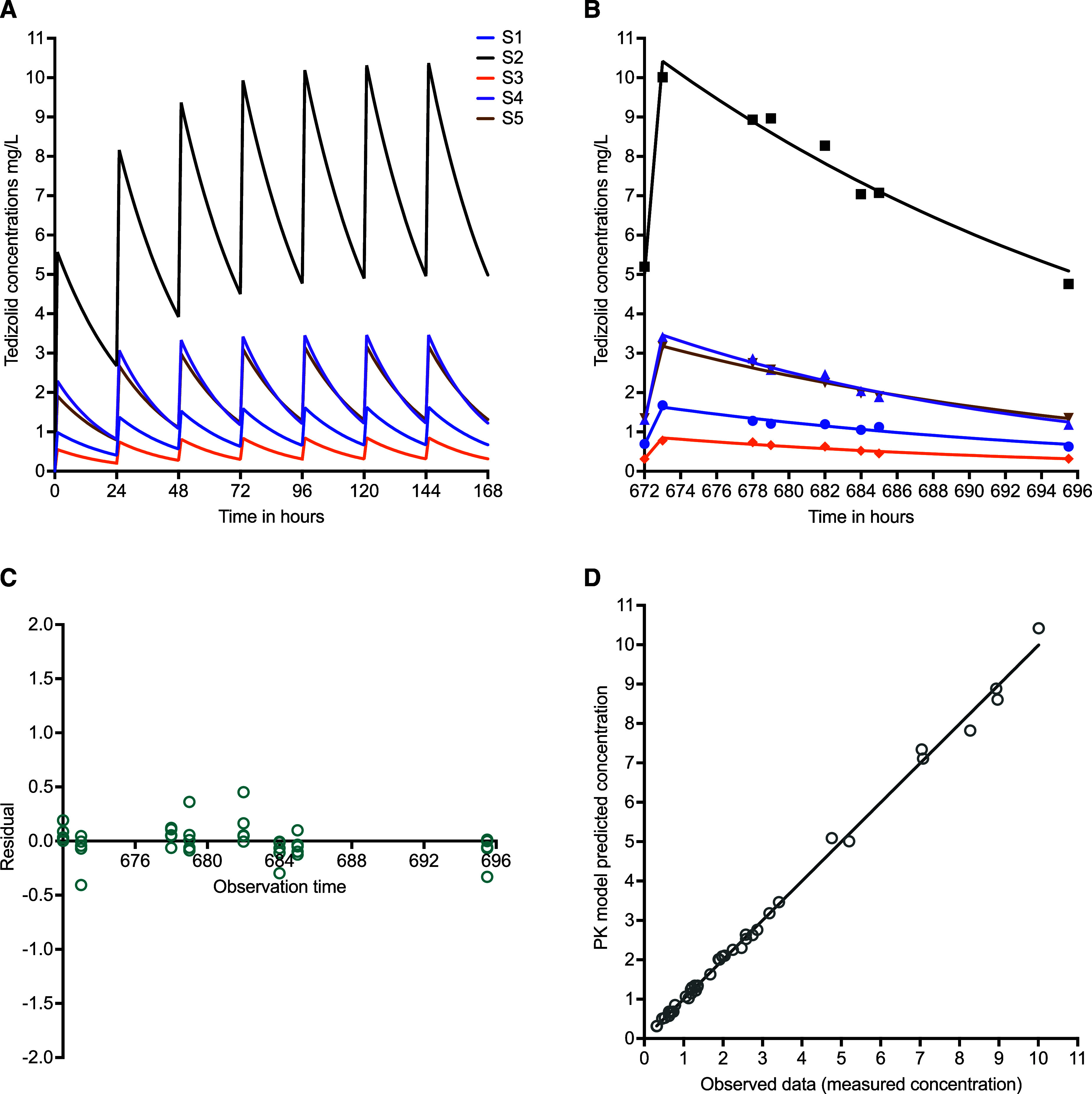 Figure 1
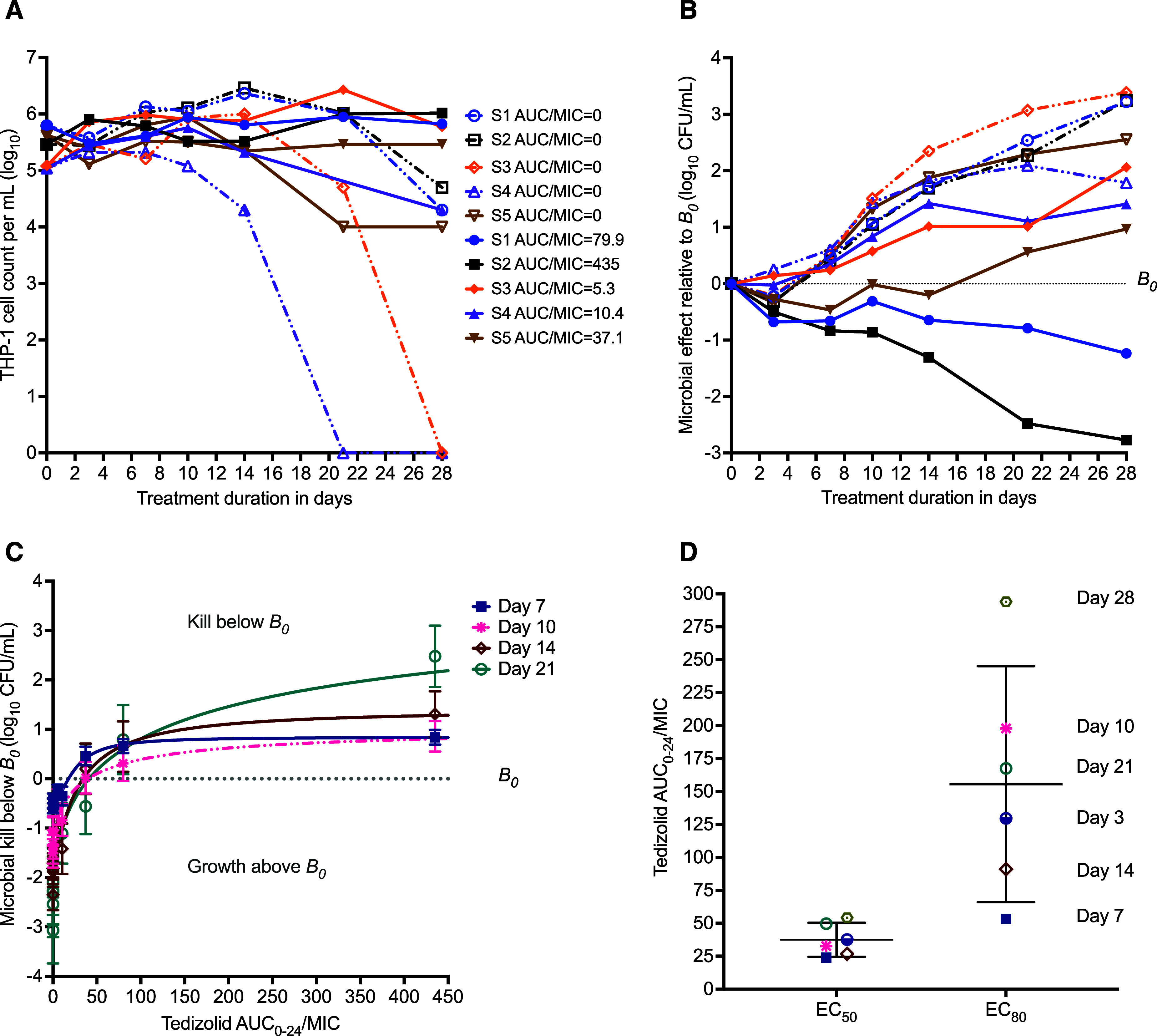 Figure 2
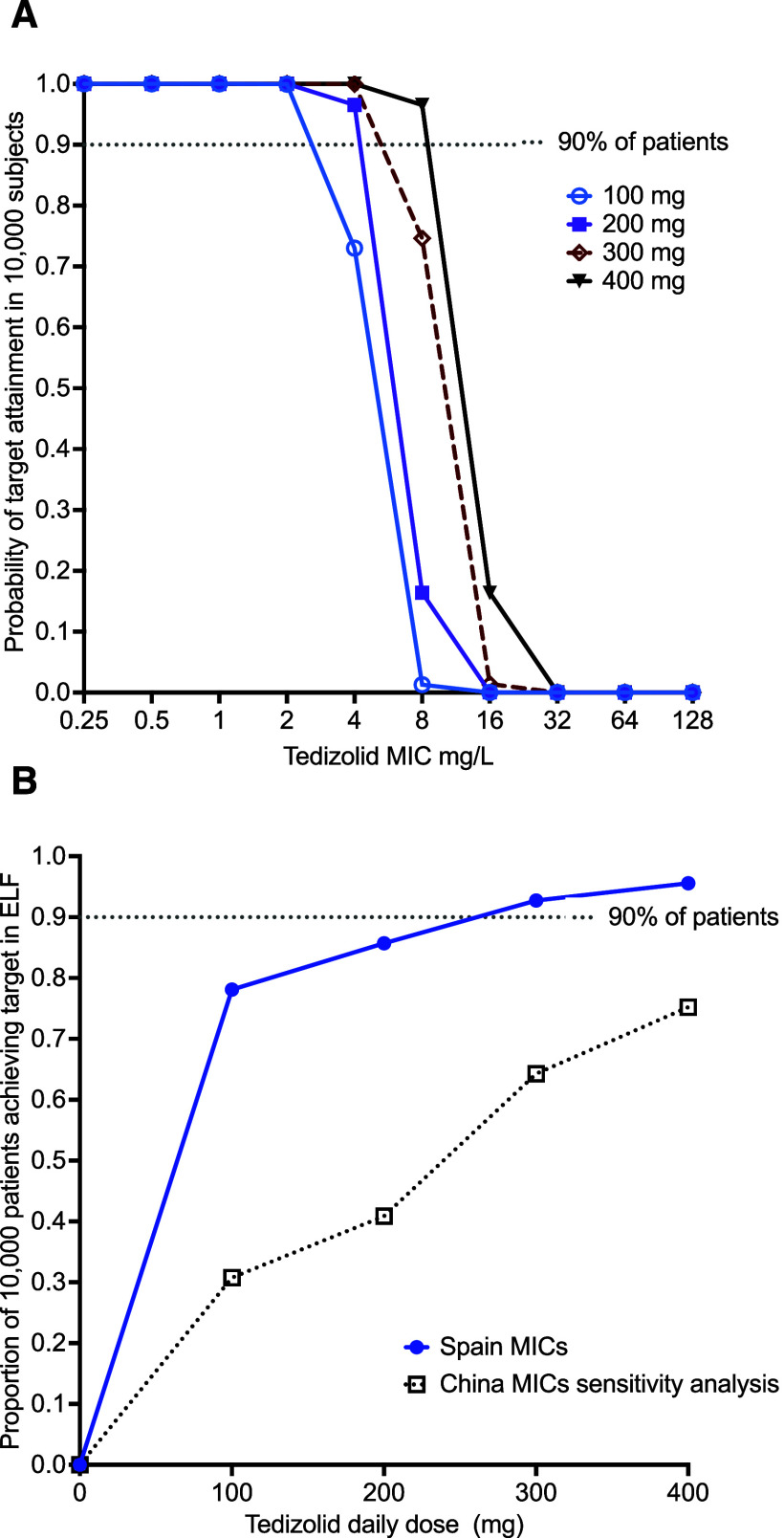 Figure 3
Peer Reviews
No public reviews on file for this paper yet. If you reviewed it on a platform where reviews are public (OpenReview, ICLR, NeurIPS, ICML), you can paste yours below so the community can read it here.
Videos
No videos yet. Explain this paper in a talk, walkthrough, or lecture? Add one.
Taxonomy
TopicsMycobacterium research and diagnosis · Tuberculosis Research and Epidemiology · Lung Cancer Treatments and Mutations