Statins in Breast Cancer Therapy: Mechanistic Insights and Emerging Evidence
Rohina Alim, H. M. Kasuni Akalanka

TL;DR
Statins, especially simvastatin, may help treat breast cancer by disrupting cancer cell signaling and survival, offering a promising and accessible treatment option.
Contribution
This review synthesizes two decades of evidence on statins' anticancer mechanisms and therapeutic potential in breast cancer.
Findings
Statins disrupt the mevalonate pathway, impairing prenylation of key signaling proteins like Ras and Rho GTPases.
Simvastatin induces apoptosis and inhibits oncogenic pathways in hormone receptor-negative and triple-negative breast cancer.
Observational studies suggest statin use is linked to reduced breast cancer recurrence and mortality.
Abstract
Breast cancer (BC) remains the most frequently diagnosed malignancy worldwide, with an estimated 2.3 million new cases and approximately 685,000 deaths reported in 2020. Forecasts suggest a substantial rise in global incidence, with new annual cases projected to reach 3.2 million by 2050, representing a 39% increase. Additionally, BC is expected to account for approximately 7.7% of the anticipated $25.2 trillion global economic burden associated with cancer by 2050. These trends underscore an urgent need for affordable, widely accessible and effective therapeutic strategies, particularly in low‐ and middle‐income countries. Statins, commonly prescribed for the treatment of hypercholesterolaemia via inhibition of 3‐hydroxy‐3‐methylglutaryl‐coenzyme A (HMG‐CoA) reductase, have garnered increasing interest for their potential anticancer properties. This review focuses on the mechanistic…
Genes, proteins, chemicals, diseases, species, mutations and cell lines named across the full text — each resolved to its canonical identifier and authoritative record.
Click any figure to enlarge with its caption.
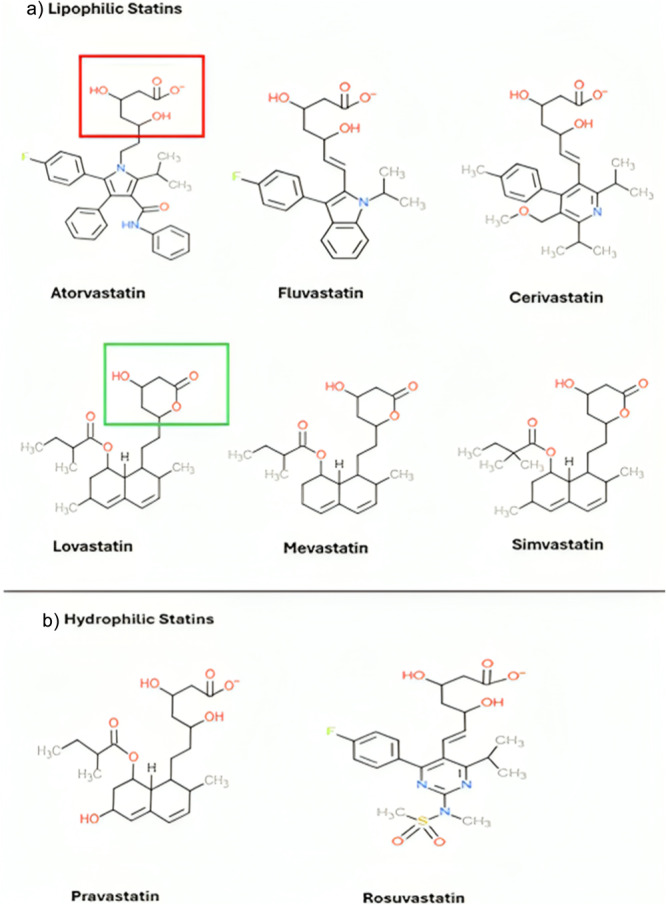 Figure 1
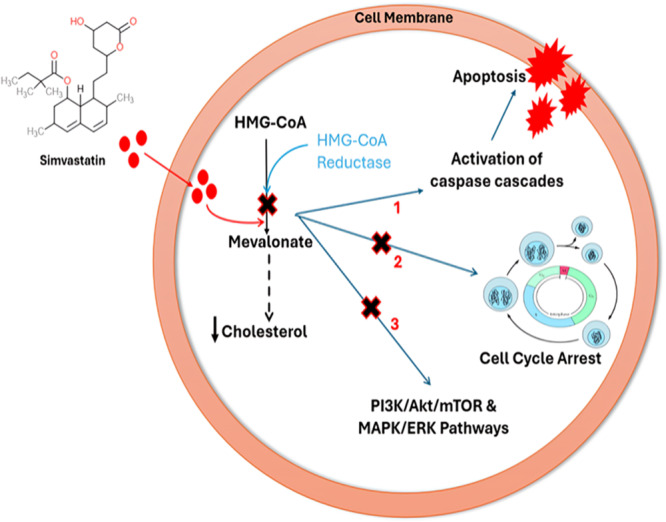 Figure 2
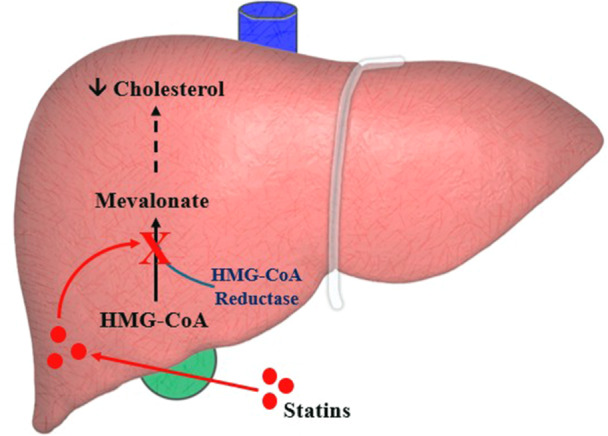 Figure 3
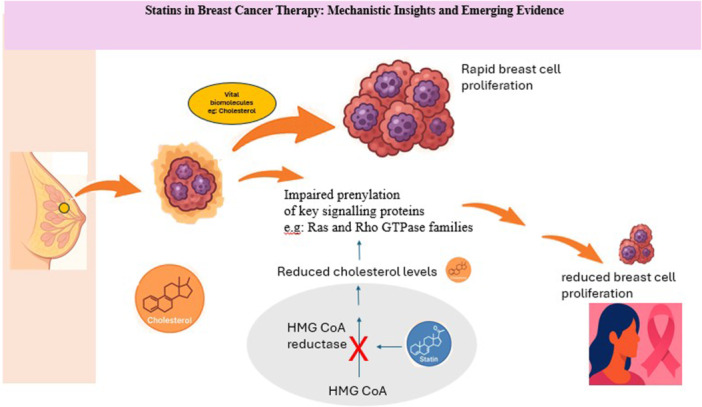 Figure 4
Peer Reviews
No public reviews on file for this paper yet. If you reviewed it on a platform where reviews are public (OpenReview, ICLR, NeurIPS, ICML), you can paste yours below so the community can read it here.
Videos
No videos yet. Explain this paper in a talk, walkthrough, or lecture? Add one.
Taxonomy
TopicsCancer, Lipids, and Metabolism · Cancer, Stress, Anesthesia, and Immune Response · Microbial Metabolism and Applications