Pneumococcal Carriage Among Children and Adults Before and After a Change from a Three-dose 13-valent Pneumococcal Conjugate Vaccine Schedule without a Booster to a Two-Dose Schedule with a Booster in Burkina Faso
Lana Childs, Robert Lamoussa Zoma, Issa Ouedraogo, Guetwendé Sawadogo, T. Félix Tarbangdo, Aristide Zoma, Soumeya Ouangraoua, Emilie Dama, Theresa Tran, Fahmina Akhter, Simran Utreja, Mahamoudou Ouattara, Jennifer R. Verani, Soufiane Sanou, H. Flavien Aké, Lesley McGee

TL;DR
This study examines pneumococcal carriage in Burkina Faso before and after changing the PCV13 vaccine schedule, finding a significant decline in infants but not in other age groups.
Contribution
The study evaluates the impact of a PCV13 schedule change on pneumococcal carriage in different age groups in Burkina Faso.
Findings
PCV13-type carriage declined significantly among infants from 2020 to 2023.
The decline in infants is likely unrelated to the booster dose, as only those aged ≥9 months could have received it.
Additional birth cohorts are needed to assess the long-term effects of the new vaccine schedule.
Abstract
In June 2021, Burkina Faso changed the 13-valent pneumococcal conjugate vaccine (PCV13) schedule from three primary doses with no booster (at 2, 3, 4 months) (3+0) to two primary doses with a booster (at 2, 4, 9 months) (2+1), which may optimize vaccine impact due to a booster dose. We conducted two cross-sectional, age-stratified (age 1–11 months [infants], 1 year, 2–4 years, 5–14 years, and ≥15 years) pneumococcal carriage surveys in Bobo-Dioulasso in April–May 2022 and March–April 2023 and compared results with one similar survey conducted in March 2020. We collected demographic and epidemiologic information, including vaccination history (participants aged <5 years), and one nasopharyngeal (all participants) and one oropharyngeal (participants aged ≥5 years) swab from participants. Pneumococci isolated by culture were serotyped by PCR (all isolates in 2020 and 2022) and/or Quellung…
Genes, proteins, chemicals, diseases, species, mutations and cell lines named across the full text — each resolved to its canonical identifier and authoritative record.
Click any figure to enlarge with its caption.
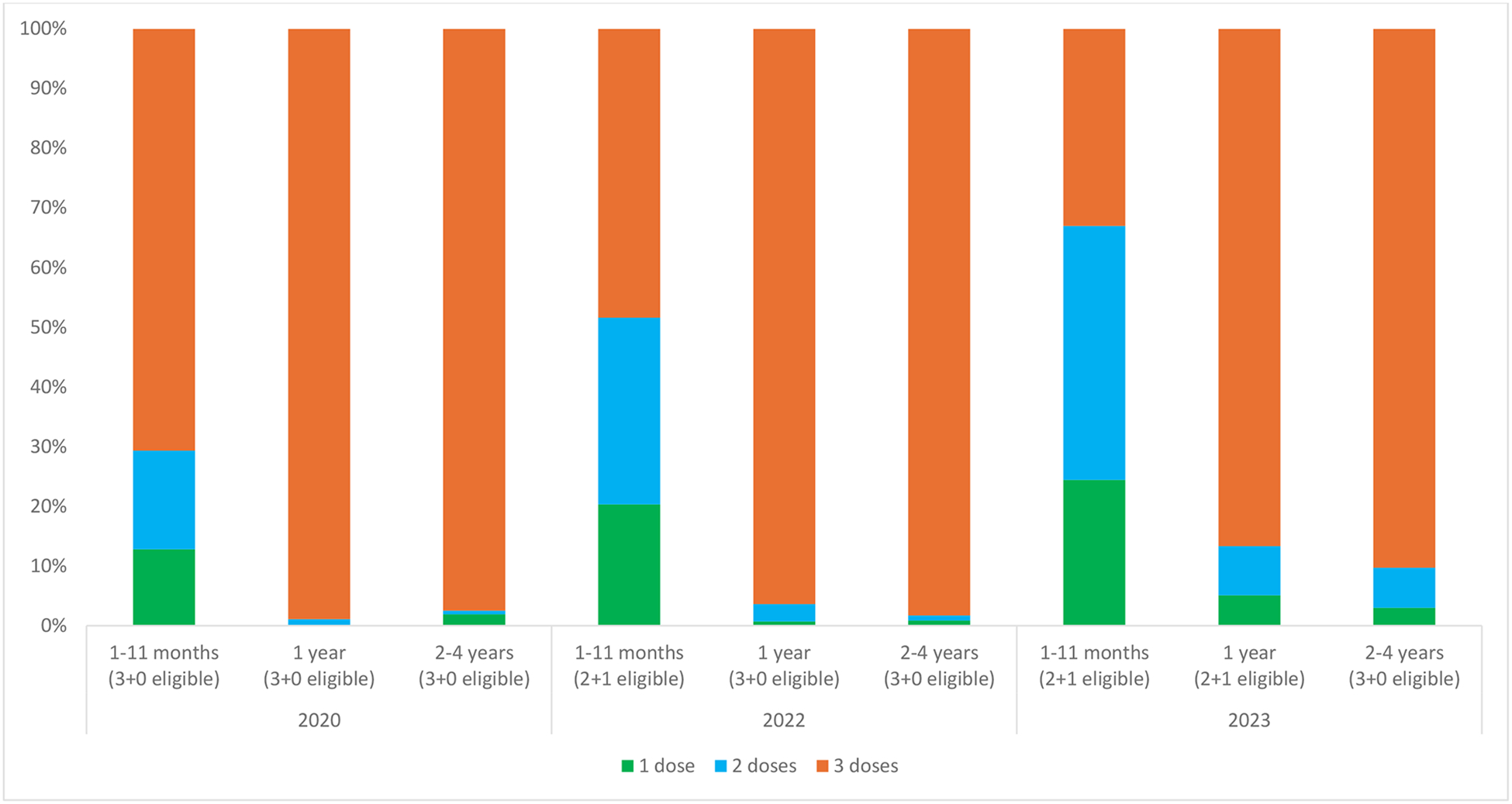 Figure 1
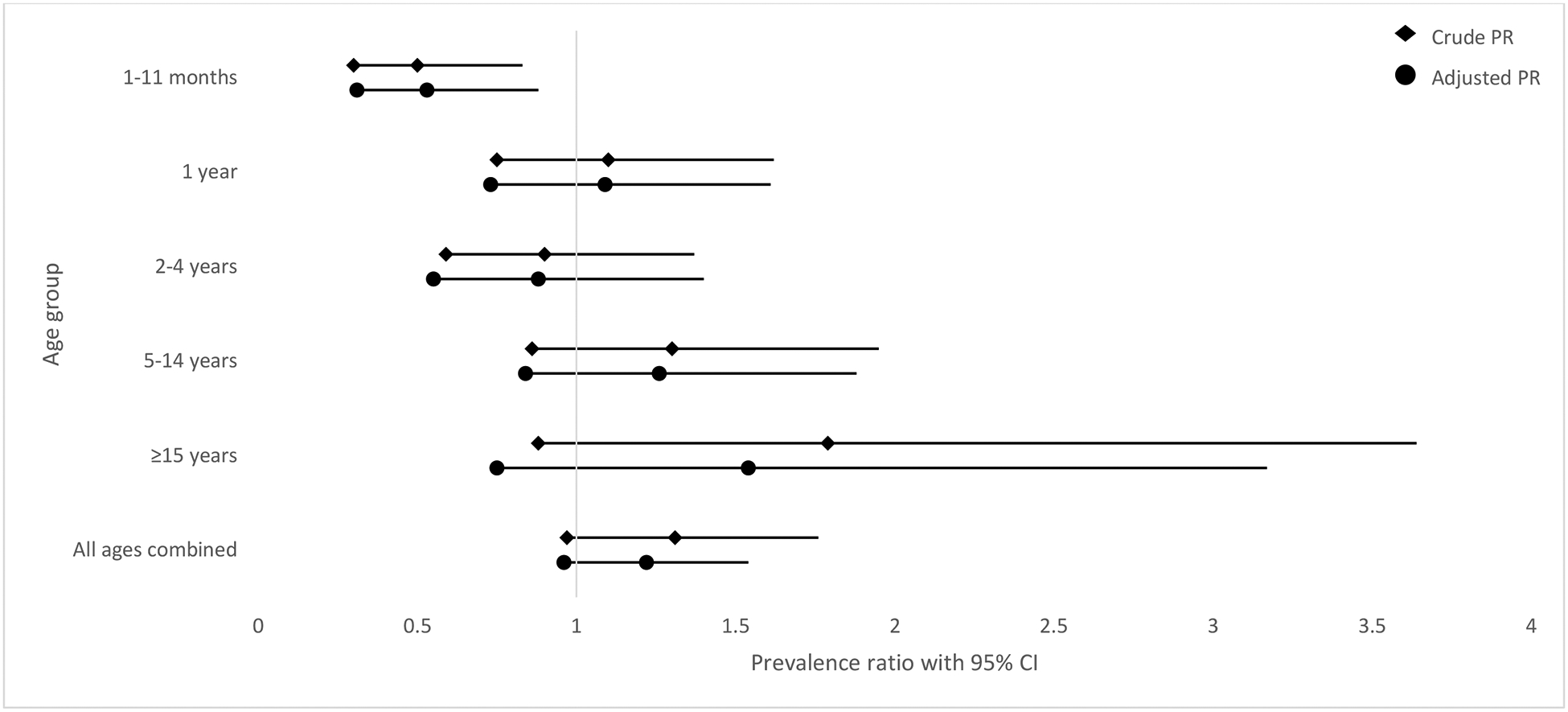 Figure 2
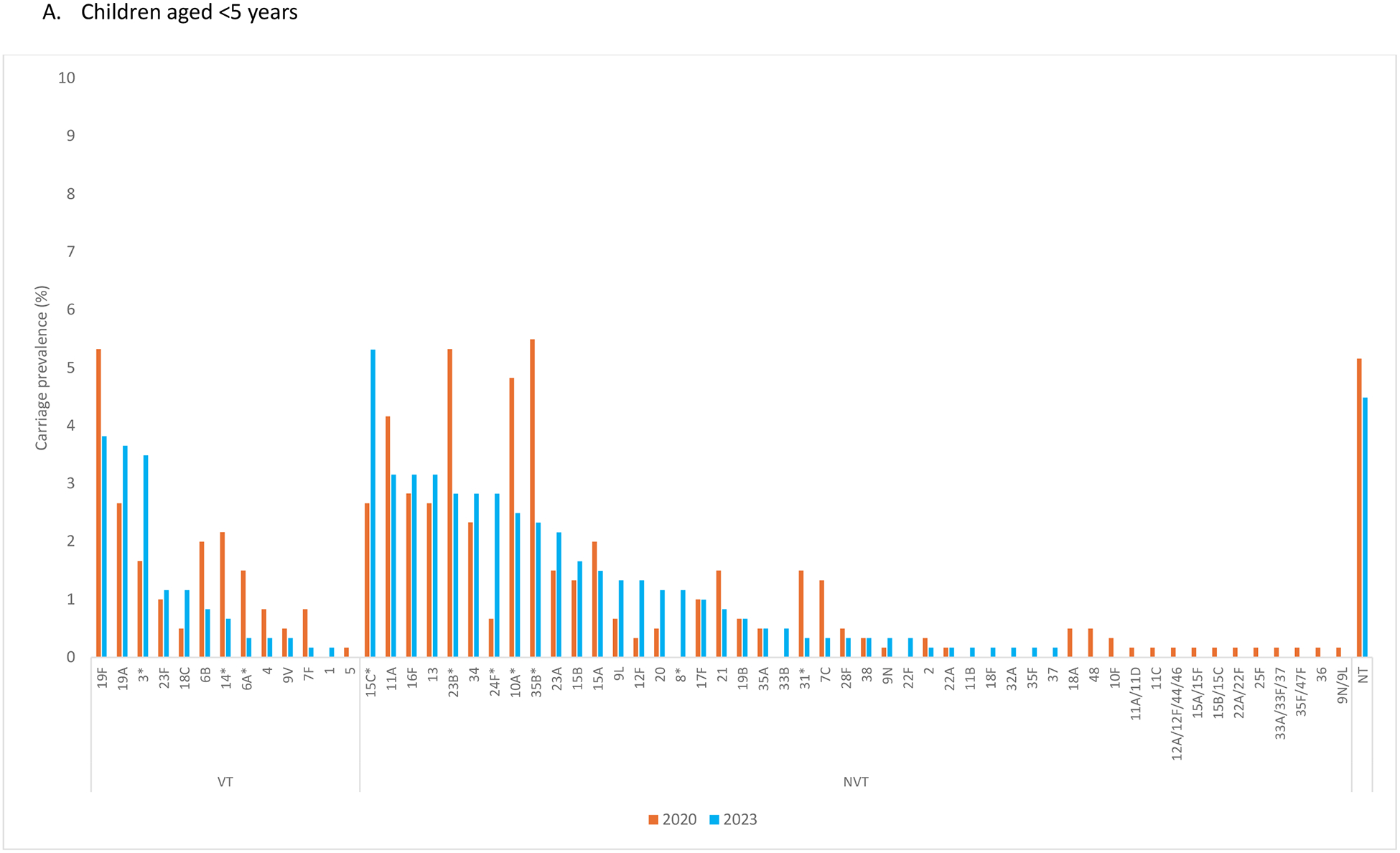 Figure 3
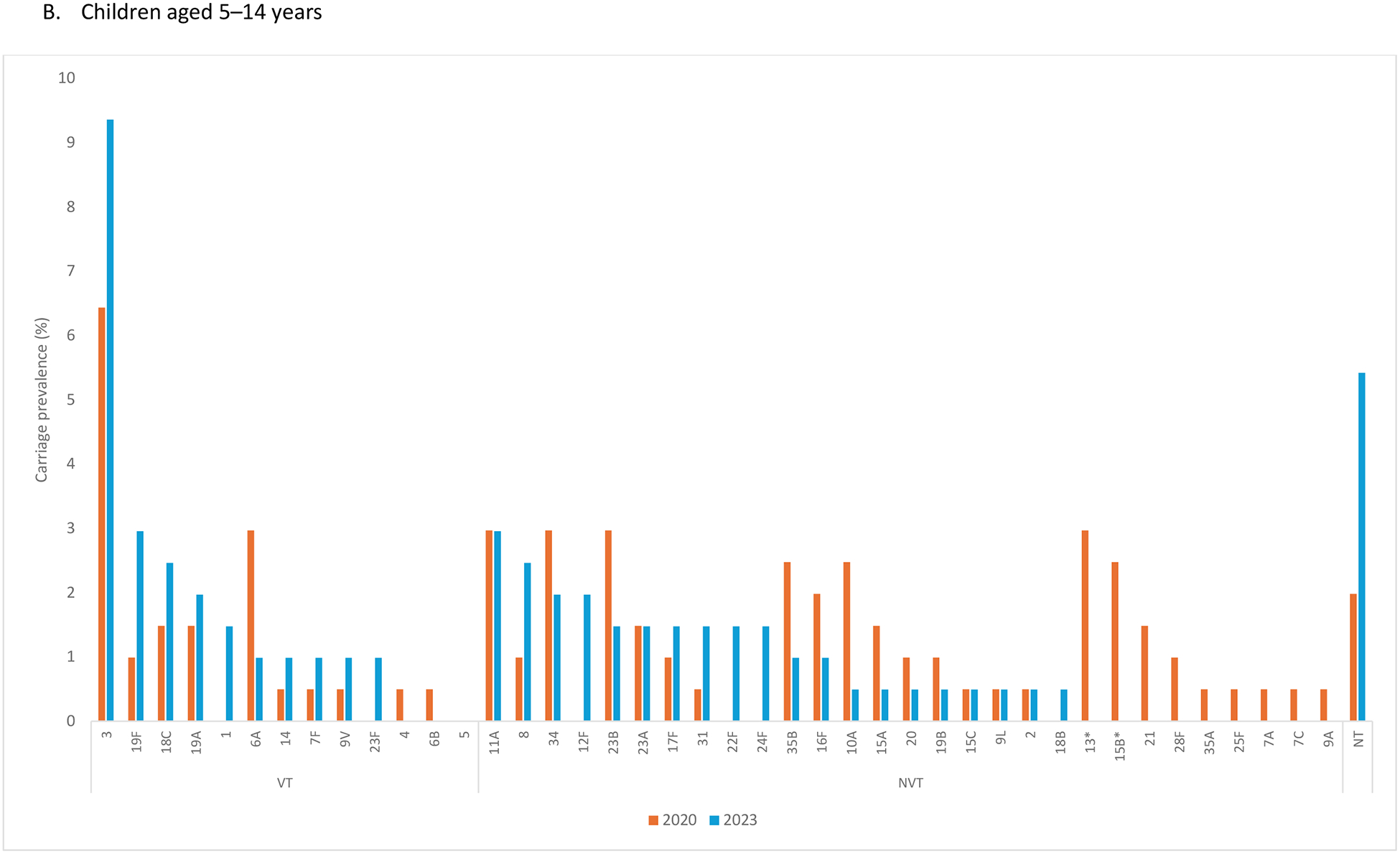 Figure 4
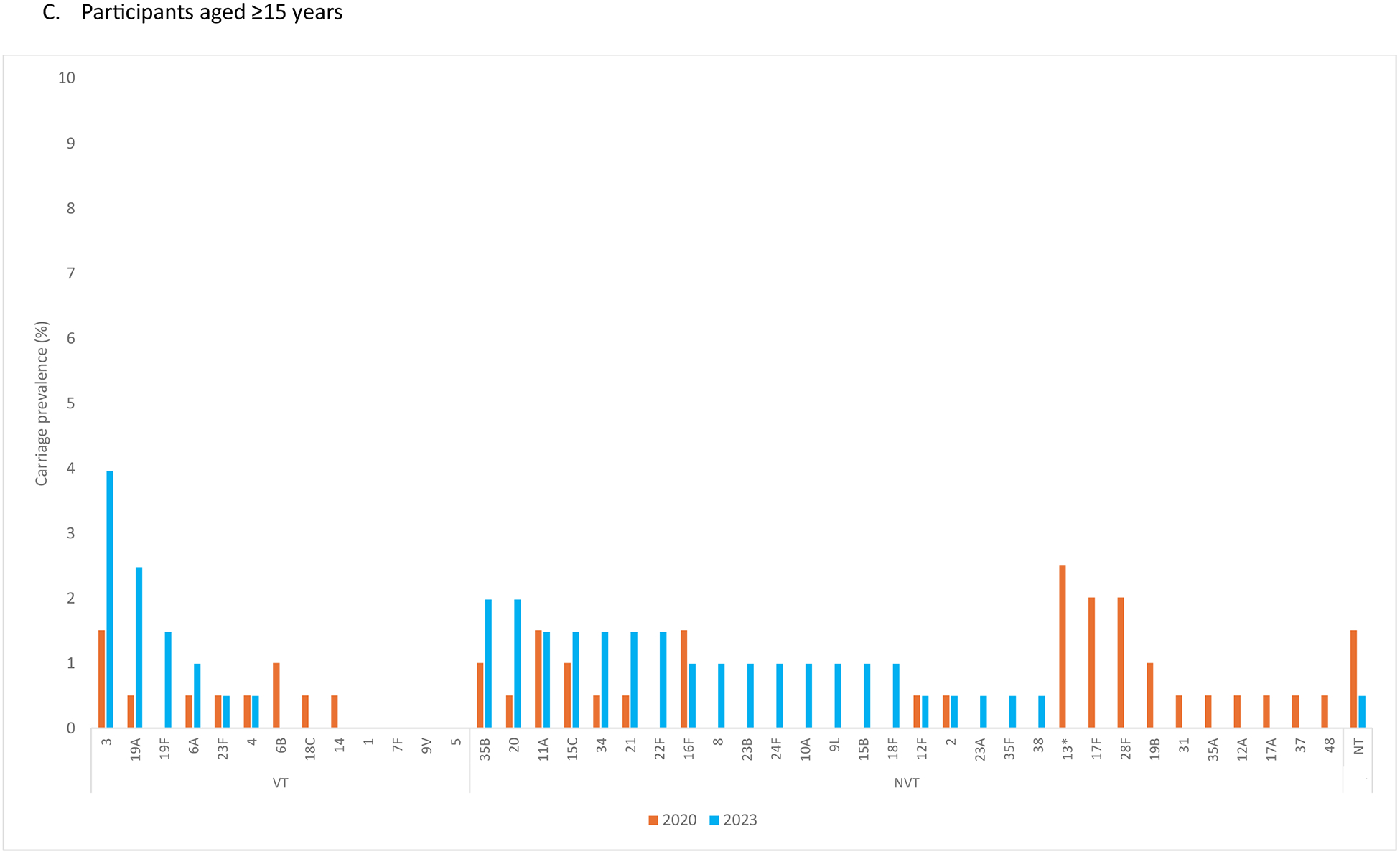 Figure 5
Peer Reviews
No public reviews on file for this paper yet. If you reviewed it on a platform where reviews are public (OpenReview, ICLR, NeurIPS, ICML), you can paste yours below so the community can read it here.
Videos
No videos yet. Explain this paper in a talk, walkthrough, or lecture? Add one.
Taxonomy
TopicsPneumonia and Respiratory Infections · Respiratory viral infections research · Influenza Virus Research Studies