Properties of Bisdiazo Compounds and Their Derived Carbenes via Density Functional Theory
Xiaosong Liu, Mark Gerard Moloney

TL;DR
This study uses DFT to explore the electronic and structural properties of bisdiazo compounds and their derived carbenes, and how they interact with graphene surfaces.
Contribution
The paper introduces a DFT-based analysis of bisdiazo-derived carbenes and their physisorption on graphene, revealing insights into their electronic structures and surface behavior.
Findings
Computed FMOs, ESP, and polarity of bisdiazo compounds and carbenes align with experimental data.
Physisorption on graphene is influenced by π-π stacking and aromatic ring interactions.
Carbene species enable controlled patterning of functional organic surfaces.
Abstract
To better understand the properties of carbene and biscarbene species derived from bisdiazo compounds with varied terminal groups, a density functional theory (DFT) study was conducted on bisdiazo compounds with four terminal groups (bisdiazo‐X, where X=H, Me, NO2 and NH2) and their mono‐ and dicarbene derivatives. The studies included computation of their frontier molecular orbitals (FMOs), electronic structures, electrostatic potential (ESP) and polarity, as well as their IR and UV‐vis spectra and their color in THF solutions. For bisdiazo compounds at both ground and excited states, the computational results matched well with published experimental data. The formation of carbene species from bisdiazo compounds was confirmed via a generalized IRC path calculation and IGMH analysis. The reaction sites and the lone pair electron locations were predicted using minimum ESP (i.e., ESPmin)…
Genes, proteins, chemicals, diseases, species, mutations and cell lines named across the full text — each resolved to its canonical identifier and authoritative record.
Click any figure to enlarge with its caption.
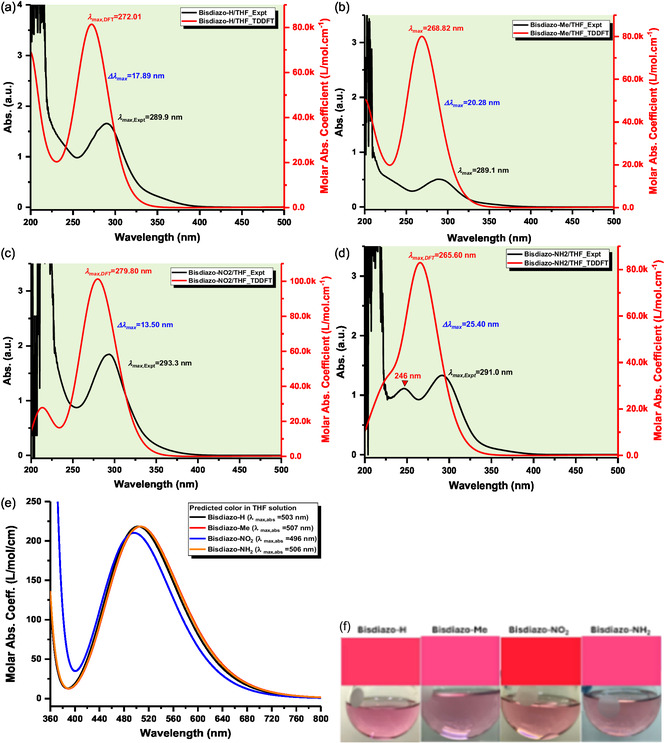 Figure 1
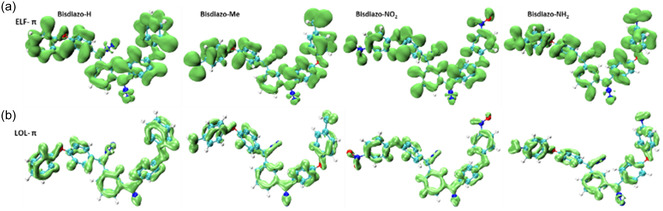 Figure 2
 Figure 3
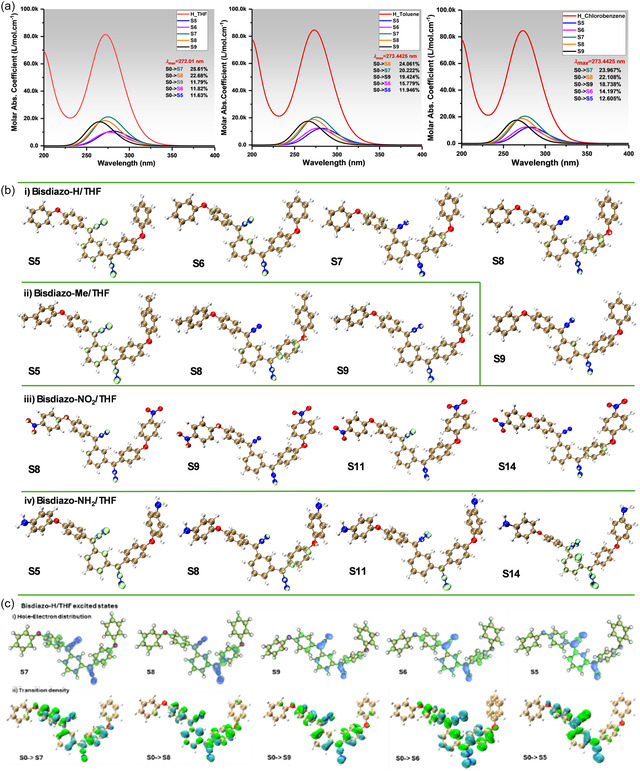 Figure 4
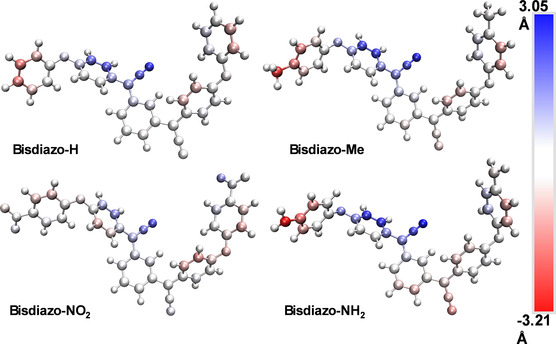 Figure 5
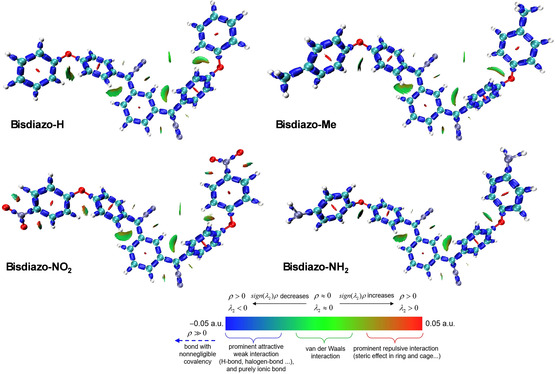 Figure 6
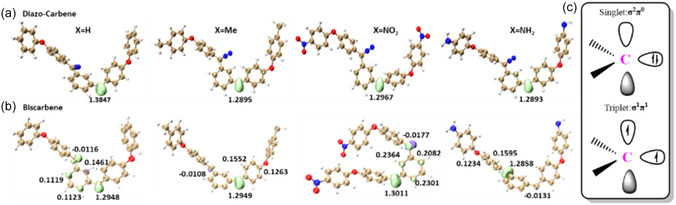 Figure 7
 Figure 8
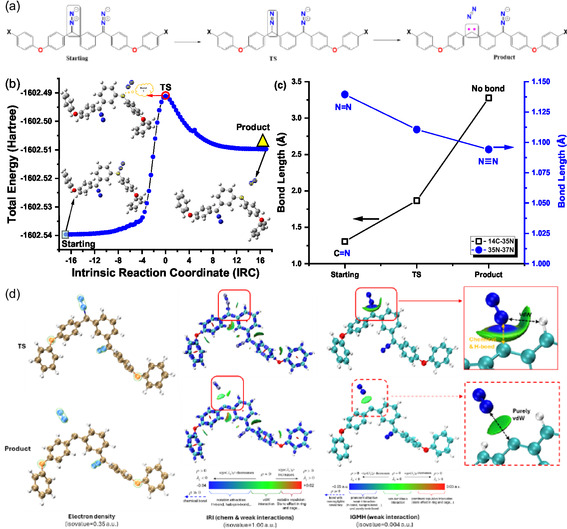 Figure 9
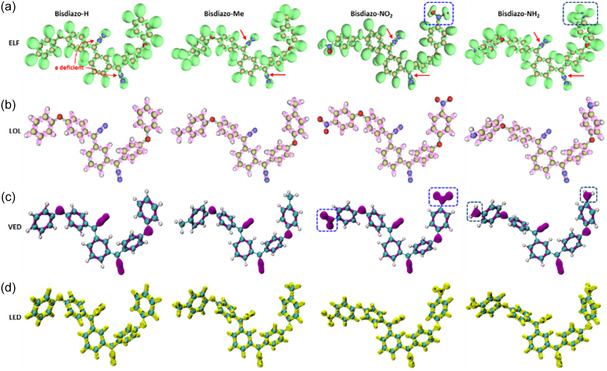 Figure 10
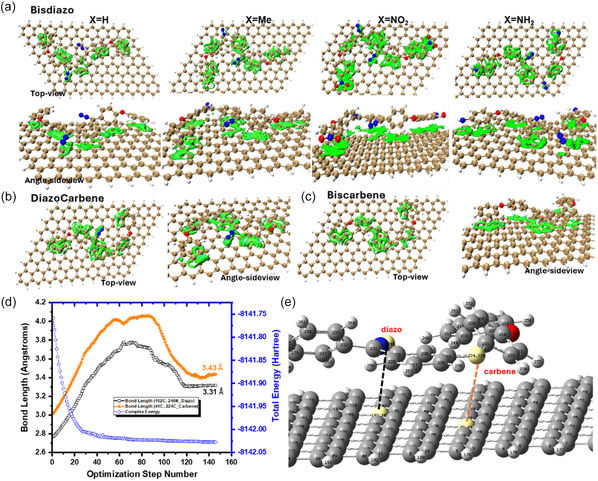 Figure 11
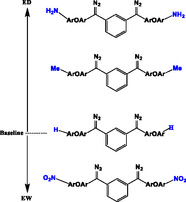 Figure 12
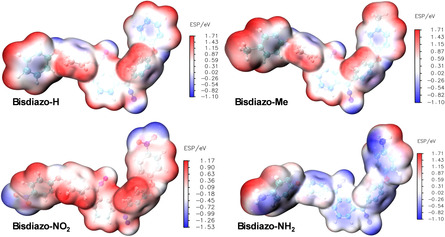 Figure 13
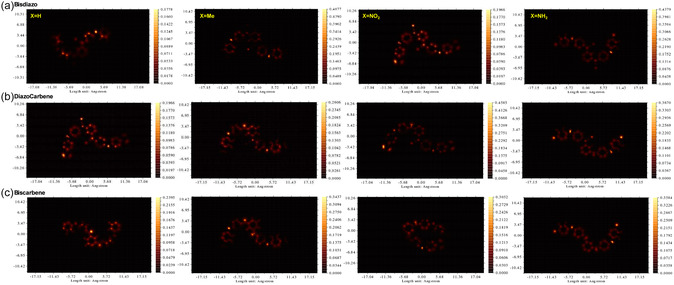 Figure 14
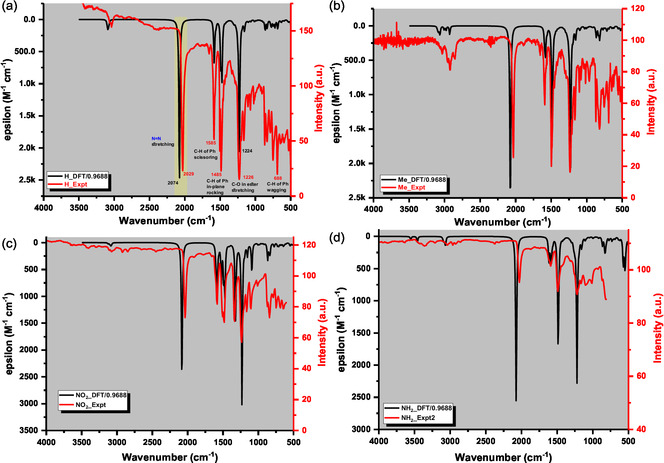 Figure 15
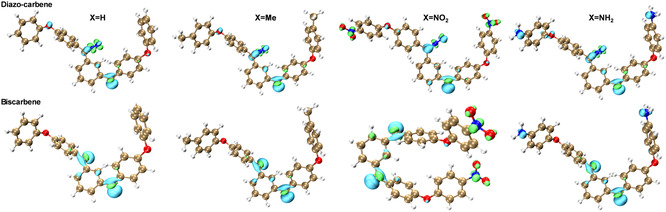 Figure 16
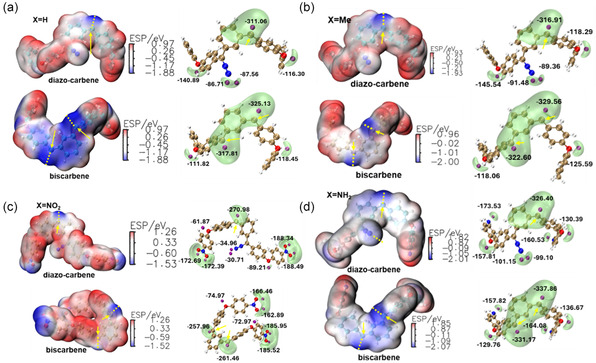 Figure 17
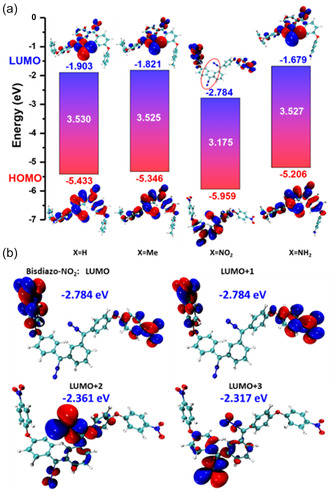 Figure 18
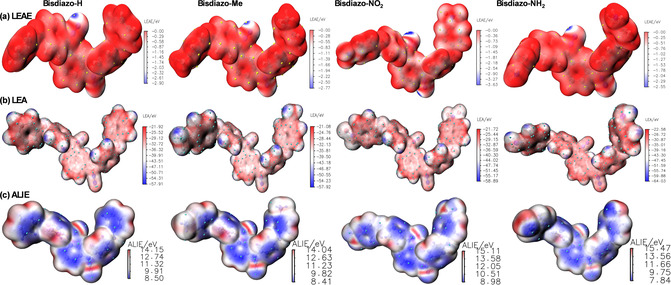 Figure 19
Peer Reviews
No public reviews on file for this paper yet. If you reviewed it on a platform where reviews are public (OpenReview, ICLR, NeurIPS, ICML), you can paste yours below so the community can read it here.
Videos
No videos yet. Explain this paper in a talk, walkthrough, or lecture? Add one.
Taxonomy
TopicsChemical Reactions and Mechanisms · N-Heterocyclic Carbenes in Organic and Inorganic Chemistry · Cyclopropane Reaction Mechanisms