Effects of hypothermic oxygenated machine perfusion on bile composition after liver transplantation – Findings from a randomized controlled trial
Frederik Schliephake, Isabella Lurje, Deniz Uluk, Janina Eden, Zoltan Czigany, Justus Pein, Peri Husen, Cornelius Engelmann, Christoph Michalski, Marlene Kohlhepp, Pavel Strnad, Philipp Dutkowski, Frank Tacke, Ulf Peter Neumann, David Meierhofer, Georg Lurje

TL;DR
This study shows that hypothermic oxygenated machine perfusion (HOPE) improves bile composition after liver transplants, potentially reducing bile acid toxicity and improving recovery.
Contribution
The study is the first to demonstrate how HOPE affects bile composition in liver transplants, suggesting protection from bile acid toxicity as a novel mechanism.
Findings
Hydrophobic bile acid levels in bile and serum correlate with liver injury markers and decrease postoperatively.
HOPE-treated livers show faster recovery of bile acid and phospholipid secretion compared to cold-stored livers.
HOPE reduces the bile acid to phosphatidylcholine ratio and promotes normalization of serum bile acid levels.
Abstract
In liver transplantation, bile acid (BA) toxicity contributes to injury of both hepatocytes and cholangiocytes. While hypothermic oxygenated machine perfusion (HOPE) reduces ischemia–reperfusion injury (IRI) and improves clinical outcomes, its impact on bile composition remains unclear because of the lack of bile samples available after LT. Bile, blood, and liver tissue were collected within a multicentric randomized controlled trial (NCT03124641), from 26 patients receiving extended criteria donation (ECD) allografts from donors after brain death (DBD). Fourteen donor livers were static cold stored (SCS group), while 12 livers underwent end-ischemic HOPE. Grafts were randomly assigned. BA levels and metabolic parameters were analyzed across samples with mass spectrometry. Expression of bile transporters and enzymes was assessed in liver biopsies before and after transplantation.…
Genes, proteins, chemicals, diseases, species, mutations and cell lines named across the full text — each resolved to its canonical identifier and authoritative record.
Click any figure to enlarge with its caption.
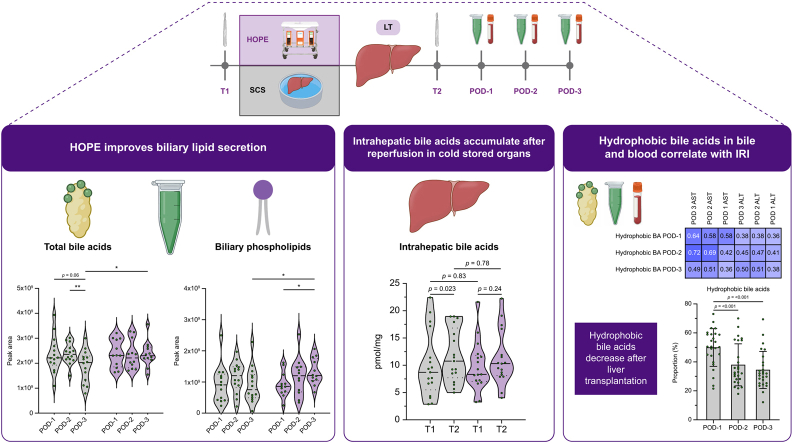 Figure 1
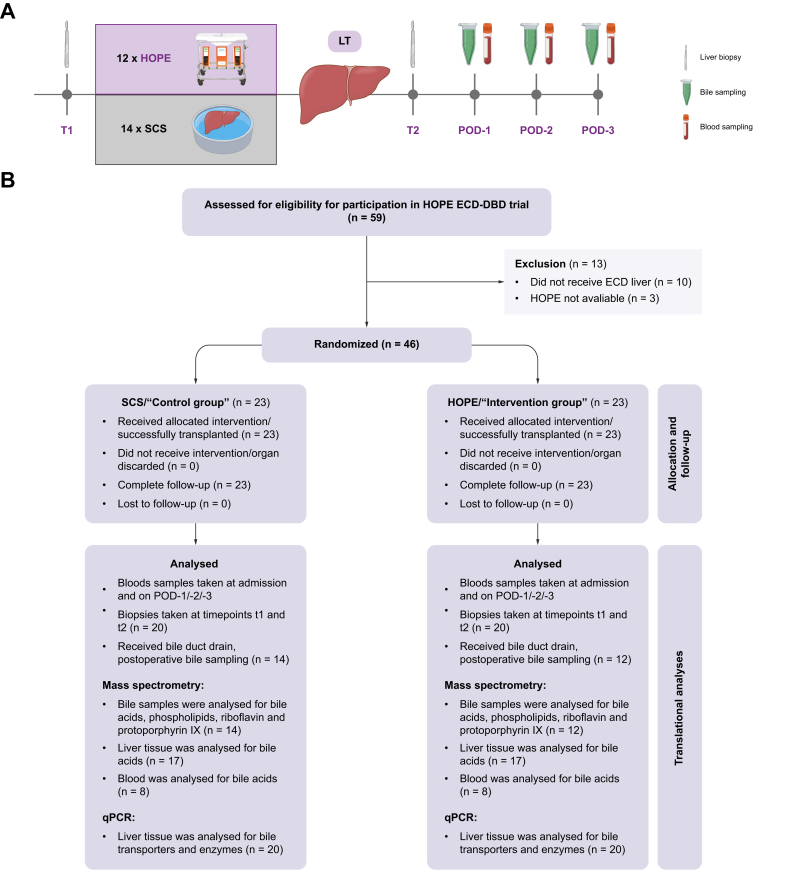 Figure 2
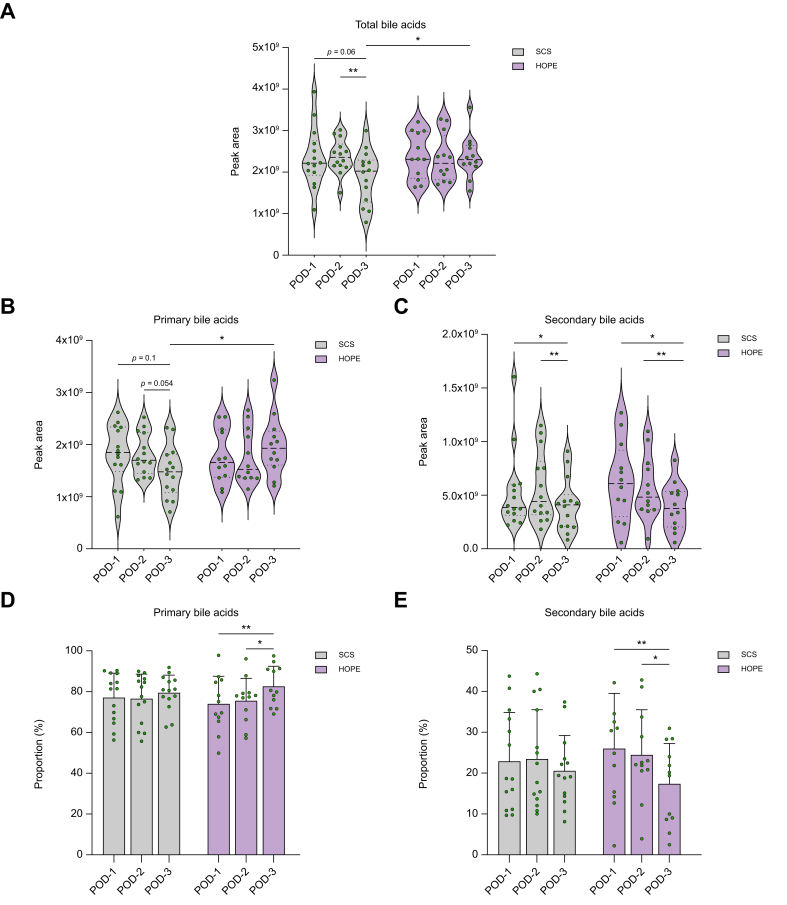 Figure 3
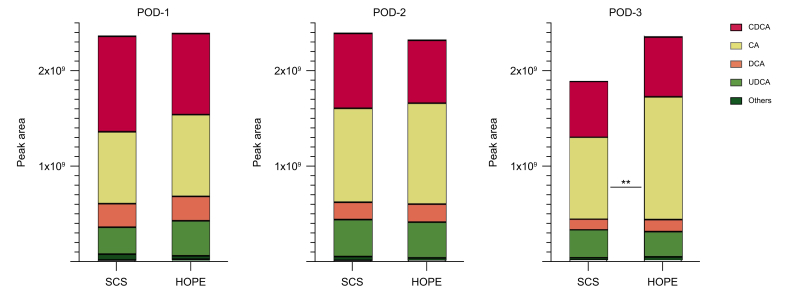 Figure 4
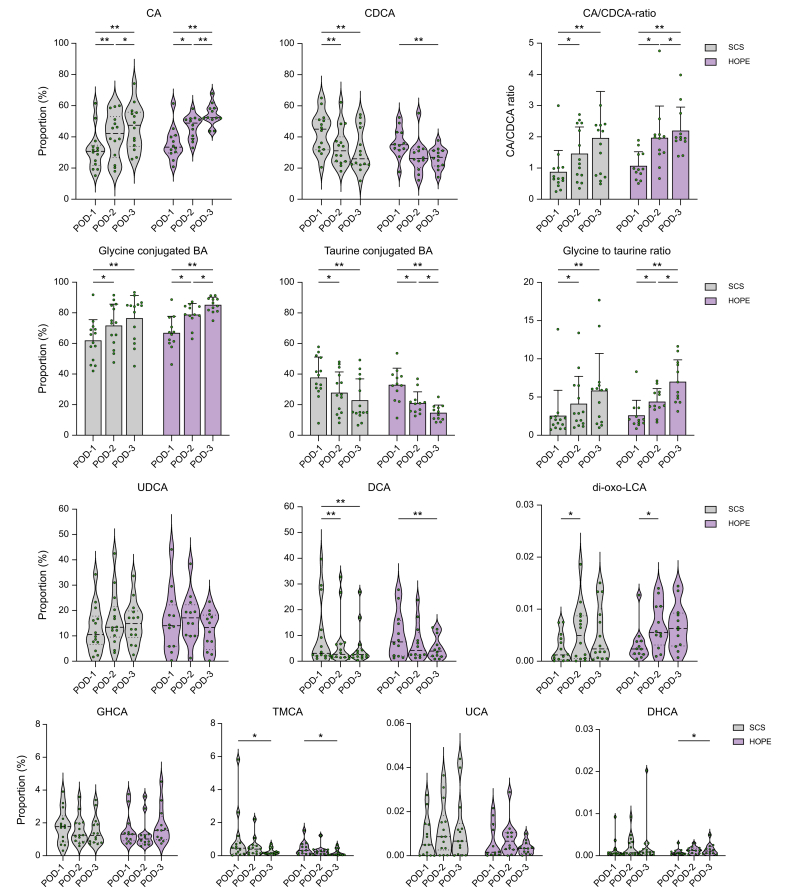 Figure 5
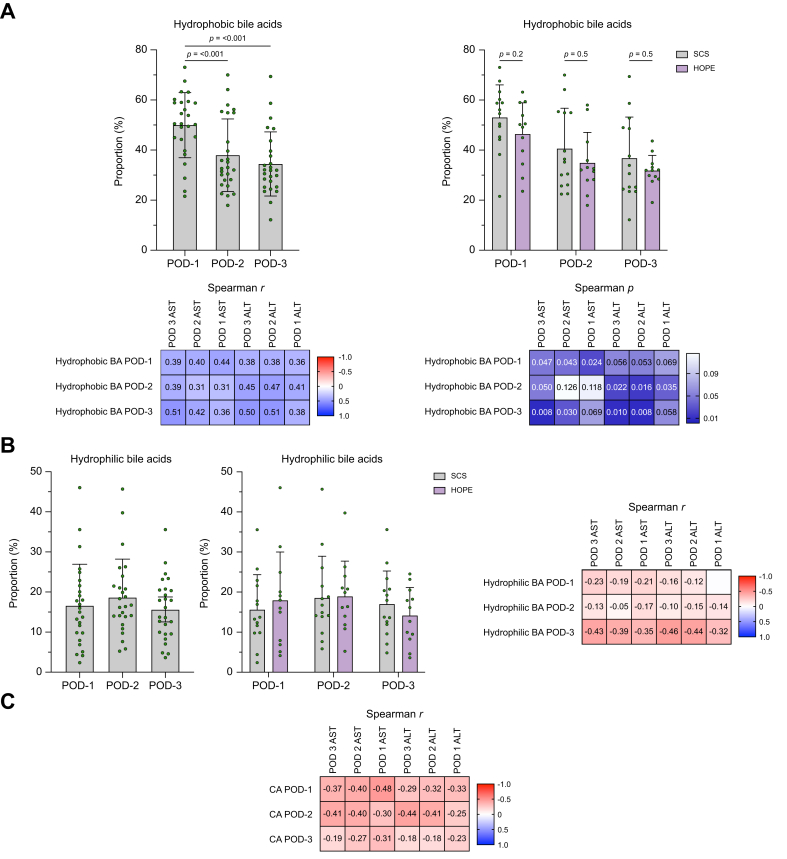 Figure 6
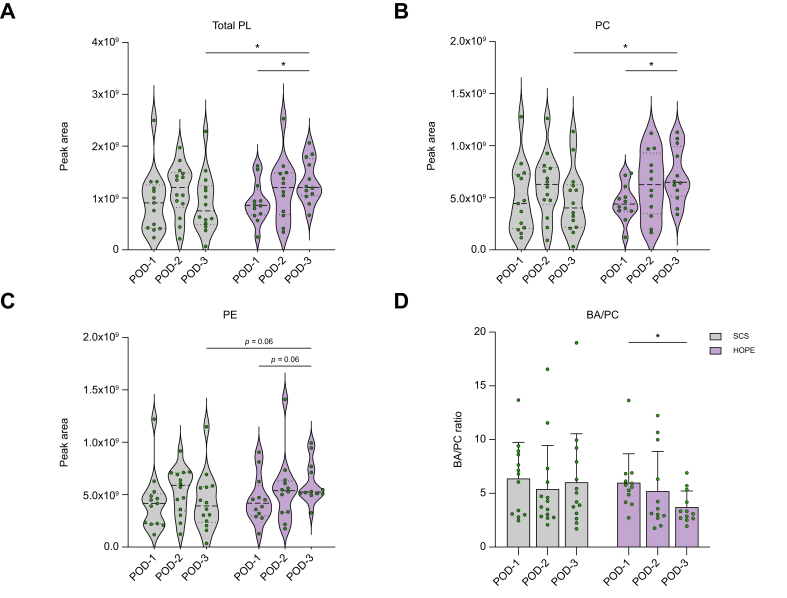 Figure 7
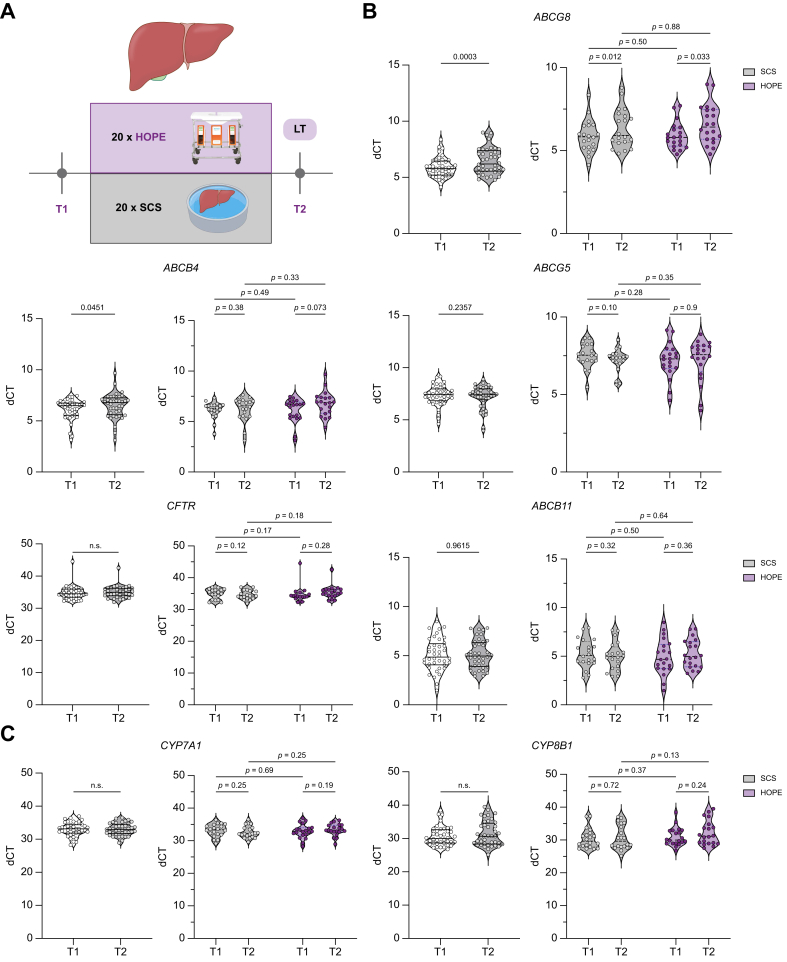 Figure 8
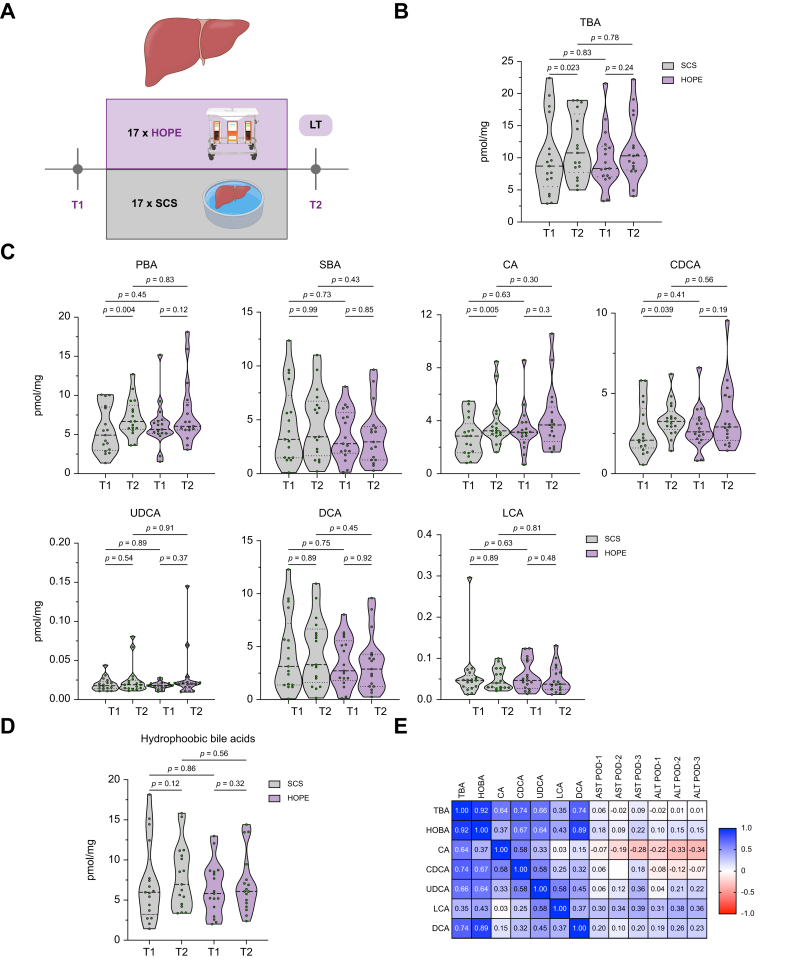 Figure 9
Peer Reviews
No public reviews on file for this paper yet. If you reviewed it on a platform where reviews are public (OpenReview, ICLR, NeurIPS, ICML), you can paste yours below so the community can read it here.
Videos
No videos yet. Explain this paper in a talk, walkthrough, or lecture? Add one.
Taxonomy
TopicsOrgan Transplantation Techniques and Outcomes · Liver Disease and Transplantation · Liver Disease Diagnosis and Treatment