Primary Cutaneous Cribriform Apocrine Carcinoma: A Case Report and Narrative Review
Robyn Okereke, Anthony Linfante

TL;DR
This paper reports a rare skin cancer case and reviews its unique features to distinguish it from more serious cancers.
Contribution
The paper presents a new case of PCCAC and provides a narrative review to clarify its histopathological and immunohistochemical distinctions.
Findings
PCCAC is characterized by cribriform nests and tubules of atypical epithelial cells.
Immunohistochemical staining showed CK7, CK5/6, BER-EP4, CD117, and S100 positivity.
Distinguishing PCCAC from metastatic malignancies is critical for proper diagnosis.
Abstract
Primary Cutaneous Cribriform Apocrine Carcinoma (PCCAC) is a rare, inert low-grade cutaneous malignancy that is diagnosed on histopathologic assessment. PCCAC usually presents in middle-aged adults as a solitary, subcutaneous nodule on the extremities. Characterized by anastomosing tubules and solid/cribriform nests of atypical epithelial cells generating a sieve-like display, the tumor is a histopathological variant of apocrine metaplasia of the skin. PCCAC also follows characteristic staining patterns. It is important to distinguish PCCAC from other similar histological variants, which may hold more grievous indications. A 47-year-old female presented with an enlarging, itchy growth of several months on her back. On physical exam, an indurated pink, nontender papule of 8 mm on the left lateral side wall was noted. Histopathology demonstrated a well-circumscribed, pandermal tumor…
Genes, proteins, chemicals, diseases, species, mutations and cell lines named across the full text — each resolved to its canonical identifier and authoritative record.
Click any figure to enlarge with its caption.
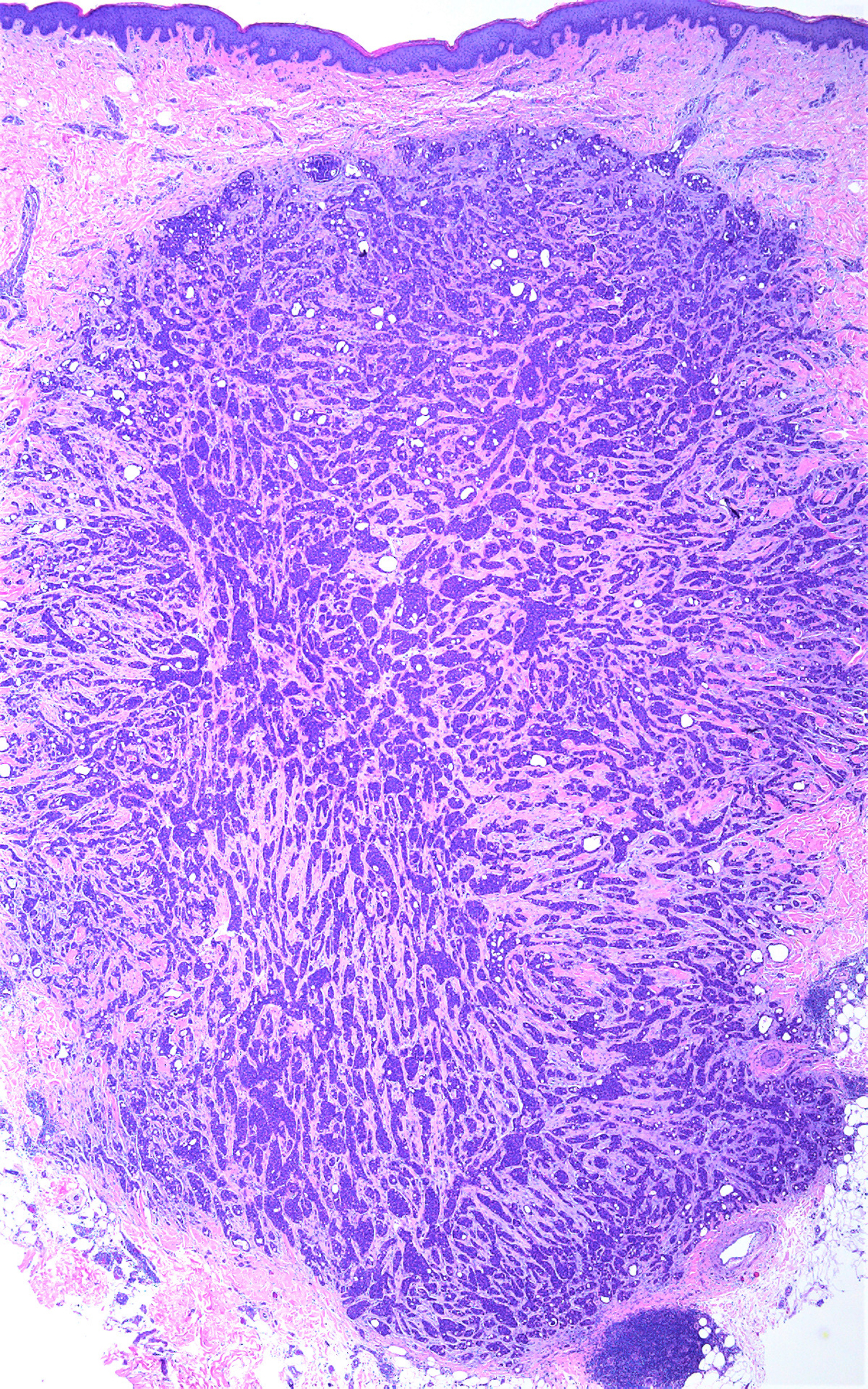 Figure 1
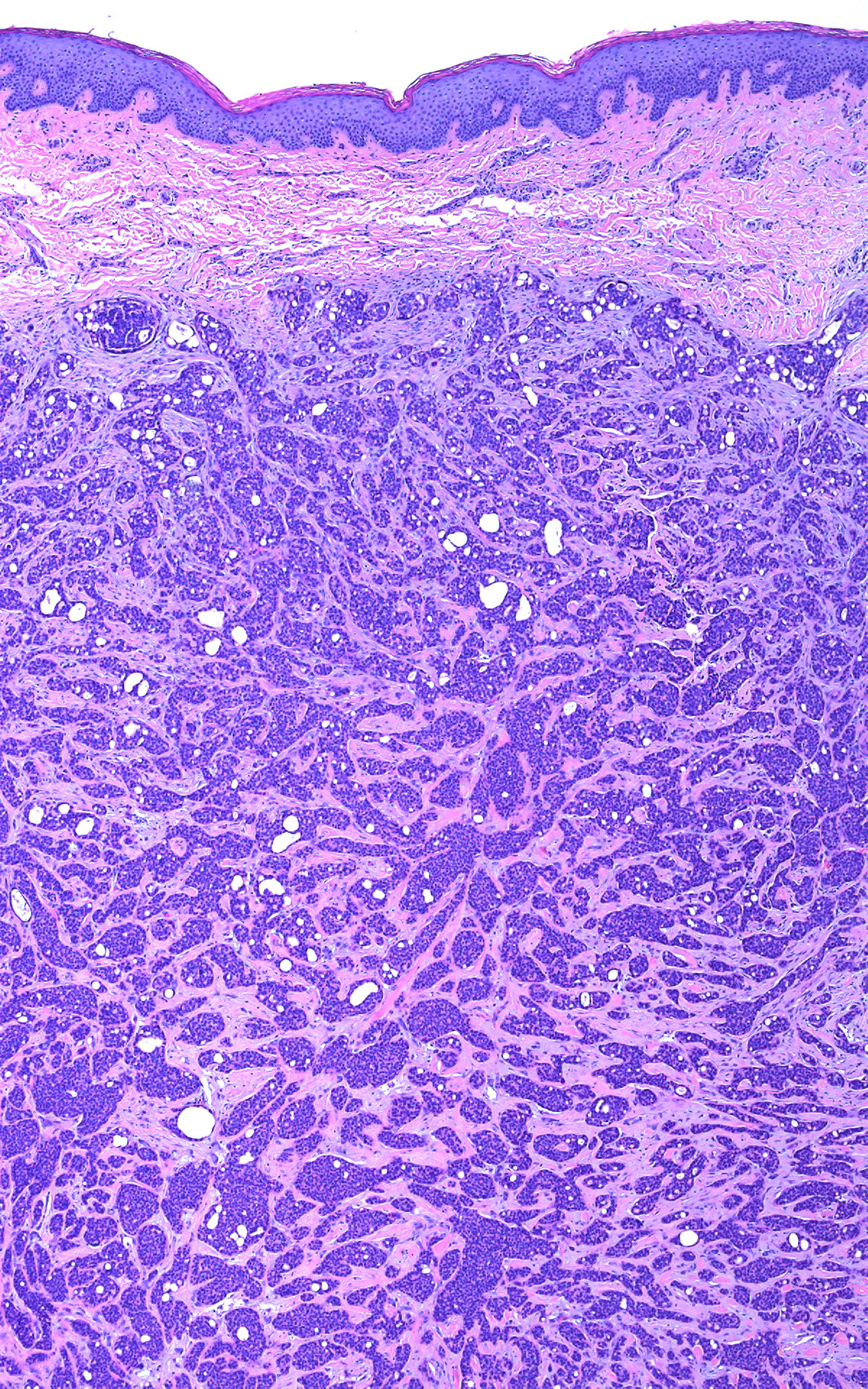 Figure 2
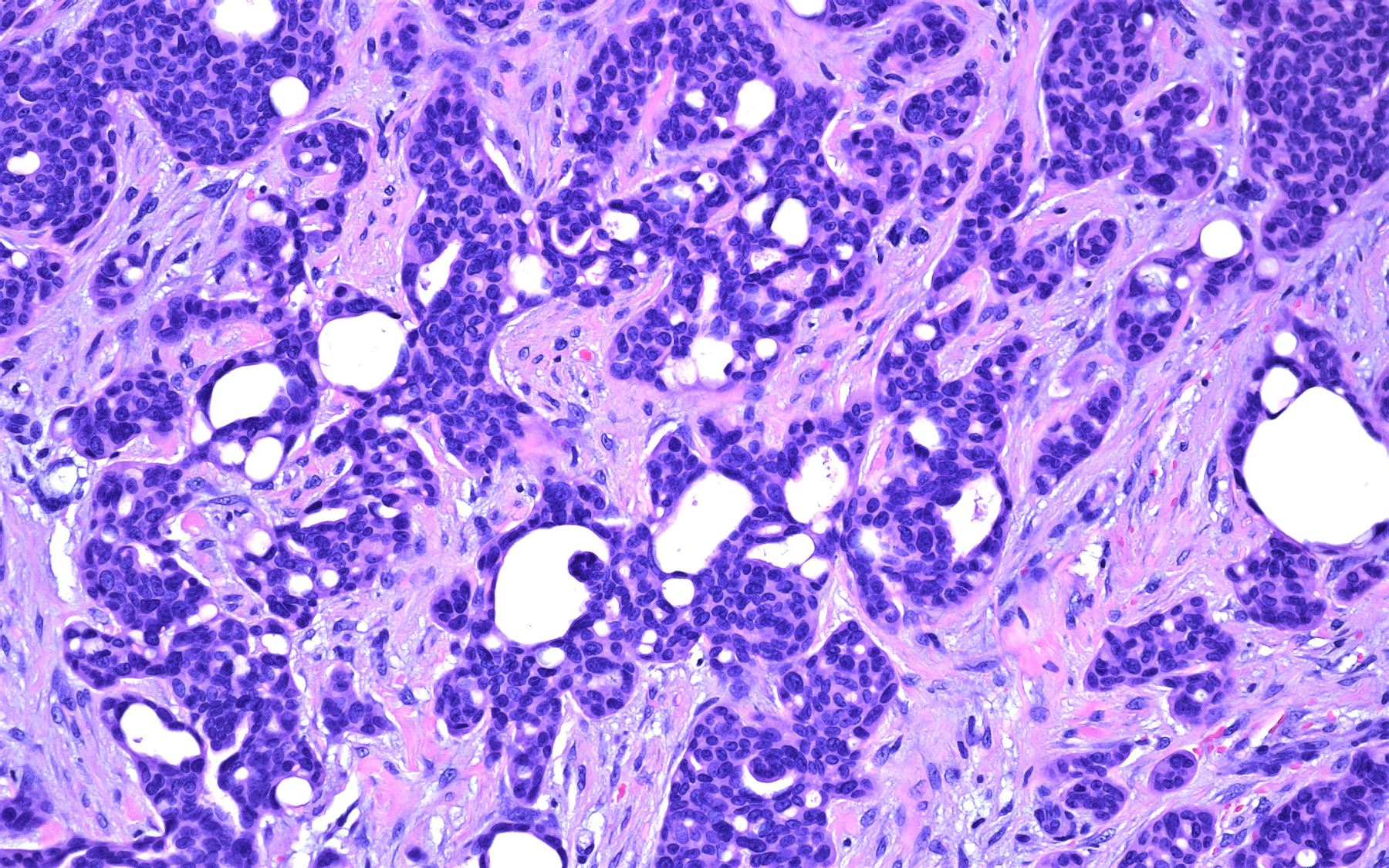 Figure 3
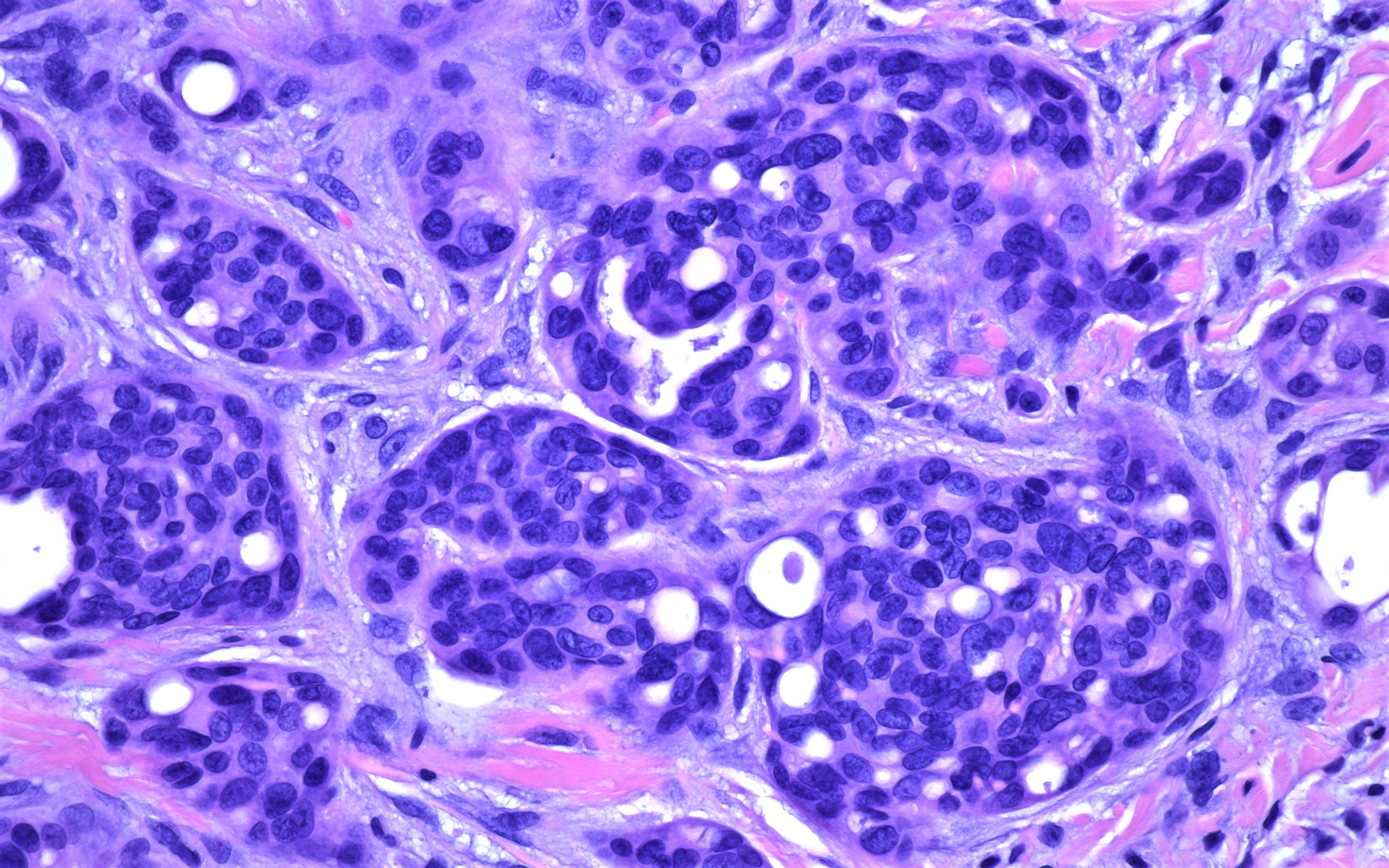 Figure 4
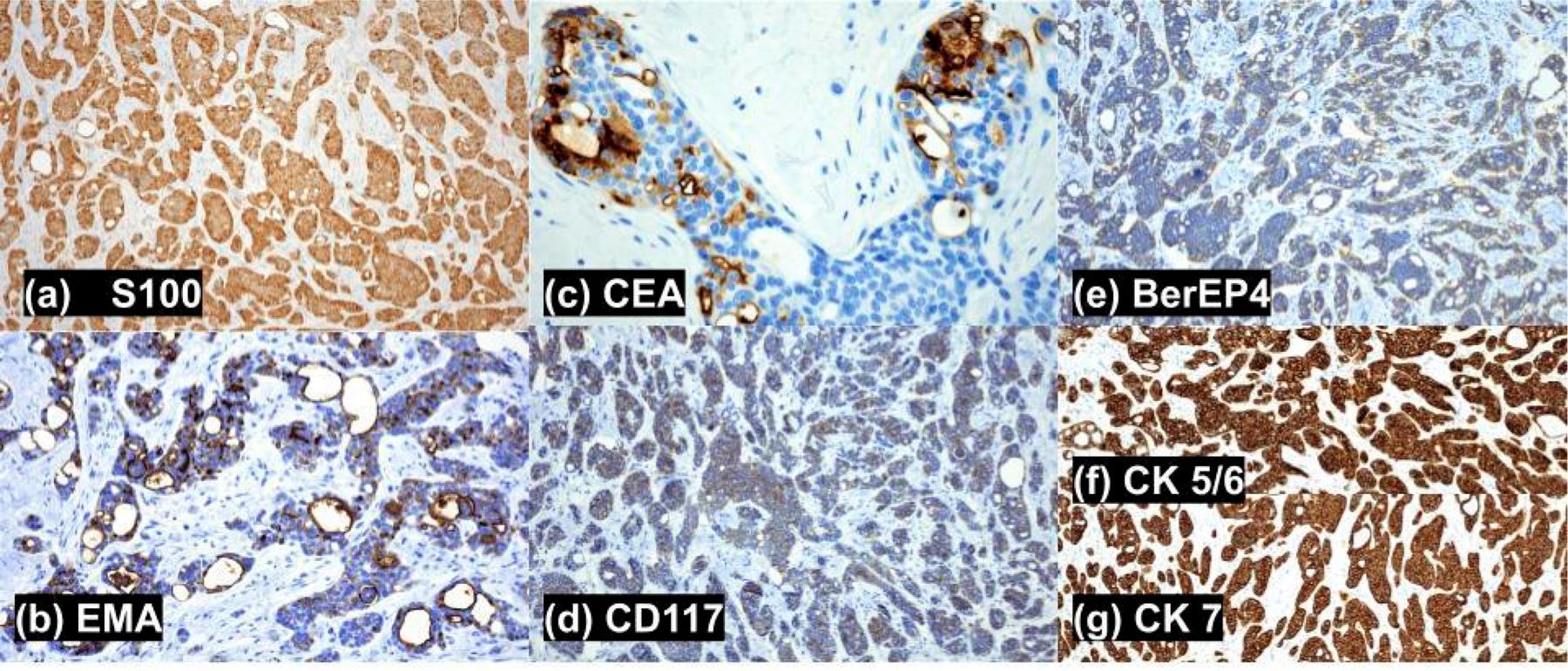 Figure 5
Peer Reviews
No public reviews on file for this paper yet. If you reviewed it on a platform where reviews are public (OpenReview, ICLR, NeurIPS, ICML), you can paste yours below so the community can read it here.
Videos
No videos yet. Explain this paper in a talk, walkthrough, or lecture? Add one.
Taxonomy
TopicsCancer and Skin Lesions · Breast Lesions and Carcinomas · Skin Diseases and Diabetes