Network pharmacology of cellular targets in major depressive disorder and differential mechanisms of fluoxetine, ketamine and esketamine
Silvia Tapia-Gonzalez, Josué García Yagüe, George E. Barreto

TL;DR
This study uses network pharmacology to explore how antidepressants like fluoxetine, ketamine, and esketamine work in major depressive disorder and identifies key molecular targets for improved treatment.
Contribution
The paper introduces a network pharmacology approach to uncover shared and distinct mechanisms of antidepressants and identifies novel therapeutic targets in MDD.
Findings
GSK3B, OPRM1, and EGFR are key druggable targets in MDD.
NFKB is a central regulator linking inflammation, synaptic plasticity, and metabolism in MDD.
Targeted modulation of these genes may improve antidepressant efficacy and treatment strategies.
Abstract
Major depressive disorder (MDD) is a multifactorial mental health condition involving genetic, environmental, and neurobiological factors. Conventional antidepressants such as fluoxetine, a selective serotonin reuptake inhibitor, require weeks to exert therapeutic effects, whereas ketamine and esketamine act rapidly via glutamatergic modulation. These drugs may also converge on the inhibition of glycogen synthase kinase 3 beta (GSK3B) as a key mechanism for their antidepressant effects, increasing neuroplasticity, synaptic transmission, and neuronal survival through upregulation of brain-derived neurotrophic factor (BDNF). Part of the antidepressant effects of ketamine also seems to depend on opioid receptor activation. Despite recent progress, variability in antidepressant response in MDD remains unclear. This work explores, via meta-analysis and network fragility analysis, key…
Genes, proteins, chemicals, diseases, species, mutations and cell lines named across the full text — each resolved to its canonical identifier and authoritative record.
Click any figure to enlarge with its caption.
 Figure 1
 Figure 2
 Figure 3
 Figure 4
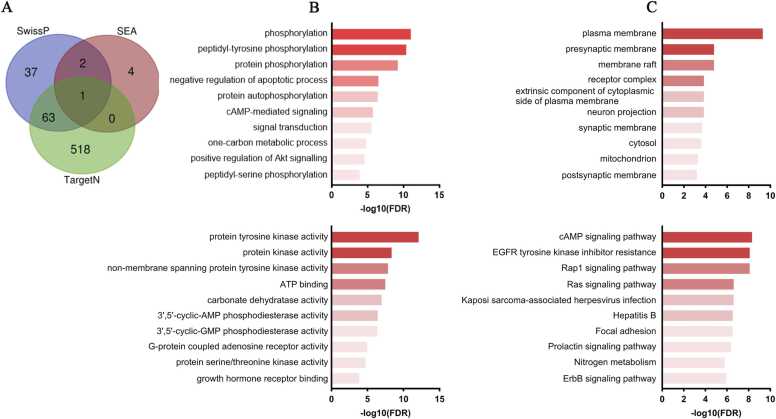 Figure 5
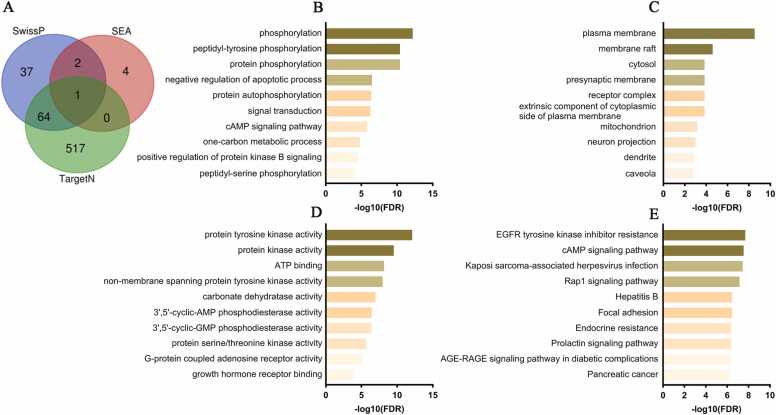 Figure 6
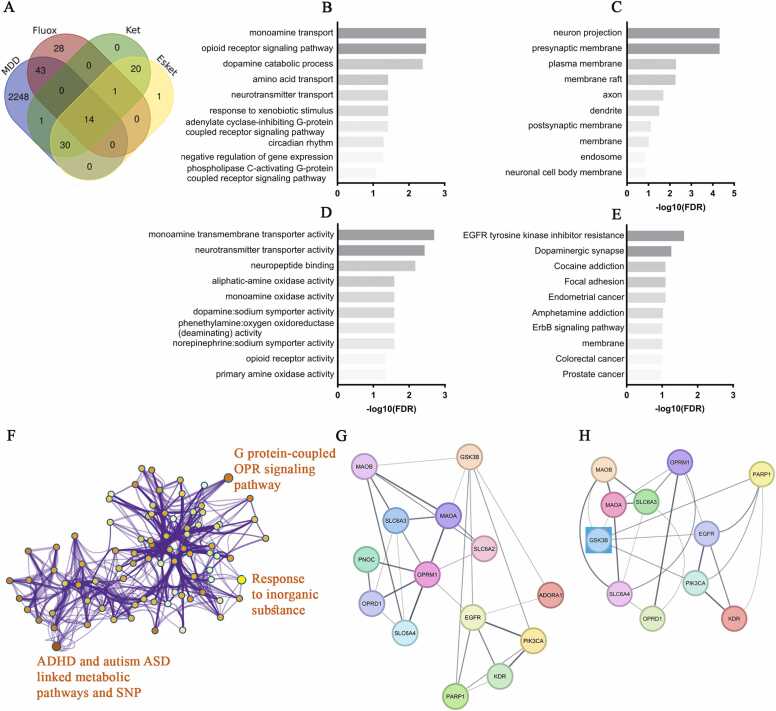 Figure 7
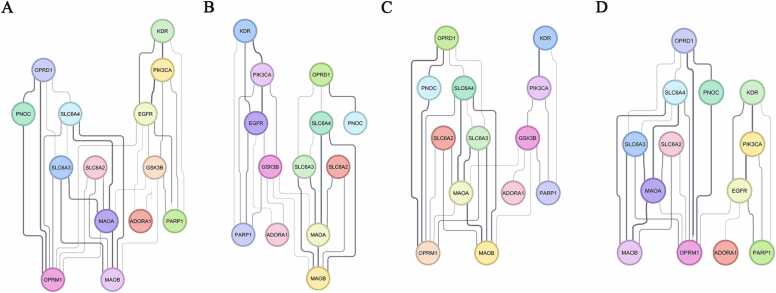 Figure 8
Peer Reviews
No public reviews on file for this paper yet. If you reviewed it on a platform where reviews are public (OpenReview, ICLR, NeurIPS, ICML), you can paste yours below so the community can read it here.
Videos
No videos yet. Explain this paper in a talk, walkthrough, or lecture? Add one.
Taxonomy
TopicsTreatment of Major Depression · Tryptophan and brain disorders · Neurotransmitter Receptor Influence on Behavior