Bimodal Mechanical Response of Membrane Necks: Implications for the Nuclear Envelope
Beatrice J. Geiger, Weria Pezeshkian

TL;DR
This paper explores how membrane necks in structures like the nuclear envelope respond to mechanical forces, revealing a two-phase behavior that could impact cellular function and synthetic membrane design.
Contribution
The study identifies a bimodal mechanical response in membrane necks and provides a simple equation to predict their behavior under tension.
Findings
Membrane necks constrict under low pressure gradients but dilate above a threshold tension.
Neck behavior depends on pressure gradient, initial diameter, and membrane bending rigidity.
Protein complexes in the neck stabilize size while maintaining the two-phase response to tension.
Abstract
Among the fascinating shapes that biomembranes exhibit are stomatocytes with multiple membrane necks, found for example in nuclear membranes and open autophagosomes. These morphologies, characterized by a high topological genus, can be visualized as spherical double membranes connected by neck-like structures. The necks are often occupied by specific biomolecular complexes, such as the nuclear pore complex, which divide the space into three distinct compartments. Understanding how the size of these necks responds to pressure gradients is fundamentally important for deducing the influence of mechanical stimuli on traffic control through the necks, for example, in nuclear mechanosensing. In this work, we use computer simulations and theoretical analysis to investigate how neck size responds to variations in pressure or tension. Our findings demonstrate a two-phase behavior: below a…
Genes, proteins, chemicals, diseases, species, mutations and cell lines named across the full text — each resolved to its canonical identifier and authoritative record.
Click any figure to enlarge with its caption.
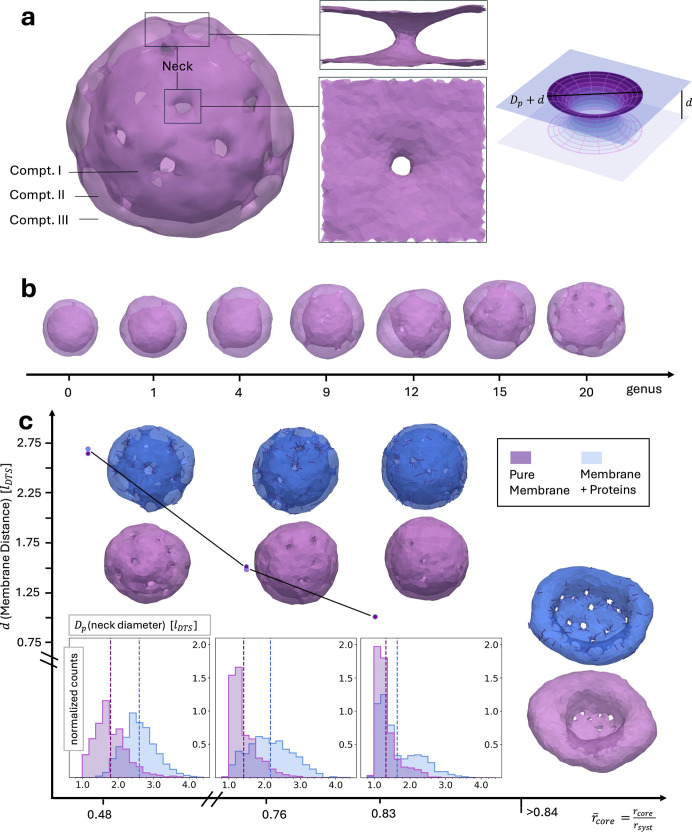 Figure 1
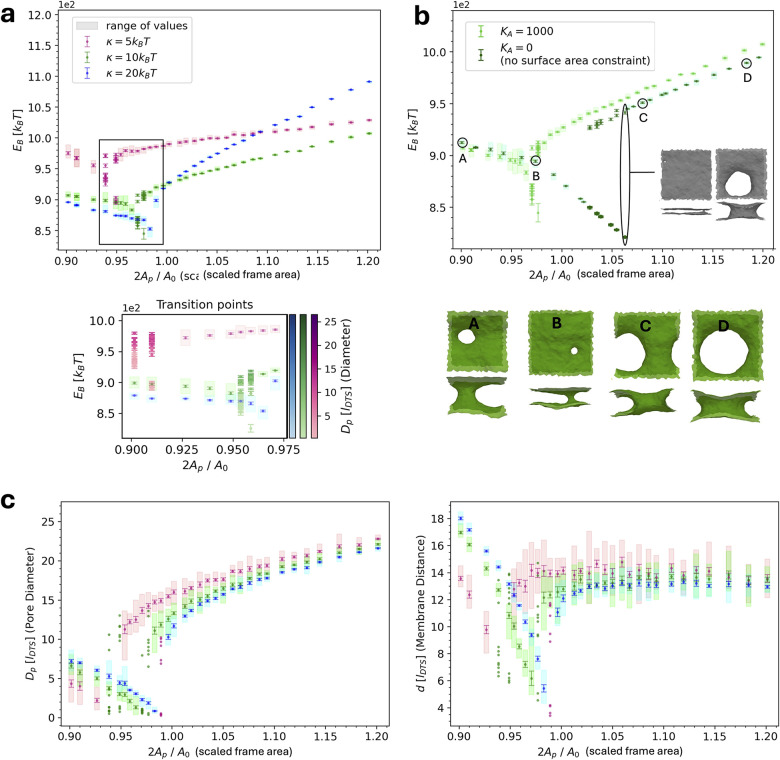 Figure 2
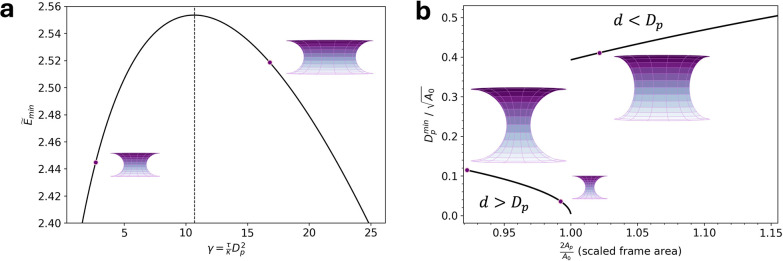 Figure 3
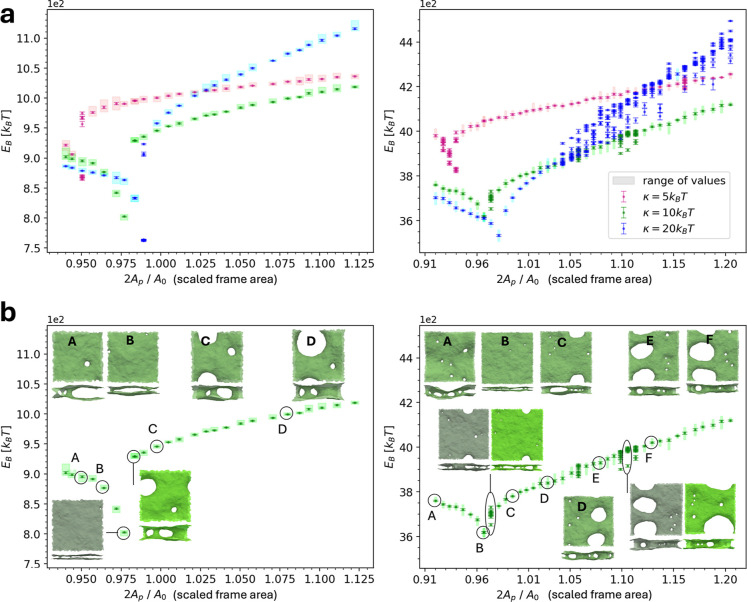 Figure 4
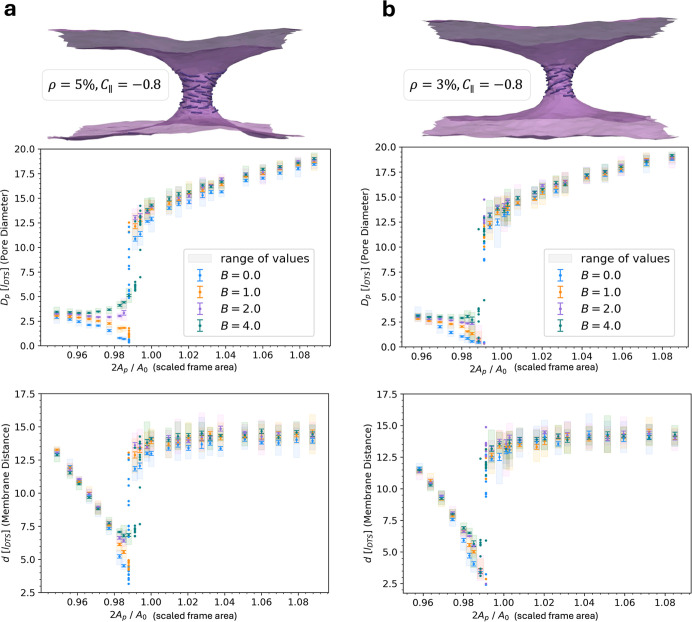 Figure 5
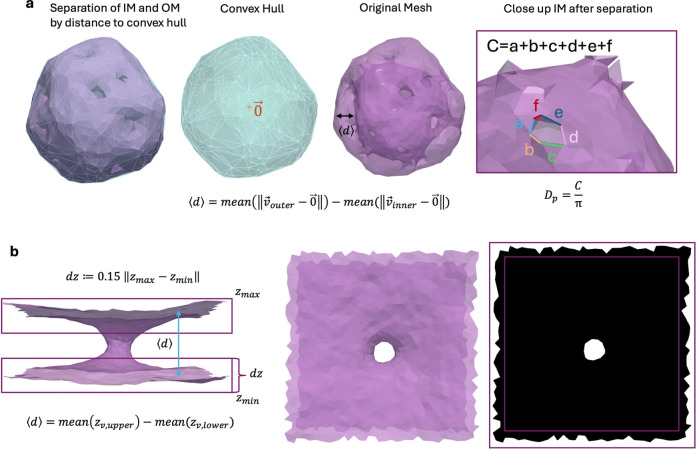 Figure 6
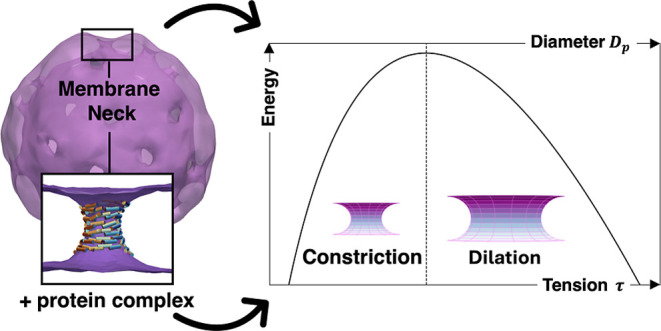 Figure 7
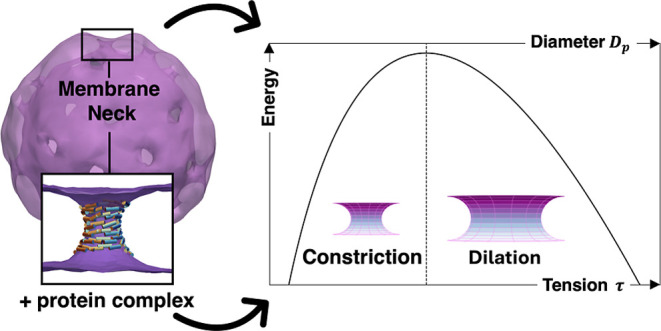 Figure 8
 Figure 9
 Figure 10
 Figure 11
 Figure 12
 Figure 13
 Figure 14
 Figure 15
 Figure 16
 Figure 17
 Figure 18
 Figure 19
 Figure 20
 Figure 21
 Figure 22
 Figure 23
 Figure 24
 Figure 25
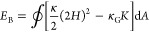 Figure 26
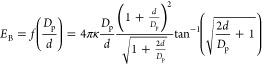 Figure 27
 Figure 28
 Figure 29
 Figure 30
 Figure 31
 Figure 32
 Figure 33
 Figure 34
 Figure 35
 Figure 36
 Figure 37
 Figure 38
 Figure 39
 Figure 40
 Figure 41
 Figure 42
 Figure 43
 Figure 44
 Figure 45
 Figure 46
 Figure 47
 Figure 48
 Figure 49
 Figure 50
Peer Reviews
No public reviews on file for this paper yet. If you reviewed it on a platform where reviews are public (OpenReview, ICLR, NeurIPS, ICML), you can paste yours below so the community can read it here.
Videos
No videos yet. Explain this paper in a talk, walkthrough, or lecture? Add one.
Taxonomy
TopicsNuclear Structure and Function · Lipid Membrane Structure and Behavior · Force Microscopy Techniques and Applications