Association Between the Dutch Mediterranean‐Dietary Approaches to Stop Hypertension Intervention for Neurodegenerative Delay (MIND‐NL) Diet Adherence and Systemic Tryptophan Metabolites in Older Adults at Risk of Cognitive Decline: An Exploratory Study
Sonja Beers, Lisette C. P. G. M. de Groot, Mark R. van Loenen, Lianne B. Remie, Mechteld Grootte Bromhaar, Andrea Anesi, Urska Vrhovsek, Joukje M. Oosterman, Esther Aarts, Mara P. H. van Trijp, Yannick Vermeiren

TL;DR
Following the MIND diet may improve brain health in older adults at risk of cognitive decline by altering tryptophan metabolism.
Contribution
This study explores how adherence to the MIND diet affects systemic tryptophan metabolites linked to neurodegeneration.
Findings
Greater MIND diet adherence was associated with lower quinolinic acid levels.
Diet adherence was linked to reduced kynurenine:tryptophan ratios.
Diet changes inversely correlated with kynurenine:large neutral amino acids ratios.
Abstract
Tryptophan (TRP) metabolism is emerging as a focus of investigation in Alzheimer's disease research. In addition, diet might impact TRP's metabolic fate. The aim of this study was to explore the association between adherence to the Dutch Mediterranean‐Dietary Approaches to Stop Hypertension (DASH) Intervention for Neurodegenerative Delay (MIND‐NL) diet and systemic TRP metabolite levels and their related ratios in older adults at risk of cognitive decline. Data of the HELI multidomain lifestyle intervention study (n = 82) were used. Dietary intake data (FFQ) and fasted plasma levels were collected at baseline and 26 weeks follow‐up. Bivariate Latent Change Score Models (LCSMs) were applied to assess both level‐level and change‐change associations, adjusted for lifestyle factors. Changes in MIND‐NL diet adherence were significantly inversely associated with changes in the…
Genes, proteins, chemicals, diseases, species, mutations and cell lines named across the full text — each resolved to its canonical identifier and authoritative record.
Click any figure to enlarge with its caption.
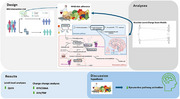 Figure 1
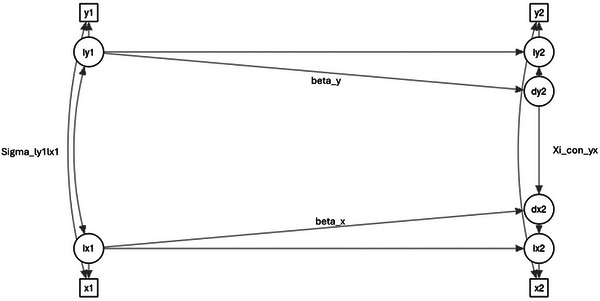 Figure 2
Peer Reviews
No public reviews on file for this paper yet. If you reviewed it on a platform where reviews are public (OpenReview, ICLR, NeurIPS, ICML), you can paste yours below so the community can read it here.
Videos
No videos yet. Explain this paper in a talk, walkthrough, or lecture? Add one.
Taxonomy
TopicsTryptophan and brain disorders · Nutritional Studies and Diet · Health, Environment, Cognitive Aging