Perceptions of Resident Autonomy and Decision-Making Opportunities on Pediatric Hospital Medicine Teams
Madison Archer, Rena Kasick, Karen Allen, Laura Piper, Nicole Washington, Marquita Genies, Heather Toth, Mohammed Najjar, Michael Weisgerber, Matthew Molloy, Austin Ostermeier, Ndidi Unaka

TL;DR
This study explores how much autonomy resident physicians have in making medical decisions on pediatric hospital teams and compares perceptions between residents and attending physicians.
Contribution
The study provides new insights into perceived resident autonomy in pediatric training, highlighting discrepancies in antimicrobial choice and patient/family communication.
Findings
There was general agreement between residents and attendings on autonomy levels for most decisions.
Residents and attendings differed significantly in perceptions of autonomy for antimicrobial choice.
Discrepancies were also found in addressing patient and family concerns.
Abstract
Providing autonomy to resident physicians is critical to their professional development. However, opportunities to foster entrustment, and thereby resident-led medical decision making, are often limited in pediatric training. We sought to examine attending physicians' and residents' perceptions of resident autonomy on inpatient pediatric wards with regard to specific medical decisions and patient-care tasks. We conducted a cross-sectional study of pediatric residents and attendings at five academic medical centers in the United States (US): Cincinnati Children’s Hospital Medical Center, Cincinnati, OH; Nationwide Children’s Hospital, Columbus, OH; Children's Hospital of Philadelphia, Philadelphia, PA; Johns Hopkins Children’s Center, Baltimore, MD; and Children’s Wisconsin, Milwaukee, WI. Respondents completed an eight-item survey that rated the percentage of time residents were given…
Genes, proteins, chemicals, diseases, species, mutations and cell lines named across the full text — each resolved to its canonical identifier and authoritative record.
Click any figure to enlarge with its caption.
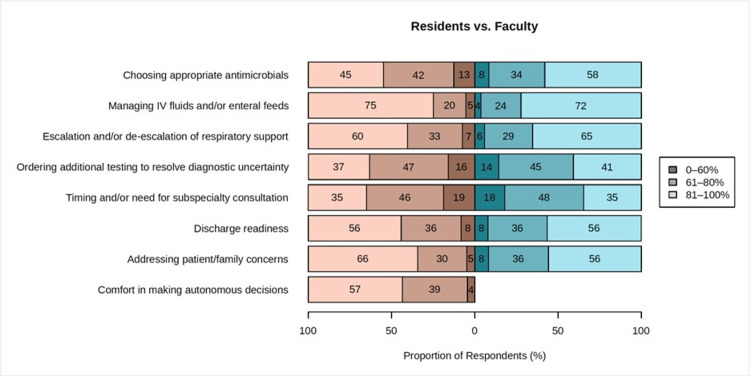 Figure 1
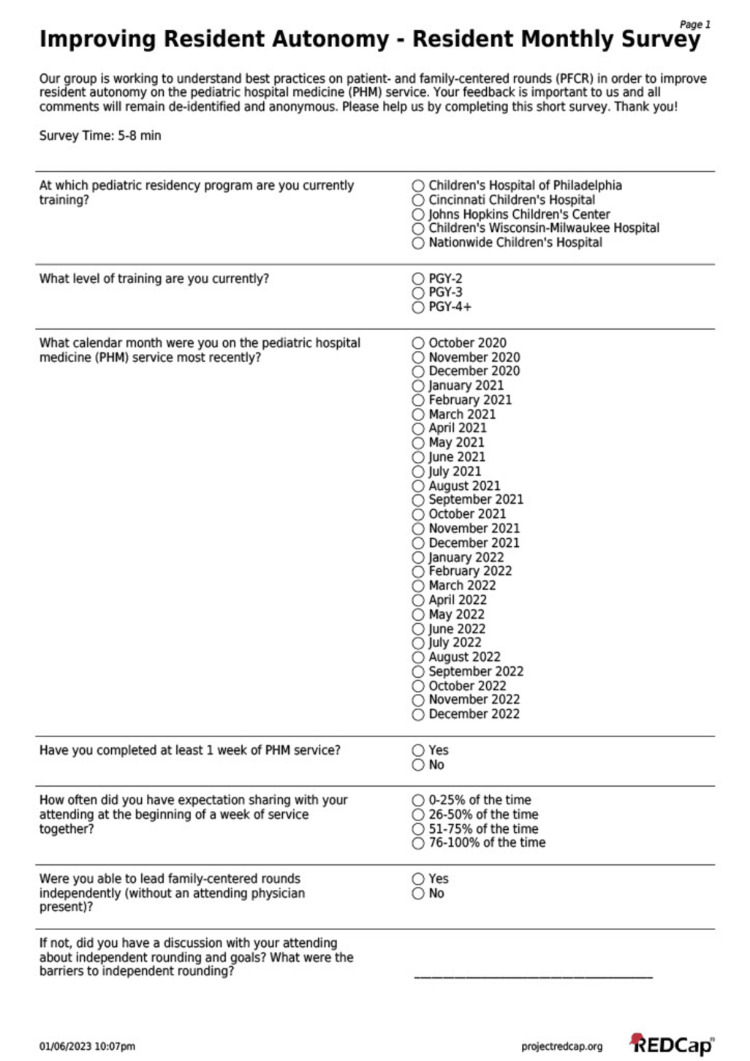 Figure 2
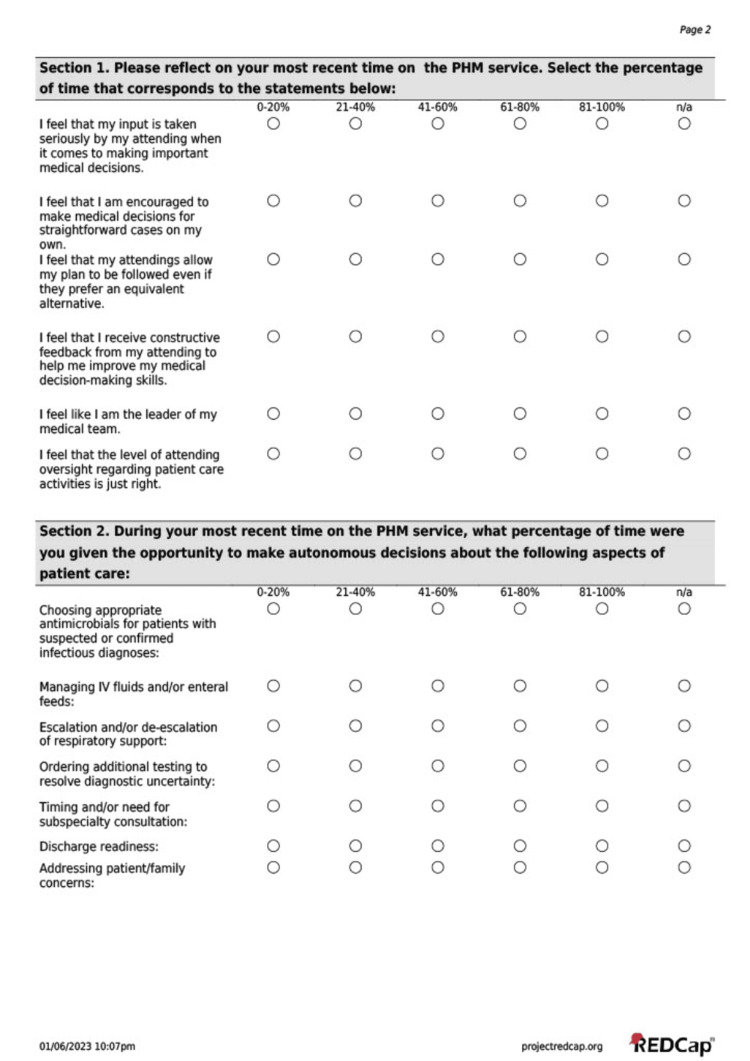 Figure 3
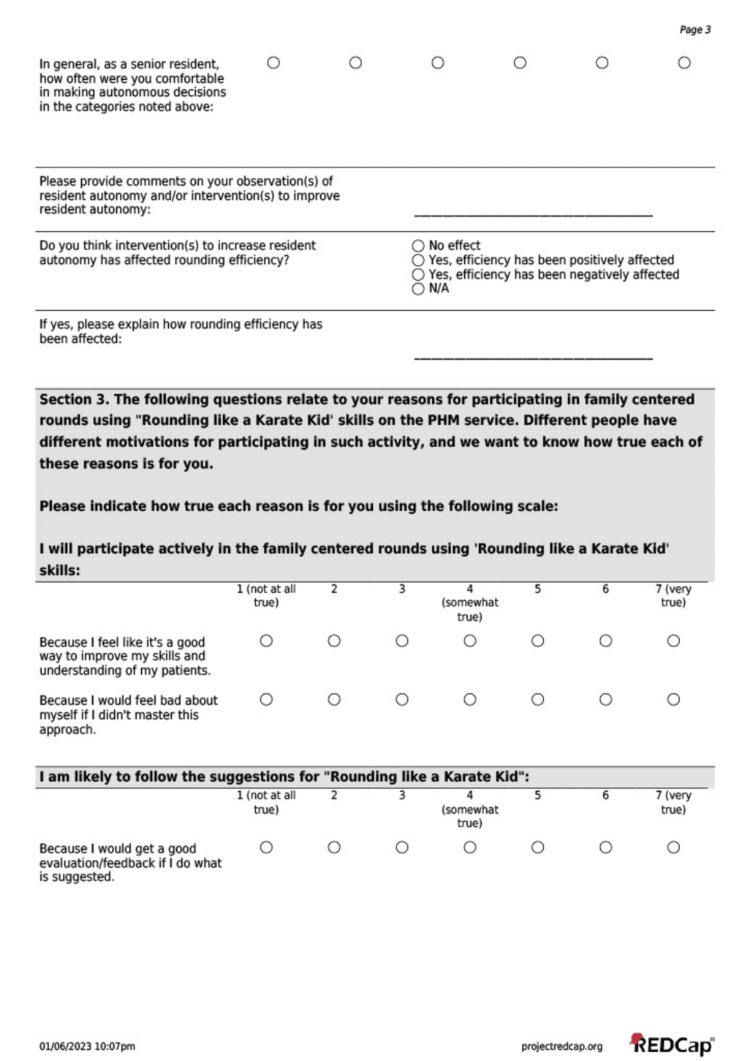 Figure 4
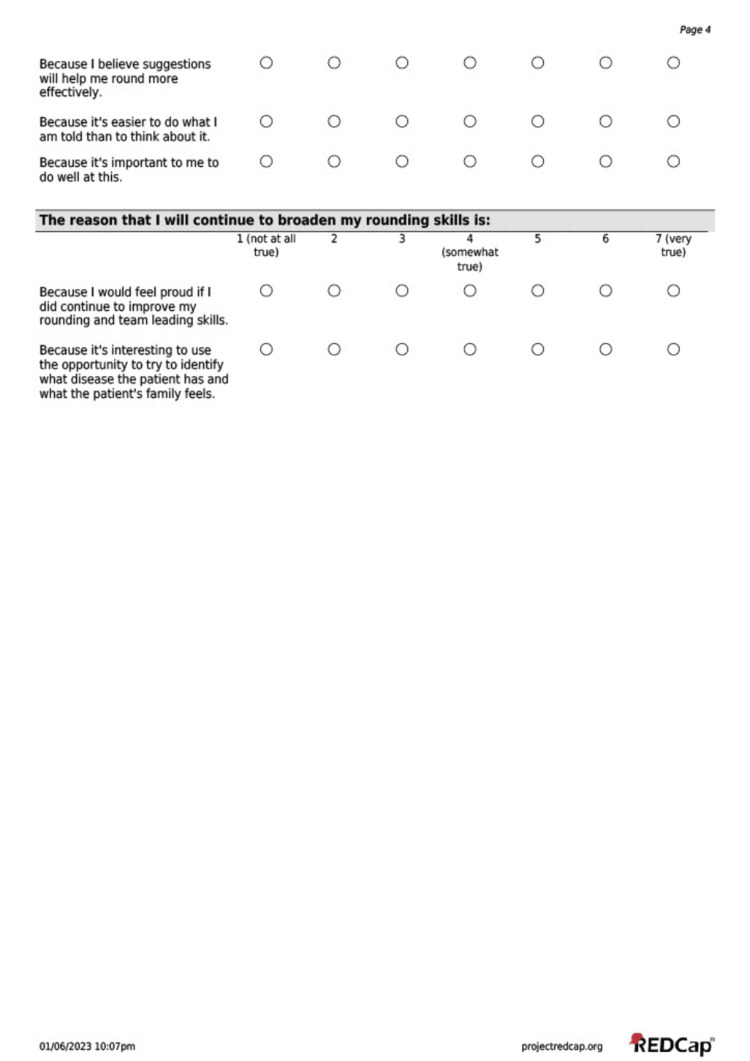 Figure 5
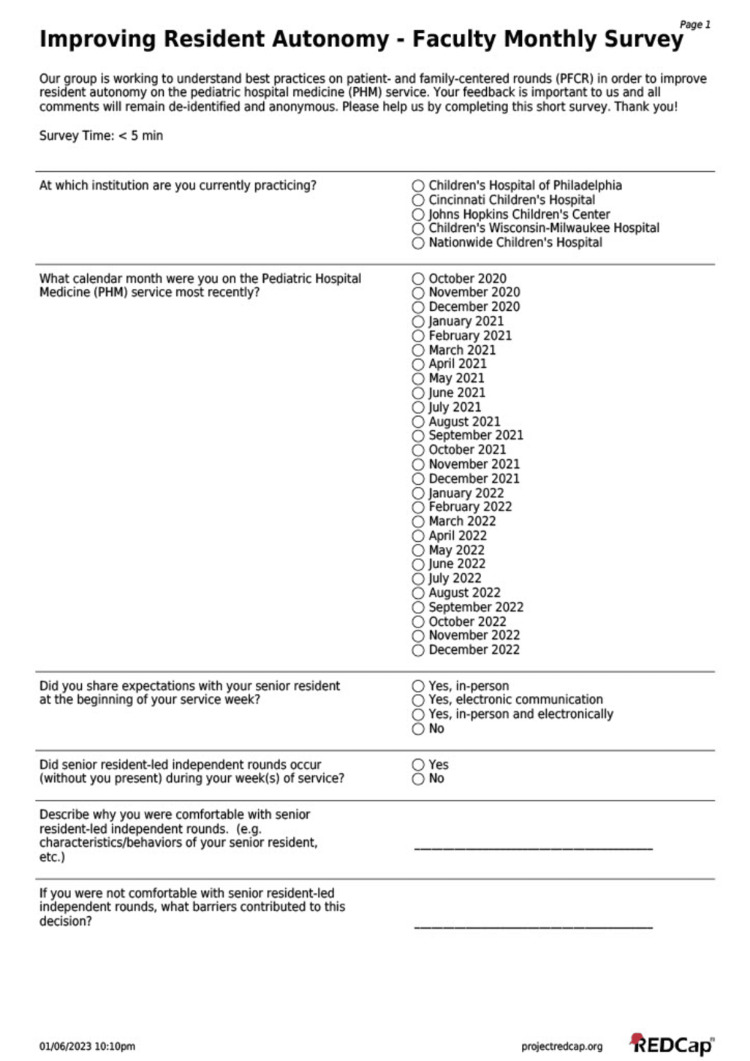 Figure 6
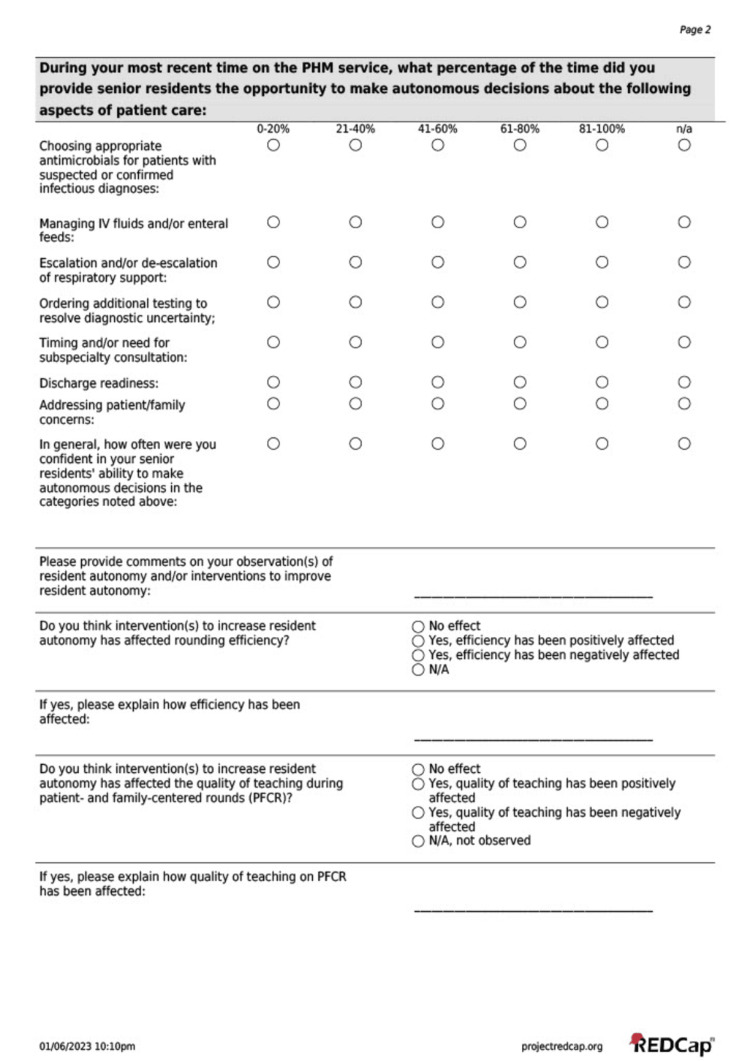 Figure 7
 Figure 8
Peer Reviews
No public reviews on file for this paper yet. If you reviewed it on a platform where reviews are public (OpenReview, ICLR, NeurIPS, ICML), you can paste yours below so the community can read it here.
Videos
No videos yet. Explain this paper in a talk, walkthrough, or lecture? Add one.
Taxonomy
TopicsInnovations in Medical Education · Ethics and Legal Issues in Pediatric Healthcare · Patient-Provider Communication in Healthcare