Rod-Cone Dystrophy Related WDR34 Is Essential for Ciliary Integrity and Survival of Mammalian Photoreceptor Cells
Rong Zou, Jinrui Cai, Lin Fan, Luning Liu, Can Chen, Guangyi Chen, Xian Yang, Kuanxiang Sun, Xianjun Zhu

TL;DR
This study shows that WDR34 is crucial for the survival of photoreceptor cells in the retina and that its deficiency leads to retinal degeneration, which can be slowed with gene therapy.
Contribution
The study reveals the in vivo role of WDR34 in photoreceptor maintenance and demonstrates the therapeutic potential of WDR34 gene supplementation.
Findings
Wdr34 deficiency in rod photoreceptors causes progressive cell degeneration and reduced scotopic ERG responses.
Cone-specific Wdr34 ablation leads to impaired photopic ERG responses and cone cell death.
Gene therapy with WDR34 preserved photoreceptor structure and function in knockout mice.
Abstract
The photoreceptor outer segment is a highly specialized ciliary structure essential for phototransduction, rendering photoreceptors especially vulnerable to ciliary dysfunction. WDR34, a key component of the retrograde intraflagellar transport machinery, has been implicated in rod-cone dystrophy. However, the pathogenic mechanisms linking WDR34 deficiency to photoreceptor degeneration remain elusive. In this study we aim to investigate the in vivo function of Wdr34 in the photoreceptor cells using conditional knockout allele of Wdr34. We generated retina-specific Wdr34 knockout mice using rod-specific and cone-specific drivers to investigate the in vivo roles of WDR34 in photoreceptor maintenance. Wdr34 deficiency in rod photoreceptors resulted in progressive rod cell degeneration accompanied by a marked decline in scotopic electroretinography (ERG) responses. Similarly, cone-specific…
Genes, proteins, chemicals, diseases, species, mutations and cell lines named across the full text — each resolved to its canonical identifier and authoritative record.
Click any figure to enlarge with its caption.
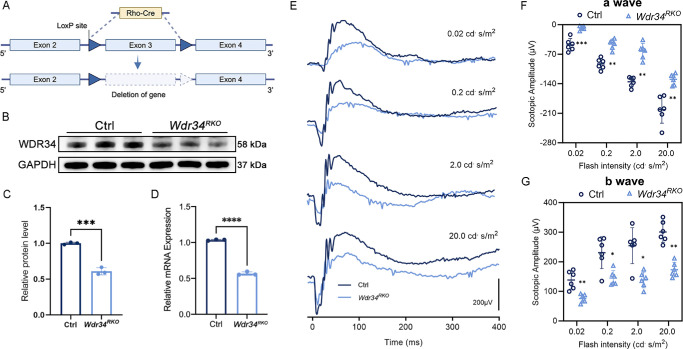 Figure 1
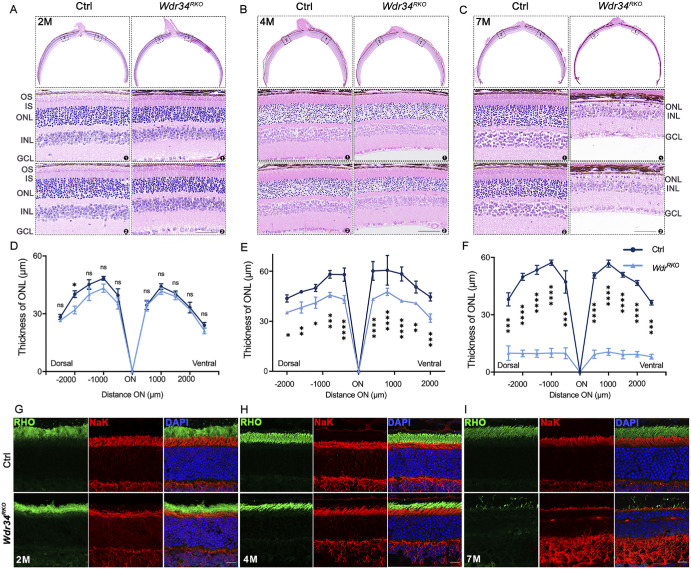 Figure 2
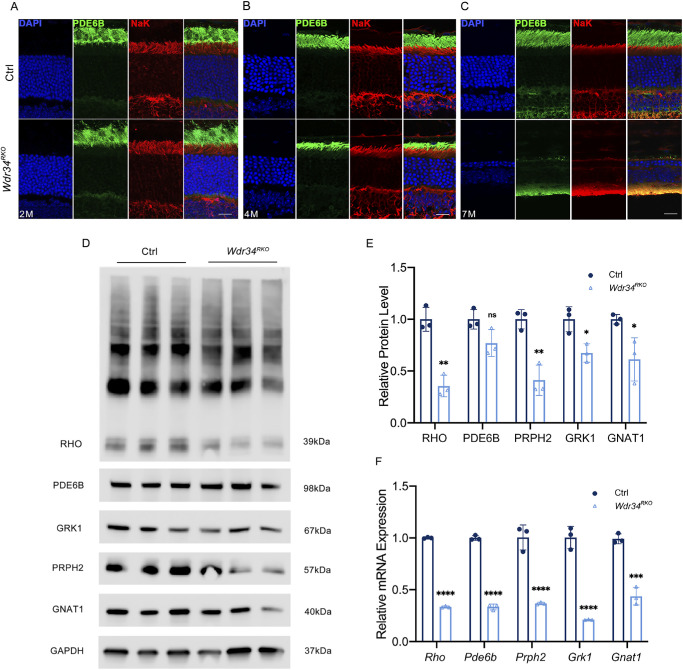 Figure 3
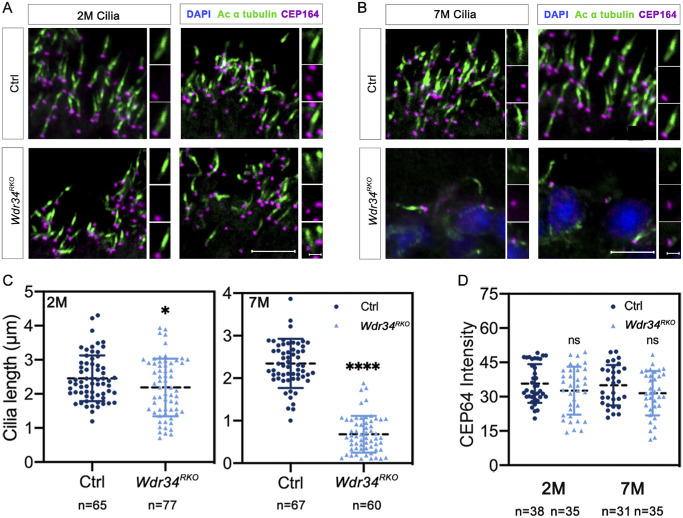 Figure 4
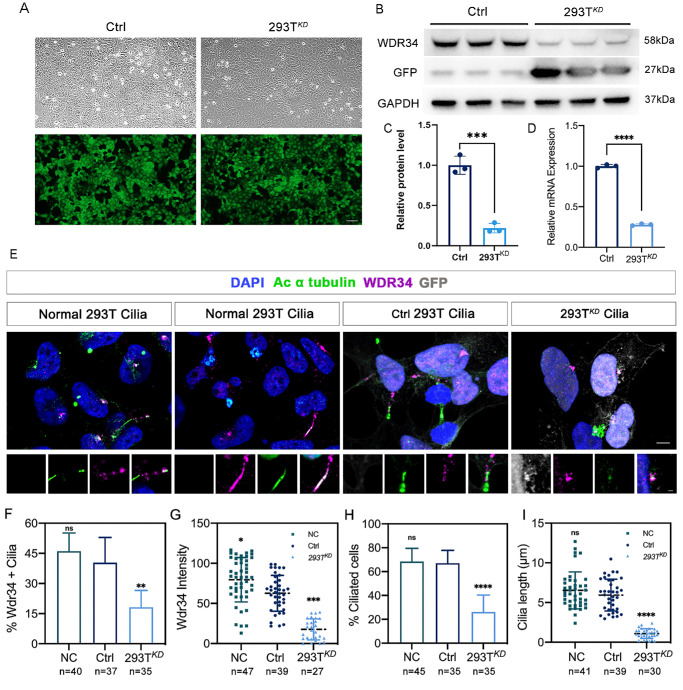 Figure 5
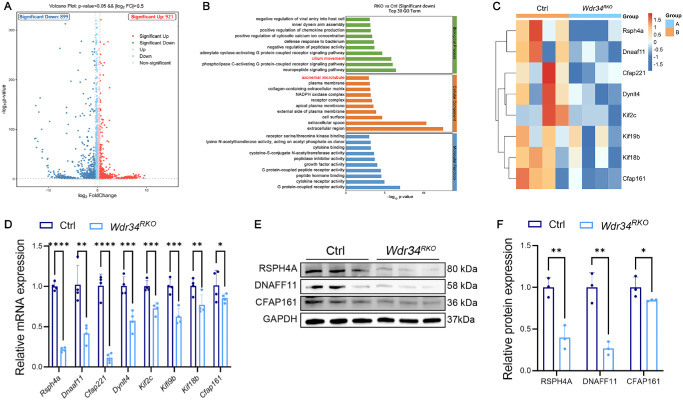 Figure 6
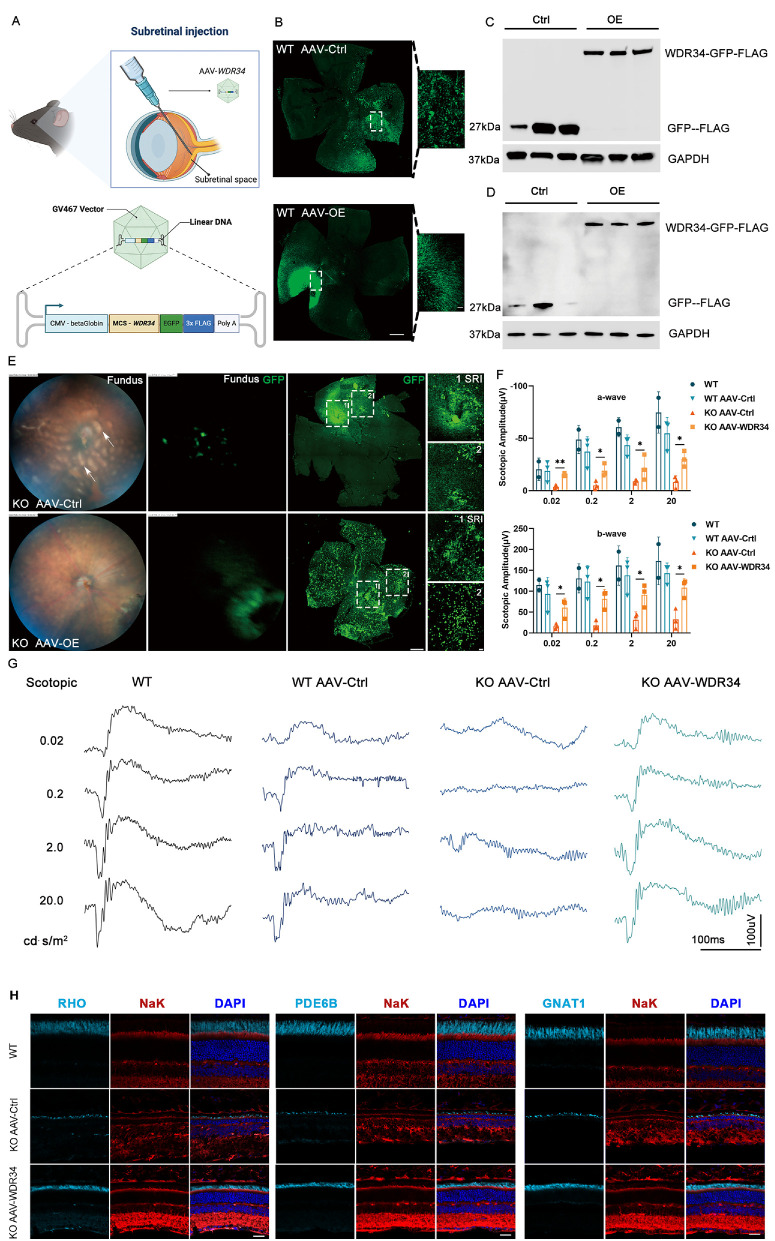 Figure 7
Peer Reviews
No public reviews on file for this paper yet. If you reviewed it on a platform where reviews are public (OpenReview, ICLR, NeurIPS, ICML), you can paste yours below so the community can read it here.
Videos
No videos yet. Explain this paper in a talk, walkthrough, or lecture? Add one.
Taxonomy
TopicsRetinal Development and Disorders · Genetic and Kidney Cyst Diseases · Amino Acid Enzymes and Metabolism