Preparation of Microcapsules Using a Poly(2-(dimethylamino)ethyl methacrylate)‑b‑poly(benzyl methacrylate) Diblock Copolymer Emulsifier
Viktor Kallebäck, Csilla György, Gustav Eriksson, Steven P. Armes, Markus L. Andersson Trojer, Lars Evenäs

TL;DR
This paper introduces a new diblock copolymer that efficiently stabilizes microcapsules with different structures and improves formulation efficiency.
Contribution
A novel PDMA–PBzMA diblock copolymer is proposed as an efficient emulsifier for microcapsule preparation.
Findings
The PDMA–PBzMA copolymer enables the creation of microcapsules with excellent colloidal stability and shell integrity.
PBzMA microcapsules showed exceptionally slow release of the hydrophobic model active pyrene.
The PBzMA shell matrix acts as the primary factor limiting the release rate of encapsulated species.
Abstract
Most encapsulation techniques require suitable polymers or surfactants to stabilize the microcapsule suspension. Typically, such stabilizers are present in excess in the aqueous continuous phase. In this study, the use of a poly(2-(dimethylamino)ethyl methacrylate)-poly(benzyl methacrylate) (PDMA–PBzMA) diblock copolymer is examined as an efficient stabilizer for the preparation of three types of methacrylic microcapsules with different morphologies. Unlike conventional water-soluble stabilizers, this amphiphilic copolymer is dissolved directly in the dispersed organic phase. This approach minimizes the amount of stabilizer present in the aqueous continuous phase and hence maximizes the formulation efficiency. This new PDMA–PBzMA stabilizer enables either poly(benzyl methacrylate) (PBzMA) or poly(methyl methacrylate) (PMMA) microcapsules to be prepared with excellent colloidal…
Genes, proteins, chemicals, diseases, species, mutations and cell lines named across the full text — each resolved to its canonical identifier and authoritative record.
Click any figure to enlarge with its caption.
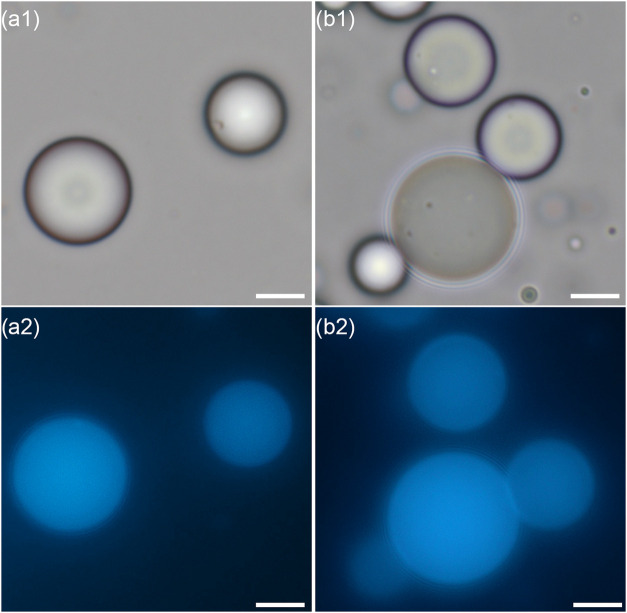 Figure 1
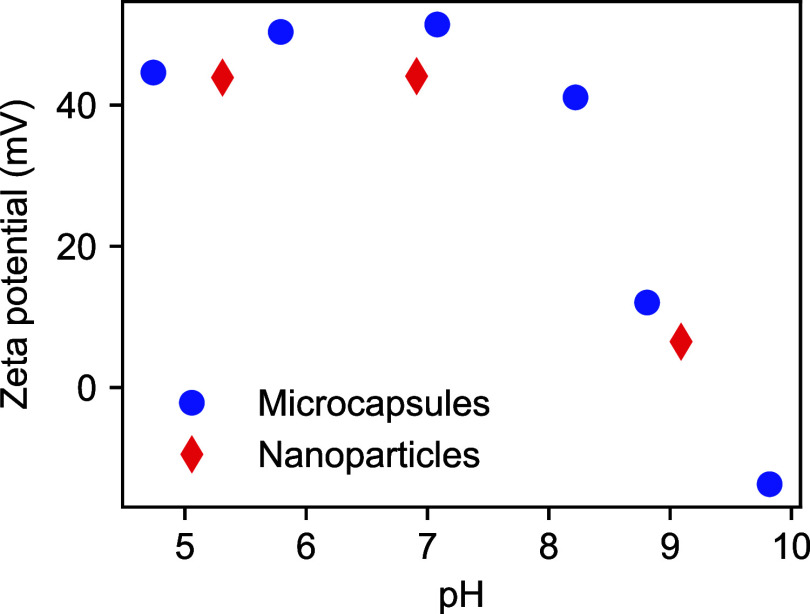 Figure 2
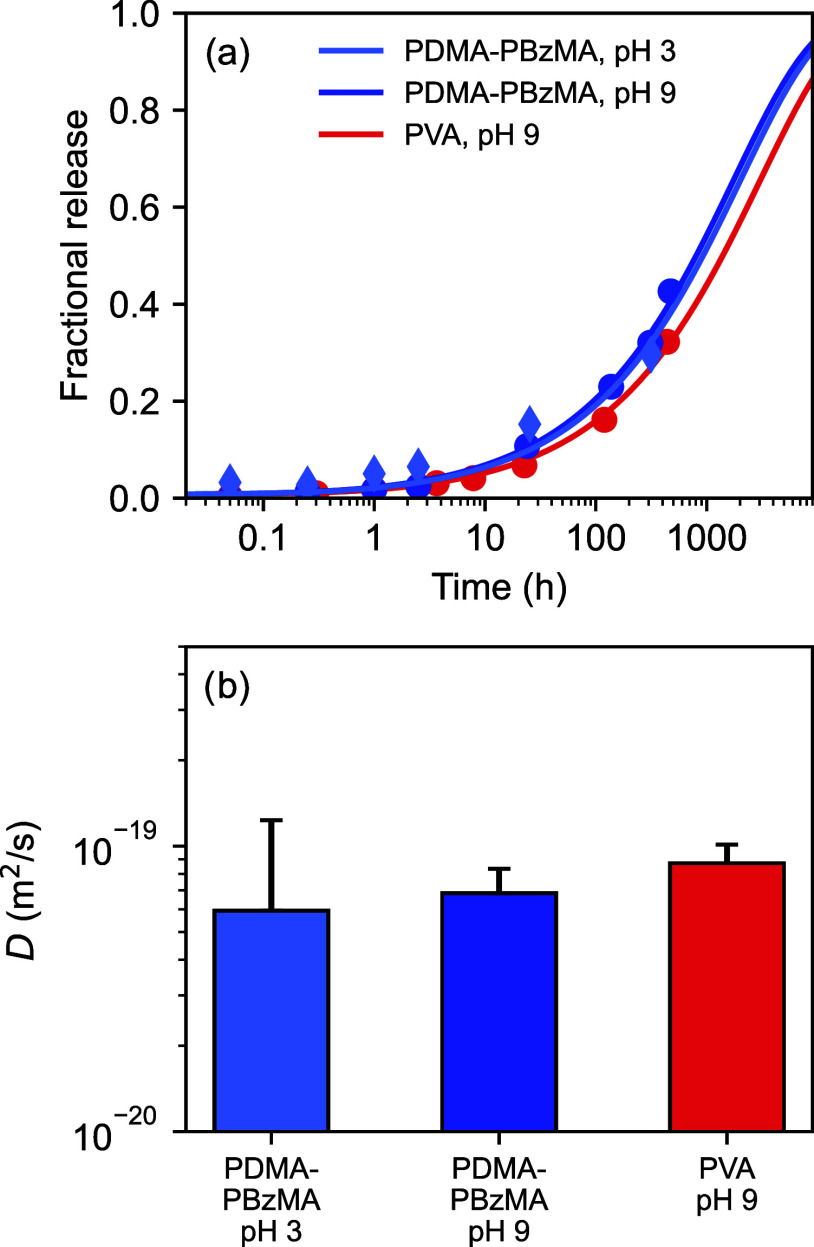 Figure 3
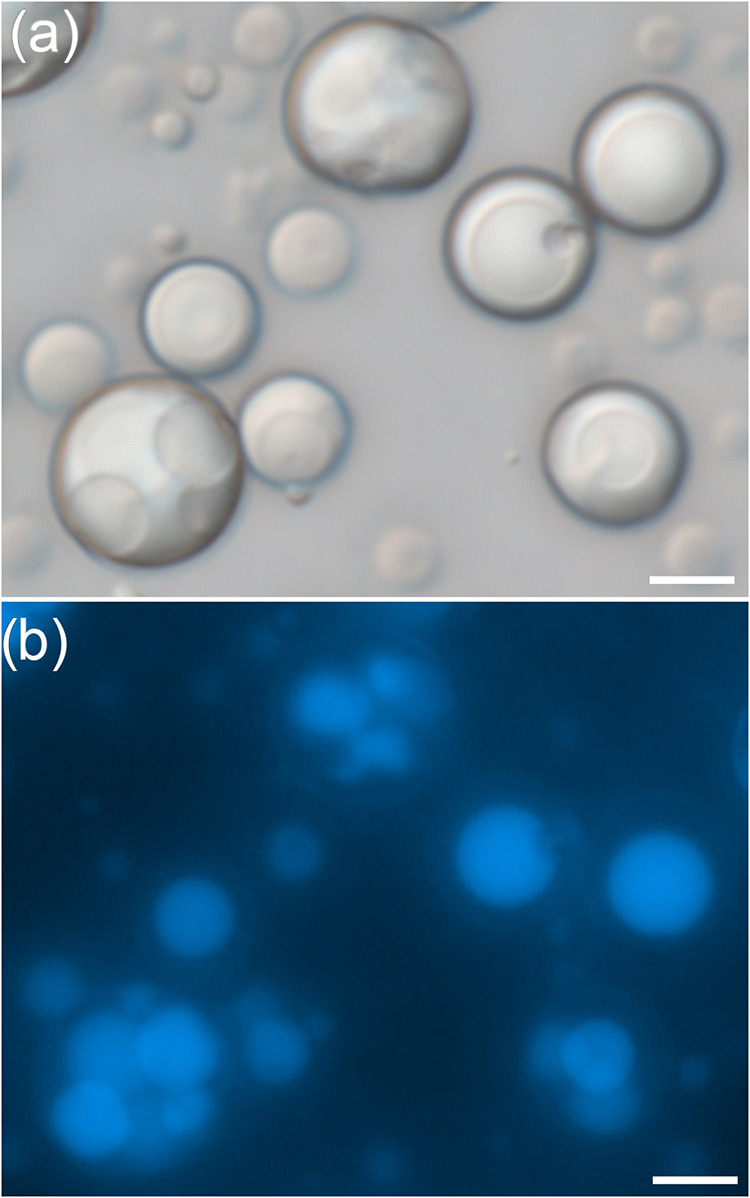 Figure 4
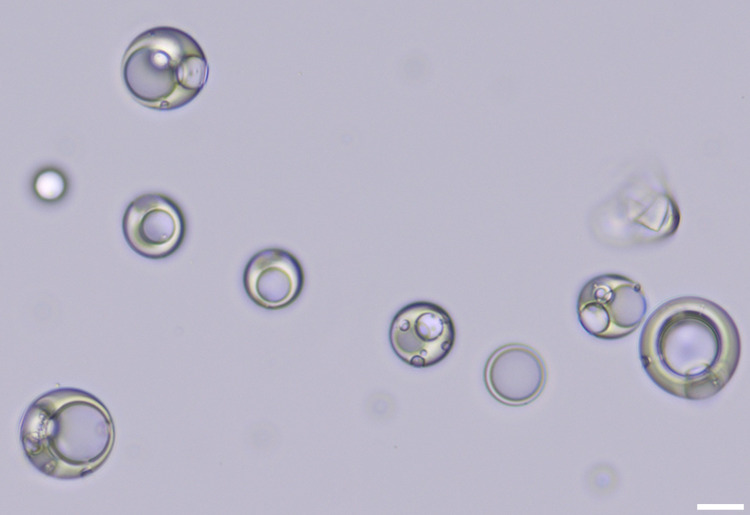 Figure 5
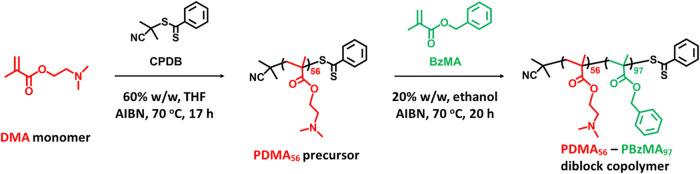 Figure 6
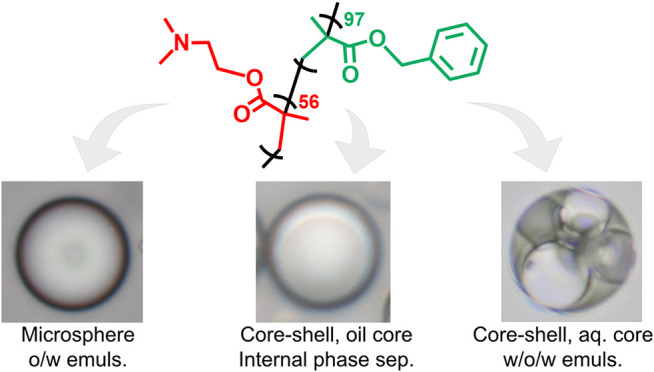 Figure 7
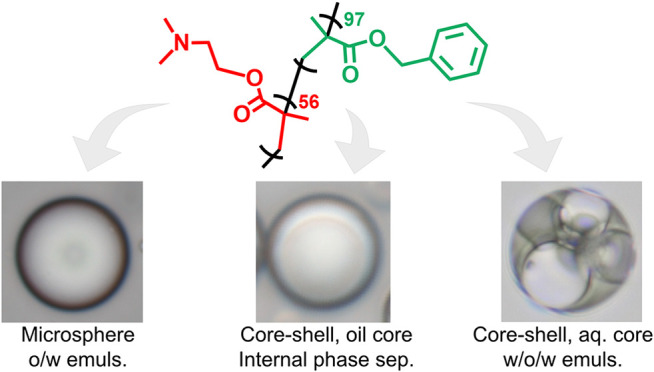 Figure 8
 Figure 9
 Figure 10
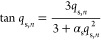 Figure 11
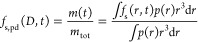 Figure 12
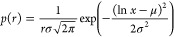 Figure 13
Peer Reviews
No public reviews on file for this paper yet. If you reviewed it on a platform where reviews are public (OpenReview, ICLR, NeurIPS, ICML), you can paste yours below so the community can read it here.
Videos
No videos yet. Explain this paper in a talk, walkthrough, or lecture? Add one.
Taxonomy
TopicsInnovative Microfluidic and Catalytic Techniques Innovation · Advanced Polymer Synthesis and Characterization · Pickering emulsions and particle stabilization