SARS-CoV-2-infected cardiomyocytes exhibit upregulated necroptosis, but no evidence of mitochondrial permeability transition
C. Gross, S. Chatterjee, B.E. Nilsson-Payant, S.D. Stojanović, H. Kefalakes, C. Bär, T. Thum, T. Pietschmann, J. Bauersachs, G. Amanakis

TL;DR
This study shows that SARS-CoV-2 infects heart cells and causes cell death through a process involving RIP3, but not through mitochondrial issues or typical necroptosis.
Contribution
The study reveals non-canonical necroptosis signaling via RIP3 in SARS-CoV-2-infected cardiomyocytes, excluding mitochondrial permeability transition as a key mechanism.
Findings
SARS-CoV-2 infection increases RIP3 phosphorylation in cardiomyocytes.
Mitochondrial permeability transition pore inhibition does not protect infected cells.
MLKL phosphorylation and mitochondrial complex expression remain unchanged post-infection.
Abstract
Cardiac involvement in patients infected with COVID-19, in terms of myocarditis and troponin release, is associated with higher mortality. However, the underlying mechanisms are poorly understood. Infection of cardiomyocytes derived from human induced pluripotent stem cells (iPSC-CMs) with a wild-type variant of SARS-CoV-2 exhibited a cardiotoxic effect. We examined whether elevated intramitochondrial calcium causes opening of the mitochondrial permeability transition pore (mPTP) leading to cell death. The mPTP inhibitor Cyclosporine A (CsA) did not improve viability, and phosphorylation levels of pyruvate dehydrogenase (PDH) remained similar pre- and post-infection, likely suggesting no substantial alteration of the intramitochondrial calcium level. Also, the protein expression of mitochondrial respiratory complexes did not change after SARS-CoV-2 infection. Next, we examined whether…
Genes, proteins, chemicals, diseases, species, mutations and cell lines named across the full text — each resolved to its canonical identifier and authoritative record.
Click any figure to enlarge with its caption.
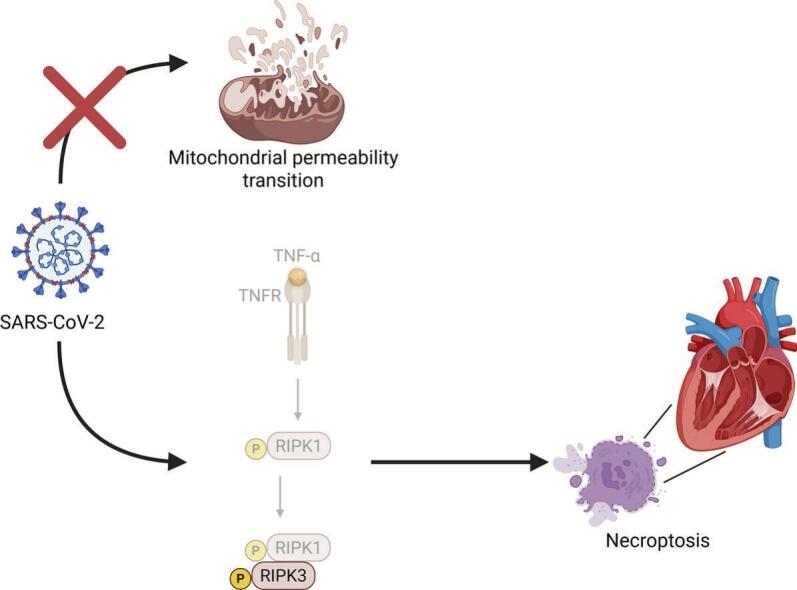 Figure 1
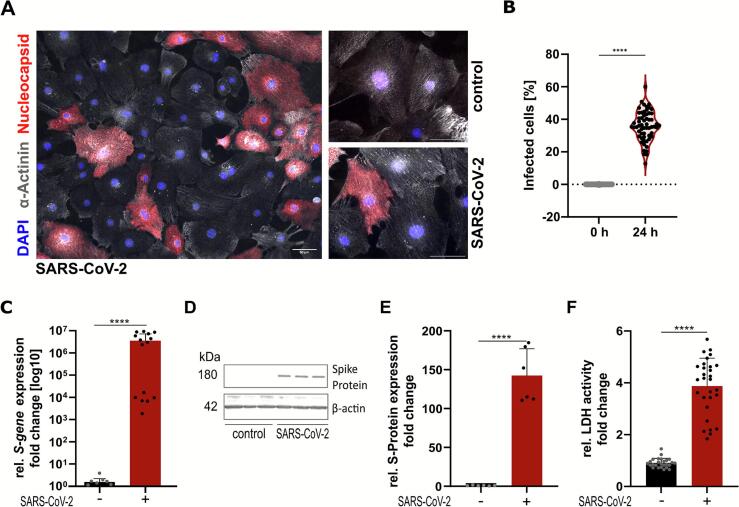 Figure 2
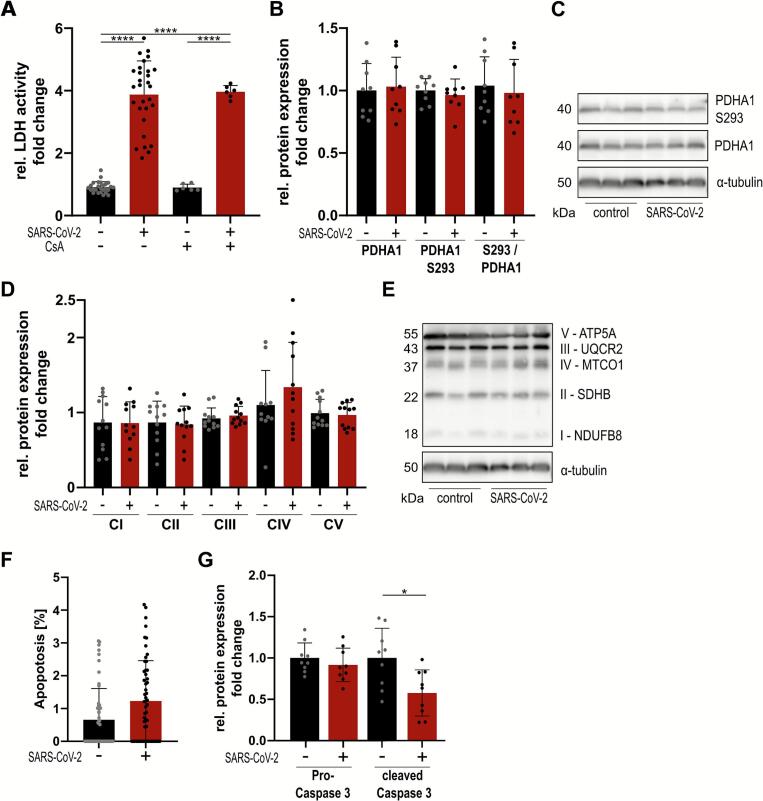 Figure 3
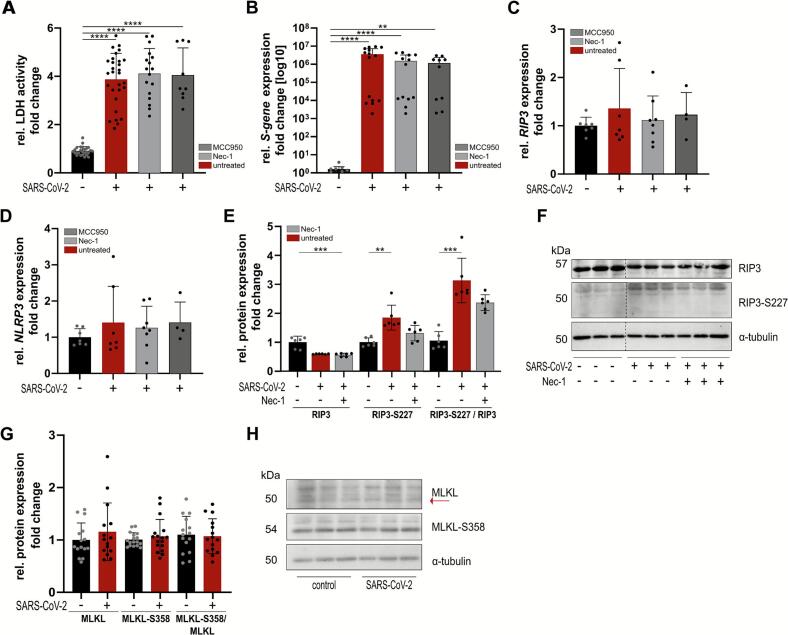 Figure 4
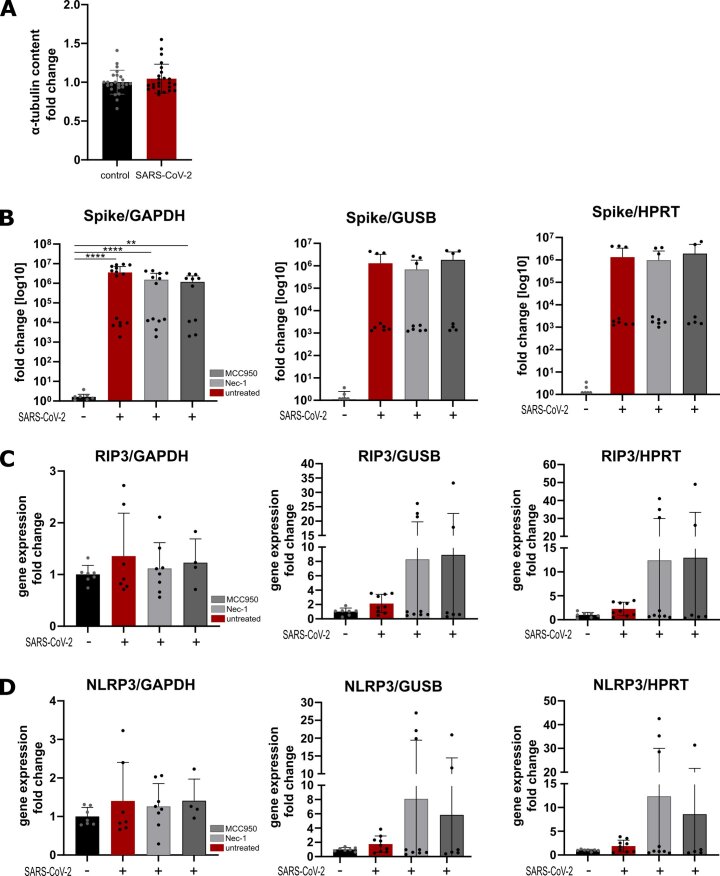 Figure 5
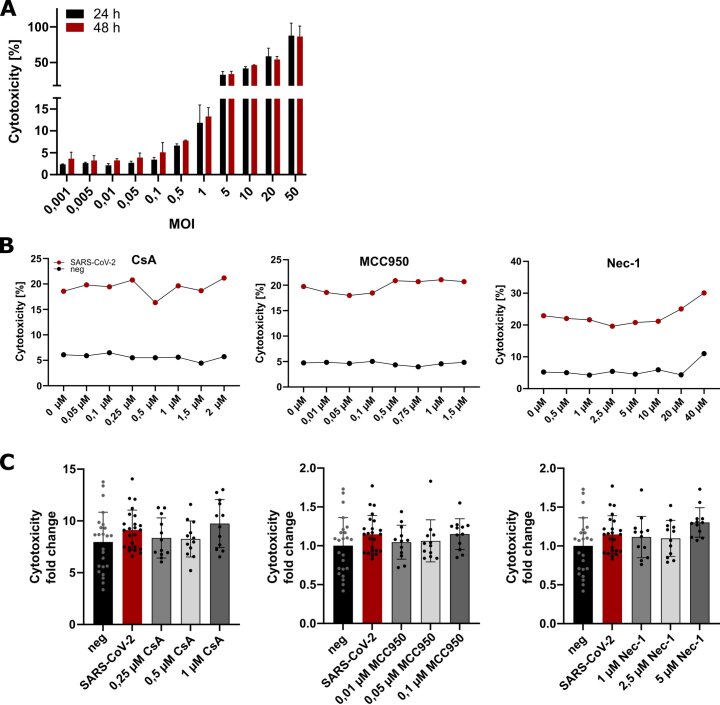 Figure 6
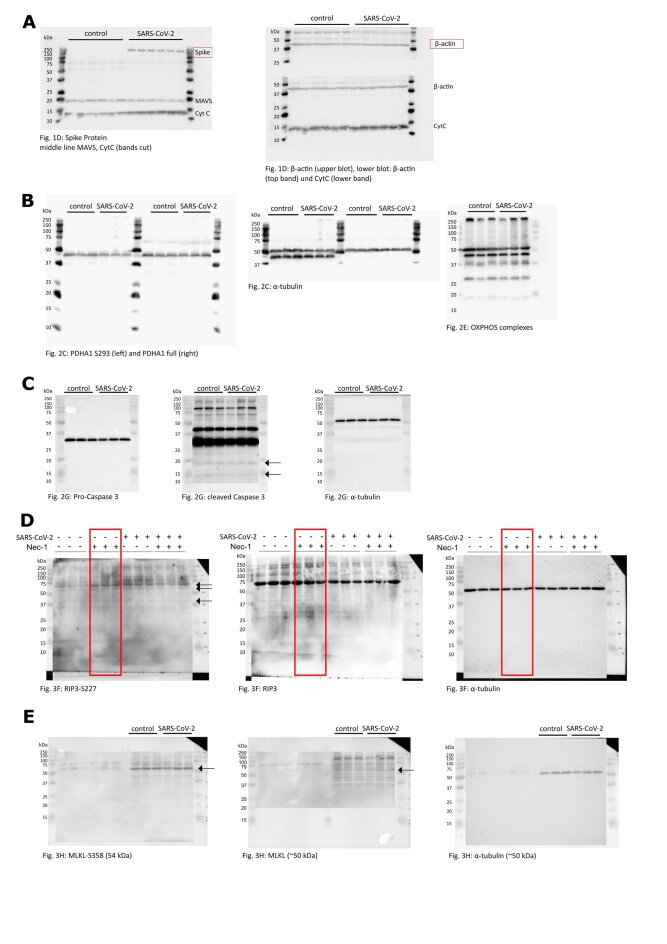 Figure 7
Peer Reviews
No public reviews on file for this paper yet. If you reviewed it on a platform where reviews are public (OpenReview, ICLR, NeurIPS, ICML), you can paste yours below so the community can read it here.
Videos
No videos yet. Explain this paper in a talk, walkthrough, or lecture? Add one.
Taxonomy
TopicsCell death mechanisms and regulation · Mitochondrial Function and Pathology · COVID-19 Clinical Research Studies