Virus Capsid Modifications Accompanying Inactivation during Iron Electrocoagulation Revealed by Proteomics, Infrared Spectroscopy, and Molecular Modeling
Akshat Verma, Shankararaman Chellam

TL;DR
Iron electrocoagulation rapidly inactivates viruses by modifying their protein coats through reactive oxygen species interactions.
Contribution
This study reveals nonproteolytic capsid damage and specific amino acid interactions during virus inactivation via iron electrocoagulation.
Findings
Electrocoagulation achieves virus LRVs ≳6.7 in 11.5 minutes using low-carbon steel and graphite electrodes.
Reactive oxygen species interact with arginine 49 and tryptophan 32 residues in viral coat proteins.
Protein secondary structure changes correlate strongly with virus inactivation and protein alterations.
Abstract
Society’s drinking water needs are increasingly met by reusing municipal wastewater, necessitating high virus Log10 Reduction Values (LRVs). Concurrently, electrified processes are gaining prominence for water/wastewater treatment. Herein, we report that electrocoagulation with a low-carbon steel anode and graphite cathode at pH 6.5 and 5.5 and iron dose of 20 mg/L reduced the MS2 coliphage below detection limits (LRVs ≳6.7) in just 11.5 min. Matrix Assisted Laser Desorption Ionization-Time-of-Flight Mass Spectrometry (MALDI-TOF-MS) of electrocoagulated viruses revealed single, double, and triple oxygen adducts and a negative mass shift peak in its coat protein without cleavage/scission. Density functional theory calculations coupled with computational spatial interaction mapping evidenced the formation of the quintet ferryl ion-cysteine 46 cluster. Hence, inactivation appears to have…
Genes, proteins, chemicals, diseases, species, mutations and cell lines named across the full text — each resolved to its canonical identifier and authoritative record.
Click any figure to enlarge with its caption.
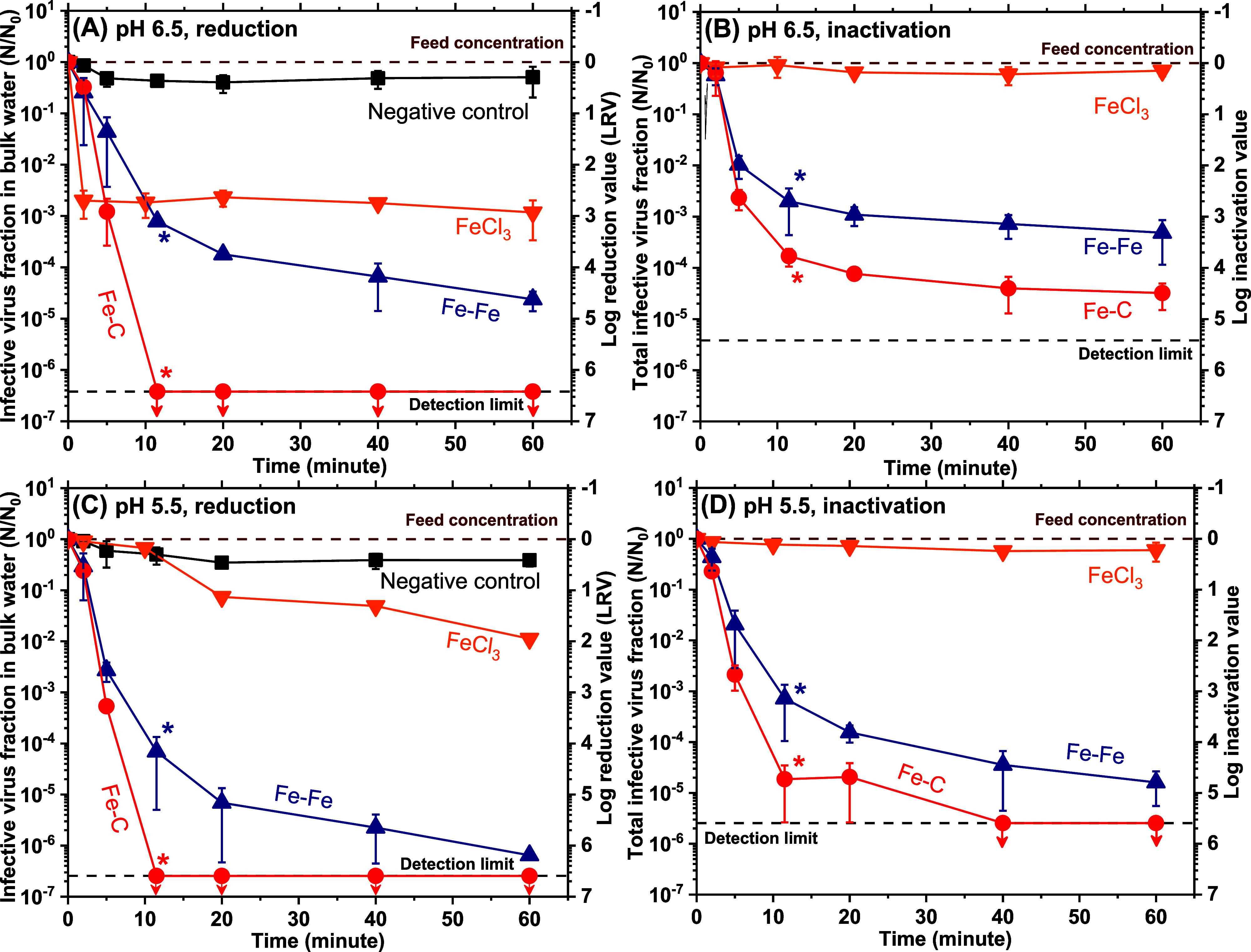 Figure 1
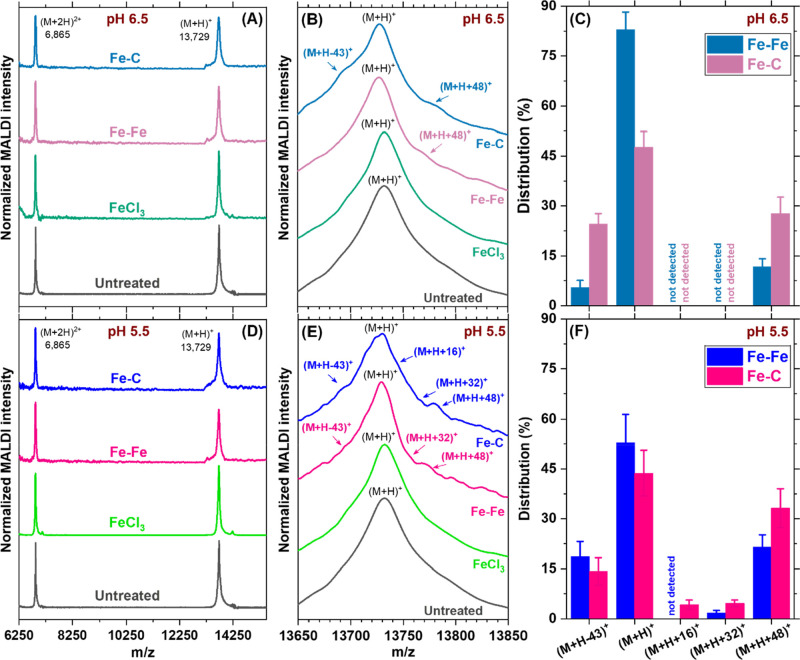 Figure 2
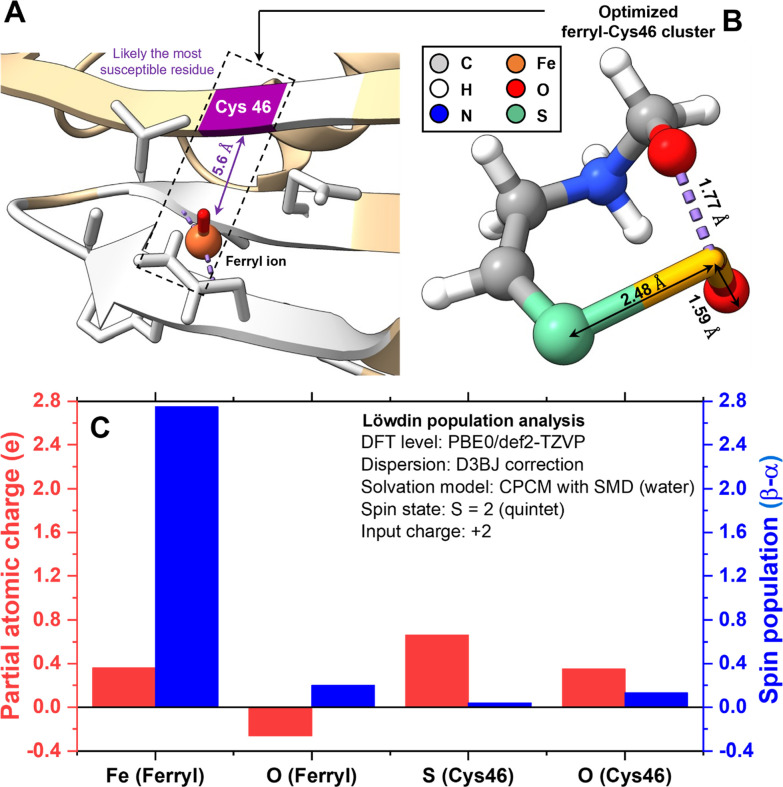 Figure 3
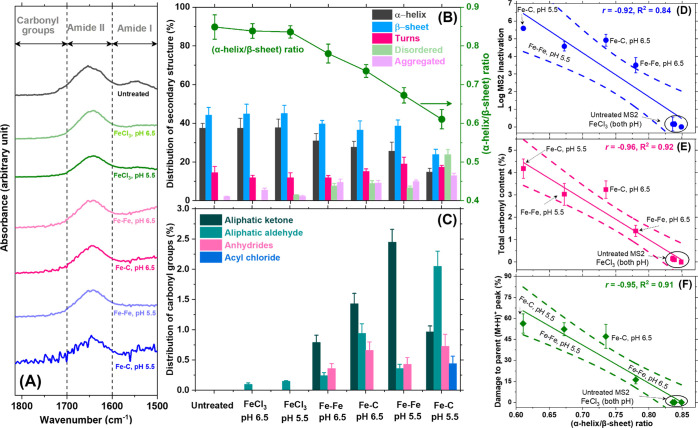 Figure 4
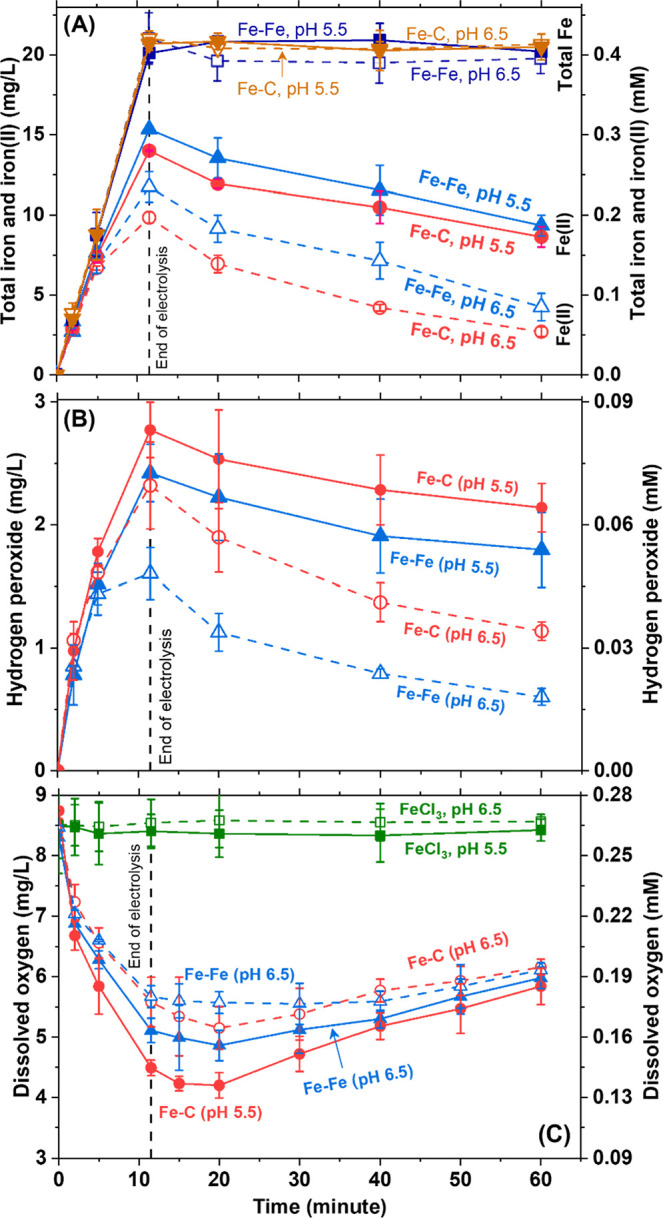 Figure 5
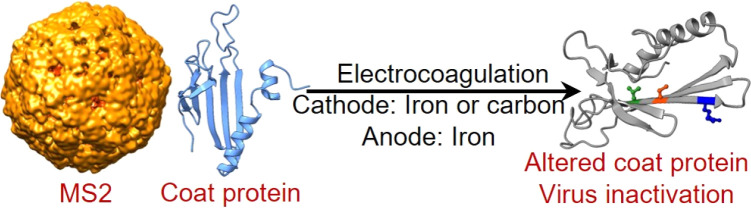 Figure 6
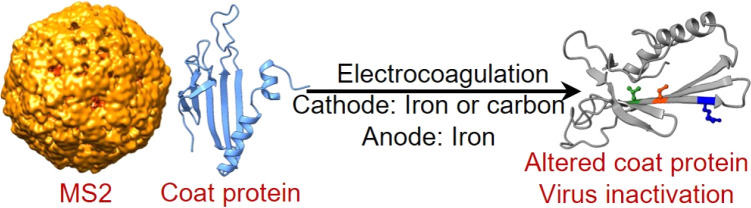 Figure 7
 Figure 8
 Figure 9
 Figure 10
 Figure 11
 Figure 12
 Figure 13
 Figure 14
Peer Reviews
No public reviews on file for this paper yet. If you reviewed it on a platform where reviews are public (OpenReview, ICLR, NeurIPS, ICML), you can paste yours below so the community can read it here.
Videos
No videos yet. Explain this paper in a talk, walkthrough, or lecture? Add one.
Taxonomy
TopicsAdvanced oxidation water treatment · Water Treatment and Disinfection · Membrane Separation Technologies