Modeled Global Impacts of Chlorine Oxidation and Temperature Dependence on the Atmospheric Lifetime and Concentrations of Volatile Methyl Siloxanes
Christopher E. Brunet, Saeideh Mohammadi, Behrooz Roozitalab, Nora K. Gibson, Rafael P. Fernandez, Alfonso Saiz-Lopez, Keri C. Hornbuckle, Charles O. Stanier

TL;DR
This study models how temperature and chlorine reactions affect the lifespan and spread of siloxane chemicals in the atmosphere, finding shorter lifetimes and transport than previously thought.
Contribution
The study introduces chlorine oxidation and temperature-dependent reaction rates into global modeling of siloxanes for the first time.
Findings
VMS lifetimes were predicted to range between 2.7 and 6.7 days.
D5 concentrations in urban areas reached up to 160 ng m–3.
Chlorine oxidation significantly reduced LRET compared to previous models.
Abstract
Volatile methyl siloxanes (VMS) are high production volume chemicals found in a wide range of consumer items such as personal care products. VMS have attracted scrutiny due to long-range environmental transport (LRET) concerns. However, their emissions, lifetimes, and concentrations remain uncertain, in part because of limitations in previous atmospheric modeling. Herein, we describe the global modeling of siloxanes: D4 (octamethylcyclotetrasiloxane), D5 (decamethylcyclopentasiloxane), and D6 (dodecamethylcyclohexasiloxane) in the Community Earth System Model (CESM2-SLH) using an updated chemical mechanism that includes chlorine radical oxidation and temperature-dependent reaction rates. With these previously unconsidered factors, we predicted VMS lifetimes ranging between 2.7 and 6.7 days and annual average D5 near-surface concentrations as high as 4.5 ng m–3 in the remote Arctic and…
Genes, proteins, chemicals, diseases, species, mutations and cell lines named across the full text — each resolved to its canonical identifier and authoritative record.
Click any figure to enlarge with its caption.
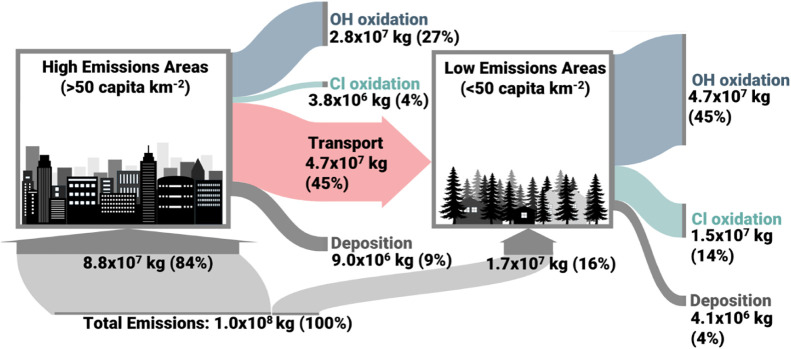 Figure 1
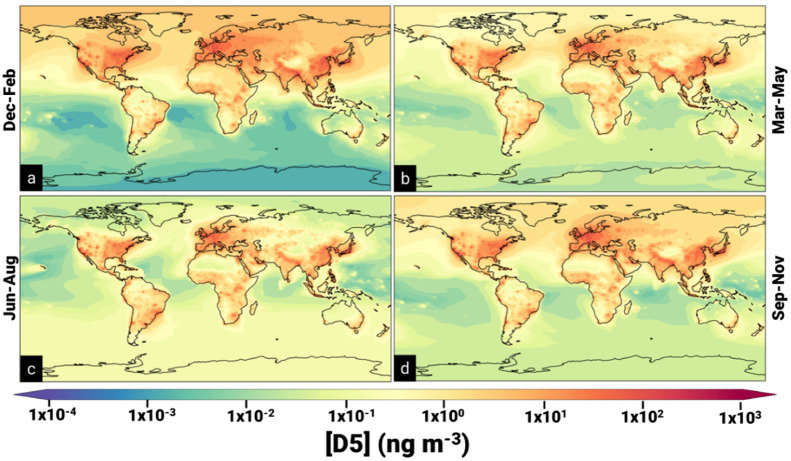 Figure 2
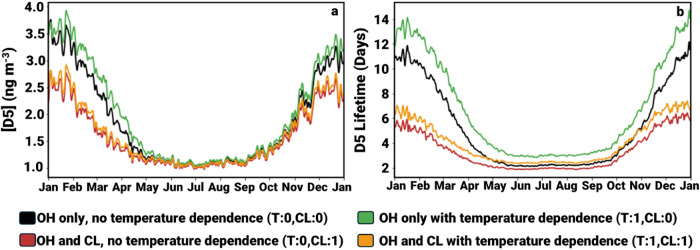 Figure 3
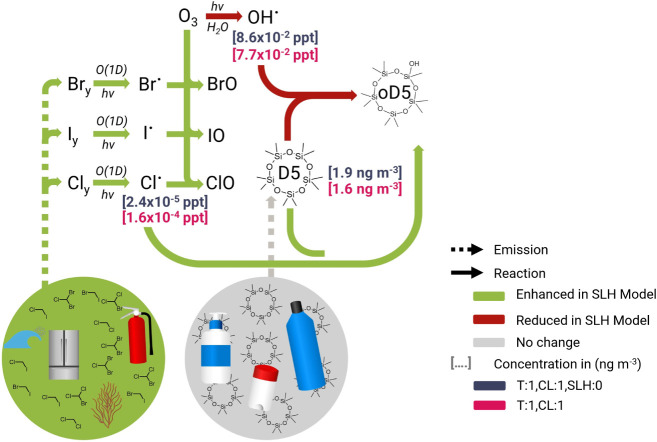 Figure 4
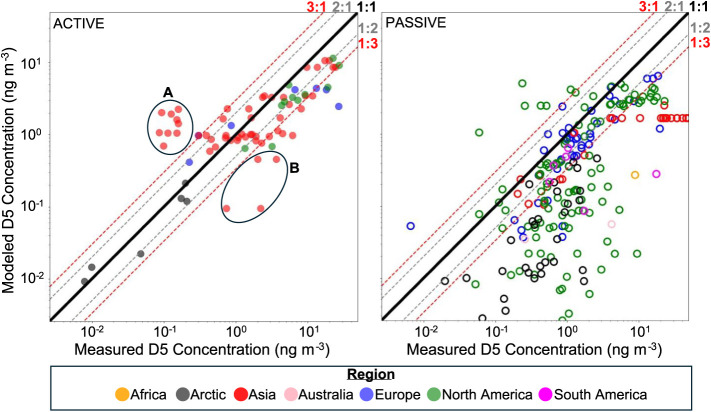 Figure 5
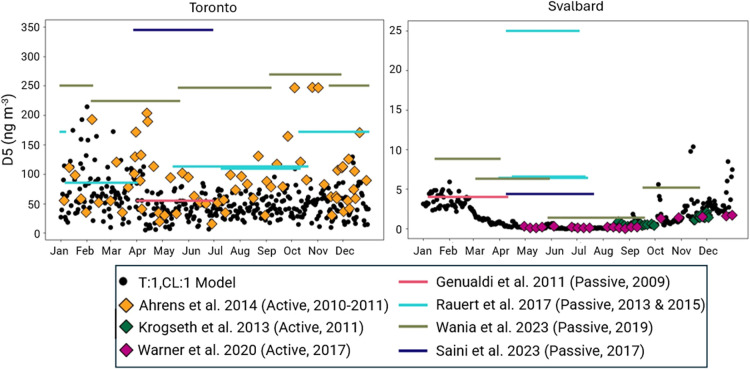 Figure 6
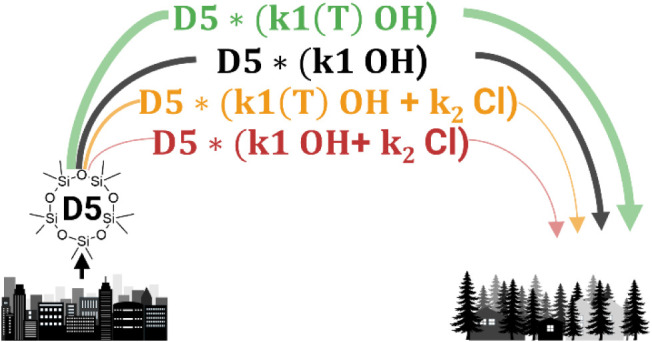 Figure 7
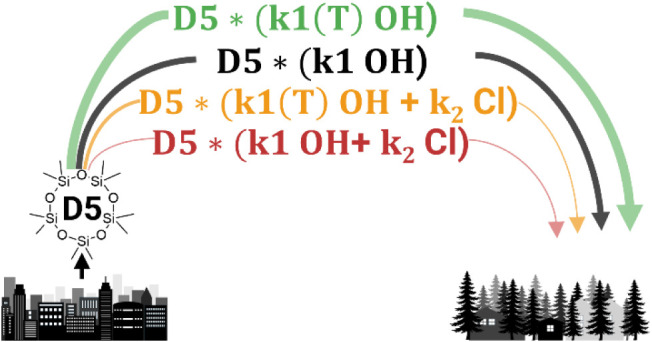 Figure 8
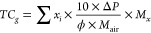 Figure 9
 Figure 10
 Figure 11
 Figure 12
 Figure 13
 Figure 14
 Figure 15
Peer Reviews
No public reviews on file for this paper yet. If you reviewed it on a platform where reviews are public (OpenReview, ICLR, NeurIPS, ICML), you can paste yours below so the community can read it here.
Videos
No videos yet. Explain this paper in a talk, walkthrough, or lecture? Add one.
Taxonomy
TopicsOdor and Emission Control Technologies · Occupational exposure and asthma · Indoor Air Quality and Microbial Exposure