OH-Initiated Photooxidation of Gas-Phase Atmospherically Relevant Monoterpene-Derived Organic Nitrates
Yuchen Wang, Yu Kang Xie, Masayuki Takeuchi, Gamze Eris, Nga L. Ng

TL;DR
This study examines how organic nitrates from monoterpenes break down in the atmosphere, showing they contribute significantly to NOx recycling.
Contribution
The study provides new rate constants and mechanisms for the photooxidation of monoterpene-derived organic nitrates.
Findings
Photooxidation rate constants for MT-ONs range from 5.7 to 11.0 × 10⁻¹¹ cm³ molecule–1 s–1.
Up to 85% of 3°_ApHN contributes to NOx recycling, while 23% of 1°_BpHN does.
CHO product prevalence depends on MT-ON structure and peroxy radical chemistry.
Abstract
Monoterpene-derived organic nitrates (MT-ONs) can influence NO x recycling, secondary organic aerosol, and ozone formation. While OH-initiated photooxidation is considered a sink for MT-ONs, the rate constants and mechanisms remain poorly constrained. We investigate the gas phase photooxidation of three synthetic ONs derived from α-pinene, β-pinene, and d-limonene (3°_ApHN, 1°_BpHN, and 2°_LmHN) through chamber experiments. The photooxidation rate constants for MT-ONs range from (5.7 ± 0.5) to (11.0 ± 1.5) × 10–11 cm3 molecule–1 s–1, with corresponding lifetimes of 1.7–3.2 h under ambient OH concentrations. If we consider that products without a nitrooxy group (CHO) represent MT-ONs undergoing photooxidation to form NO x or nitric acid, our measurements suggest that up to 85%, 49%, and 23% of 3°_ApHN, 2°_LmHN, and 1°_BpHN, respectively, contribute to NO x recycling. The prevalence of…
Genes, proteins, chemicals, diseases, species, mutations and cell lines named across the full text — each resolved to its canonical identifier and authoritative record.
Click any figure to enlarge with its caption.
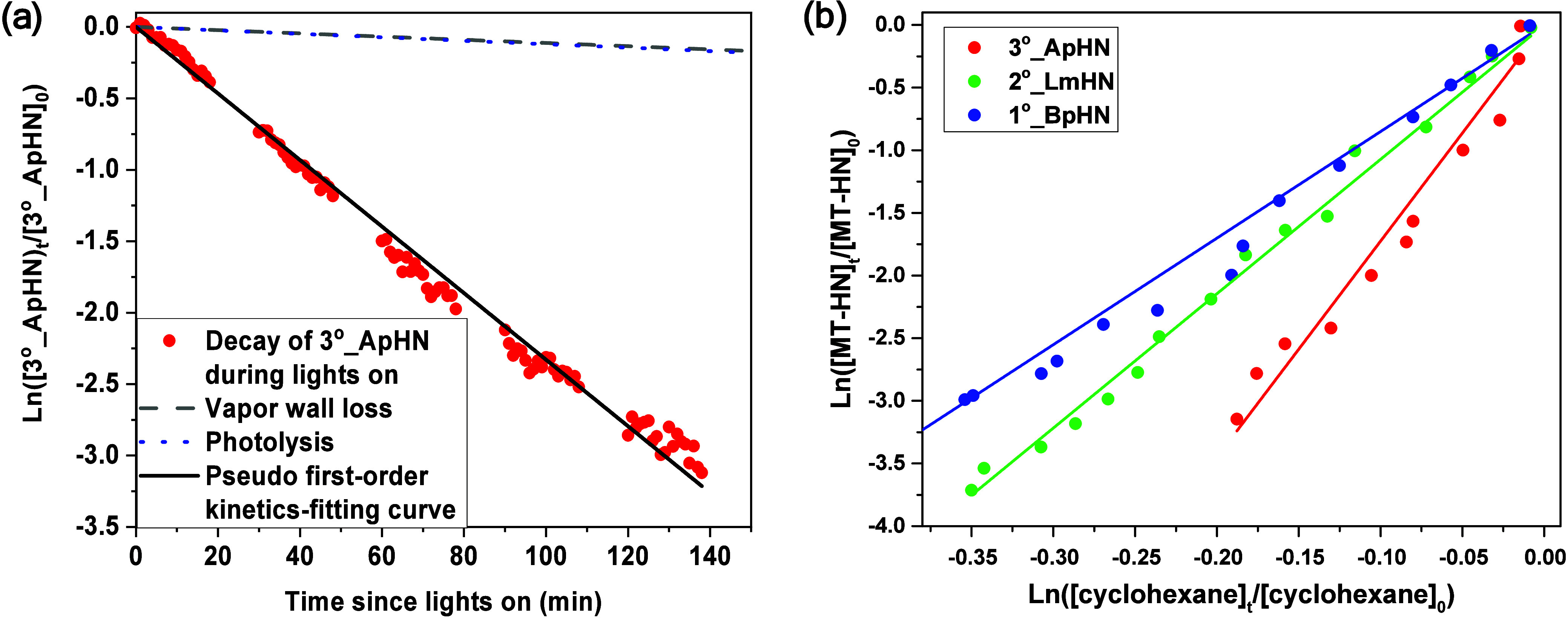 Figure 1
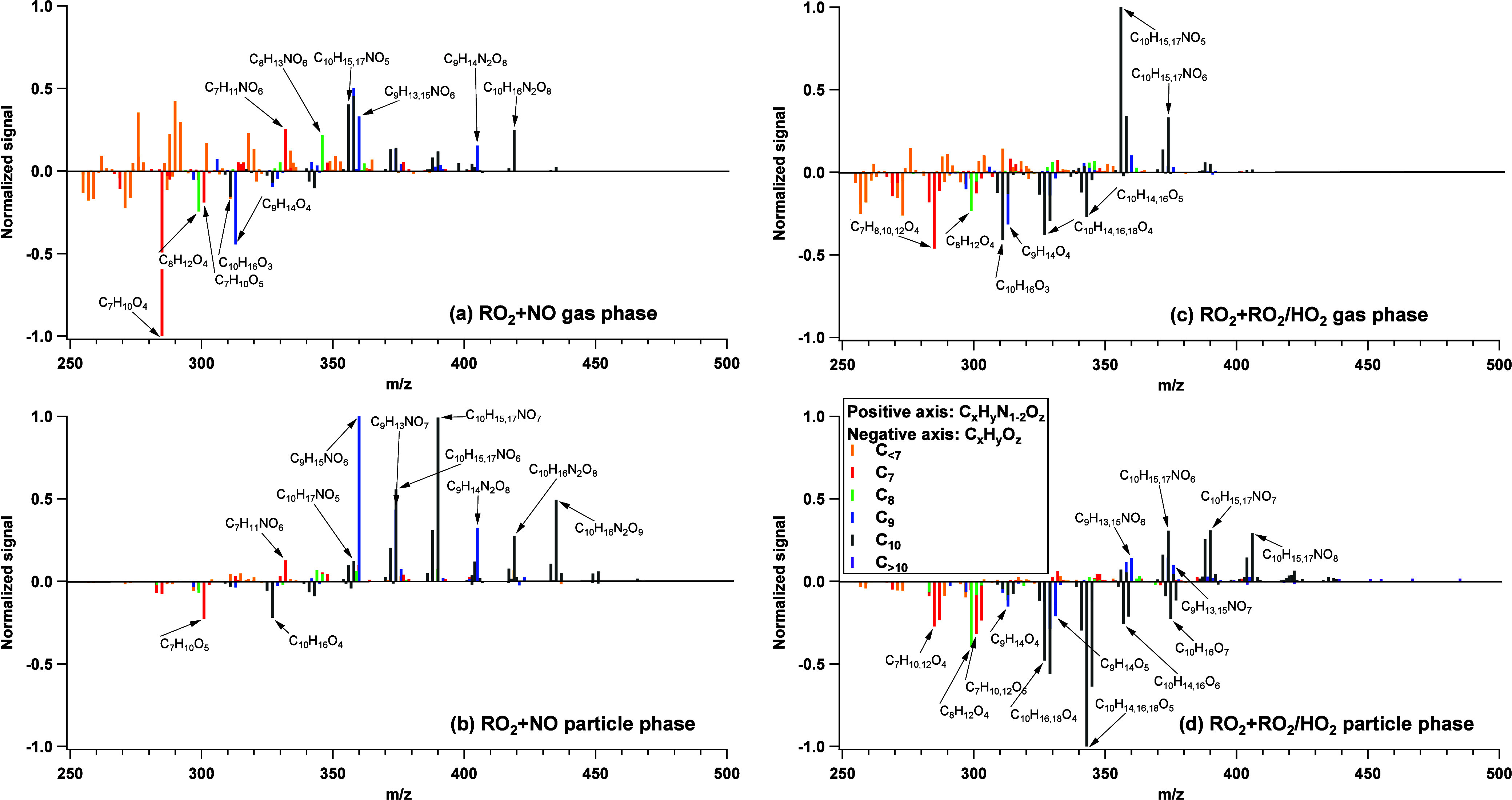 Figure 2
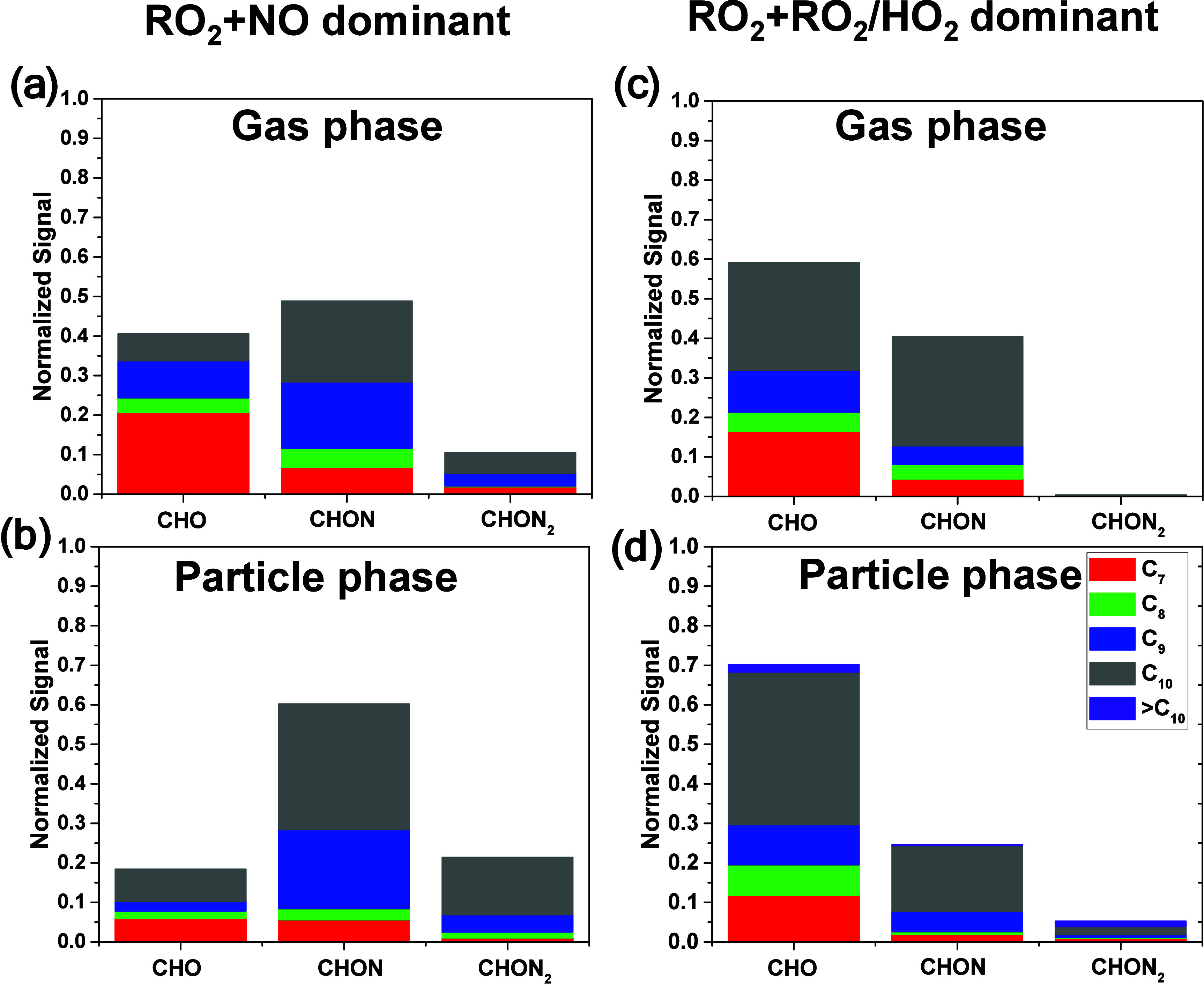 Figure 3
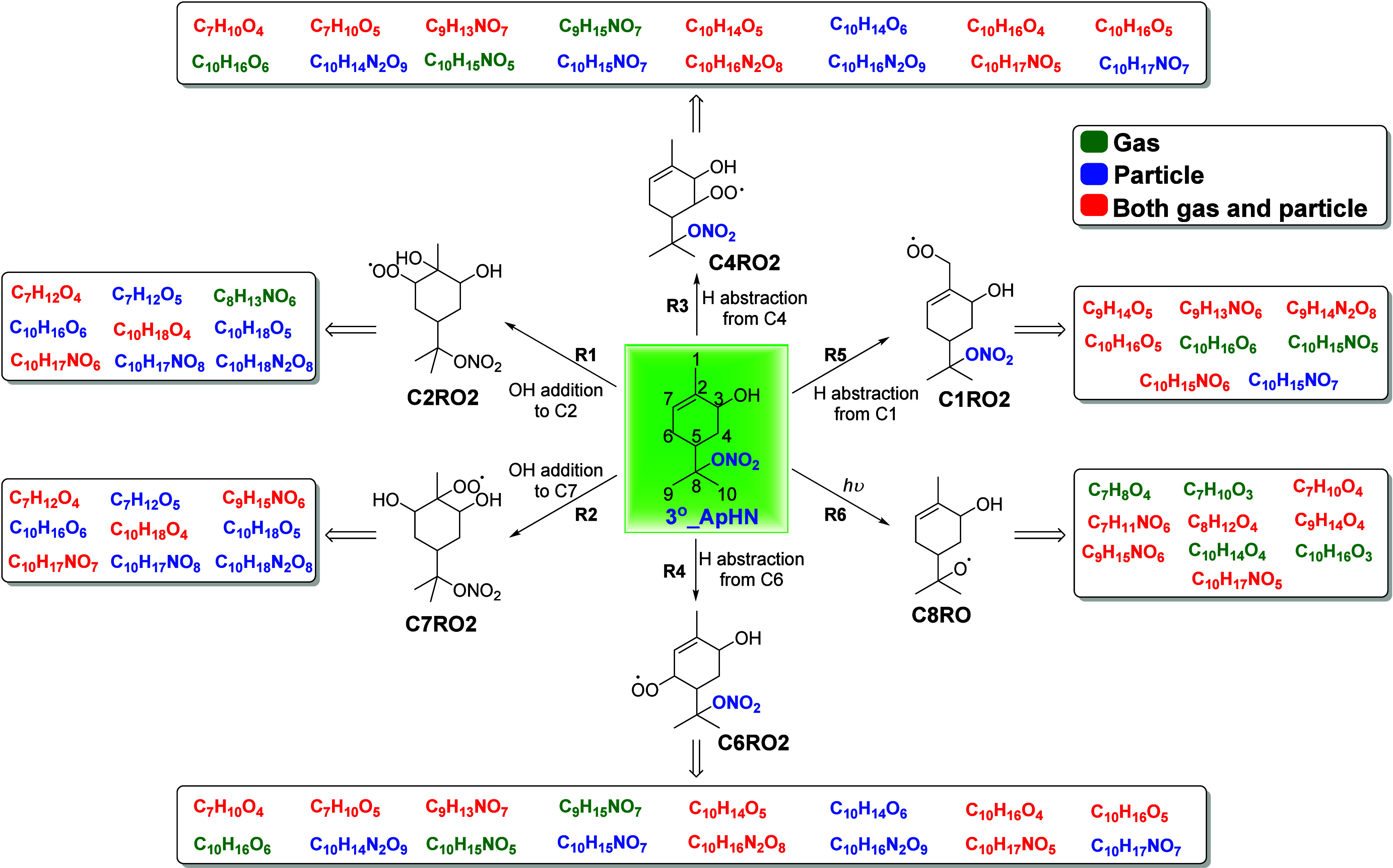 Figure 4
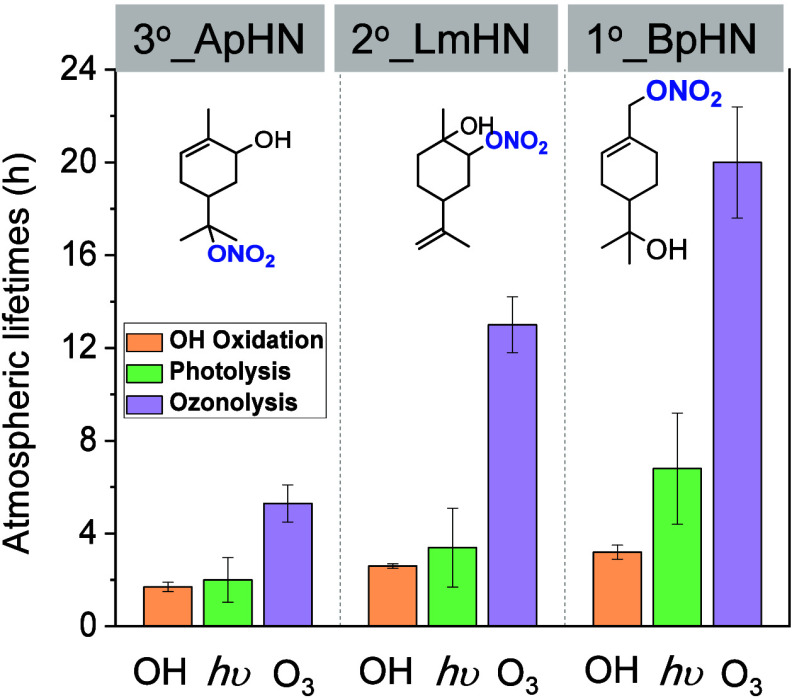 Figure 5
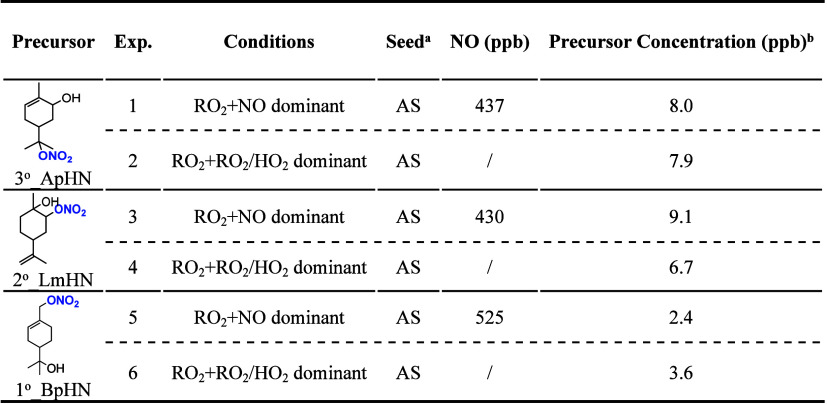 Figure 6
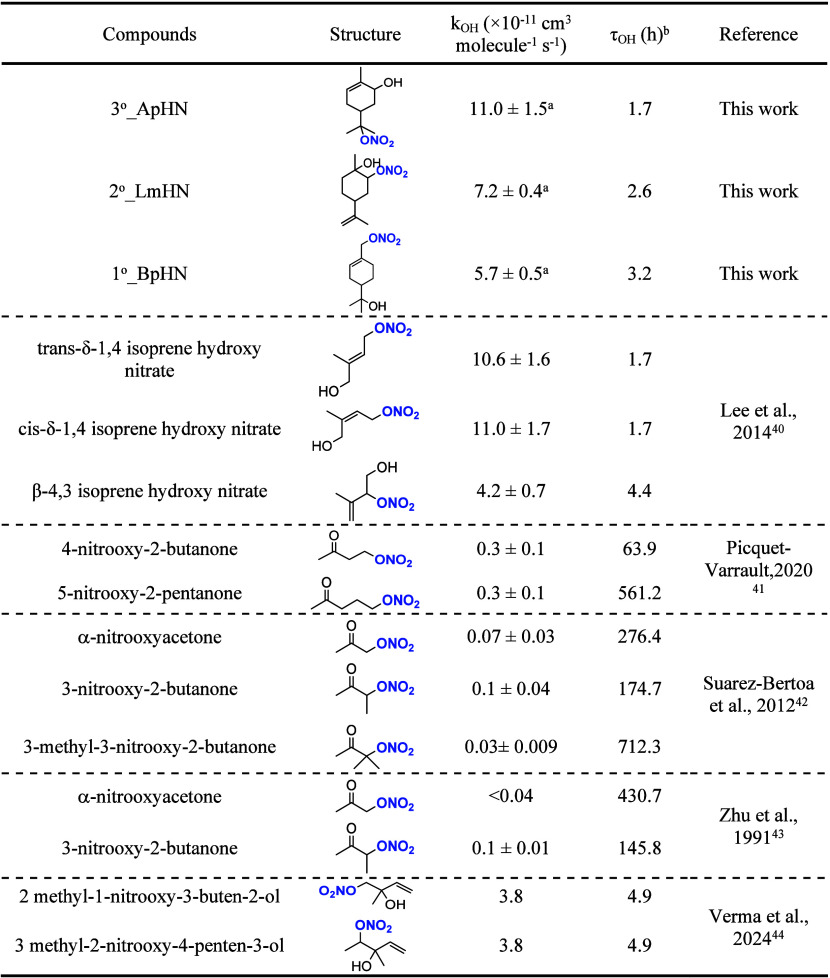 Figure 7
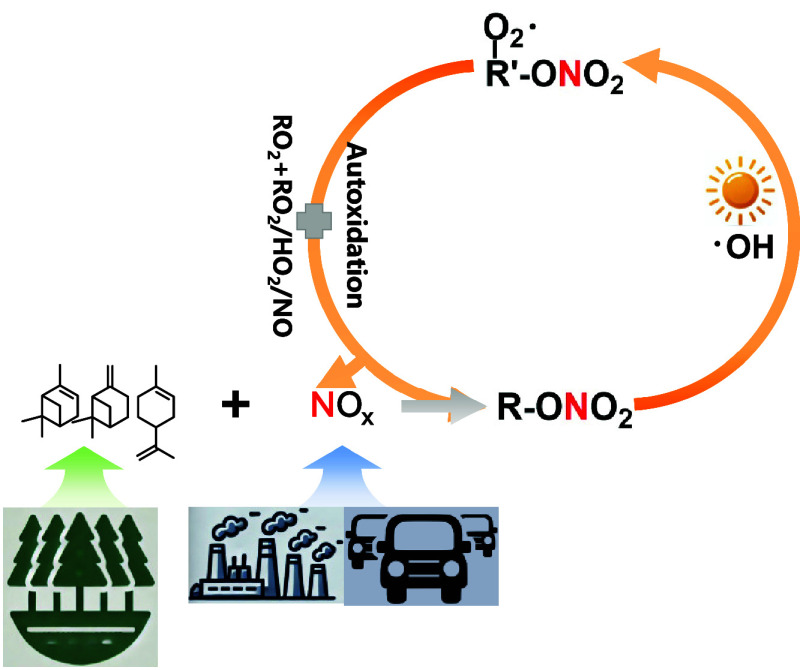 Figure 8
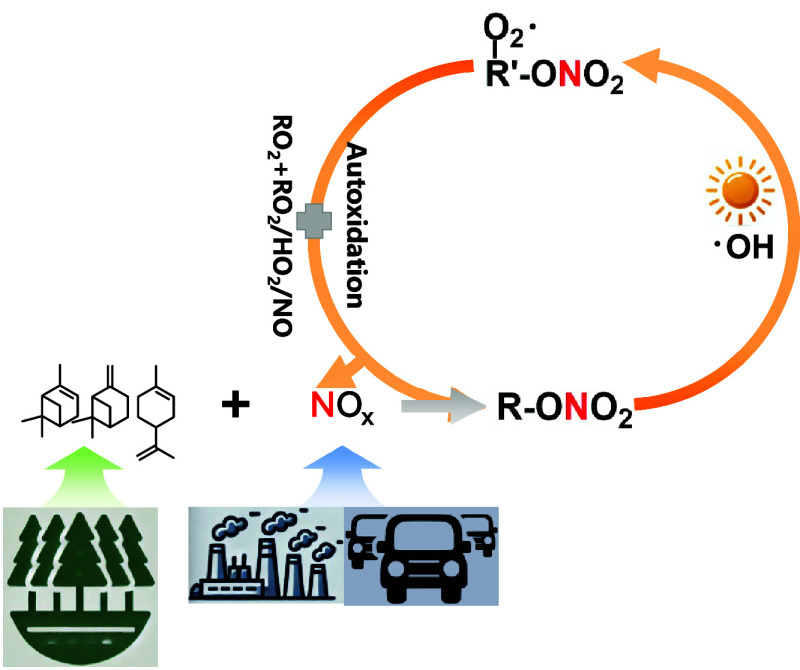 Figure 9
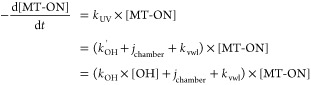 Figure 10
 Figure 11
 Figure 12
 Figure 13
 Figure 14
 Figure 15
 Figure 16
 Figure 17
Peer Reviews
No public reviews on file for this paper yet. If you reviewed it on a platform where reviews are public (OpenReview, ICLR, NeurIPS, ICML), you can paste yours below so the community can read it here.
Videos
No videos yet. Explain this paper in a talk, walkthrough, or lecture? Add one.
Taxonomy
TopicsAtmospheric chemistry and aerosols · Atmospheric Ozone and Climate · Indoor Air Quality and Microbial Exposure