Identification of Neuroactive Chemicals in Crude Oil-Derived Water-Accommodated Fractions
Nadia K. Herold, Lisbet So̷rensen, Mari E. Creese, Jasmine Nahrgang, Nicole Schweiger, Tamara Tal

TL;DR
This study identifies neuroactive chemicals in crude oil fractions using zebrafish behavior to understand how these chemicals affect nervous system function.
Contribution
The study introduces a novel integration of chemical fractionation, behavior phenotyping, and mode-of-action fingerprinting to dissect complex environmental mixtures.
Findings
WAF exposure caused concentration-dependent behavioral changes in zebrafish larvae.
PAHs, MAHs, and NAP fractions impaired habituation learning and disrupted specific receptors.
Resin fractions showed diverse chemical profiles and distinct behavioral effects.
Abstract
Crude oil-derived water-accommodated fractions (WAFs) are complex mixtures containing bioavailable constituents. We applied an automated zebrafish behavior-based assay to assess potential neuroactivity following exposure to WAF and chemical fractions including polycyclic aromatic hydrocarbons (PAHs), resin, naphthalene (NAP), monoaromatic hydrocarbon (MAH), and saturate fractions. Zebrafish larvae were exposed to WAF concentrations (9.8–100%, 1 g/L loading) and assessed using the 26-end point visual and acoustic motor response assay at 5 day postfertilization. WAF exposure elicited concentration-dependent behavioral effects, including reduced dark-period activity, impaired acoustic startle responses, and inappropriate activity during light and typically quiescent interstimulus periods. All WAF fractions were neuroactive, eliciting dark-phase hypoactivity and fraction-specific…
Genes, proteins, chemicals, diseases, species, mutations and cell lines named across the full text — each resolved to its canonical identifier and authoritative record.
Click any figure to enlarge with its caption.
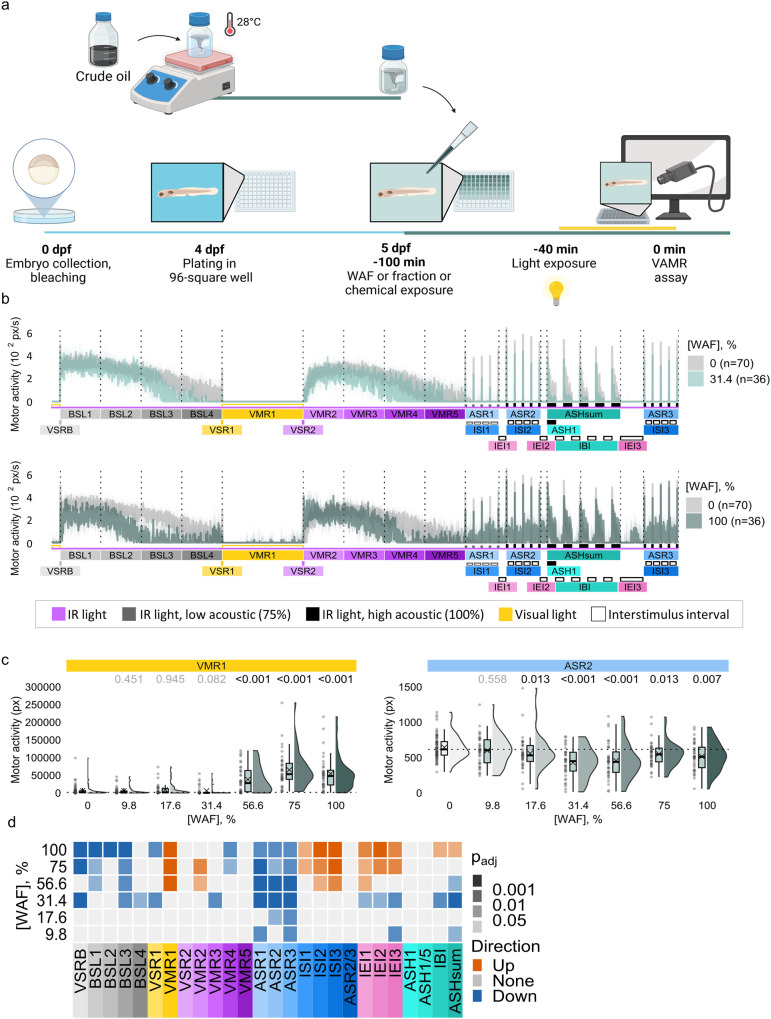 Figure 1
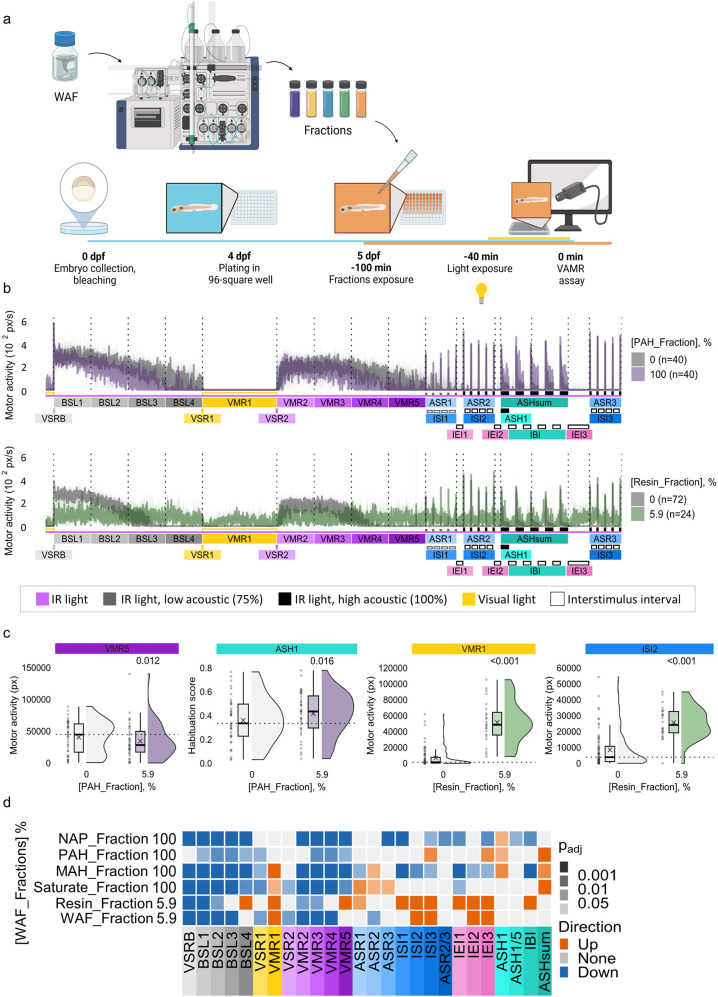 Figure 2
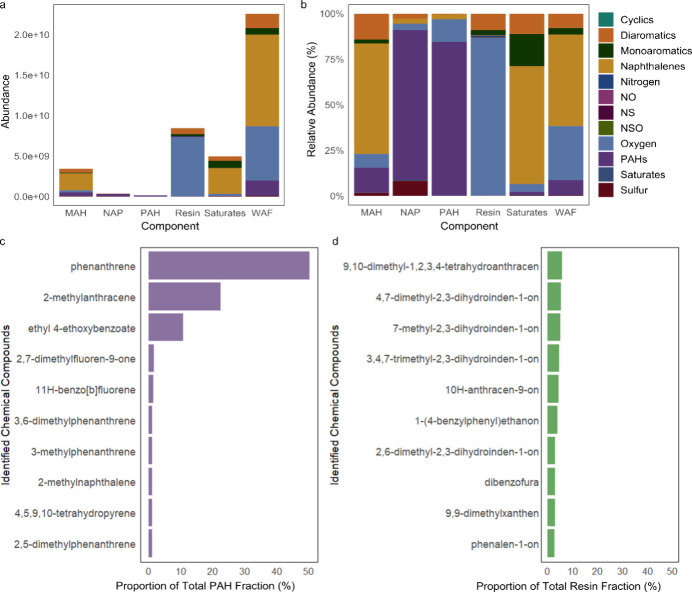 Figure 3
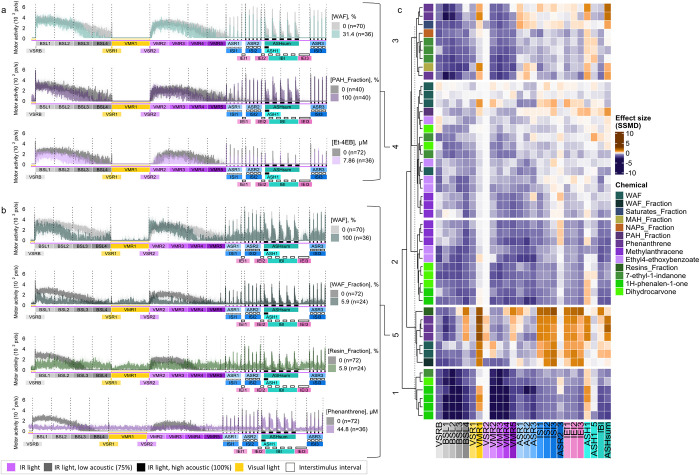 Figure 4
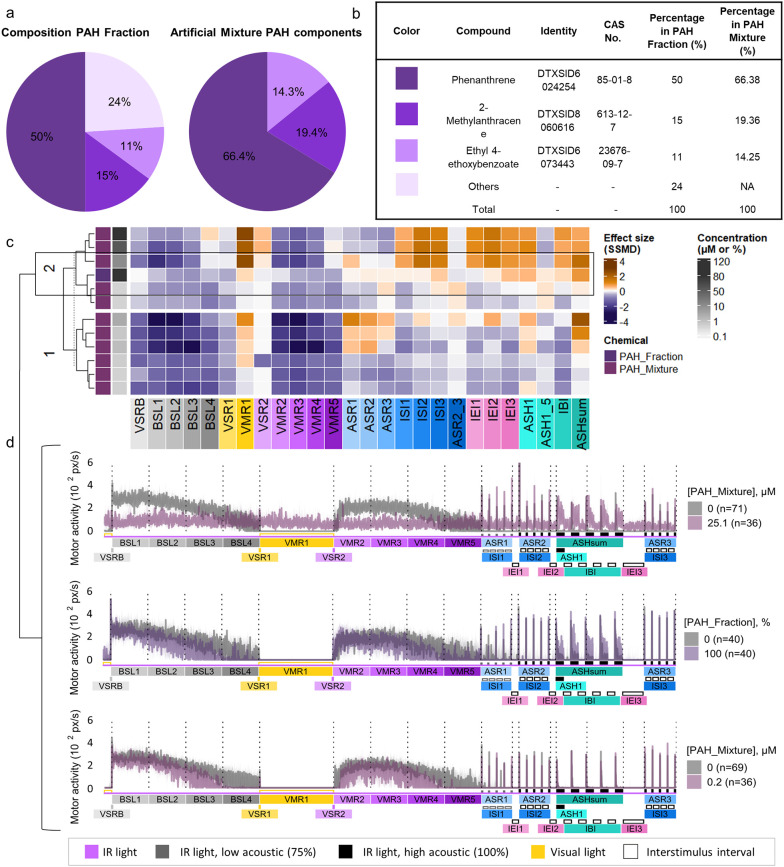 Figure 5
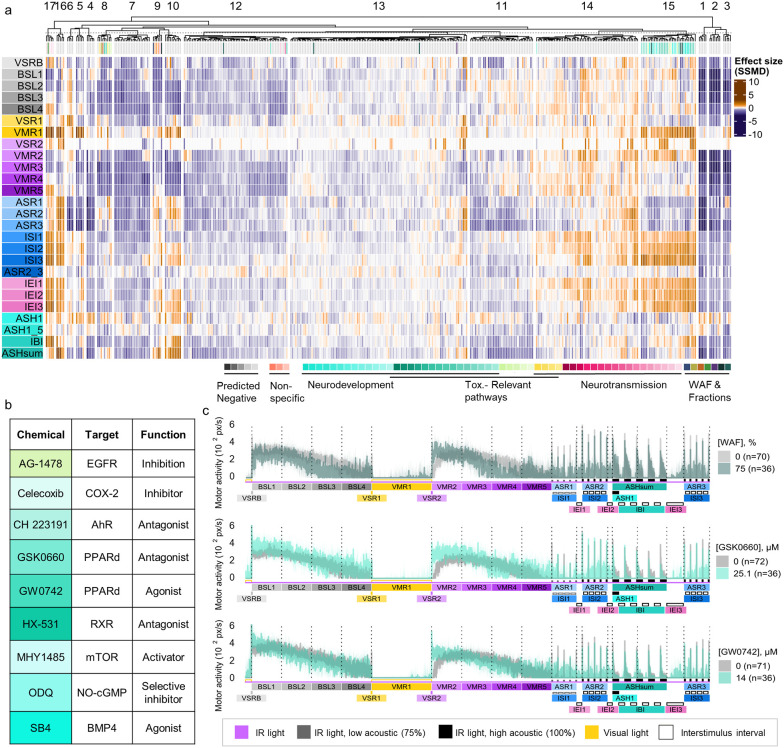 Figure 6
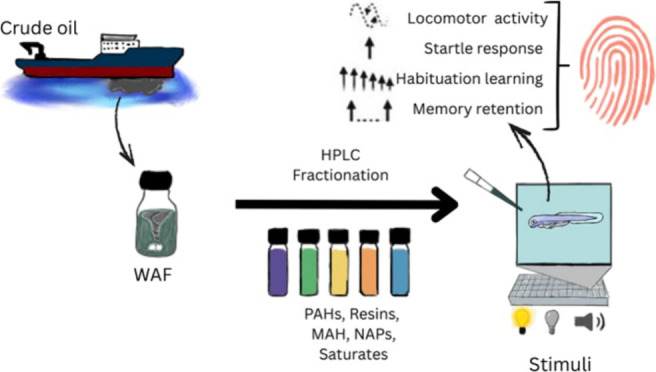 Figure 7
 Figure 8
Peer Reviews
No public reviews on file for this paper yet. If you reviewed it on a platform where reviews are public (OpenReview, ICLR, NeurIPS, ICML), you can paste yours below so the community can read it here.
Videos
No videos yet. Explain this paper in a talk, walkthrough, or lecture? Add one.
Taxonomy
TopicsZebrafish Biomedical Research Applications · Environmental Toxicology and Ecotoxicology · Toxic Organic Pollutants Impact