Multidisciplinary transcatheter rescue of post-infarction ventricular septal rupture in cardiogenic shock: expanding the role of percutaneous closure—case report
Italo Menezes Ferreira, Raphael Paris Rosan, Rodrigo Dantas Ferraz, Bruno Querido Marcondes Santos, Carlos Augusto Cardoso Pedra, Antonio Tito Paladino Filho, Fausto Feres, Louis Nakayama Ohe

TL;DR
A 65-year-old woman with a severe heart condition was successfully treated with a delayed percutaneous closure of a ventricular septal rupture, avoiding surgery.
Contribution
Demonstrates the viability of delayed percutaneous closure as a life-saving alternative for high-risk patients with post-infarction ventricular septal rupture.
Findings
Delayed percutaneous closure with a CERA® occluder successfully treated a 11 mm ventricular septal rupture.
The patient improved clinically and was discharged after 20 days following the intervention.
Multidisciplinary collaboration and mechanical circulatory support were critical for successful management.
Abstract
Post-infarction ventricular septal rupture is a rare but often fatal mechanical complication of acute myocardial infarction, particularly when associated with cardiogenic shock and multiorgan dysfunction. A 65-year-old woman presented in cardiogenic shock five days after initial chest pain. ECG showed ST-segment elevation in anterior and inferior leads. Coronary angiography revealed thrombotic occlusion of the proximal left anterior descending artery, successfully treated with primary percutaneous coronary intervention. Transthoracic echocardiography later revealed an 11 mm inferobasal ventricular septal rupture. Due to high surgical risk (EuroSCORE II >50%) in the setting of renal failure and recent dual antiplatelet therapy, the multidisciplinary Heart Team opted for delayed percutaneous closure. Fifteen days after symptom onset, a 16 mm CERA® occluder was successfully deployed with…
Genes, proteins, chemicals, diseases, species, mutations and cell lines named across the full text — each resolved to its canonical identifier and authoritative record.
Click any figure to enlarge with its caption.
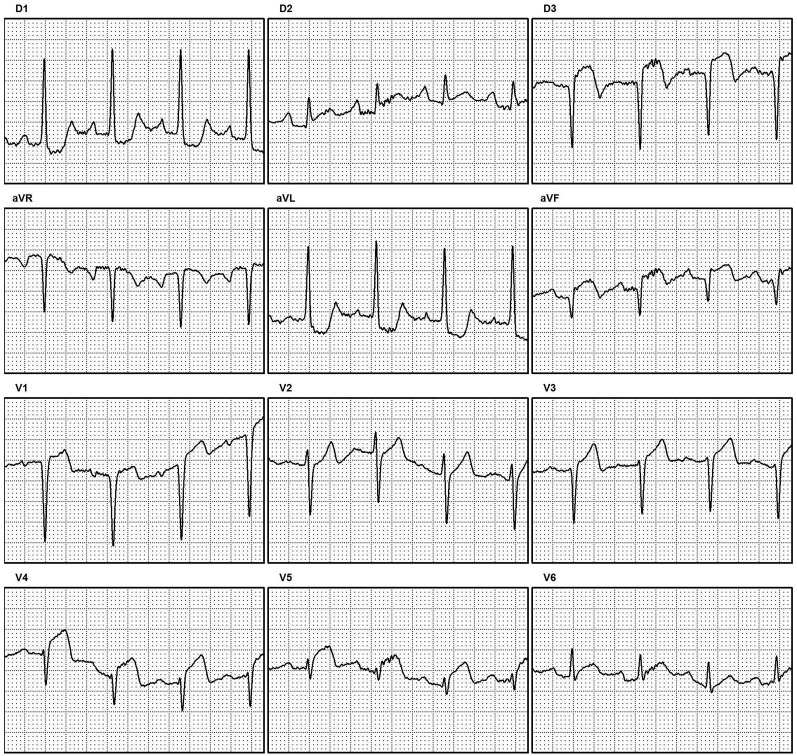 Figure 1
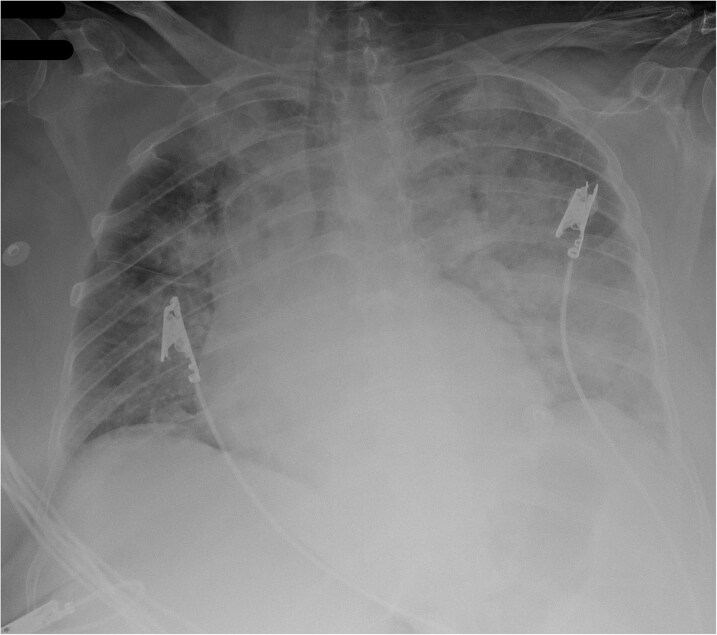 Figure 2
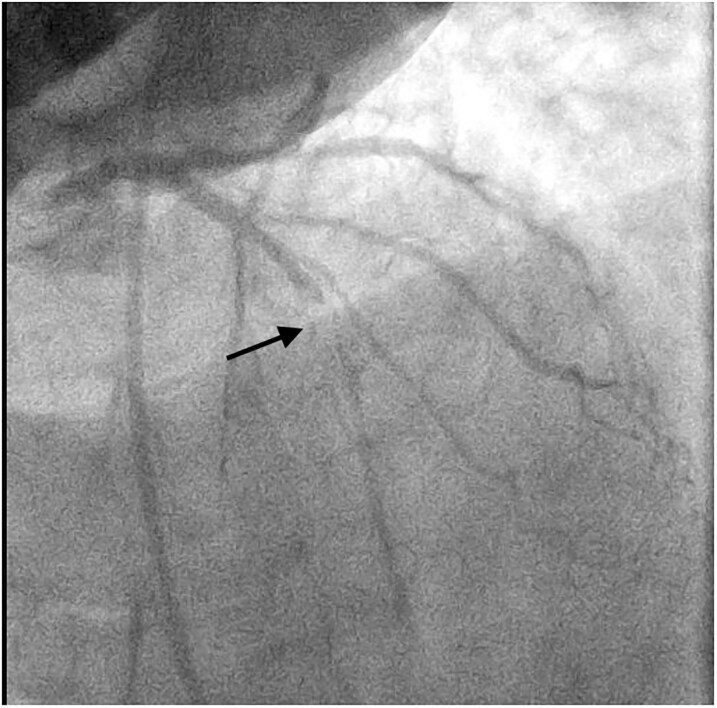 Figure 3
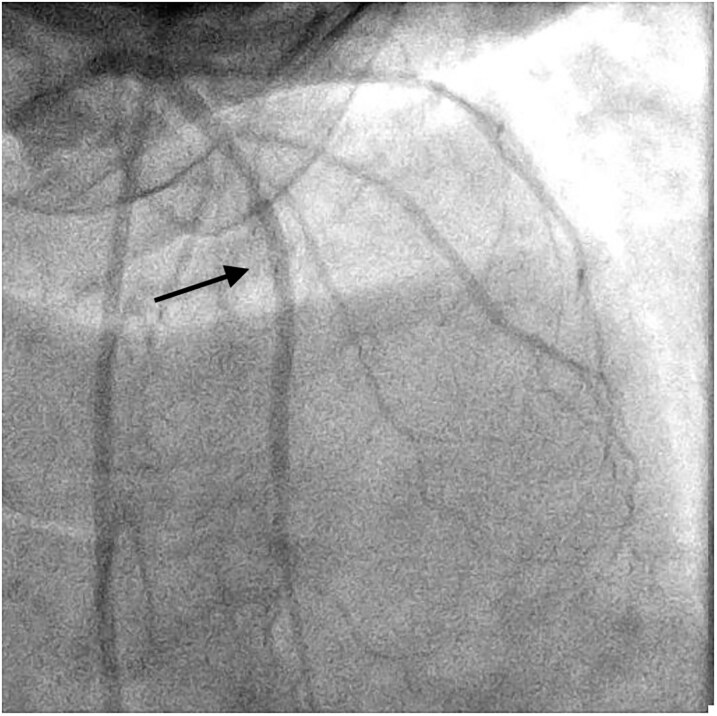 Figure 4
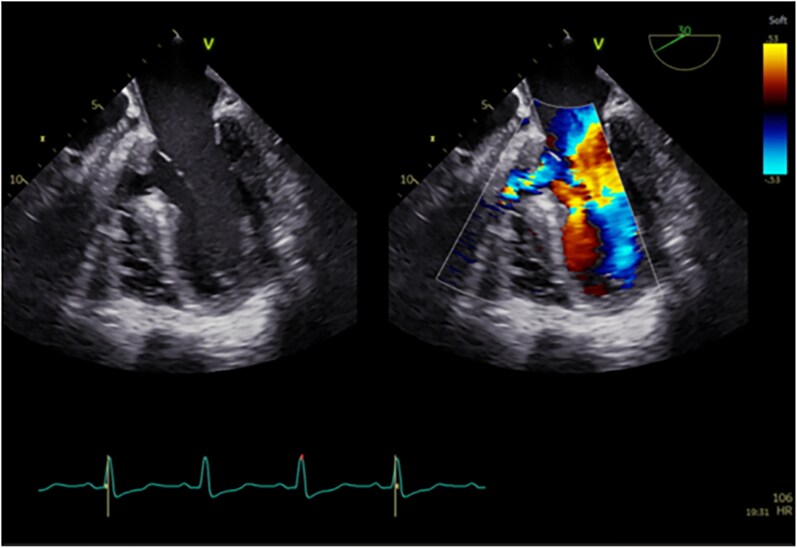 Figure 5
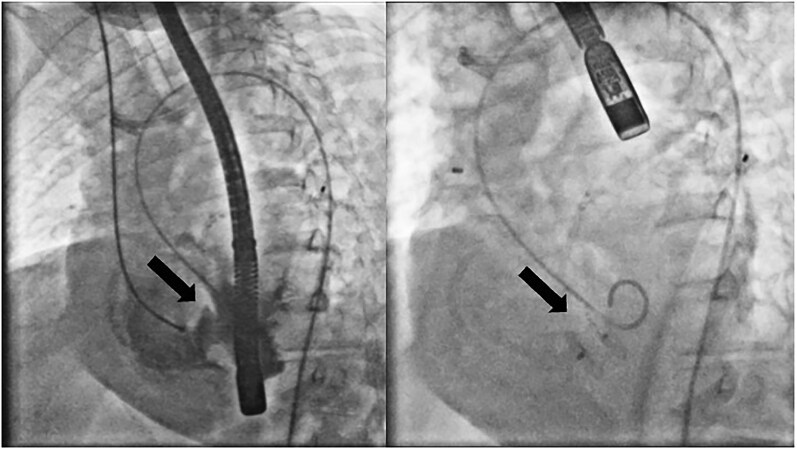 Figure 6
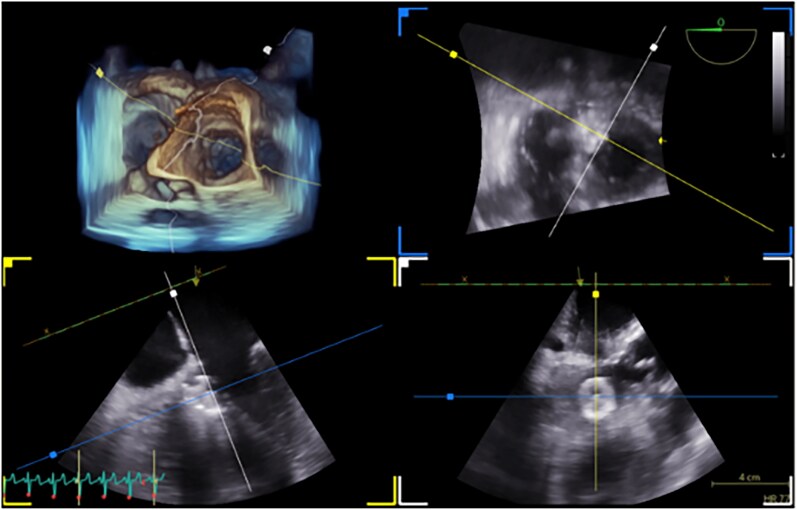 Figure 7
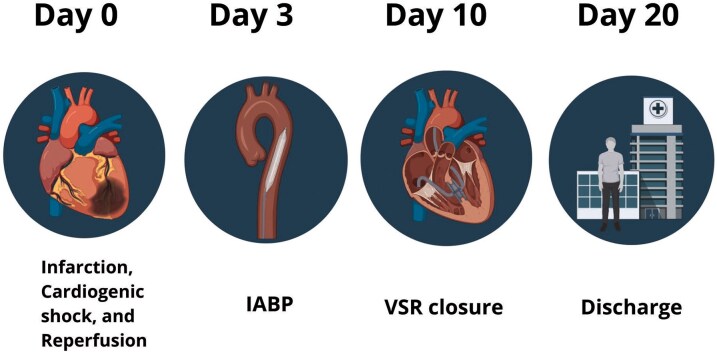 Figure 8
 Figure 9
Peer Reviews
No public reviews on file for this paper yet. If you reviewed it on a platform where reviews are public (OpenReview, ICLR, NeurIPS, ICML), you can paste yours below so the community can read it here.
Videos
No videos yet. Explain this paper in a talk, walkthrough, or lecture? Add one.
Taxonomy
TopicsCardiac Structural Anomalies and Repair · Aortic Disease and Treatment Approaches · Mechanical Circulatory Support Devices