Integrated In Silico and In Vitro Study of Copper Nanocatalyzed Carbonyl‐Functionalized Triazoles—Inducing S Phase Cell Cycle Arrest and Apoptosis in MCF‐7
Joydip Mondal, Tiasha Dasgupta, Chitluri Kiran Kumar, Prasanth Babu Nandagopal, Sadananda Mal, Sourav Paul, Aishwarya S, Chayan Pandya, Isaac Arnold Emerson, Venkatraman Manickam, Akella Sivaramakrishna

TL;DR
This study identifies two new copper-based compounds that effectively target breast cancer cells by causing cell cycle arrest and apoptosis.
Contribution
The discovery of copper nanocatalyzed triazoles (3i and 3j) as potent inducers of apoptosis in breast cancer cells through modulation of BAX/BCL2 and mitochondrial dysfunction.
Findings
Compounds 3i and 3j showed high selectivity indices (2.30 and 4.44) and strong binding to BAX and BCL2 proteins.
The compounds caused S-phase cell cycle arrest and apoptosis in MCF-7 cells via ROS-mediated glutathione depletion and mitochondrial dysfunction.
Molecular dynamics simulations confirmed the stability of protein-ligand complexes for the lead compounds.
Abstract
The demand for novel, selective anticancer agents, driven by drug resistance and systemic toxicity of current treatments, underscores the importance of targeted drug discovery. Present research involved cytotoxic screening of a series of synthesized copper nanocatalyzed carbonyl‐functionalized triazoles (3a – p), where 3i and 3j have shown highest selectivity index (SI) scores of 2.30 and 4.44, respectively. Computational validation of the lead compounds demonstrated specific interaction with BCL2‐associated X protein (BAX) and BCL2, characterized by strong binding affinities ranging between −6.73 and −7.70 kcal/mol. Corresponding protein–ligand complexes demonstrated robust conformational stability throughout their 100 ns of molecular dynamics simulation. Subsequent in vitro validation using MCF‐7 cells firmly corroborated the in silico findings, by revealing significant upregulation…
Genes, proteins, chemicals, diseases, species, mutations and cell lines named across the full text — each resolved to its canonical identifier and authoritative record.
Click any figure to enlarge with its caption.
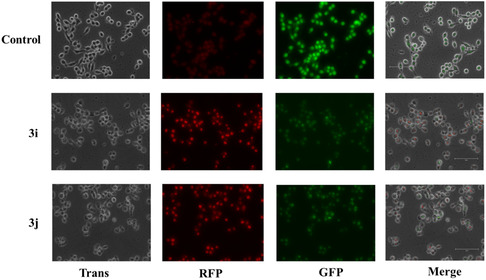 Figure 1
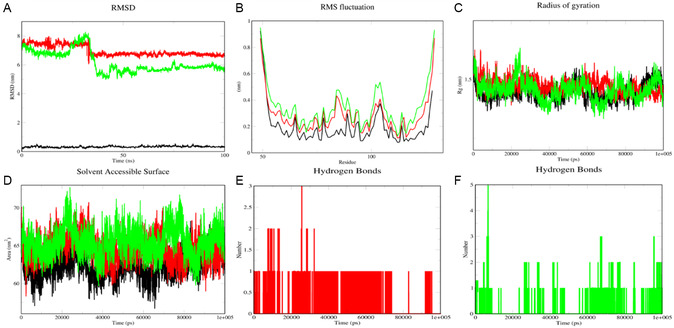 Figure 2
 Figure 3
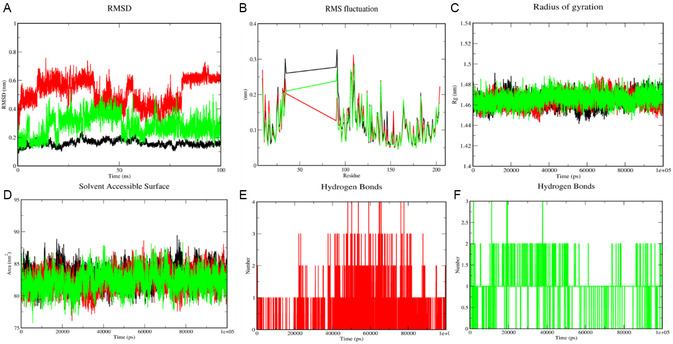 Figure 4
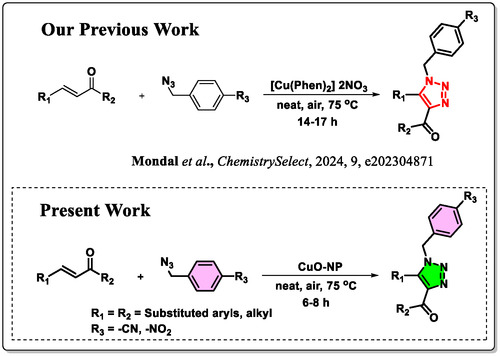 Figure 5
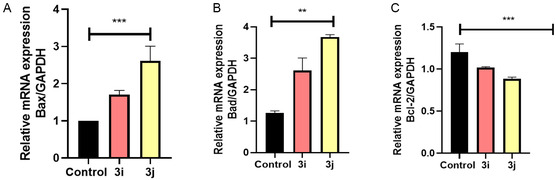 Figure 6
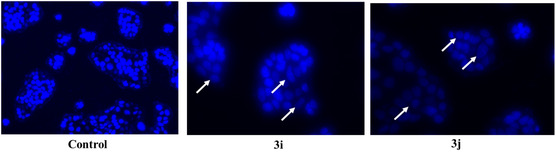 Figure 7
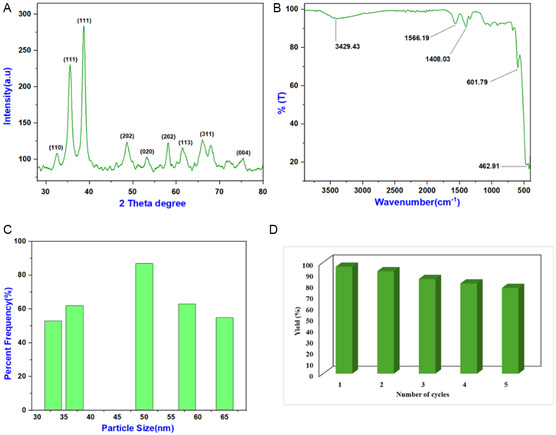 Figure 8
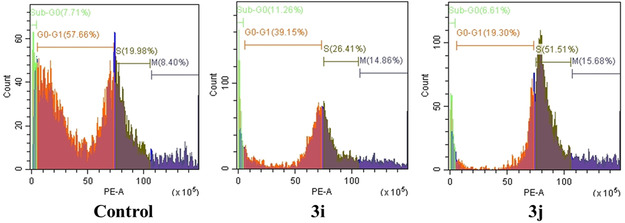 Figure 9
 Figure 10
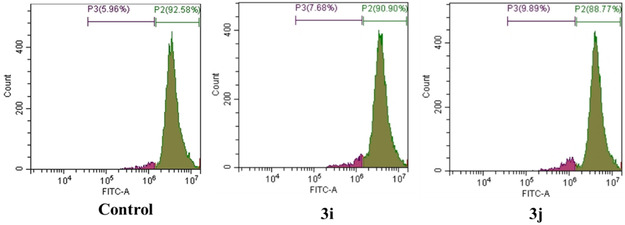 Figure 11
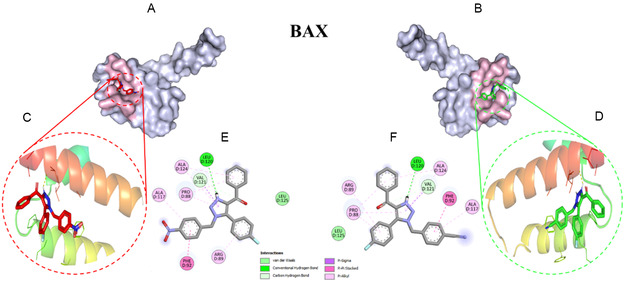 Figure 12
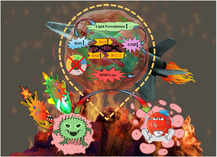 Figure 13
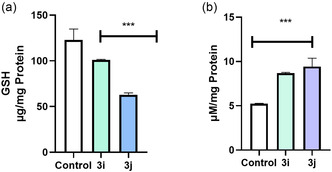 Figure 14
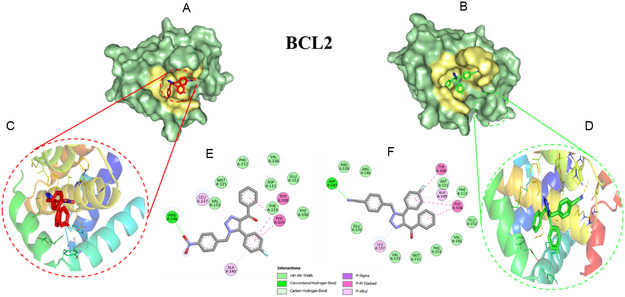 Figure 15
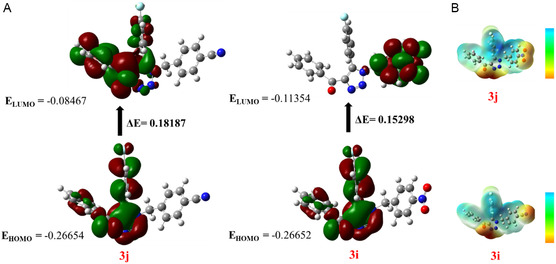 Figure 16
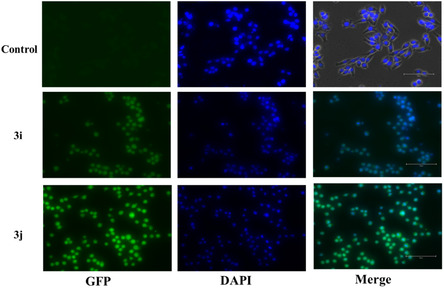 Figure 17
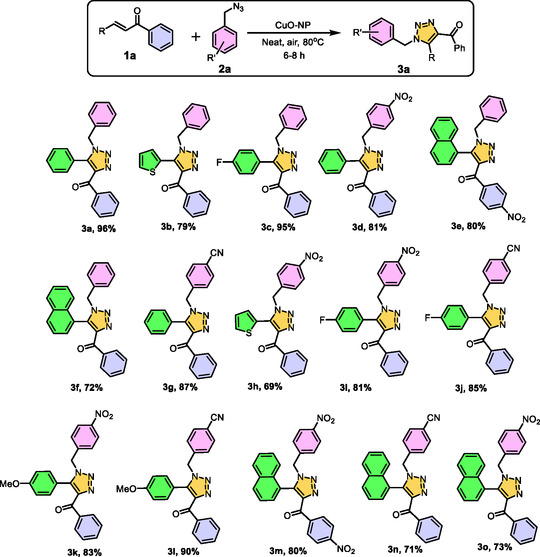 Figure 18
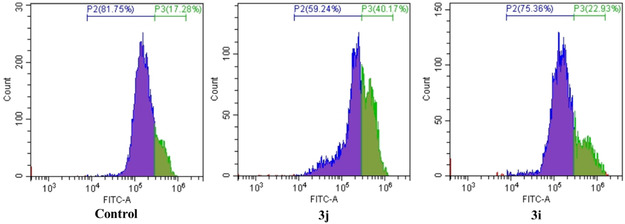 Figure 19
Peer Reviews
No public reviews on file for this paper yet. If you reviewed it on a platform where reviews are public (OpenReview, ICLR, NeurIPS, ICML), you can paste yours below so the community can read it here.
Videos
No videos yet. Explain this paper in a talk, walkthrough, or lecture? Add one.
Taxonomy
TopicsClick Chemistry and Applications · Metal complexes synthesis and properties · Sulfur Compounds in Biology