Effects of Low‐Intensity Endurance Training on Aerobic Fitness and Risk Factors of Cardiometabolic Health in Working‐Age Adults: A Systematic Review and Meta‐Analysis
Olli‐Pekka Nuuttila, Pekka Matomäki, Jani Raitanen, Harri Sievänen, Tommi Vasankari

TL;DR
This study reviews how low-intensity endurance training affects aerobic fitness and heart-related health in working-age adults.
Contribution
The paper provides a meta-analysis focusing on the lowest effective intensity of endurance training for various health outcomes.
Findings
Low-intensity endurance training significantly improves aerobic fitness (VO2max) with a large effect size.
Training also moderately improves ventilatory threshold (VT1) and slightly affects other cardiometabolic markers.
Higher intensity training correlates with greater VO2max improvements, but no minimum intensity threshold was identified for most outcomes.
Abstract
There is a lack of meta‐analyses focusing on low‐intensity endurance training (LIT), including considerations of the lowest effective intensity across different outcomes. This systematic review and meta‐analysis examined the effects of LIT on aerobic fitness and cardiometabolic health. Randomized controlled trials involving healthy adults aged 18–65 were included if the training intervention was ≥ 3 weeks, intensity was exclusively below the first lactate/ventilatory threshold (VT1), or ≤ 60% heart rate reserve, or maximum oxygen uptake (VO2max), or ≤ 75% maximum heart rate. Outcome variables were VO2max, VT1, systolic and diastolic blood pressure, plasma/serum low‐density, high‐density, and total cholesterol, triglycerides, and glucose. Effect sizes (ES) were calculated according to Hedge's g. The subgroup analyses (Q‐test) examined the effects of training and background…
Genes, proteins, chemicals, diseases, species, mutations and cell lines named across the full text — each resolved to its canonical identifier and authoritative record.
Click any figure to enlarge with its caption.
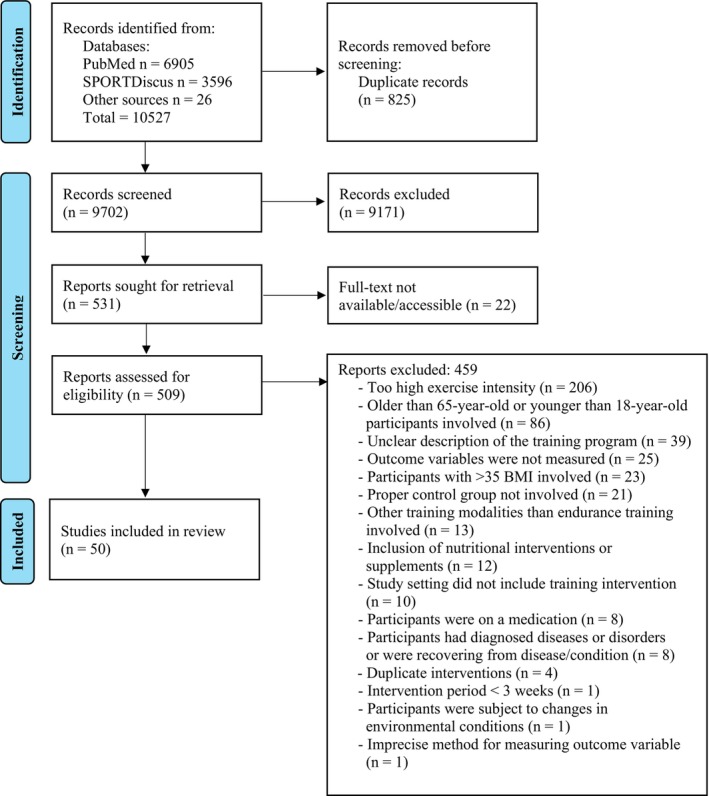 Figure 1
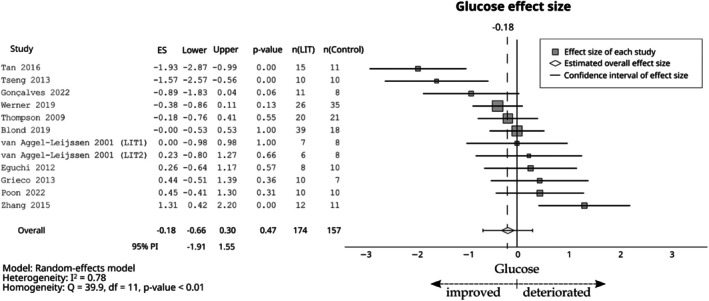 Figure 2
 Figure 3
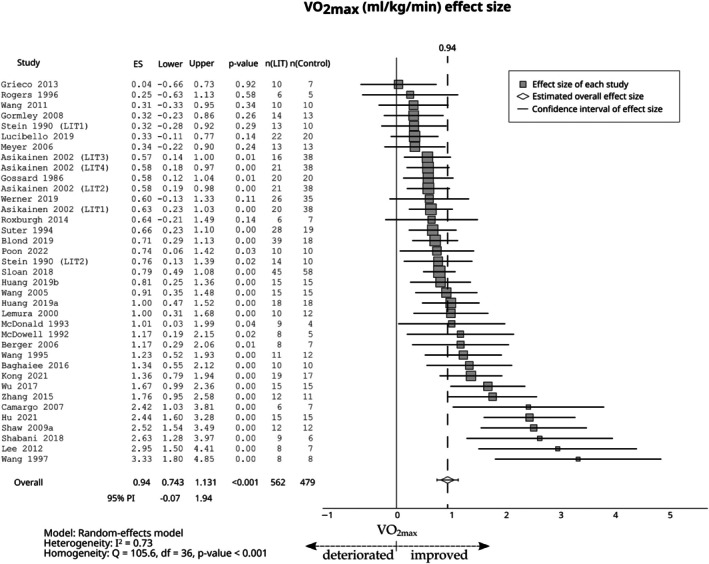 Figure 4
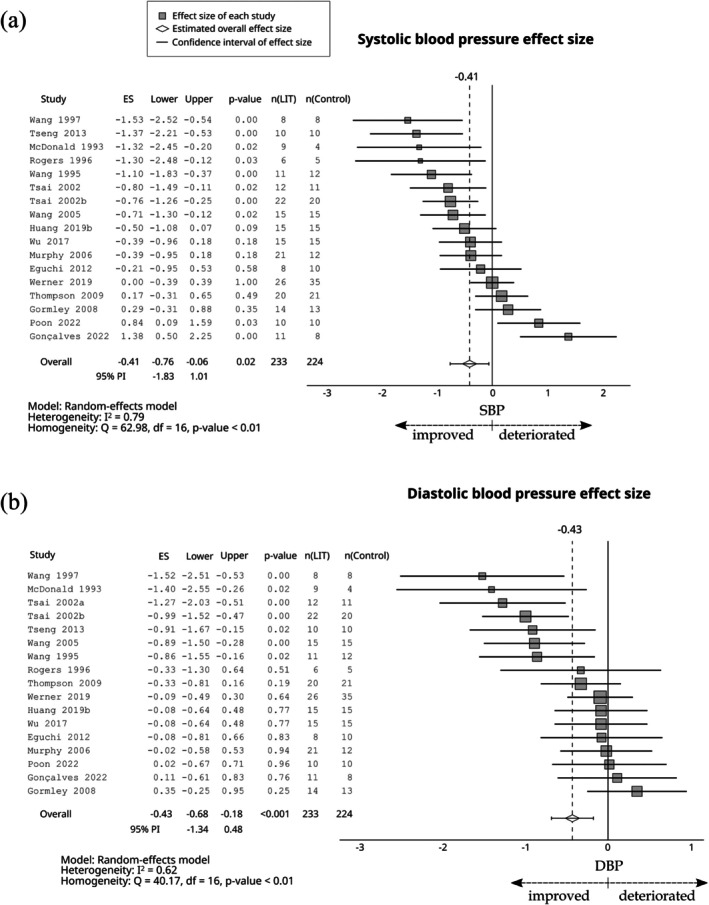 Figure 5
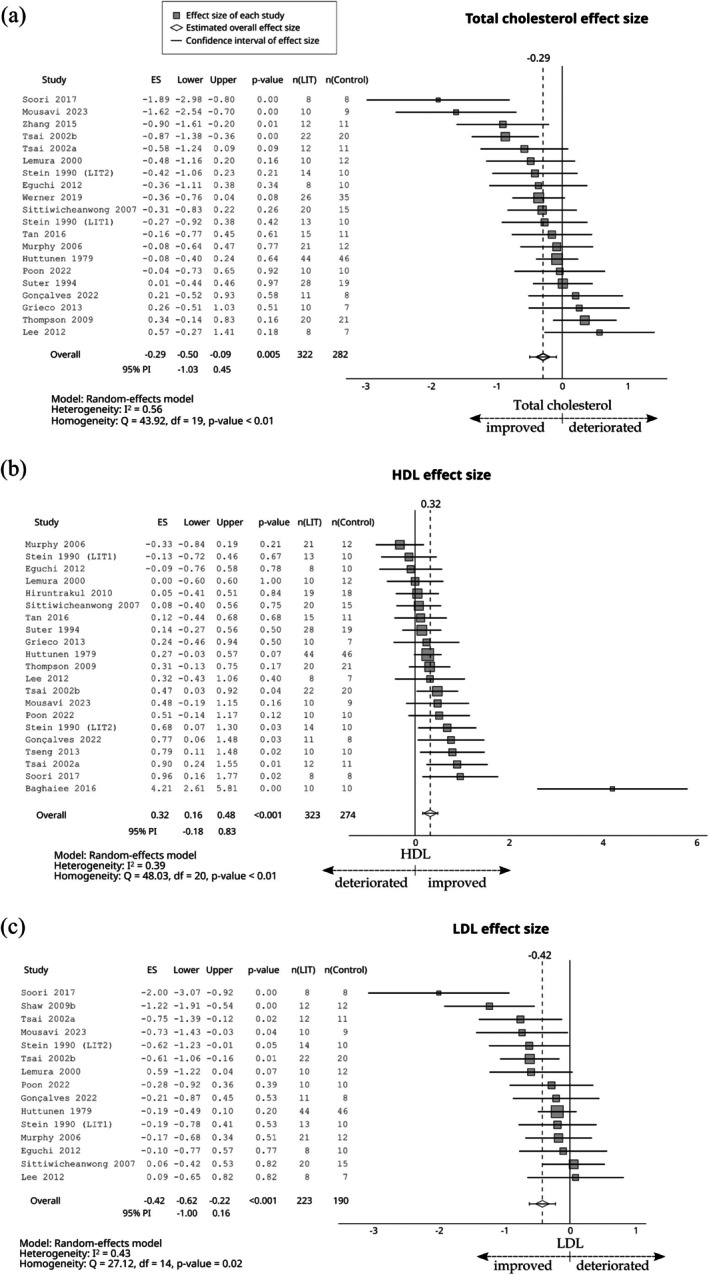 Figure 6
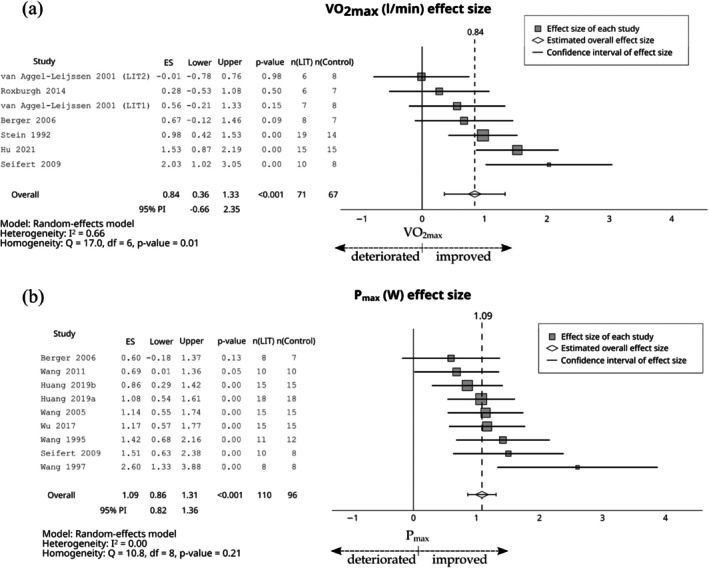 Figure 7
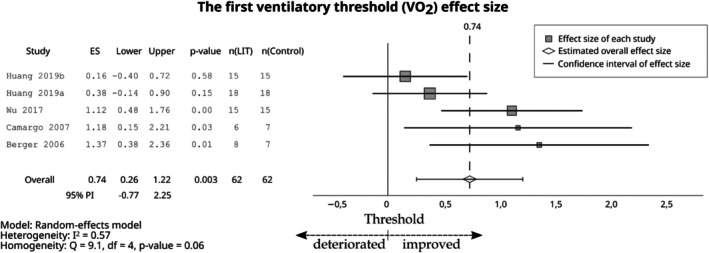 Figure 8
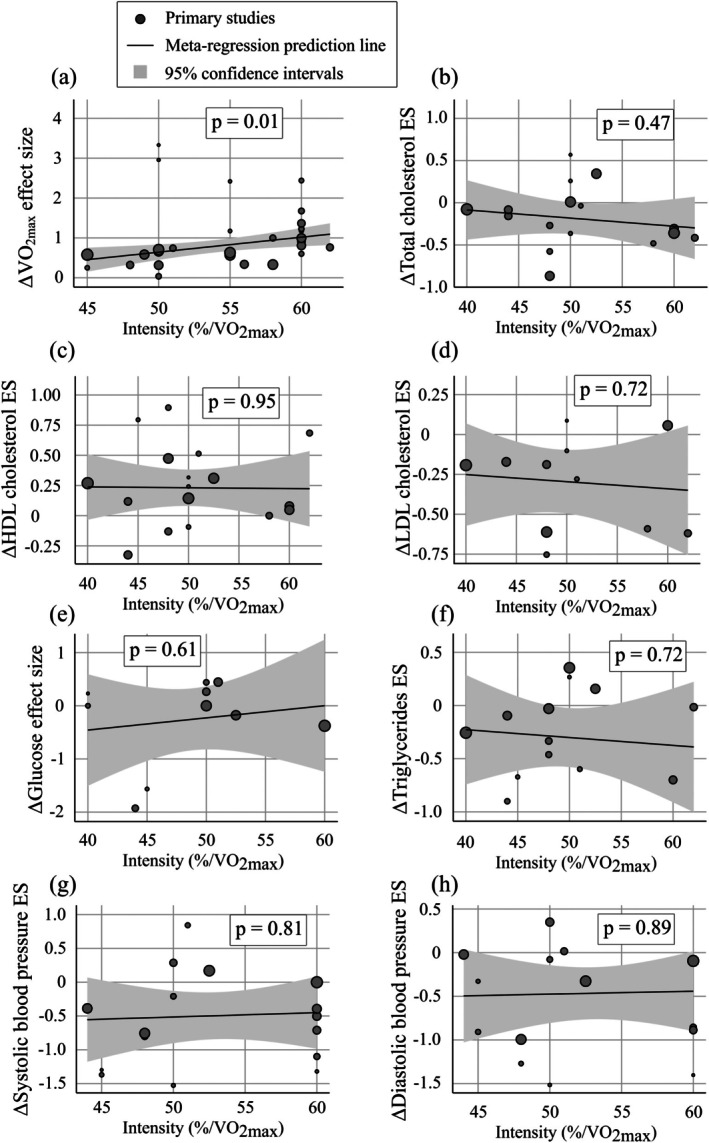 Figure 9
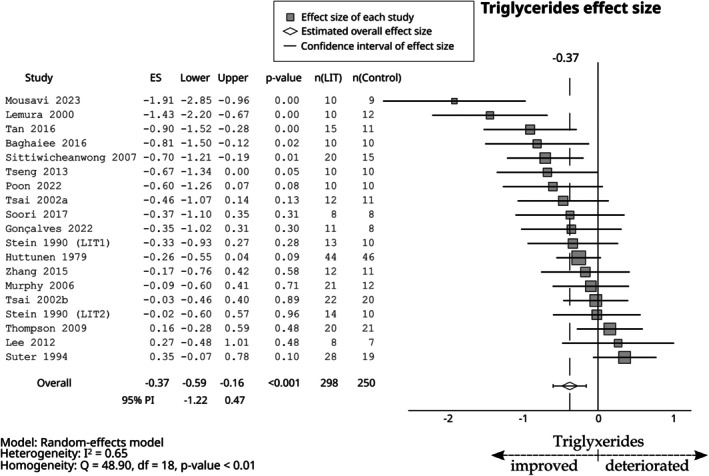 Figure 10
Peer Reviews
No public reviews on file for this paper yet. If you reviewed it on a platform where reviews are public (OpenReview, ICLR, NeurIPS, ICML), you can paste yours below so the community can read it here.
Videos
No videos yet. Explain this paper in a talk, walkthrough, or lecture? Add one.
Taxonomy
TopicsCardiovascular and exercise physiology · Sports Performance and Training · Cardiovascular Effects of Exercise