Multiomic profiling of ER-positive HER2-negative breast cancer reveals markers associated with metastatic spread
Sergio Mosquim Junior, Måns Zamore, Johan Vallon-Christersson, Lisa Rydén, Fredrik Levander

TL;DR
This study uses multiomic profiling to identify new markers in ER-positive HER2-negative breast cancer that are linked to metastatic spread, offering insights for better risk stratification.
Contribution
The study introduces a comprehensive multiomic dataset and identifies novel protein markers associated with metastatic risk in a specific breast cancer subtype.
Findings
Phosphorylated ES8L2 serine at position 570 is linked to improved recurrence-free survival in lymph node metastasis.
Heat shock protein 90 family proteins are associated with worse distant recurrence-free survival in metastatic cases.
The dataset includes proteome, phosphoproteome, and transcriptome data from 182 ER-positive/HER2-negative breast cancer tumors.
Abstract
Metastatic disease is the main cause of breast cancer (BC)-related deaths, but prediction of metastases remains challenging especially in the large and diverse group with estrogen receptor (ER)-positive, human epidermal growth factor receptor 2 (HER2)-negative tumors. Molecular tumor features beyond currently used markers could provide important information for stratifying metastatic risk. To allow for the discovery of new subtypes and molecular tumor features associated with metastatic spread, i.e., both lymph node and distant metastases, we here leverage advances in proteomic profiling of tumors. We developed a protocol for proteome and phosphoproteome analysis using label-free data independent acquisition (DIA) liquid chromatography tandem mass spectrometry (LC–MS/MS) and integrated the generated data with parallel transcriptome data for the profiling of 182 ER-positive,…
Genes, proteins, chemicals, diseases, species, mutations and cell lines named across the full text — each resolved to its canonical identifier and authoritative record.
Click any figure to enlarge with its caption.
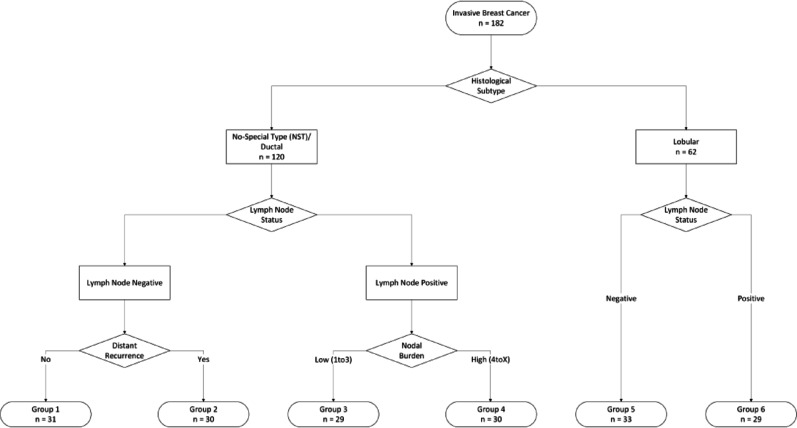 Figure 1
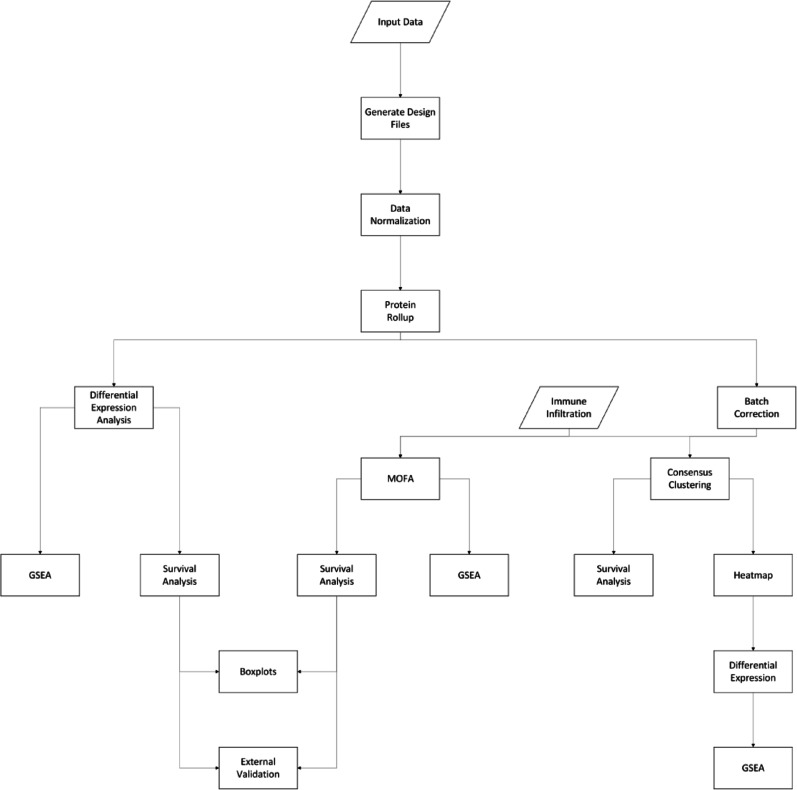 Figure 2
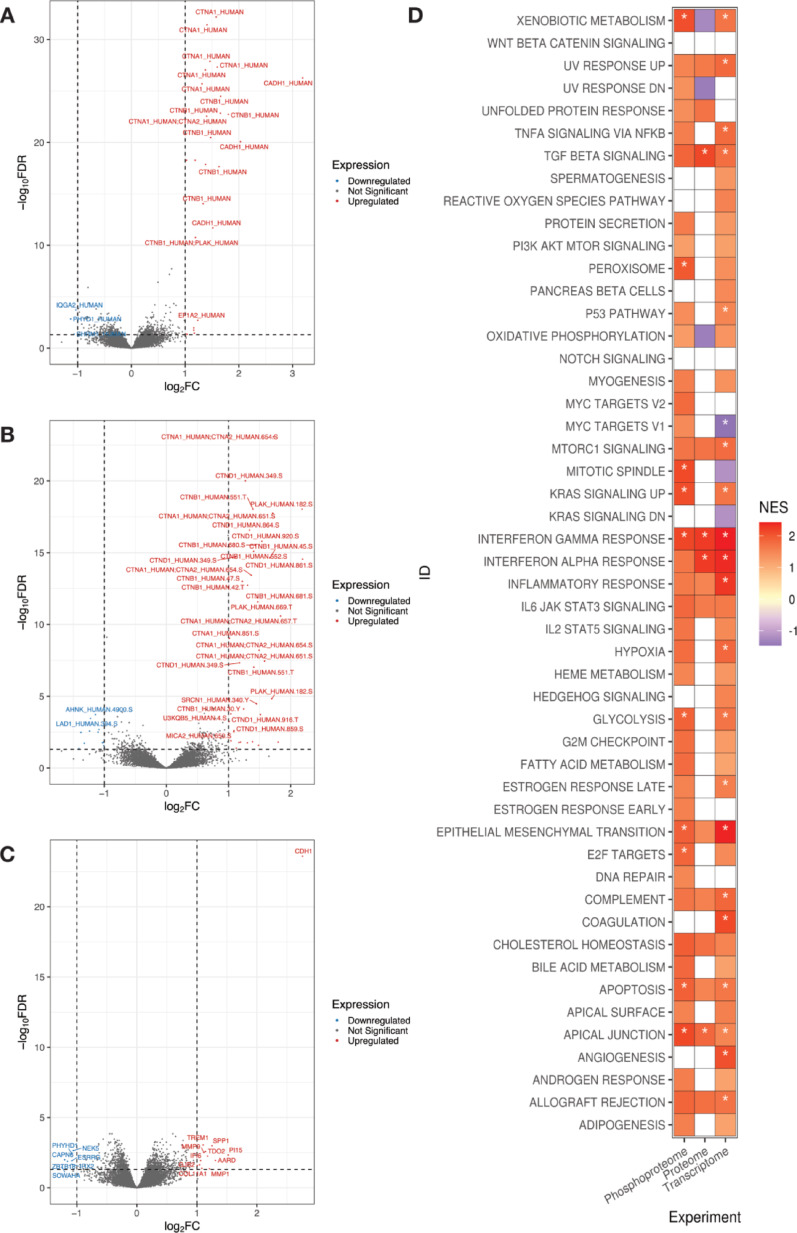 Figure 3
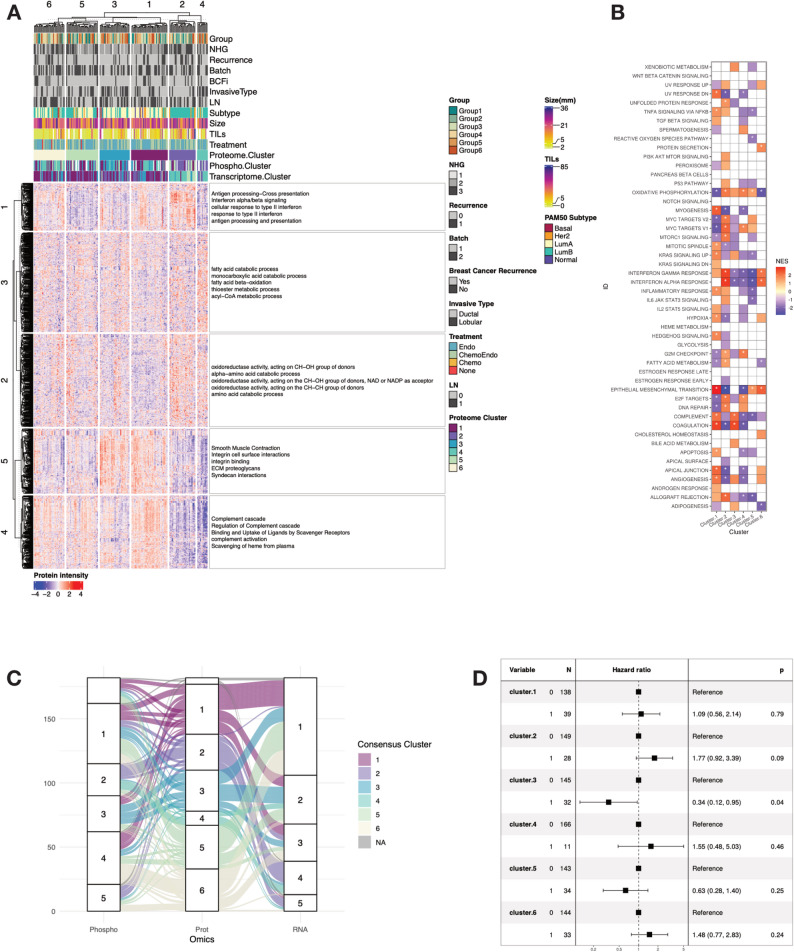 Figure 4
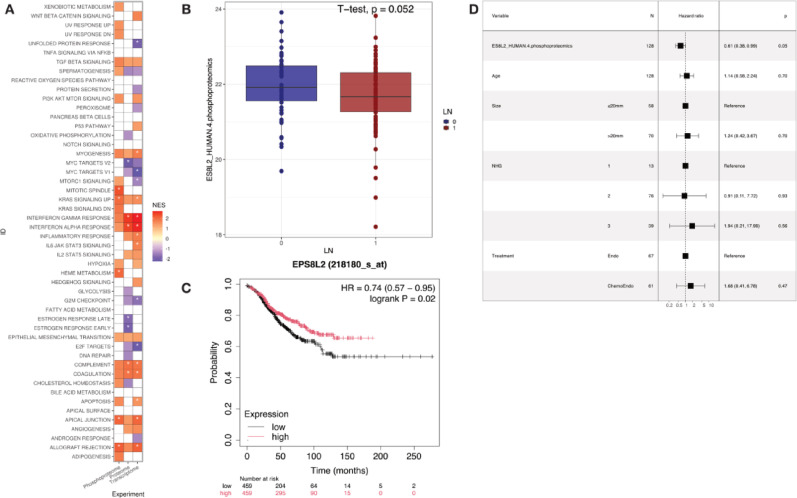 Figure 5
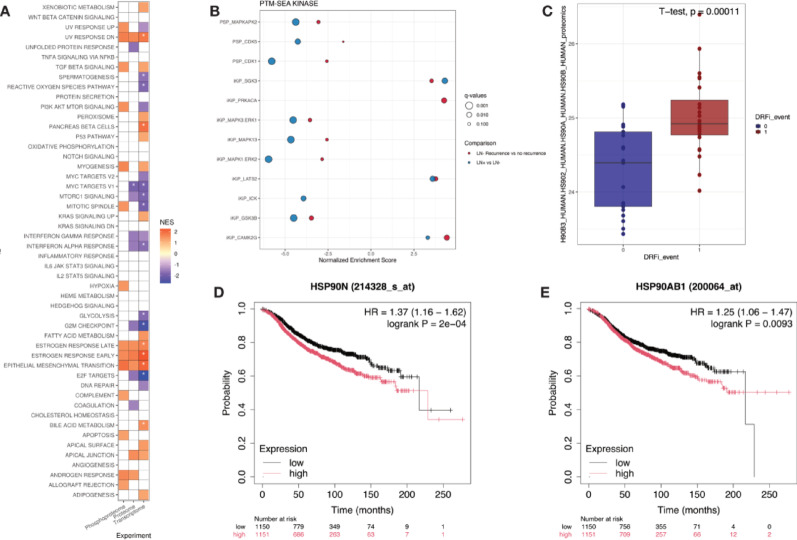 Figure 6
Peer Reviews
No public reviews on file for this paper yet. If you reviewed it on a platform where reviews are public (OpenReview, ICLR, NeurIPS, ICML), you can paste yours below so the community can read it here.
Videos
No videos yet. Explain this paper in a talk, walkthrough, or lecture? Add one.
Taxonomy
TopicsBreast Cancer Treatment Studies · Advanced Proteomics Techniques and Applications · Cancer Immunotherapy and Biomarkers