Cardioprotective mechanism of ω-3 fatty acid icosapent ethyl (IPE) in cardiomyocytes: role in high glucose and shear stress-induced mechano-transduction dysregulation
Ada Pesapane, Lucia Scisciola, Manuela Giovanna Basilicata, Rosaria Anna Fontanella, Nunzia Balzano, Annalisa Capuano, Asad Zia, Maryam Arshad, Zeeshan Ulfat, Giovanni Tortorella, Ludovica Vittoria Marfella, Alberta Maria Maddalena Palazzo, Giuseppe Signoriello, Celestino Sardu

TL;DR
This study shows that icosapent ethyl protects heart cells from damage caused by high glucose and turbulent blood flow by reducing inflammation and stress.
Contribution
The study reveals a novel mechanism by which icosapent ethyl modulates mechano-transduction and inflammation in heart cells under metabolic and hemodynamic stress.
Findings
IPE reduces YAP/TAZ pathway activation caused by high glucose in cardiomyocytes.
IPE mitigates inflammation, oxidative stress, and metabolic changes in high glucose and shear stress conditions.
IPE restores upstream regulators of YAP/TAZ and reduces pro-inflammatory pathways in disturbed flow models.
Abstract
Omega-3 fatty acids (FAs) are long-chain fatty acids that have shown cardioprotective effects through lipid lowering, anti-inflammatory, and membrane-stabilizing properties. In this study we investigated the molecular mechanism underlying the cardioprotective effects of icosapent ethyl (IPE), an ethyl ester of omega-3 fatty (EPA), focusing on its role on mechano-transduction, a process linking cardiac contractility to intracellular signaling, that becomes dysregulated in hyperglycaemia or disturbed blood flow, both major contributors to cardiovascular diseases. We conducted in vivo meta-analyses to assess the beneficial effects of omega-3 fatty acids on cardiac contractility and inflammation in patients with cardiovascular and cardiometabolic diseases. We investigated the effects of IPE on mechano-transduction, assessing the activation of the YAP/TAZ signalling pathway, in…
Genes, proteins, chemicals, diseases, species, mutations and cell lines named across the full text — each resolved to its canonical identifier and authoritative record.
Click any figure to enlarge with its caption.
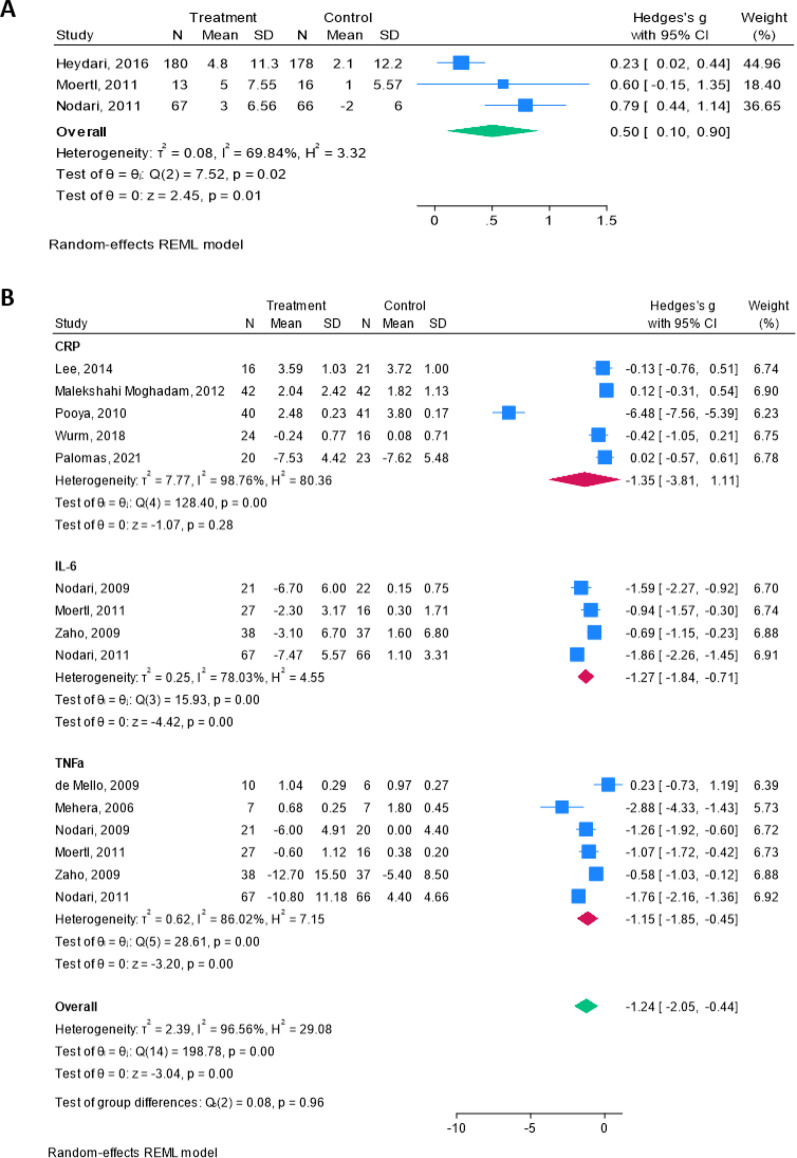 Figure 1
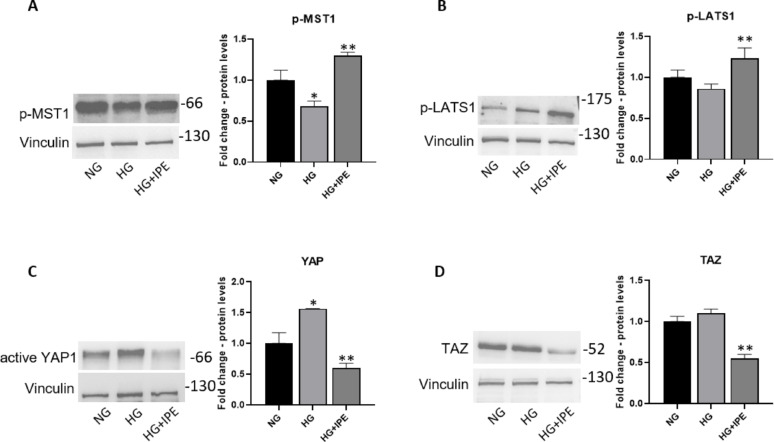 Figure 2
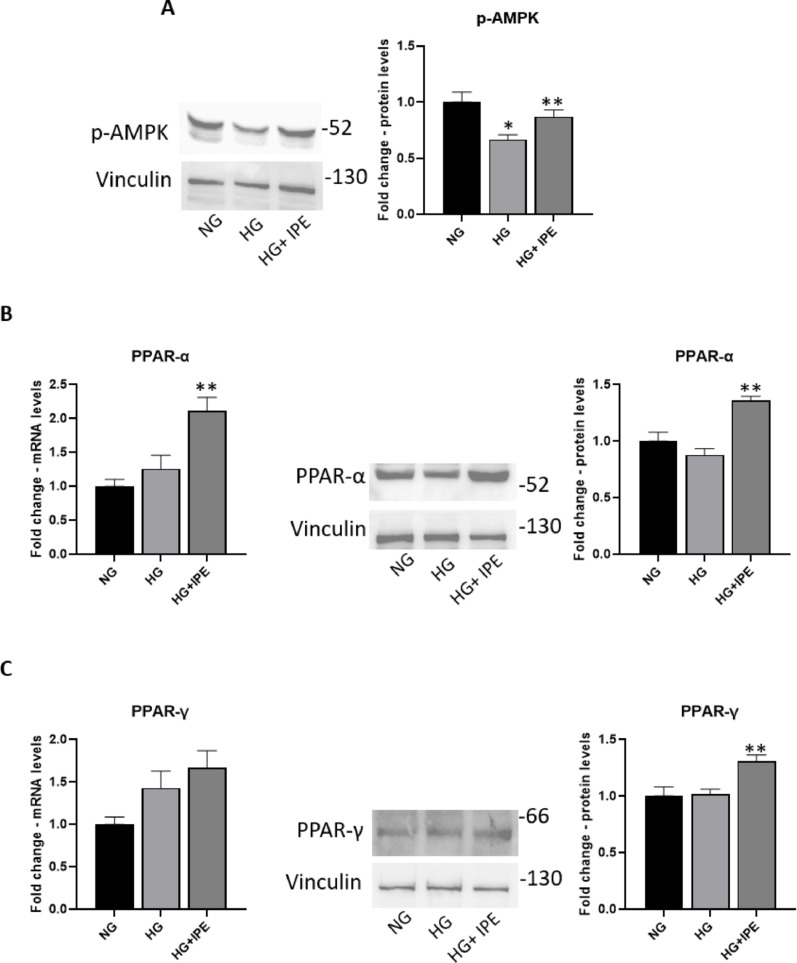 Figure 4
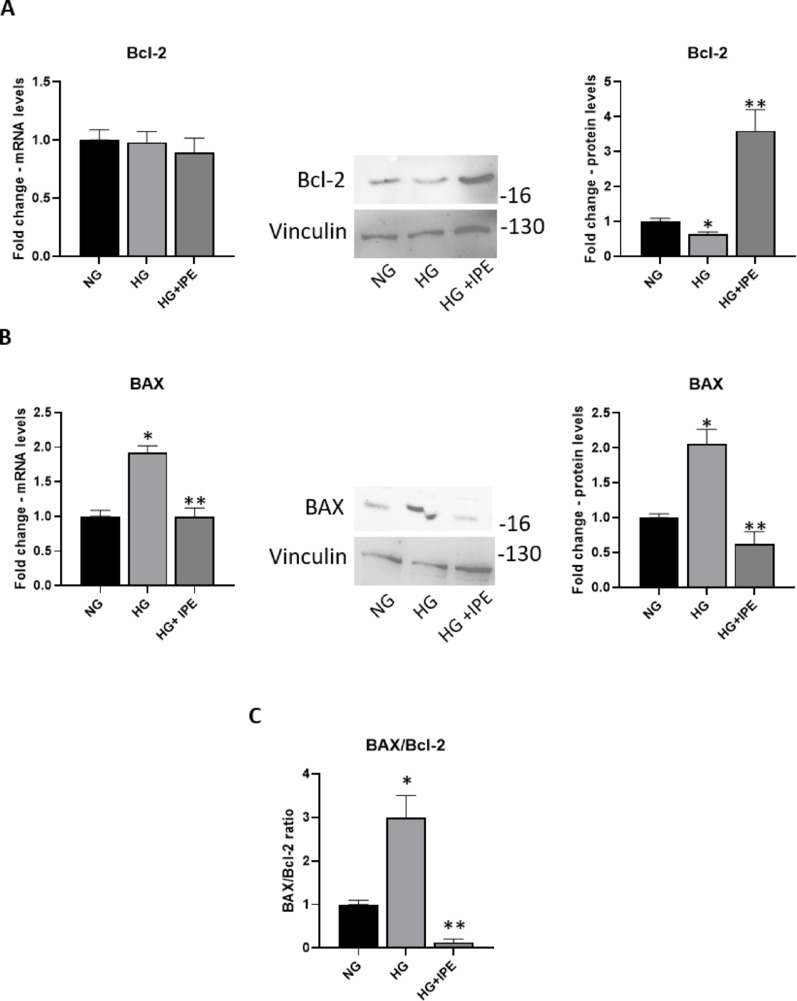 Figure 5
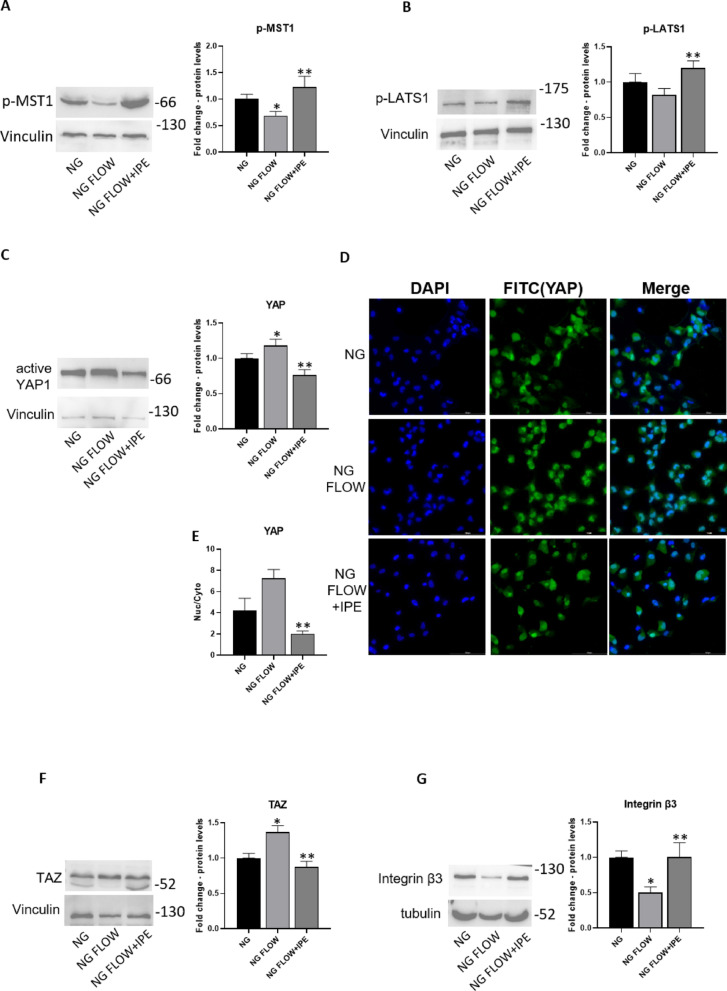 Figure 6
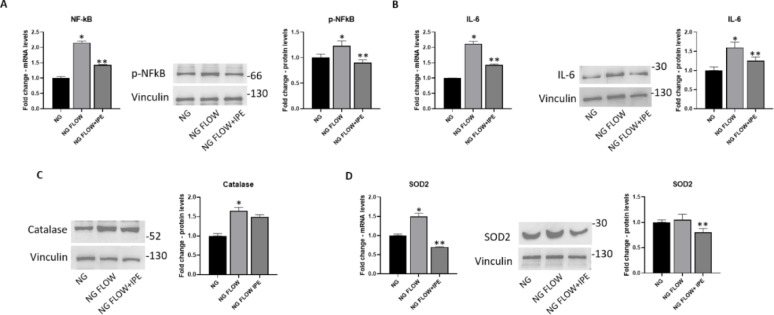 Figure 7
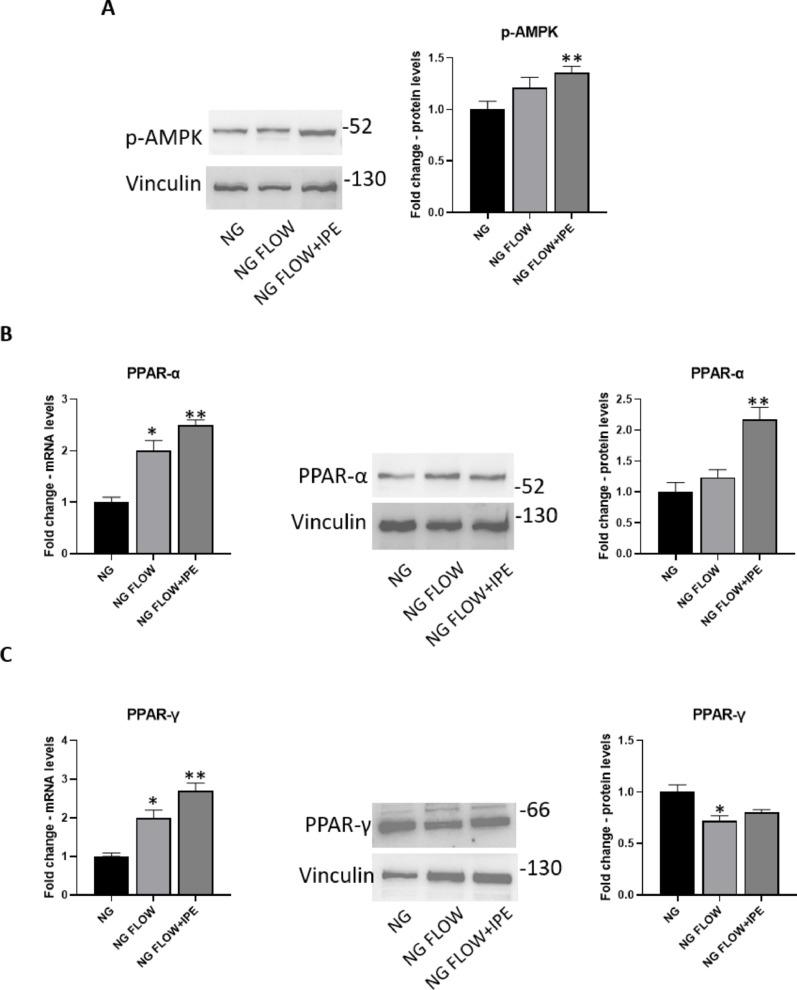 Figure 8
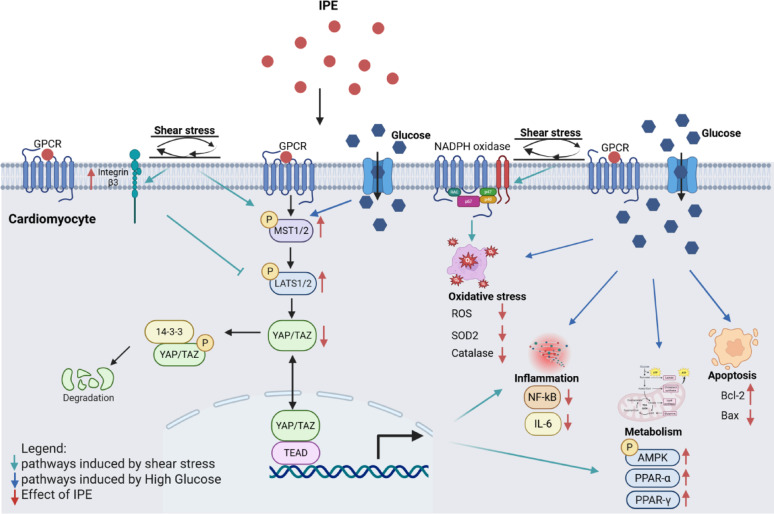 Figure 8
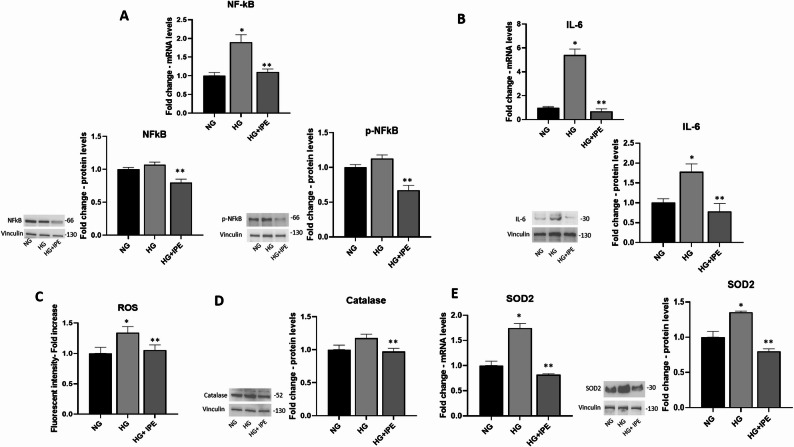 Figure 9
Peer Reviews
No public reviews on file for this paper yet. If you reviewed it on a platform where reviews are public (OpenReview, ICLR, NeurIPS, ICML), you can paste yours below so the community can read it here.
Videos
No videos yet. Explain this paper in a talk, walkthrough, or lecture? Add one.
Taxonomy
TopicsHippo pathway signaling and YAP/TAZ · Fatty Acid Research and Health · Proteoglycans and glycosaminoglycans research