Cryptosporidium spp. infection drives distinct alterations in the faecal extracellular vesicles metaproteome of calves
Chanaka Premathilaka, Kasun Godakumara, Mandy Jayne Peffers, Emily J. Clarke, Elisabeth Dorbek-Sundström, Toomas Orro, Suranga Kodithuwakku, Alireza Fazeli

TL;DR
This study shows that Cryptosporidium infection in calves changes the proteins in their fecal extracellular vesicles, offering a non-invasive way to monitor gut health and disease.
Contribution
The study introduces faecal extracellular vesicles as a novel non-invasive tool for monitoring gut health and pathogen effects in calves.
Findings
Cryptosporidium spp. infection alters the faecal extracellular vesicles proteome, reducing host and microbial defense proteins.
fEVs contain host and microbial proteins that reflect gut physiology and pathophysiology.
Lyophilisation significantly changes the protein profiles of fEVs.
Abstract
The gut is primarily responsible for digestion and nutrient absorption, plays essential roles in immune regulation and metabolic balance, and is supported by a diverse microbiome essential for digestion, absorption, and defence from pathogens. Understanding gut physiology and pathophysiology in pre-weaned calves is essential, as infections like cryptosporidiosis can lead to gut dysbiosis, impair growth, and negatively affect long-term productivity. Faeces are considered easily accessible biological specimens that can be used to monitor gastrointestinal disorders. The methods employed in this study aimed to investigate the potential use of faecal extracellular vesicles (fEVs) as a non-invasive tool for assessing gut health and infections in calves. Particularly, considering Cryptosporidiosis as a model for gut infectious disease. The analysis using a hybrid reference-based metaproteomic…
Genes, proteins, chemicals, diseases, species, mutations and cell lines named across the full text — each resolved to its canonical identifier and authoritative record.
Click any figure to enlarge with its caption.
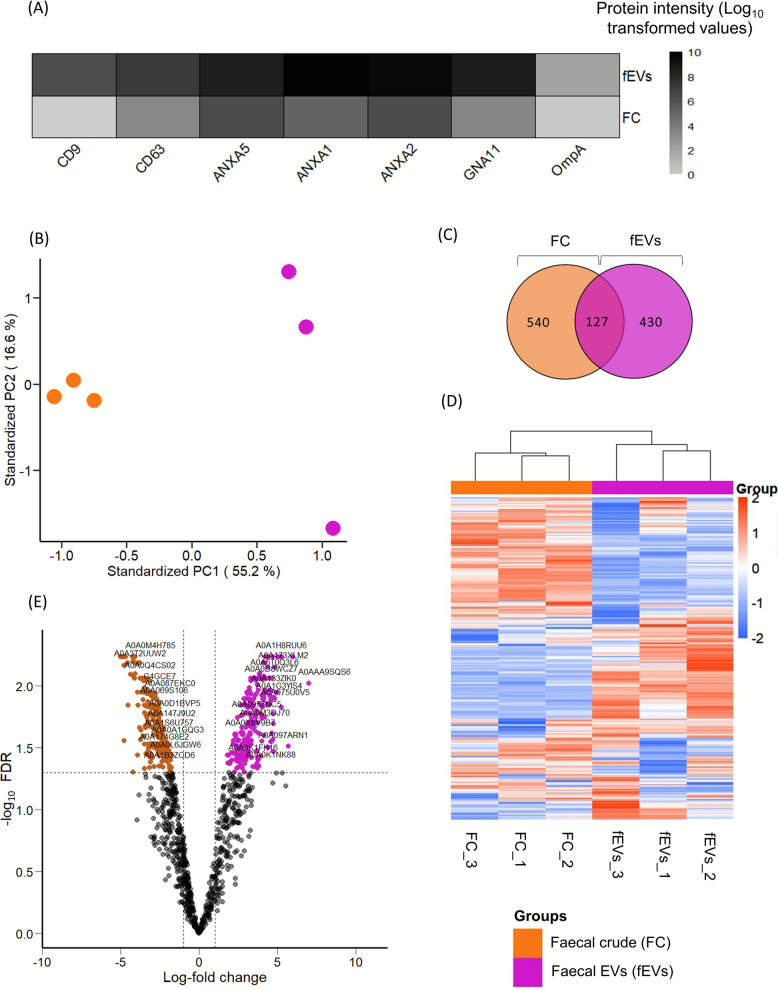 Figure 1
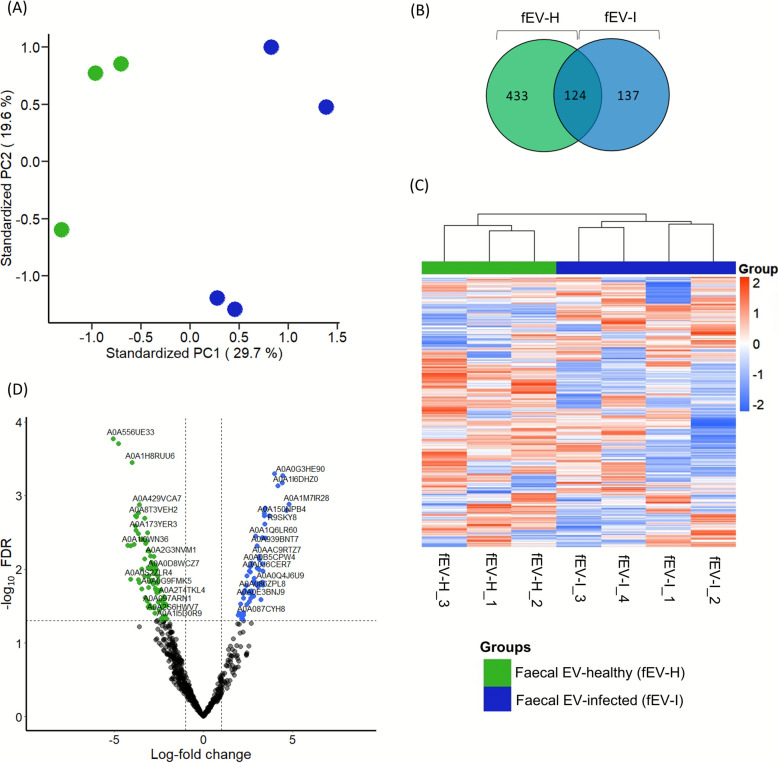 Figure 2
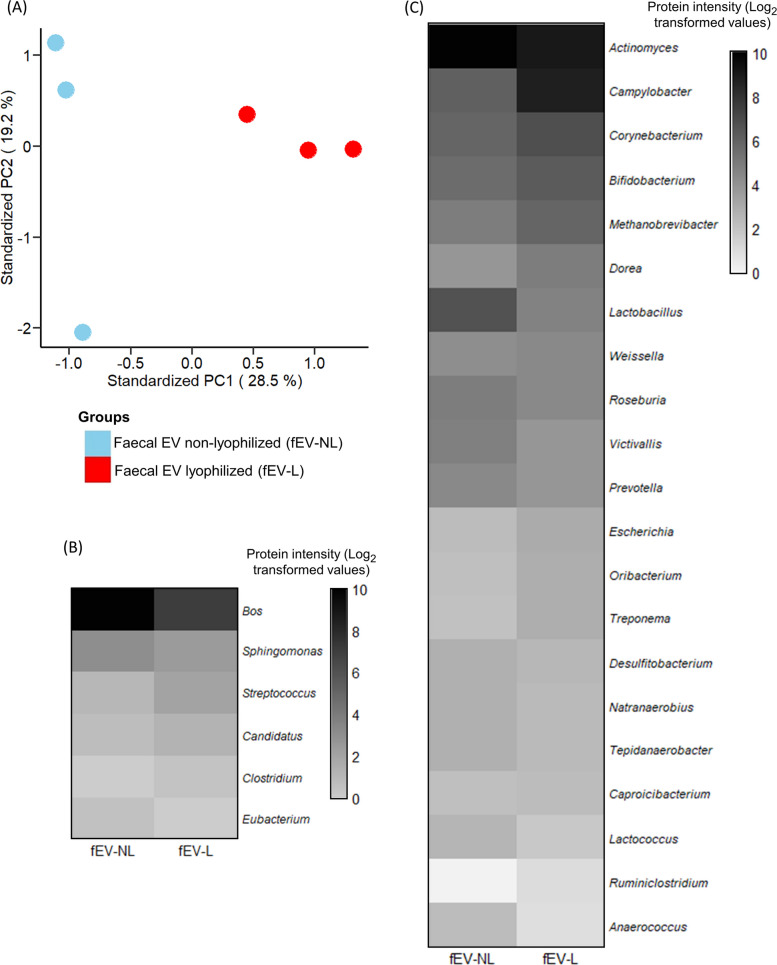 Figure 3
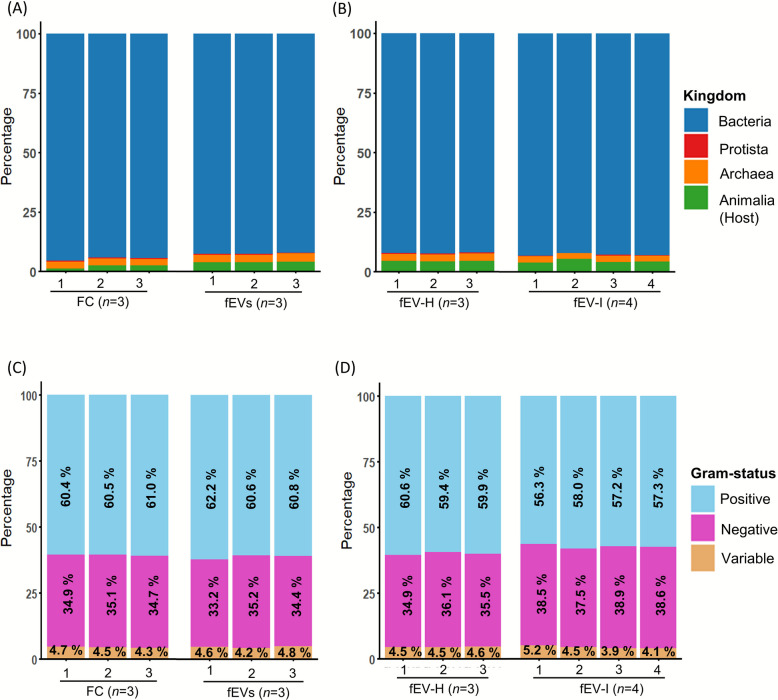 Figure 4
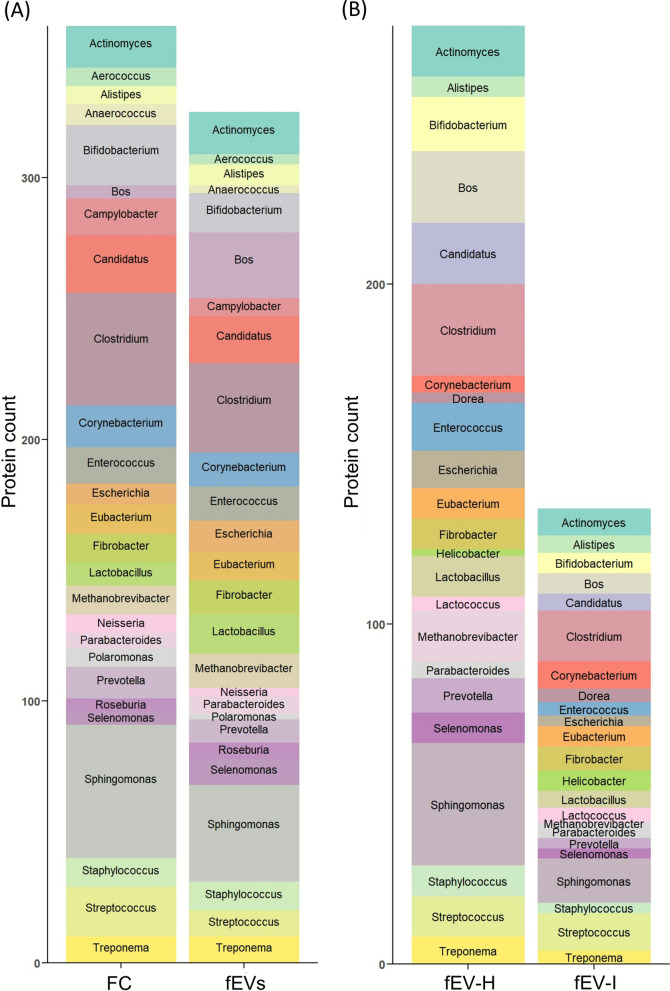 Figure 5
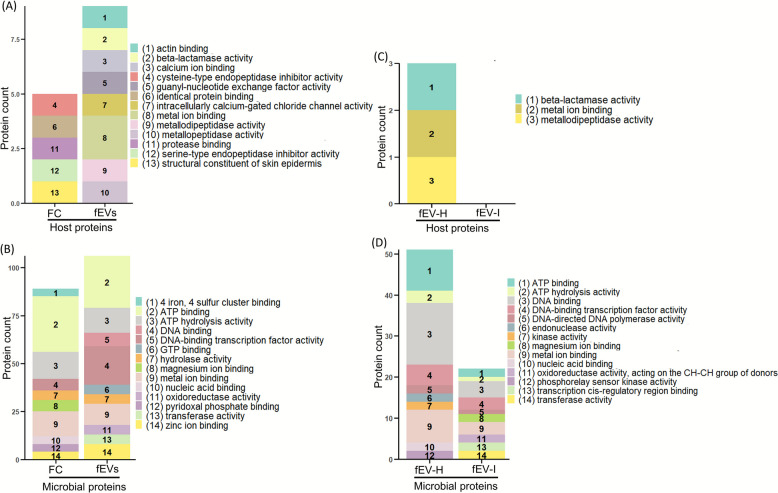 Figure 6
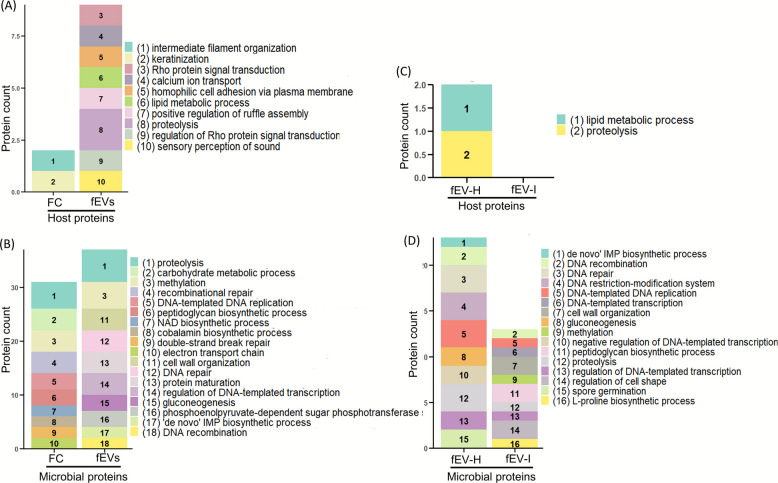 Figure 7
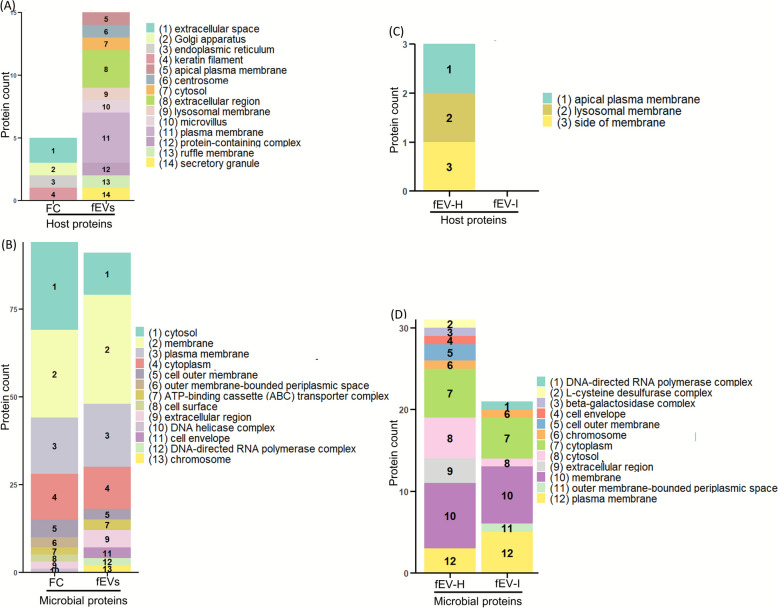 Figure 8
Peer Reviews
No public reviews on file for this paper yet. If you reviewed it on a platform where reviews are public (OpenReview, ICLR, NeurIPS, ICML), you can paste yours below so the community can read it here.
Videos
No videos yet. Explain this paper in a talk, walkthrough, or lecture? Add one.
Taxonomy
TopicsParasitic Infections and Diagnostics · Animal health and immunology · Toxoplasma gondii Research Studies