Synthesis, characterization, DFT calculation, and biological activity of a new Schiff base ligand and its ZnO and Co3O4 nano-metal oxide complexes
Abeer W. Hasan, Zainab N. Zubaidi, Maha Y. Mustafa, Lekaa K. Abdul Karem, Riyadh M. Ahmed, Osama’a A. Y. Al-Samrai, Mouhaned Y. Al-Darwesh, Ibrahim Nazem Qader, Karukh Ali Babakr

TL;DR
This paper reports the synthesis of a new ligand and its metal complexes, which were used to create ZnO and Co3O4 nanoparticles with antibacterial properties.
Contribution
The study introduces a novel Schiff base ligand and its nano-metal oxide complexes with enhanced antibacterial activity.
Findings
ZnO and Co3O4 nanoparticles showed strong antibacterial activity against both Gram-positive and Gram-negative bacteria.
DFT calculations revealed that complexation reduced the HOMO-LUMO energy gap, increasing chemical reactivity.
ZnO nanoparticles exhibited the largest inhibition zones, up to 28 mm, compared to the metal complexes and free ligand.
Abstract
A novel heterocyclic Schiff base ligand, {2,2′-((4-chloro-1,3-phenylene)-bis(oxy))bis-(N′-((E)-(1 H-benzo[1-3]-triazole-1-yl)methylene)acetohydrazide)}, was synthesized and coordinated with Co(II) and Zn(II) chlorides to yield two metal complexes. The ligand and complexes were analyzed using FT-IR, ¹H and ¹³C NMR, UV-visible spectroscopy, and mass spectrometry, which provided spectral shifts typical of coordination involving the imine nitrogen and amide carbonyl groups. DFT calculations (B3LYP/LanL2DZ) showed that complexation decreased the energy gap between HOMO and LUMO from 4.26 eV (free ligand) to 3.18 eV and 2.66 eV for Zn(II) and Co(II) complexes, respectively, showing increased chemical reactivity. Similarly, the electrophilicity index increased to 33.81 eV for the Zn complex and 40.97 eV for the Co complex, indicating increased electron-accepting ability and potential…
Genes, proteins, chemicals, diseases, species, mutations and cell lines named across the full text — each resolved to its canonical identifier and authoritative record.
Click any figure to enlarge with its caption.
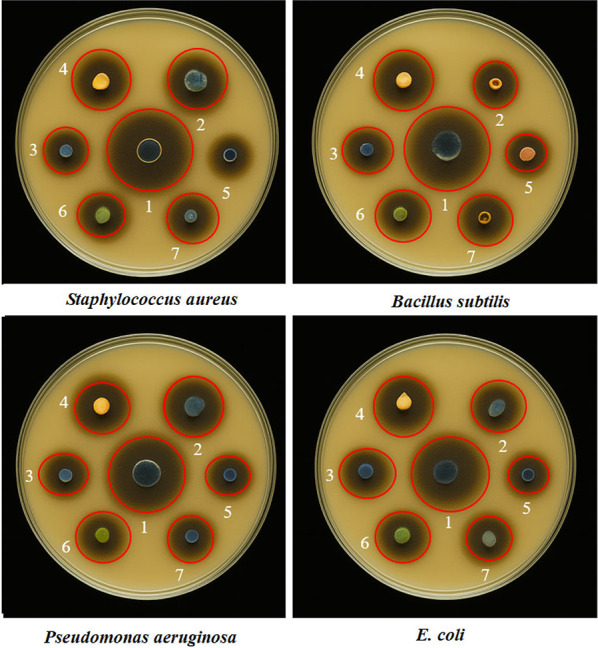 Figure 10
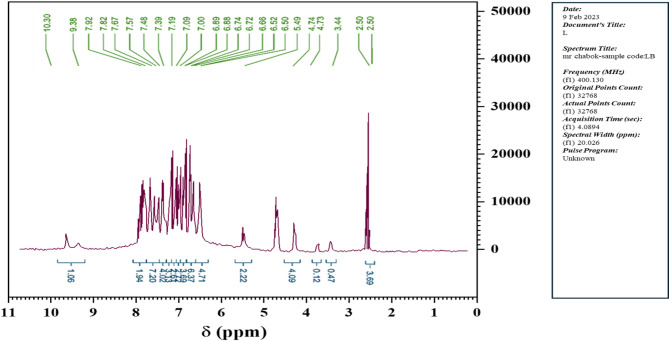 Figure 1
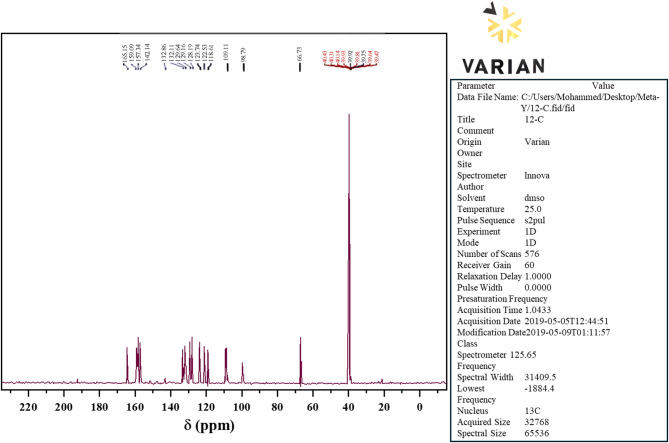 Figure 2
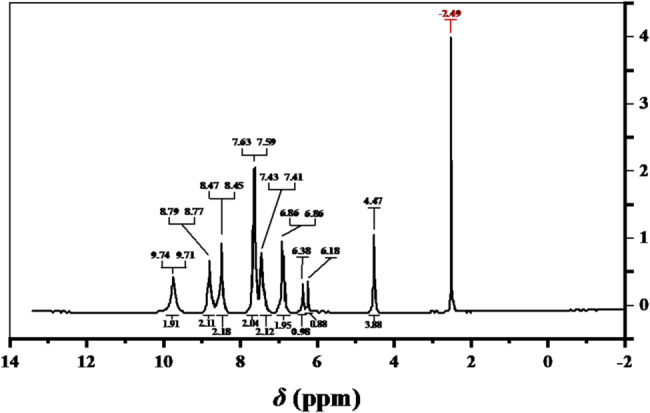 Figure 3
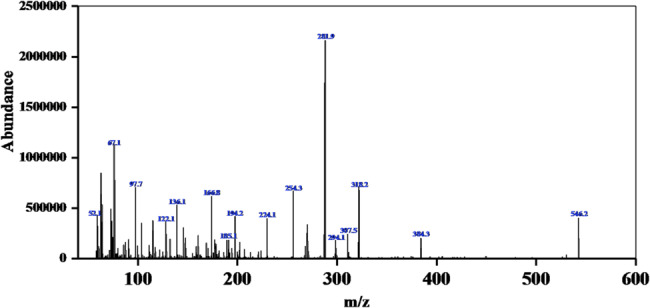 Figure 4
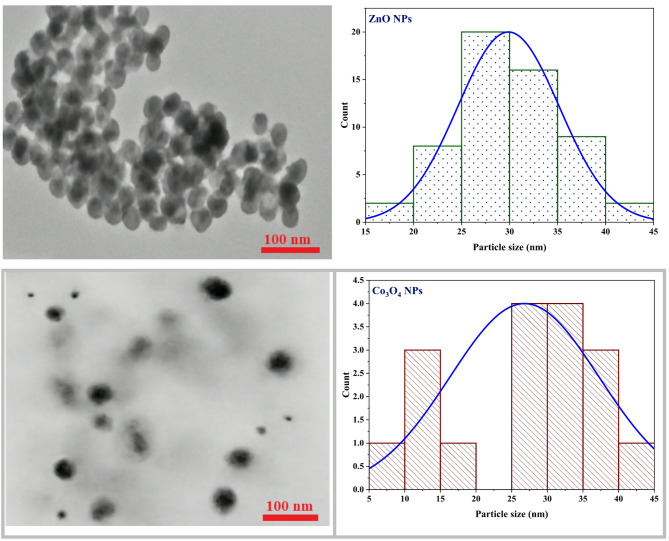 Figure 5
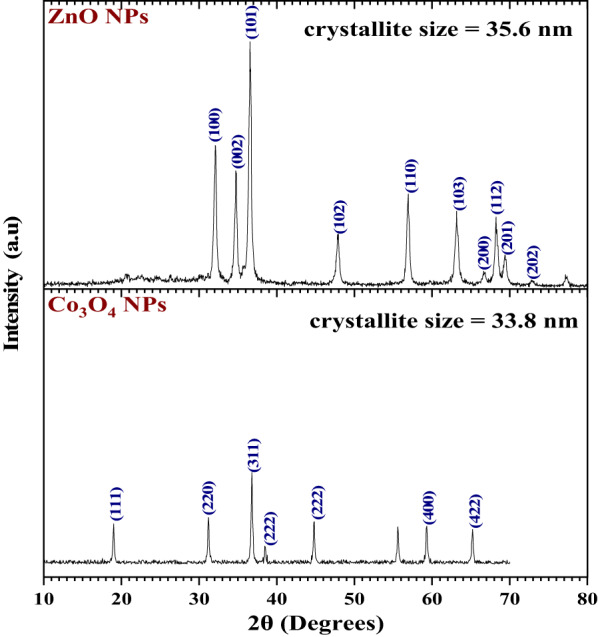 Figure 6
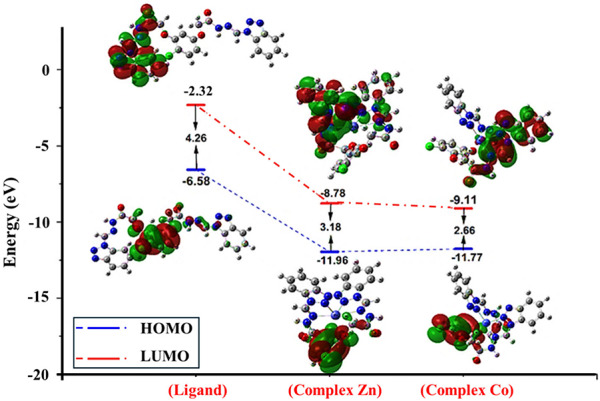 Figure 7
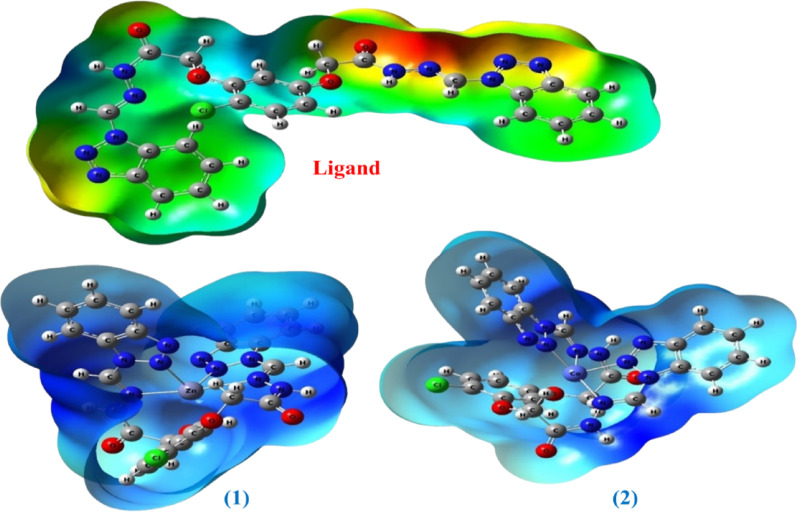 Figure 8
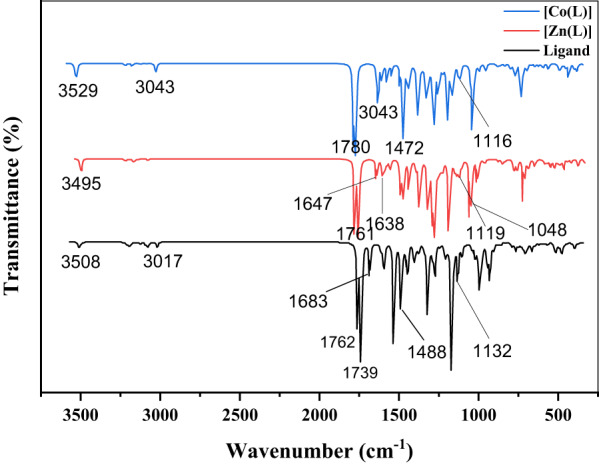 Figure 9
Peer Reviews
No public reviews on file for this paper yet. If you reviewed it on a platform where reviews are public (OpenReview, ICLR, NeurIPS, ICML), you can paste yours below so the community can read it here.
Videos
No videos yet. Explain this paper in a talk, walkthrough, or lecture? Add one.
Taxonomy
TopicsMetal complexes synthesis and properties · Nonlinear Optical Materials Research · Synthesis of Tetrazole Derivatives