Heat Flow in Solvent–Free, Dense Amorphous and Semi–Crystalline Cellulose Derivatives
Debashish Mukherji, Tiago Espinosa de Oliveira, Nusrat Chowdhury, David G. Cahill, Marcus Müller

TL;DR
This study uses simulations to compare the thermal conductivity of cellulose and cellulose acetate, showing they can match synthetic polymers, making them viable eco-friendly alternatives.
Contribution
Quantum-corrected thermal conductivity estimates for amorphous and semi-crystalline cellulose derivatives using molecular dynamics simulations.
Findings
Amorphous cellulose has thermal conductivity of 0.14–0.26 Wm⁻¹ K⁻¹, comparable to synthetic polymers.
Semi-crystalline cellulose shows 20–35% higher thermal conductivity at 20% crystallinity.
Cellulose acetate has slightly lower thermal conductivity than cellulose in amorphous forms.
Abstract
Polymers are essential in our everyday life due to their versatility and tunable properties, but common synthetic polymers pose significant environmental challenges. This has led to growing interest in natural, biodegradable alternatives such as cellulose. For cellulose to serve as a viable alternative, it must match or ideally exceed materials properties of synthetic polymers. Thermal conductivity, κ, is one such critical property that often determines the suitability of polymers for a wide range of applications. In this study, we employ large–scale molecular dynamics simulations to investigate heat transport in dense, solvent–free cellulose and cellulose acetate systems. Our focus is on the amorphous phases of both materials, as well as the semi–crystalline phase of pure cellulose. By analyzing the vibrational density of states, g(ν), we report quantum–corrected estimates of the heat…
Genes, proteins, chemicals, diseases, species, mutations and cell lines named across the full text — each resolved to its canonical identifier and authoritative record.
Click any figure to enlarge with its caption.
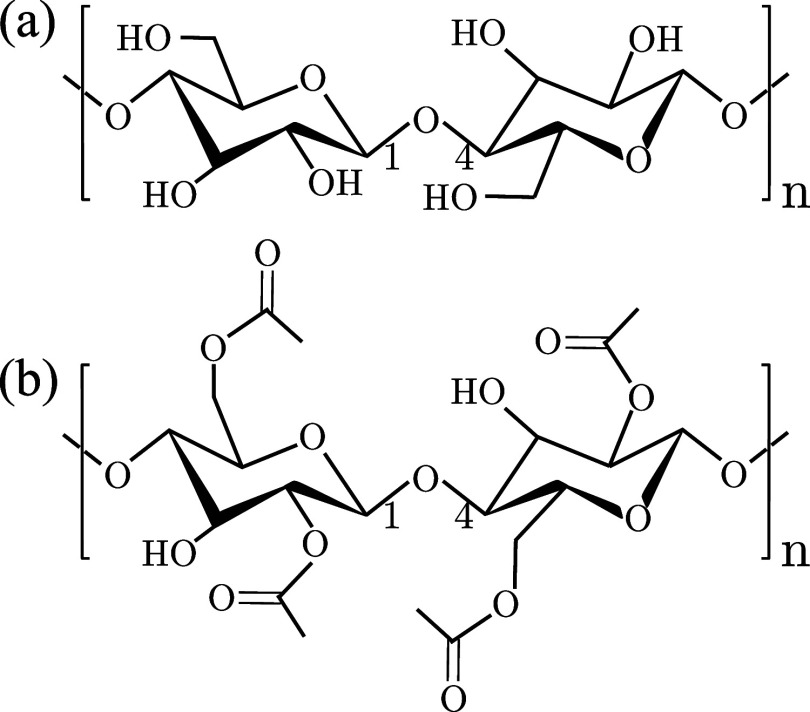 Figure 1
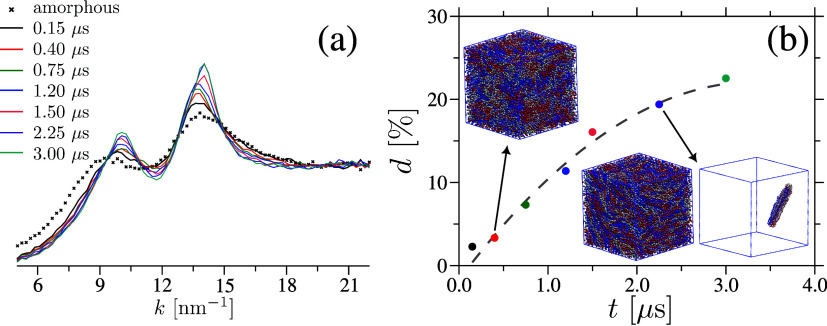 Figure 2
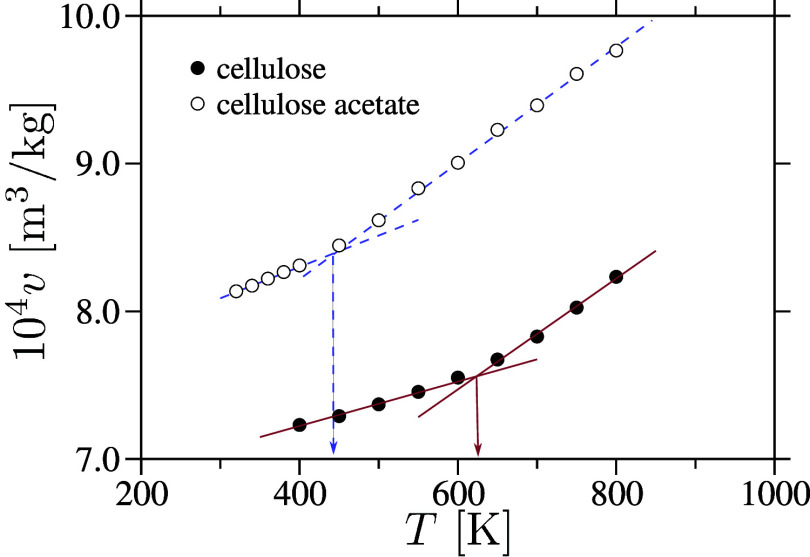 Figure 3
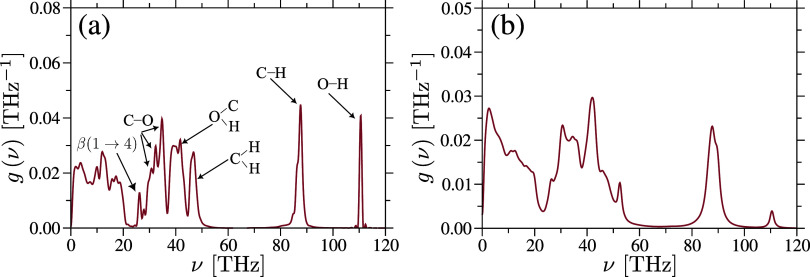 Figure 4
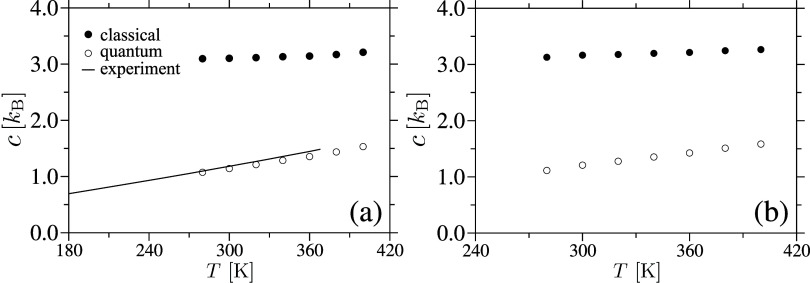 Figure 5
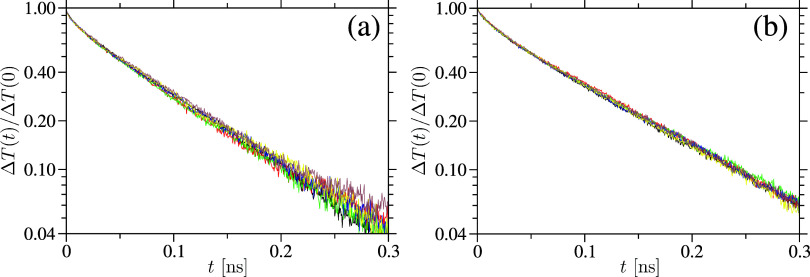 Figure 6
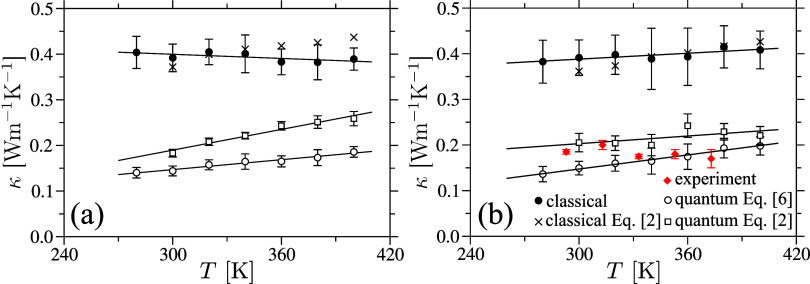 Figure 7
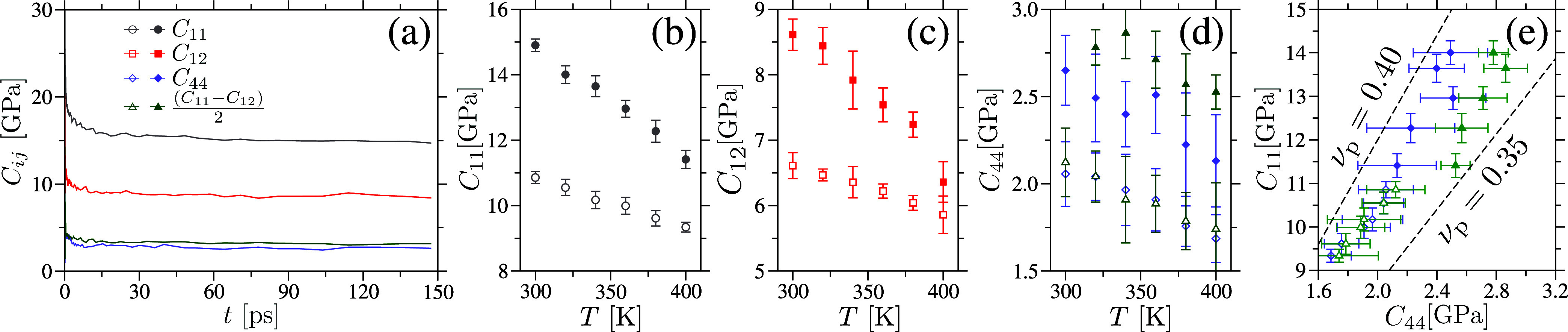 Figure 8
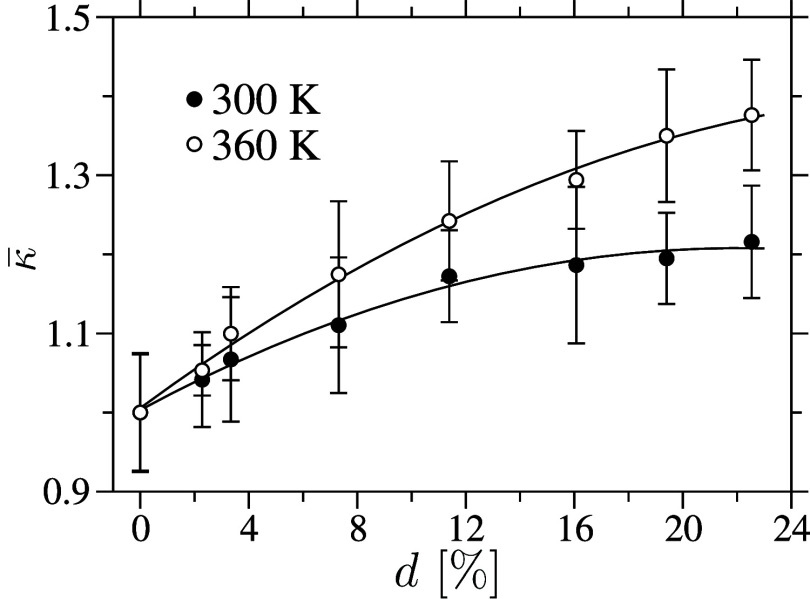 Figure 9
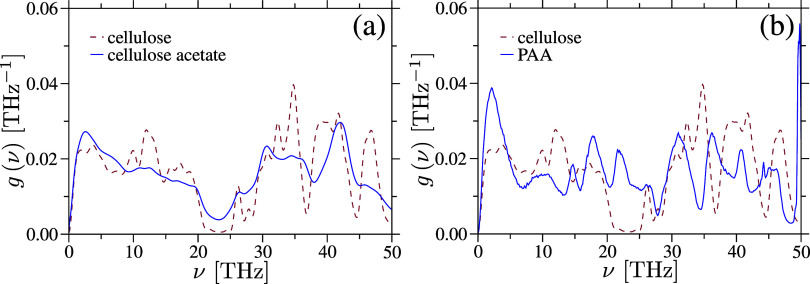 Figure 10
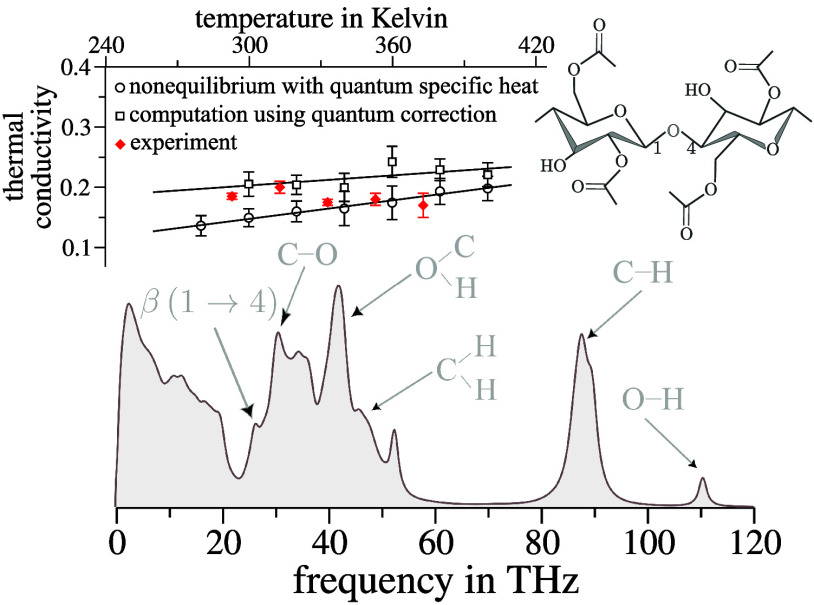 Figure 11
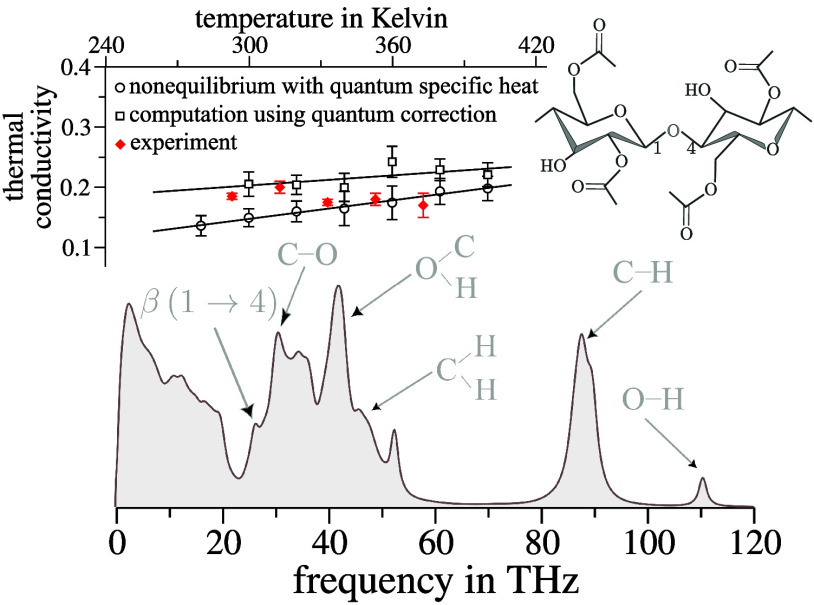 Figure 12
 Figure 13
 Figure 14
 Figure 15
 Figure 16
 Figure 17
 Figure 18
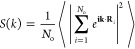 Figure 19
 Figure 20
 Figure 21
 Figure 22
 Figure 23
 Figure 24
 Figure 25
 Figure 26
 Figure 27
 Figure 28
 Figure 29
 Figure 30
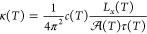 Figure 31
 Figure 32
 Figure 33
 Figure 34
 Figure 35
 Figure 36
 Figure 37
 Figure 38
 Figure 39
 Figure 40
 Figure 41
 Figure 42
Peer Reviews
No public reviews on file for this paper yet. If you reviewed it on a platform where reviews are public (OpenReview, ICLR, NeurIPS, ICML), you can paste yours below so the community can read it here.
Videos
No videos yet. Explain this paper in a talk, walkthrough, or lecture? Add one.
Taxonomy
TopicsAdvanced Cellulose Research Studies · Natural Fiber Reinforced Composites · Thermal properties of materials