Understanding Enhanced Melt Memory in Poly(Octamethylene Carbonate)-Based Random Copolycarbonates with Mixed Isodimorphic/Isomorphic Crystallization
Yilong Liao, Ricardo A. Pérez-Camargo, Jon Maiz, Alejandro J. Müller

TL;DR
This study explores how a unique crystallization mode in certain copolymers enhances their melt memory, which is important for polymer material design.
Contribution
The paper reveals that isomorphic crystallization in specific copolymers leads to significantly enhanced melt memory due to stronger intermolecular interactions.
Findings
Compositions crystallizing in the isomorphic mode show increased melt memory with Domain IIa widths up to 30 °C.
Stronger intermolecular interactions in the new crystalline phase correlate with higher dielectric constants and enhanced melt memory.
Copolymer comonomer incorporation critically tunes crystallization behavior and melt memory.
Abstract
Poly(hexamethylene carbonate-ran-octamethylene carbonate) (PC6/PC8), poly(heptamethylene carbonate-ran-octamethylene carbonate) (PC7/PC8), and poly(dodecamethylene-ran-octamethylene carbonate) (PC12/PC8) are the first random copolymers known to crystallize with a mixed isodimorphic and isomorphic mode. Here, we investigate for the first time how this dual crystallization mode affects melt memory. Self-nucleation experiments, combined with synchrotron X-ray scattering, polarized light microscopy, and dielectric spectroscopy, show that crystallization in the isodimorphic mode decreases melt memory as the comonomer content increases, as expected. Conversely, compositions that crystallize in the isomorphic mode, where a new crystalline phase forms that is different from the parent components or their polymorphs, display increased melt memory, with Domain IIa widthsdirectly related to…
Genes, proteins, chemicals, diseases, species, mutations and cell lines named across the full text — each resolved to its canonical identifier and authoritative record.
Click any figure to enlarge with its caption.
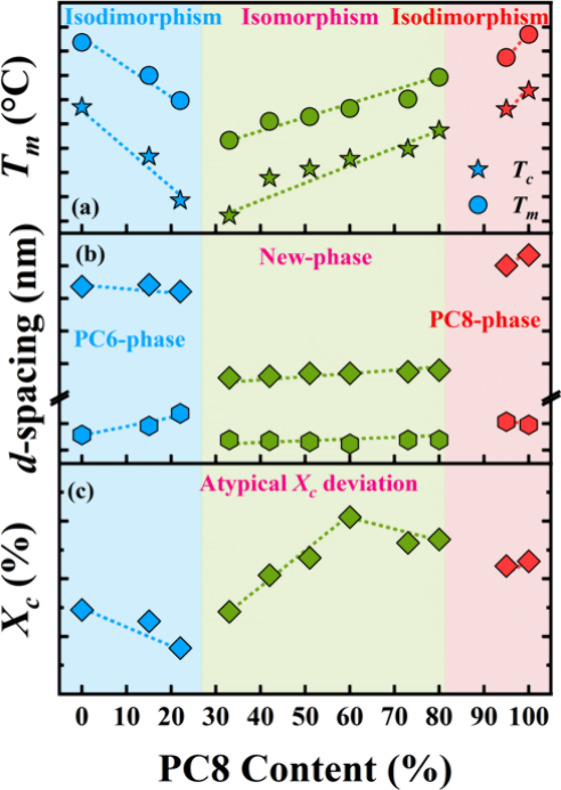 Figure 1
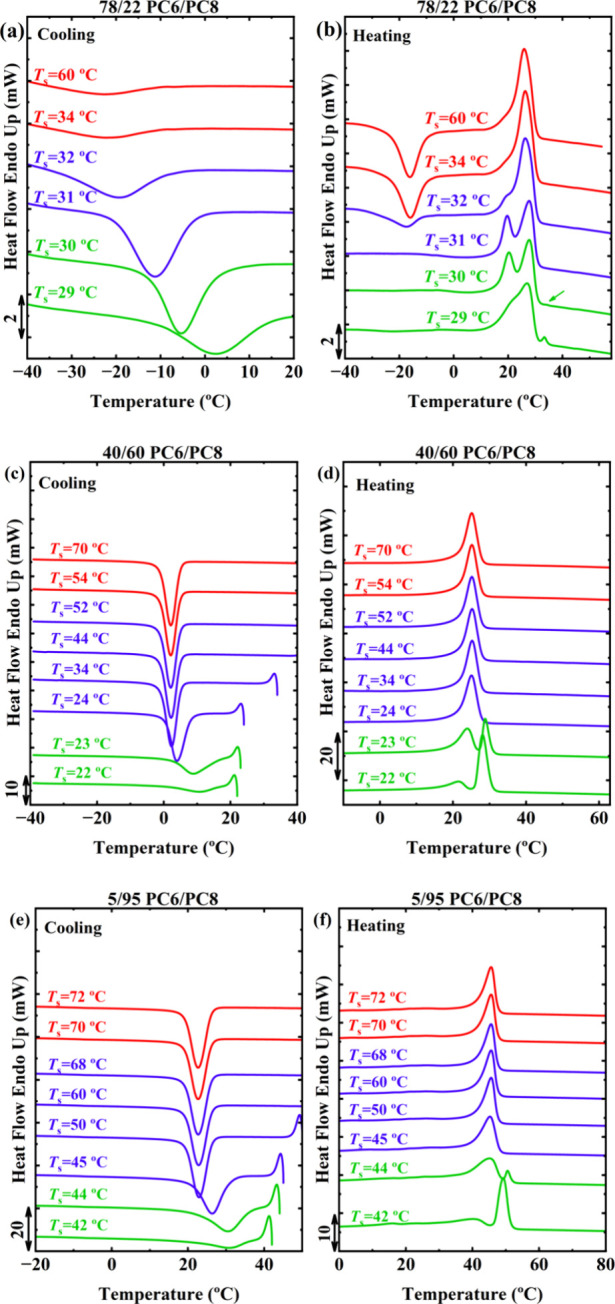 Figure 2
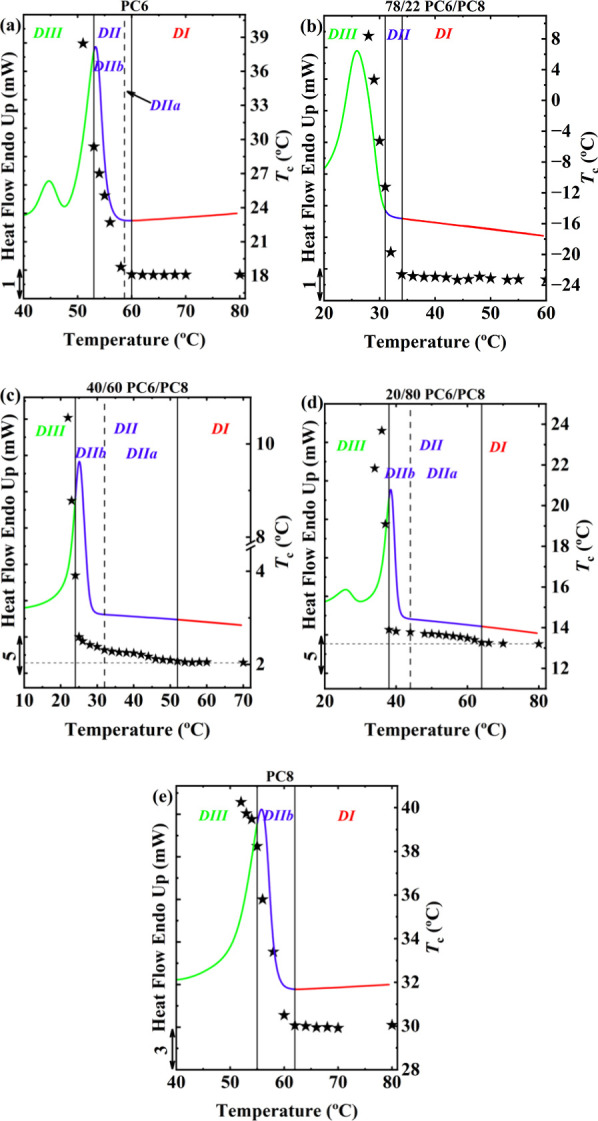 Figure 3
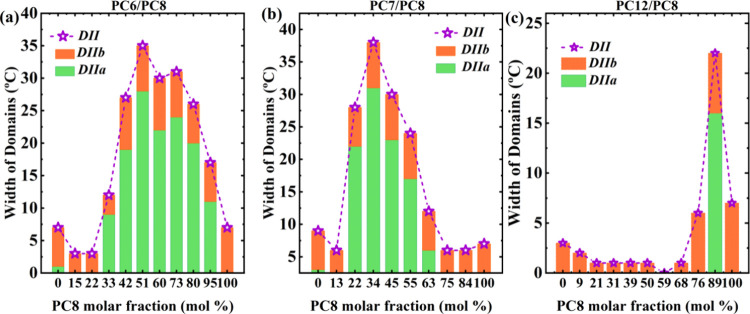 Figure 4
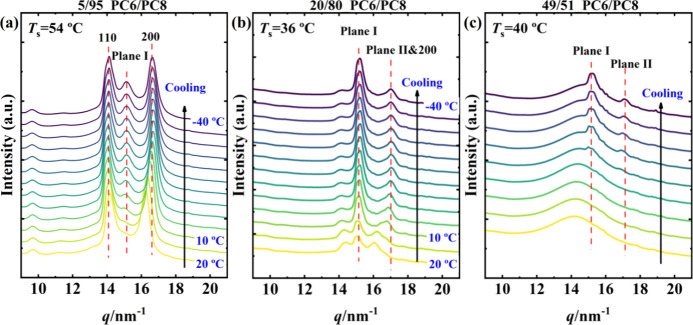 Figure 5
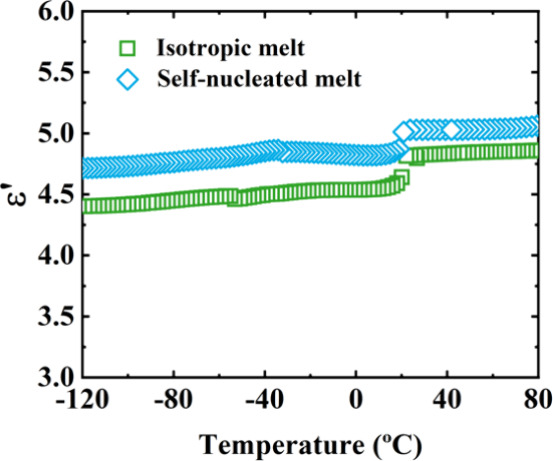 Figure 6
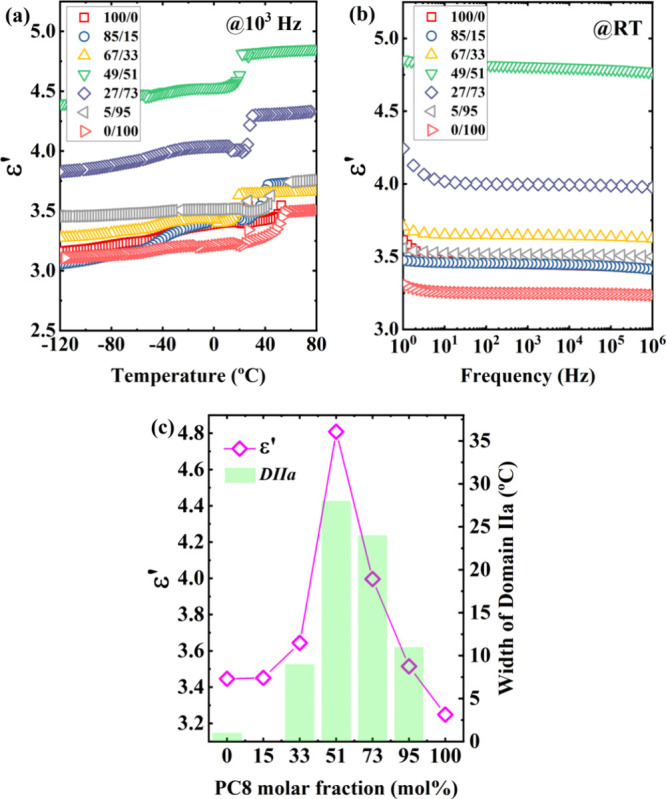 Figure 7
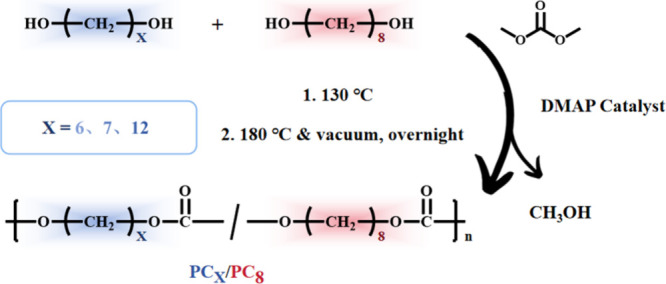 Figure 8
 Figure 9
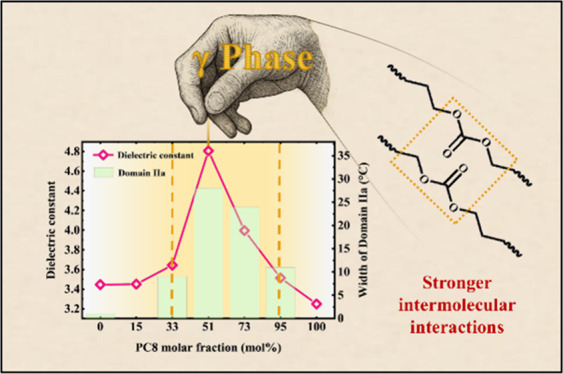 Figure 10
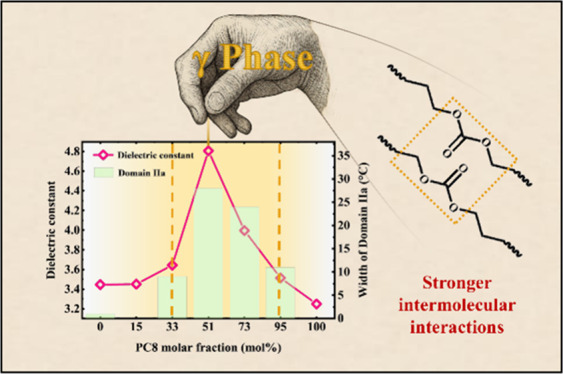 Figure 11
 Figure 12
Peer Reviews
No public reviews on file for this paper yet. If you reviewed it on a platform where reviews are public (OpenReview, ICLR, NeurIPS, ICML), you can paste yours below so the community can read it here.
Videos
No videos yet. Explain this paper in a talk, walkthrough, or lecture? Add one.
Taxonomy
TopicsPolymer composites and self-healing · Polymer crystallization and properties · biodegradable polymer synthesis and properties