Renoprotective mechanisms of bioconverted wild-simulated ginseng: mitigating oxidative stress, inflammation, and apoptosis to protect against ischemic renal injury via Nrf2/HO-1/NF-κB/caspase-3 signaling
Ye Ji Kim, Md Shiblee Sadik Sabuj, Myung-Kon Kim, Joonseok Lee, Ryunhee Kim, Seung Hyun Lee, Jin Min Oh, Hyeon Gyeong Ro, In-Shik Kim, Dongchoon Ahn, Md Rashedunnabi Akanda, Hyun-Jin Tae, Byung-Yong Park

TL;DR
This study shows that bioconverted wild-simulated ginseng protects against kidney injury by reducing oxidative stress and inflammation through specific signaling pathways.
Contribution
The study demonstrates that bioconverted wild-simulated ginseng has stronger renoprotective effects than other ginseng forms via Nrf2/HO-1/NF-κB/caspase-3 signaling.
Findings
BWG showed greater renoprotection than BPG and PG in ischemic kidney injury models.
BWG reduced oxidative stress and inflammation by activating the Nrf2/HO-1 pathway and suppressing NF-κB.
BWG improved kidney function and cell survival by lowering BUN, Cr, and Caspase-3 activation.
Abstract
Ischemia-reperfusion (I/R) induced acute kidney injury (AKI) is a severe condition linked to higher morbidity and mortality. Panax ginseng (PG) possesses renoprotective properties; however, its inadequate bioavailability restricts its efficacy. Wild-simulated PG (WSG), processed to boost its bioactive components, exhibits improved renoprotective effects. This research examines PG, bioconverted PG (BPG), and bioconverted WSG (BWG) for their protective roles against I/R induced AKI in mice. C57BL/6 mice underwent bilateral renal pedicle clamping via a dorsal approach for 30 min to induce ischemia, followed by clamp release and 24 h of reperfusion. Blood and kidney samples were collected at the end of the reperfusion period. Sham-operated mice underwent identical procedures without vascular clamping. Additionally, hydrogen peroxide (H2O2) induced oxidative stress in HK-2 cells. The…
Genes, proteins, chemicals, diseases, species, mutations and cell lines named across the full text — each resolved to its canonical identifier and authoritative record.
Click any figure to enlarge with its caption.
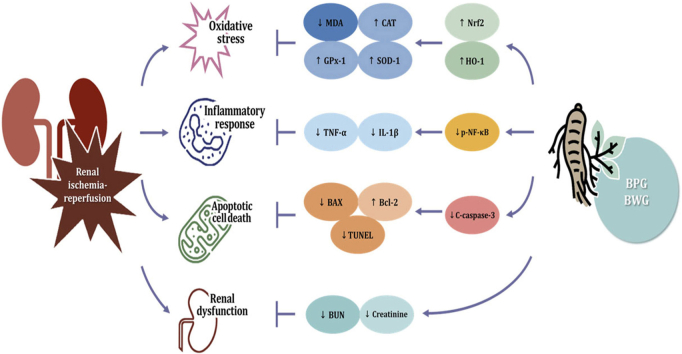 Figure 1
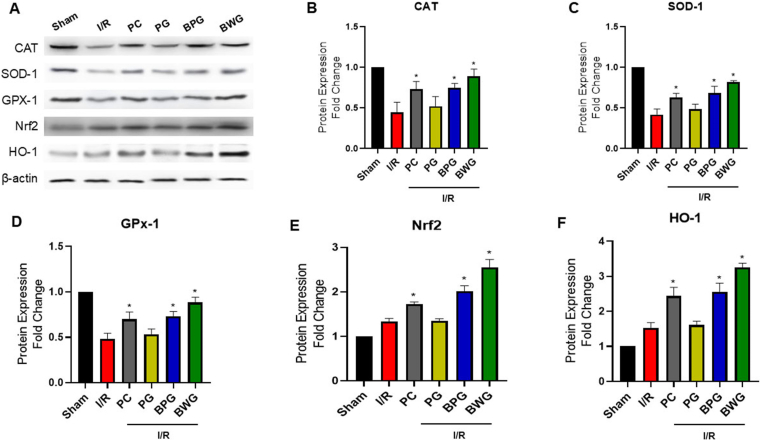 Figure 2
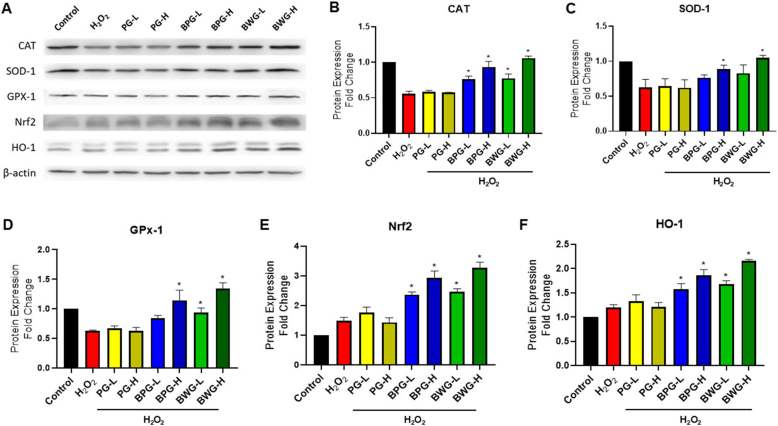 Figure 3
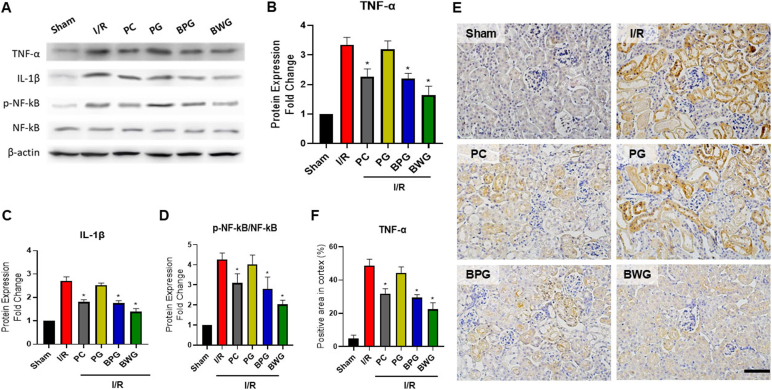 Figure 4
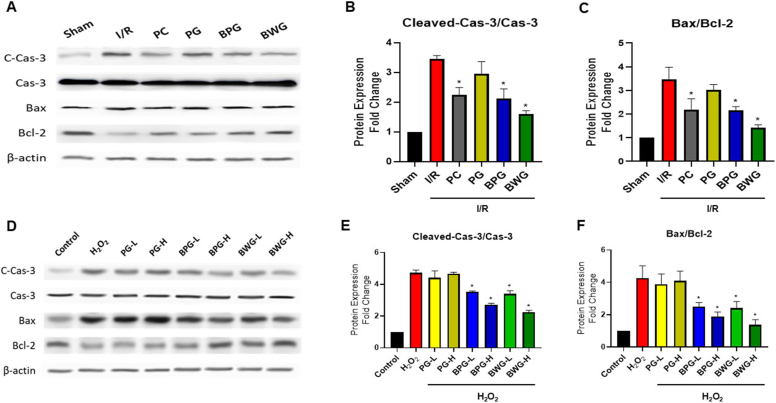 Figure 5
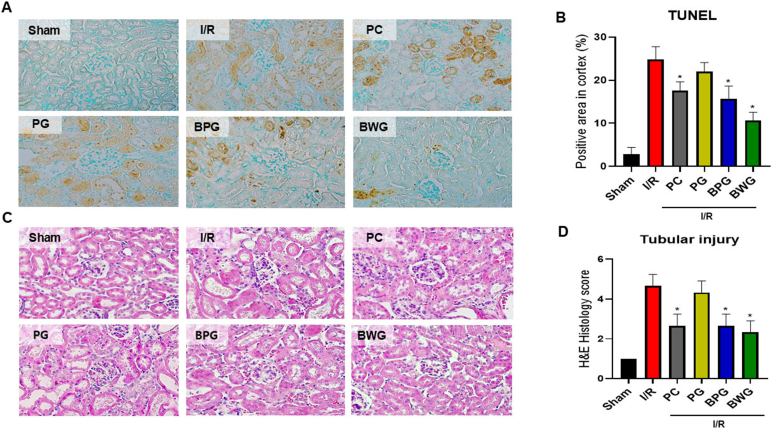 Figure 6
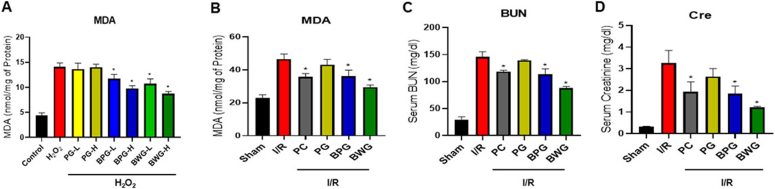 Figure 7
 Figure 8
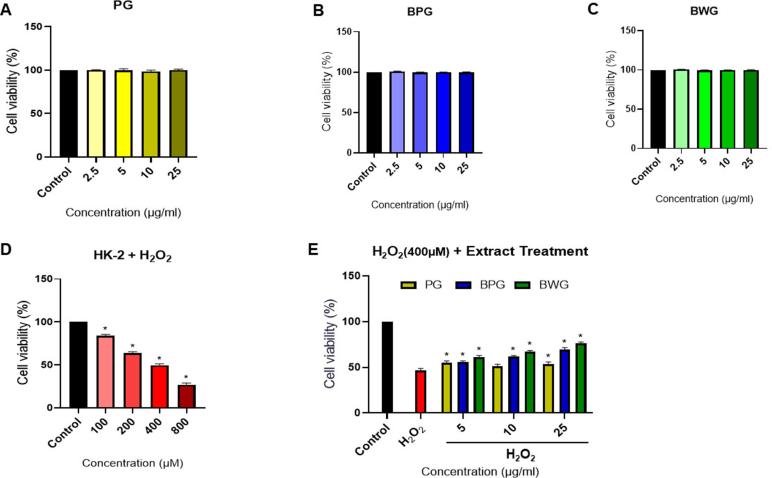 Figure 9
Peer Reviews
No public reviews on file for this paper yet. If you reviewed it on a platform where reviews are public (OpenReview, ICLR, NeurIPS, ICML), you can paste yours below so the community can read it here.
Videos
No videos yet. Explain this paper in a talk, walkthrough, or lecture? Add one.
Taxonomy
TopicsGinseng Biological Effects and Applications · Pharmacological Effects of Natural Compounds · Traditional Chinese Medicine Analysis