GW Approximation Coupled with Classical Fluctuating Charges and Dipoles
Giovanni Nottoli, Piero Lafiosca, Frank Ernesto Quintela Rodríguez, Franco Egidi, Arno Förster, Chiara Cappelli

TL;DR
This paper introduces a new method combining quantum and classical models to study electron and polarization effects in molecules like phenol and GFP chromophore in water.
Contribution
A novel multiscale QM/classical methodology using GW and FQ/FQFμ for electron correlation and polarization modeling.
Findings
The model accurately calculates ionization potentials of aqueous phenol.
The method is applied to study the GFP chromophore in aqueous solution.
GW and FQ/FQFμ combination captures mutual polarization effects effectively.
Abstract
We propose a novel multiscale QM/classical methodology based on the GW approximation combined with the fluctuating charges (FQ) and fluctuating charges and dipoles (FQFμ) force fields. The GW approximation is exploited to capture electron correlation effects, while FQ or FQFμ is used to model the mutual polarization effects between the quantum GW system and its surrounding environment in a multiscale fashion. The model is validated through test calculations of ionization potentials of aqueous phenol and applied to the Green Fluorescent Protein (GFP) chromophore (4-hydroxybenzylidene-1,2-dimethylimidazolinonep-HDBI) in aqueous solution.
Genes, proteins, chemicals, diseases, species, mutations and cell lines named across the full text — each resolved to its canonical identifier and authoritative record.
Click any figure to enlarge with its caption.
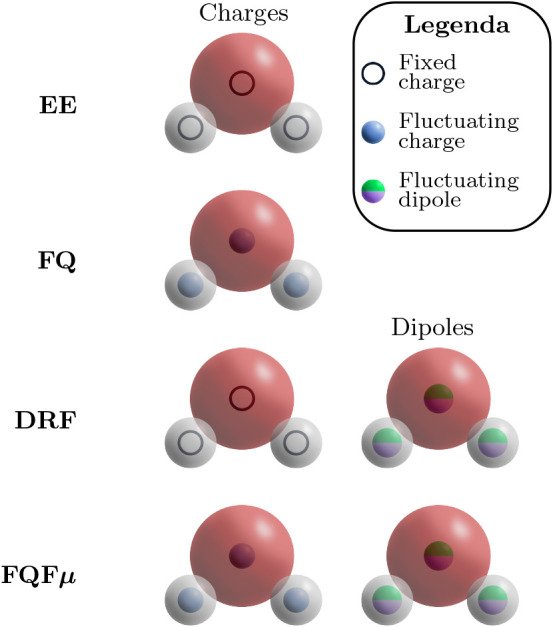 Figure 1
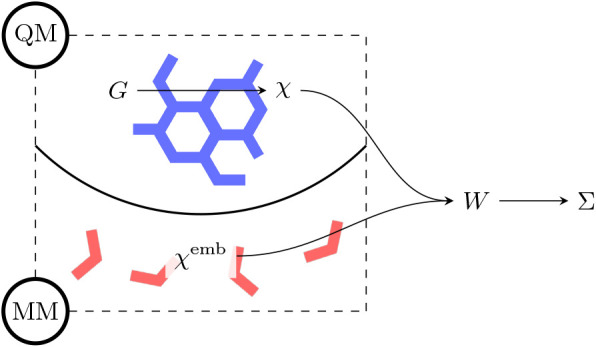 Figure 2
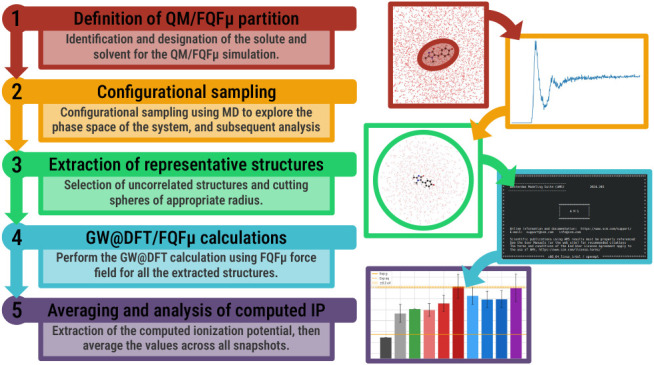 Figure 3
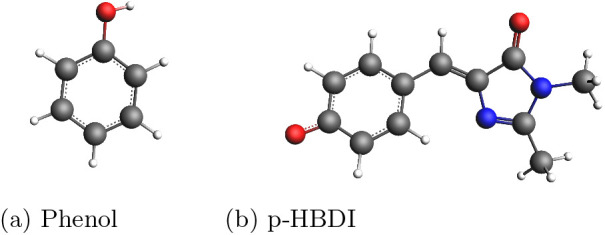 Figure 4
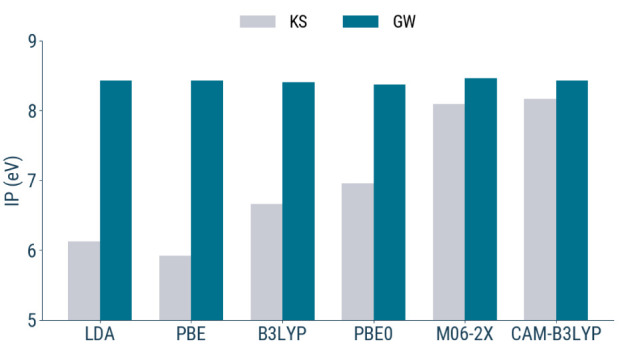 Figure 5
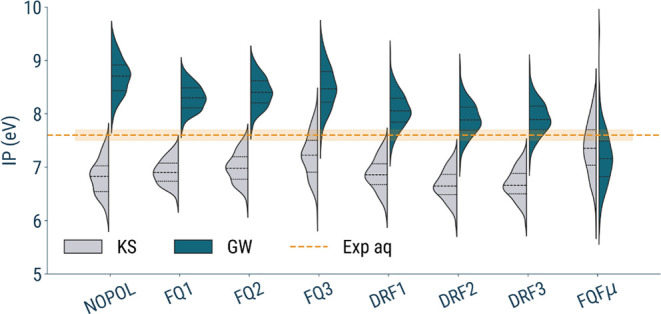 Figure 6
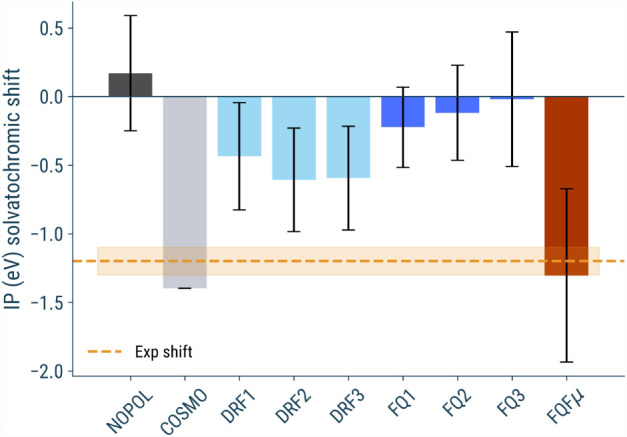 Figure 7
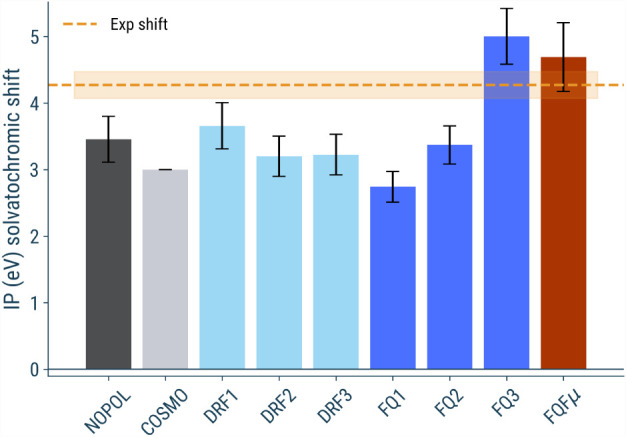 Figure 8
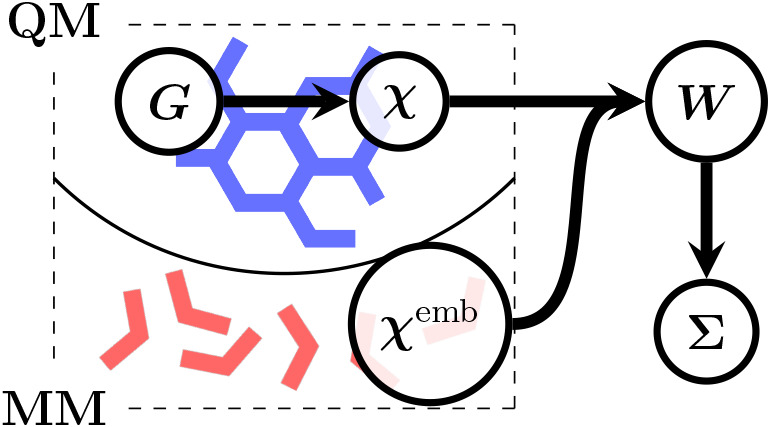 Figure 9
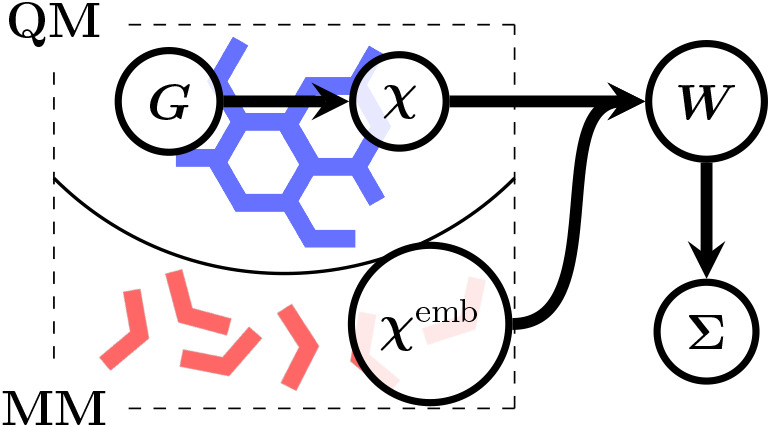 Figure 10
 Figure 11
 Figure 12
 Figure 13
 Figure 14
 Figure 15
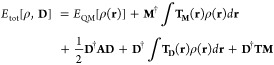 Figure 16
 Figure 17
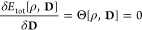 Figure 18
 Figure 19
 Figure 20
 Figure 21
 Figure 22
 Figure 23
 Figure 24
 Figure 25
 Figure 26
 Figure 27
 Figure 28
 Figure 29
 Figure 30
 Figure 31
 Figure 32
 Figure 33
 Figure 34
 Figure 35
 Figure 36
 Figure 37
 Figure 38
 Figure 39
 Figure 40
 Figure 41
 Figure 42
 Figure 43
 Figure 44
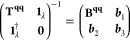 Figure 45
 Figure 46
 Figure 47
 Figure 48
 Figure 49
 Figure 50
Peer Reviews
No public reviews on file for this paper yet. If you reviewed it on a platform where reviews are public (OpenReview, ICLR, NeurIPS, ICML), you can paste yours below so the community can read it here.
Videos
No videos yet. Explain this paper in a talk, walkthrough, or lecture? Add one.
Taxonomy
TopicsSpectroscopy and Quantum Chemical Studies · Photochemistry and Electron Transfer Studies · Electron Spin Resonance Studies