Predicting NMR Relaxation Using a First-Principles Brownian Dynamics Approach
Mirco Zerbetto, Sergio Rampino, Antonino Polimeno

TL;DR
This paper introduces a new method using Brownian dynamics to predict NMR relaxation, combining efficiency with atomistic detail for studying slow molecular motions.
Contribution
A first-principles Brownian dynamics approach is proposed for NMR relaxation prediction, merging stochastic modeling with atomistic simulations.
Findings
The method enables long-time dynamics analysis of semiflexible molecules with reduced computational cost.
GPU acceleration and natural internal coordinates enhance the efficiency and accuracy of the simulations.
The approach provides a rigorous framework for interpreting NMR relaxation data from molecular dynamics.
Abstract
Interpreting time-resolved magnetic resonance experiments, sensitive to slow motions in molecules, requires access to at least the microsecond time scale. Today, all-atom classical molecular dynamics simulations allow exploration of such a long time scale; however, this comes at the price of a considerable computational effort. Stochastic models, based on a hierarchical distinction of the coordinates into relevant (treated explicitly) and irrelevant (treated as generators of fluctuation and dissipation), offer a relatively low-cost solution to this problem. In the past, ad hoc but essentially phenomenological approaches based on Langevin or Fokker–Planck equations have been employed, which are good in catching relevant differences among (even complex) molecular systems, but lack of predictive power since a map between such parameters and atomistic details is not always clear or defined.…
Genes, proteins, chemicals, diseases, species, mutations and cell lines named across the full text — each resolved to its canonical identifier and authoritative record.
Click any figure to enlarge with its caption.
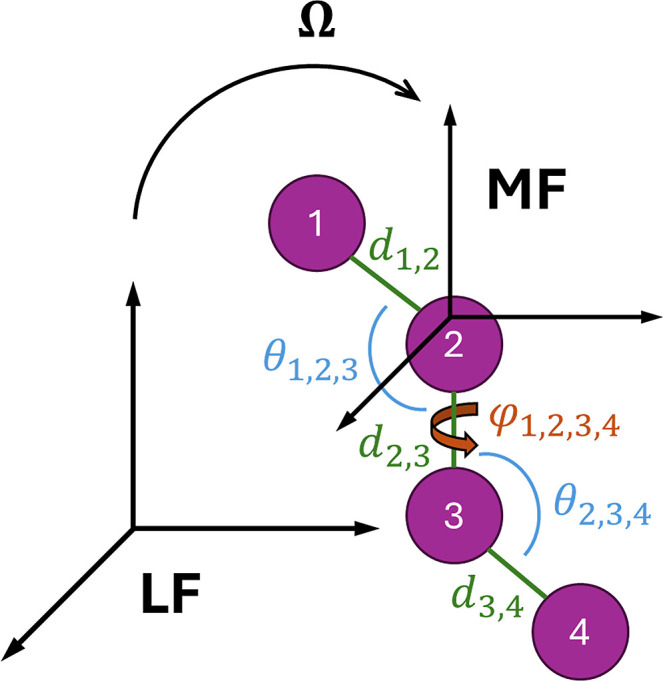 Figure 1
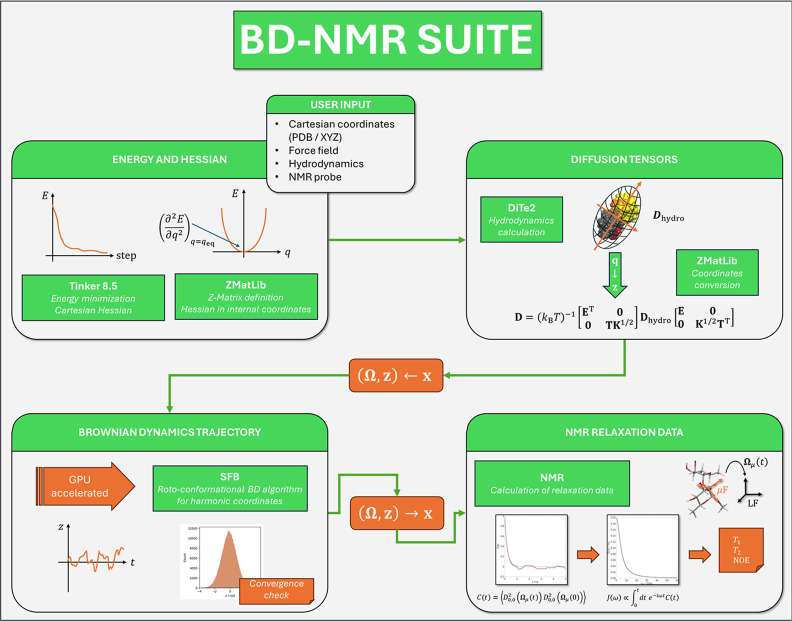 Figure 2
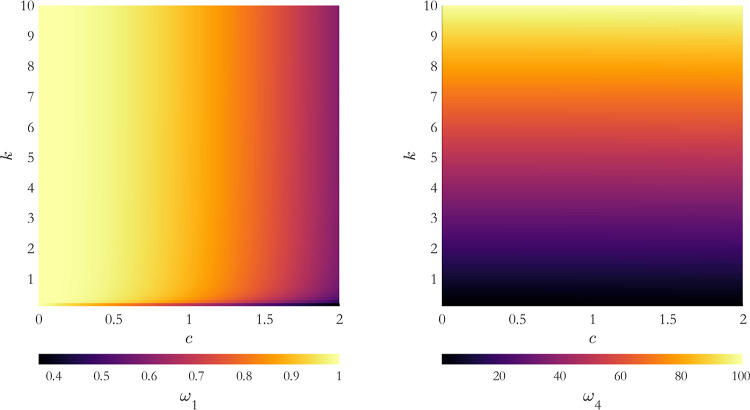 Figure 3
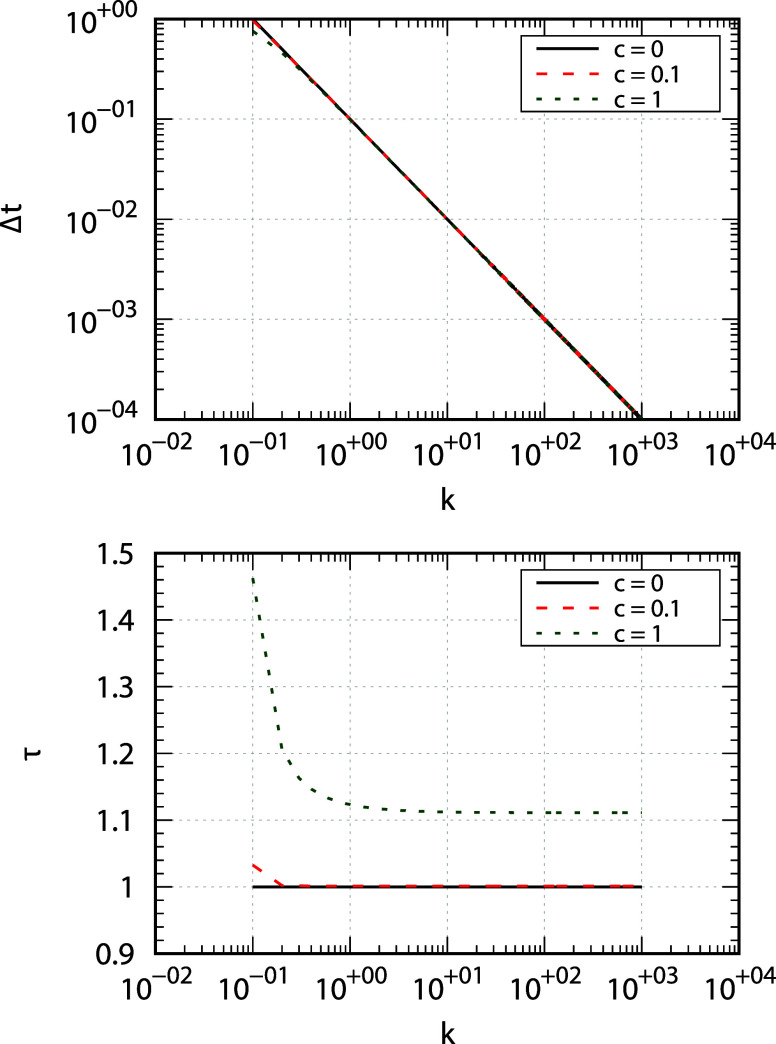 Figure 4
 Figure 5
 Figure 6
 Figure 7
 Figure 8
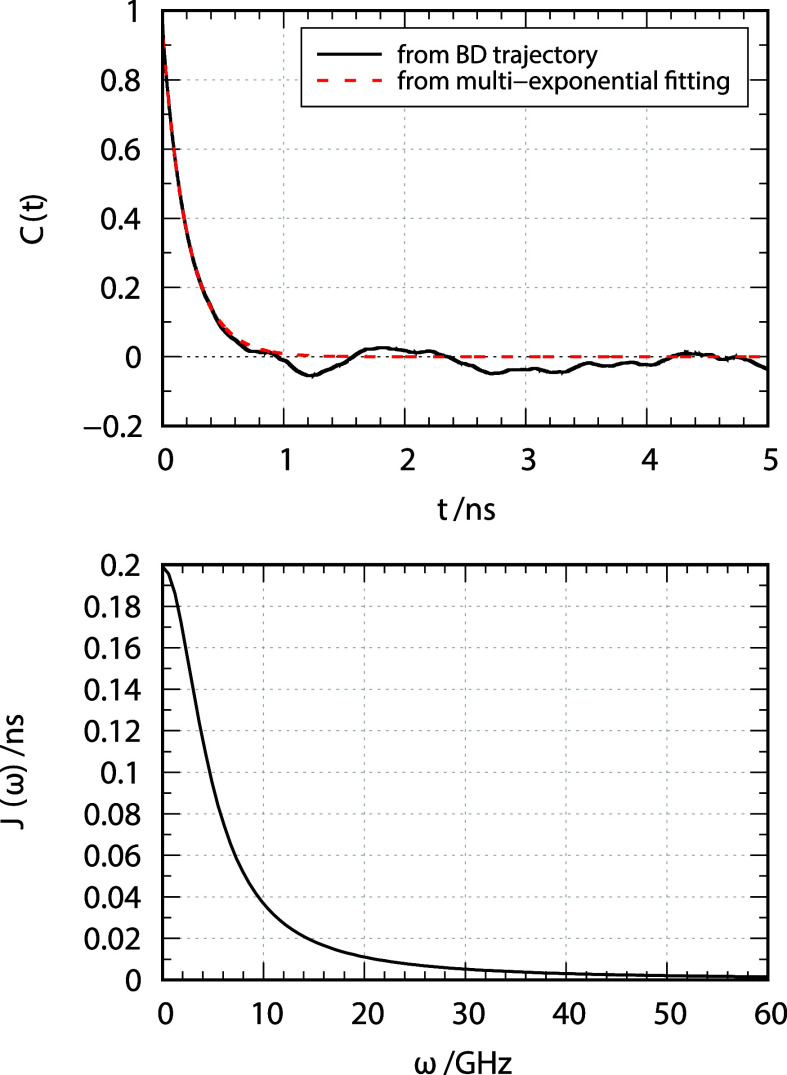 Figure 9
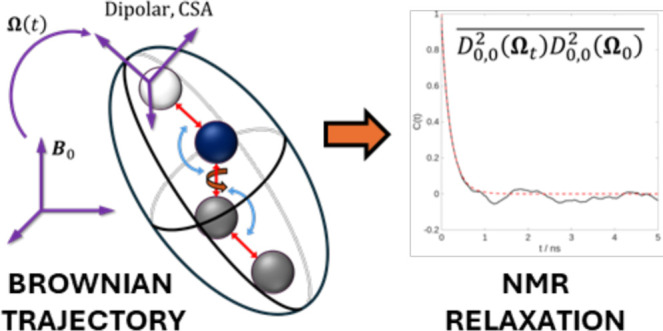 Figure 10
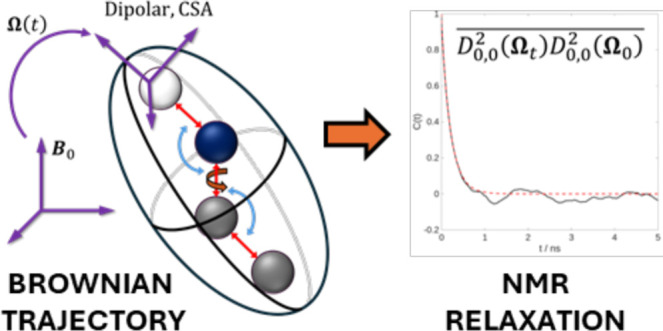 Figure 11
 Figure 12
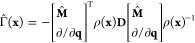 Figure 13
 Figure 14
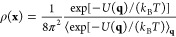 Figure 15
 Figure 16
 Figure 17
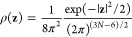 Figure 18
 Figure 19
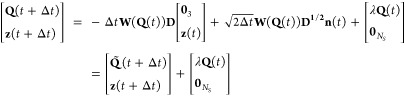 Figure 20
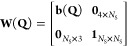 Figure 21
 Figure 22
 Figure 23
 Figure 24
 Figure 25
 Figure 26
 Figure 27
 Figure 28
 Figure 29
 Figure 30
 Figure 31
 Figure 32
 Figure 33
 Figure 34
 Figure 35
 Figure 36
 Figure 37
 Figure 38
 Figure 39
 Figure 40
 Figure 41
Peer Reviews
No public reviews on file for this paper yet. If you reviewed it on a platform where reviews are public (OpenReview, ICLR, NeurIPS, ICML), you can paste yours below so the community can read it here.
Videos
No videos yet. Explain this paper in a talk, walkthrough, or lecture? Add one.
Taxonomy
TopicsAdvanced NMR Techniques and Applications · Protein Structure and Dynamics · NMR spectroscopy and applications