Case Report: Rare Presentation of Dentin Abnormalities in Loeys-Dietz Syndrome Type I
Priyam Jani, Olivier Duverger, Rashmi Mishra, Pamela A. Frischmeyer-Guerrerio, Janice S. Lee

TL;DR
This case report describes rare dentin abnormalities in two individuals with Loeys-Dietz Syndrome Type I, highlighting the variable dental and systemic effects of the disease.
Contribution
The report presents a rare case of dentin anomalies in Loeys-Dietz Syndrome Type I, expanding the known clinical manifestations of the condition.
Findings
A patient with LDS1 showed gray-brown tooth discoloration and narrow pulp canals, consistent with dentinogenesis imperfecta.
The patient's son, with the same mutation, had DI in primary teeth but normal permanent teeth.
TGFBR1 expression in odontoblasts suggests a role in dentin development, as supported by mouse models.
Abstract
Loeys-Dietz syndrome type 1 (LDS1) is caused by a mutation in the transforming growth factor-beta receptor 1 (TGFBR1) gene. We previously characterized the oral and dental anomalies in a cohort of individuals diagnosed with LDS and showed that LDS1 had a high frequency of oral manifestations, and most affected individuals had enamel defects. However, dentin anomalies were not apparent in most patients in the cohort. In this cohort, we had identified dentin anomalies in a patient with LDS1, harboring mutation TGFBR1 c.1459C>T (p.Arg487Trp), and in this report, we present clinical and radiographic findings to confirm the dentin anomaly. The proband had gray-brown discoloration of most teeth typical for dentinogenesis imperfecta (DI). A radiographic exam revealed obliterated or very narrow pulp canals, with maxillary anterior teeth being affected more than the posterior teeth. The son of…
Genes, proteins, chemicals, diseases, species, mutations and cell lines named across the full text — each resolved to its canonical identifier and authoritative record.
Click any figure to enlarge with its caption.
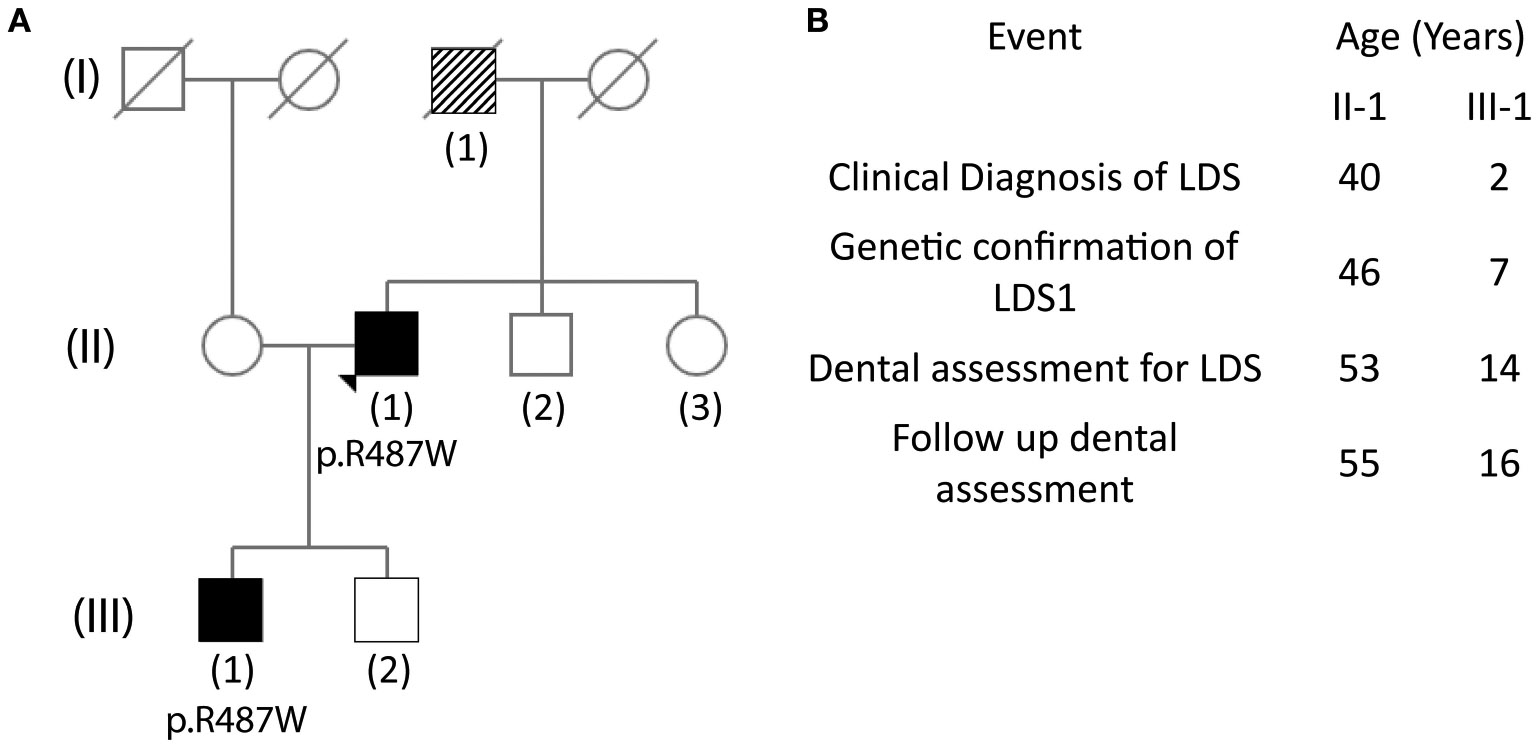 Figure 1
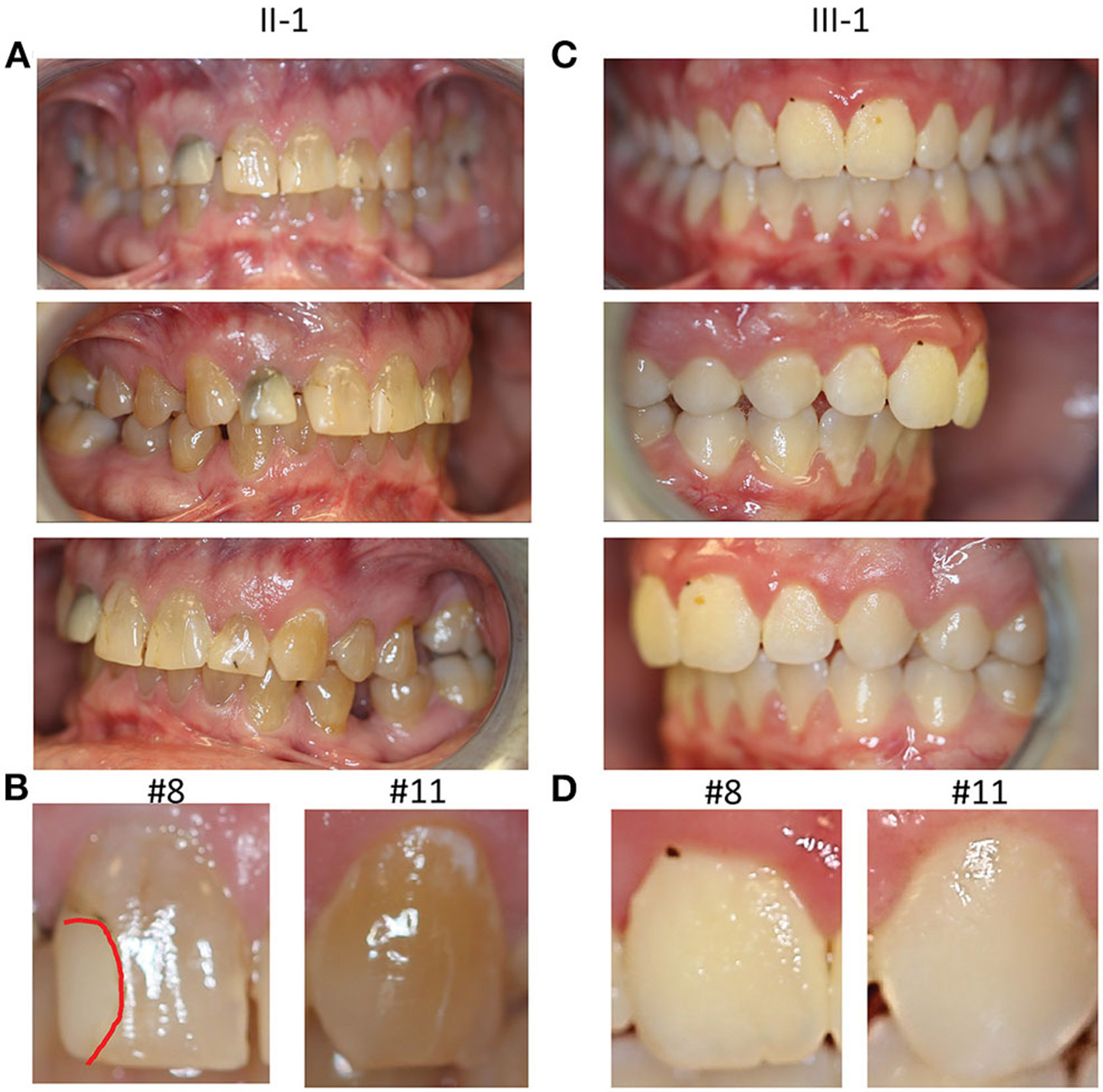 Figure 2
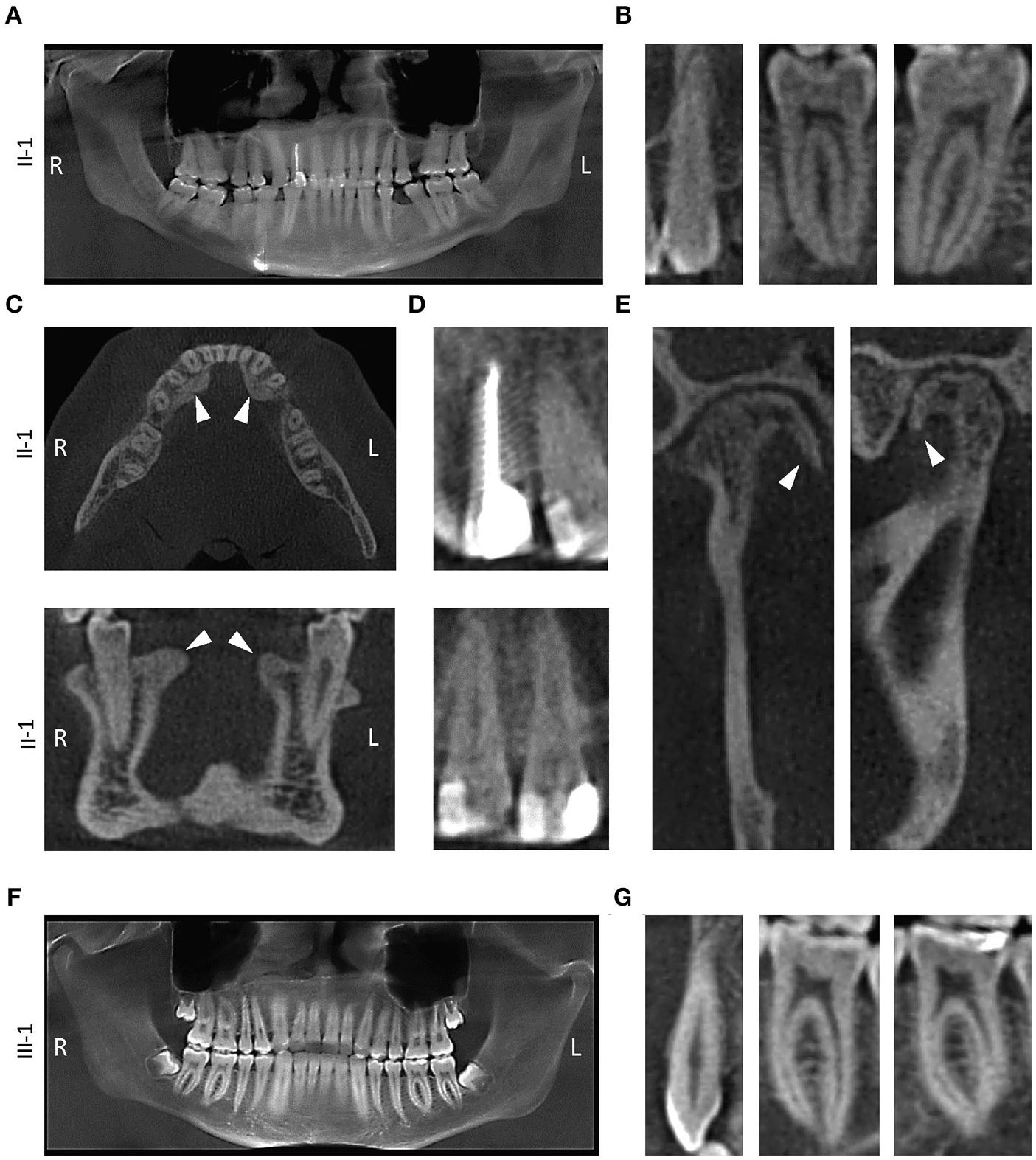 Figure 3
Peer Reviews
No public reviews on file for this paper yet. If you reviewed it on a platform where reviews are public (OpenReview, ICLR, NeurIPS, ICML), you can paste yours below so the community can read it here.
Videos
No videos yet. Explain this paper in a talk, walkthrough, or lecture? Add one.
Taxonomy
TopicsConnective tissue disorders research · Bone and Dental Protein Studies · RNA modifications and cancer