Mitochondrial Intercellular Transfer via Platelets After Physical Training Exerts Neuro‐Glial Protection Against Cerebral Ischemia
Toshiki Inaba, Nobukazu Miyamoto, Kenichiro Hira, Chikage Kijima, Yoshifumi Miyauchi, Hai‐Bin Xu, Kazo Kanazawa, Yuji Ueno, Nobutaka Hattori

TL;DR
Exercise promotes muscle mitochondria transfer via platelets, which protects the brain against stroke and dementia.
Contribution
Discovery that muscle-derived mitochondria, transferred via platelets after exercise, protect neurons and glial cells in stroke.
Findings
Treadmill exercise reduces white matter injury and glial activation after cerebral ischemia.
Muscle-derived mitochondria transferred via platelets enhance survival of neurons and astrocytes in vitro.
Platelet transfusion from trained mice mitigates post-stroke complications and white matter injury.
Abstract
While thrombolytic therapy can be effective for stroke, many patients are unable to benefit due to time restrictions. In an aging society, sarcopenia, a condition marked by reduced muscle volume, often worsens recovery after stroke. Our study explored how mitochondria, which are abundant in muscle, could aid in stroke recovery through exercise‐induced migration. Using mouse models of chronic hypoperfusion and ischemia, alongside in vitro studies with rat primary cells under oxygen–glucose deprivation and CoCl2 exposure, we found that treadmill exercise protected against white matter injury, myelin loss, astroglial formation, and memory deficits observed 28 days post‐hypoperfusion. In acute ischemia models, training reduced glial activation and post‐stroke complications. Exercise increased mitochondrial levels in muscle and blood, facilitating their migration between tissues via…
Genes, proteins, chemicals, diseases, species, mutations and cell lines named across the full text — each resolved to its canonical identifier and authoritative record.
Click any figure to enlarge with its caption.
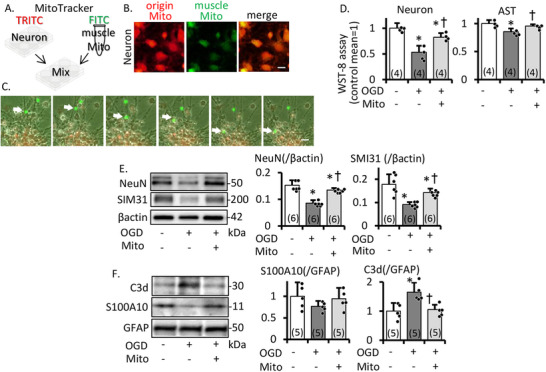 Figure 1
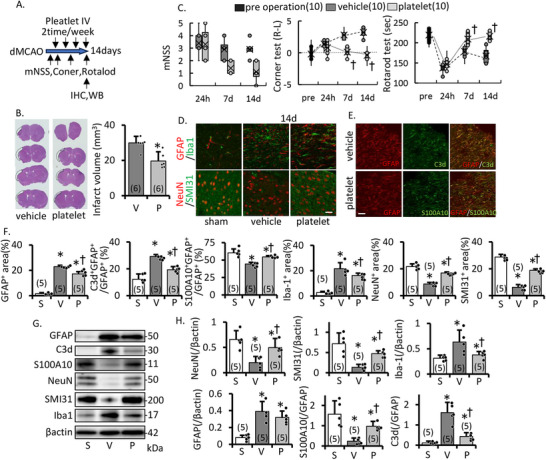 Figure 2
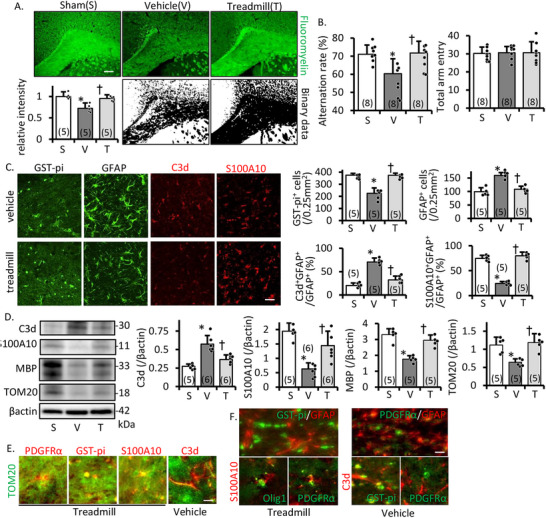 Figure 3
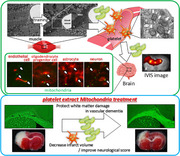 Figure 4
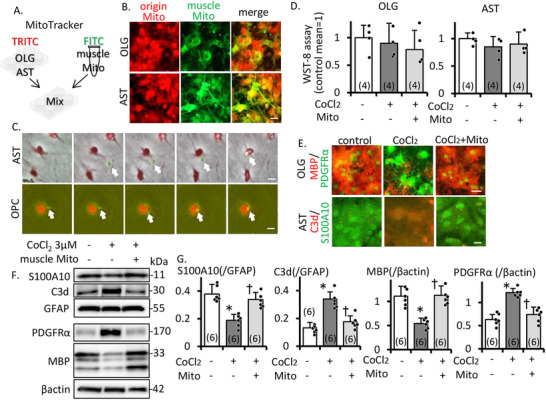 Figure 5
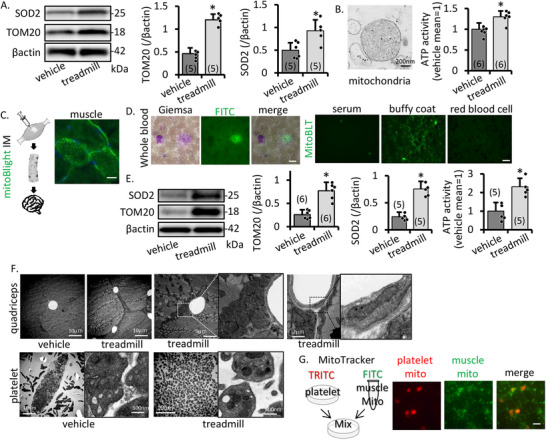 Figure 6
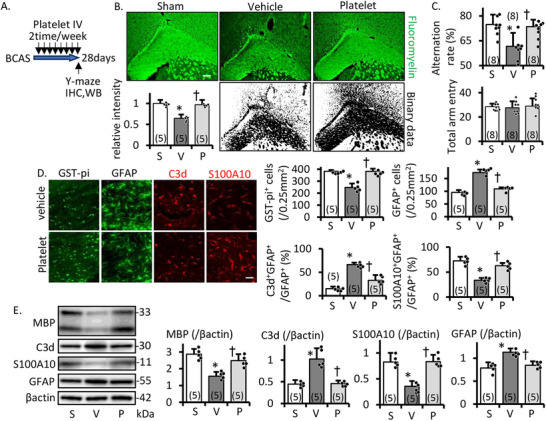 Figure 7
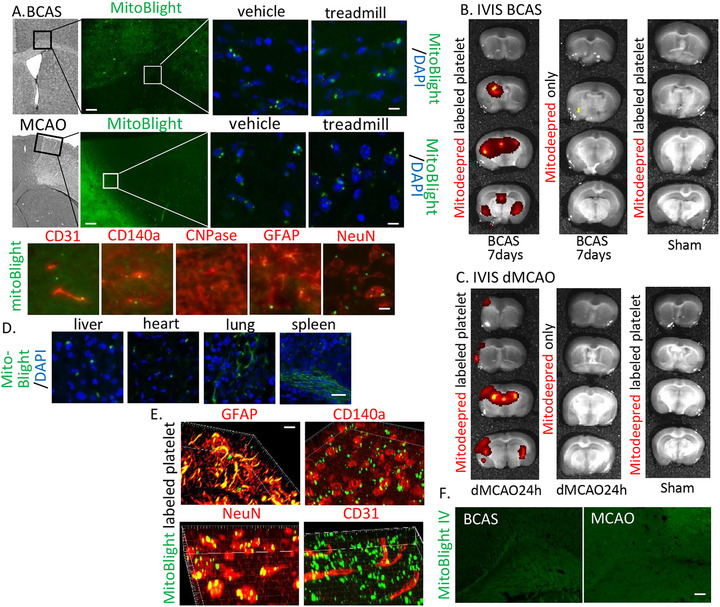 Figure 8
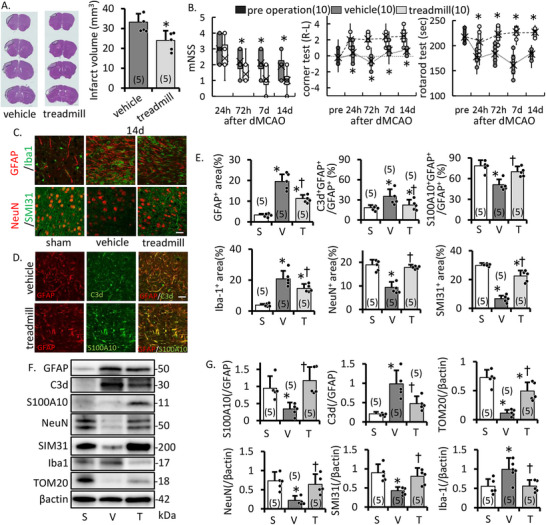 Figure 9
Peer Reviews
No public reviews on file for this paper yet. If you reviewed it on a platform where reviews are public (OpenReview, ICLR, NeurIPS, ICML), you can paste yours below so the community can read it here.
Videos
No videos yet. Explain this paper in a talk, walkthrough, or lecture? Add one.
Taxonomy
TopicsNeuroinflammation and Neurodegeneration Mechanisms · Neurological Disease Mechanisms and Treatments · Muscle Physiology and Disorders