Astragalus membranaceus polysaccharide (APs) and Eugenol: Multi-target Anti-inflammatory, Antioxidant, Antimicrobial, and anticancer effects validated by in Silico studies
Mohamed Khedr, Ahmed E.M. Abdelaziz, Fatima Albadwi, Fady Sayed Youssef, Eman M. Abd El-maksoud, Alsayed E. Mekky, Ebrahim Saied, Mohamed A.M. El-Tabakh, Eslam S Abdelmouty, Jayda G. Eldiasty, Mohammad Y. Alfaifih, Ali A. Shatii, Serag Eldin I. Elbehairii, Mohammed Aufy

TL;DR
Astragalus polysaccharides and eugenol together show strong anti-inflammatory, antioxidant, antimicrobial, and anticancer effects, especially against drug-resistant pathogens and liver cancer cells.
Contribution
The study demonstrates the synergistic multi-target therapeutic potential of Astragalus polysaccharides and eugenol through in vitro and in silico validation.
Findings
The combination of Astragalus polysaccharides and eugenol showed the strongest antimicrobial inhibition (up to 27.3 ± 0.4 mm).
The combination significantly downregulated IL-6, IL-17, and TNF-α levels and inhibited COX-2 more effectively than celecoxib.
Molecular docking confirmed eugenol's strong binding affinity to multiple targets, including xanthine oxidase (-5.25 kcal/mol).
Abstract
Astragalus membranaceus is a traditional medicinal plant with diverse therapeutic properties largely attributed to its polysaccharides (APs). This study evaluated the antimicrobial, anti-inflammatory, antioxidant, and anticancer activities of APs and eugenol, both individually and in combination, against multidrug-resistant (MDR) pathogens and HepG2 liver cancer cells. Thirty bacterial and ten Candida isolates were recovered from skin abscesses, with five identified as MDR strains (Staphylococcus haemolyticus, S. aureus, E. coli, Acinetobacter baumannii, and Candida auris), confirmed by 16S rDNA and ITS sequencing. Both APs and eugenol exhibited marked antimicrobial activity, while their combination achieved the strongest inhibition (up to 27.3 ± 0.4 mm). C. auris was highly sensitive to APs alone (MIC: 2 ± 0.2 µg/mL). The combination also significantly downregulated IL-6, IL-17, and…
Genes, proteins, chemicals, diseases, species, mutations and cell lines named across the full text — each resolved to its canonical identifier and authoritative record.
Click any figure to enlarge with its caption.
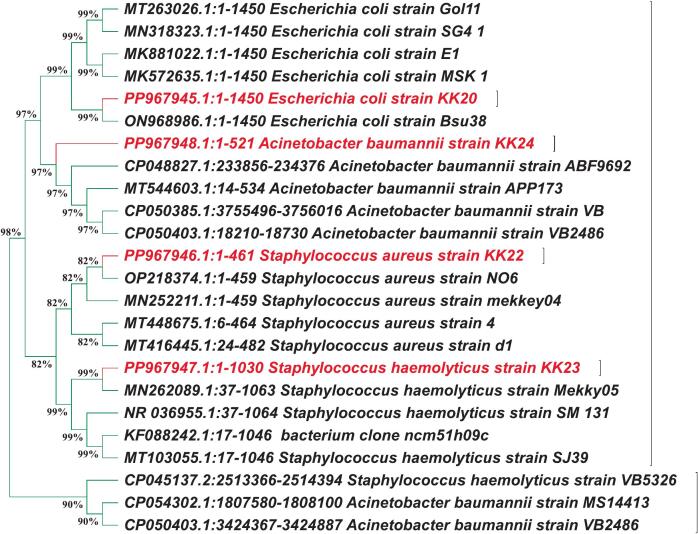 Figure 1
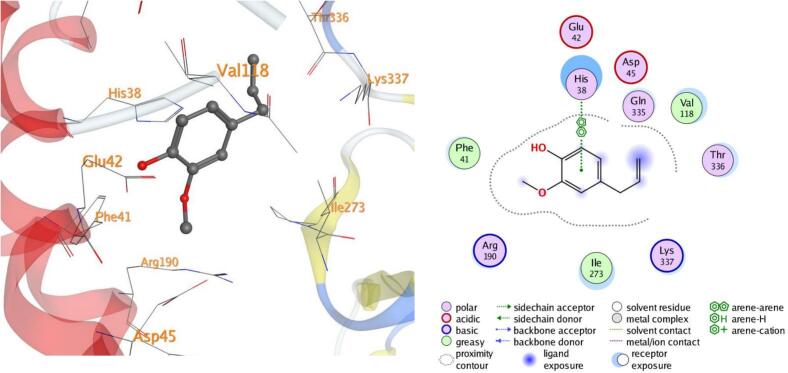 Figure 2
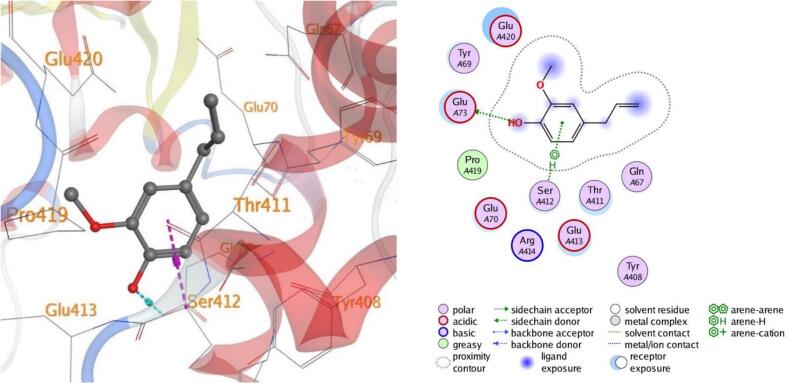 Figure 3
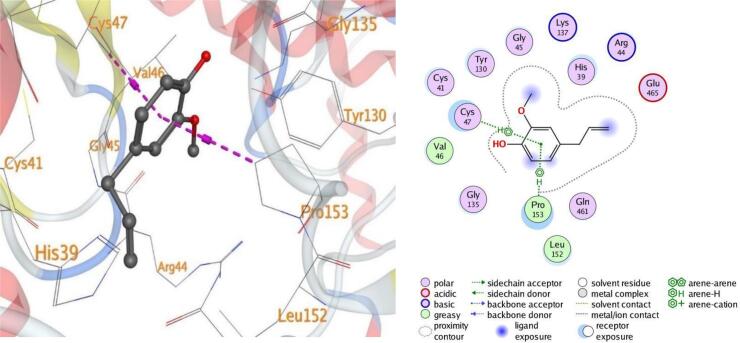 Figure 4
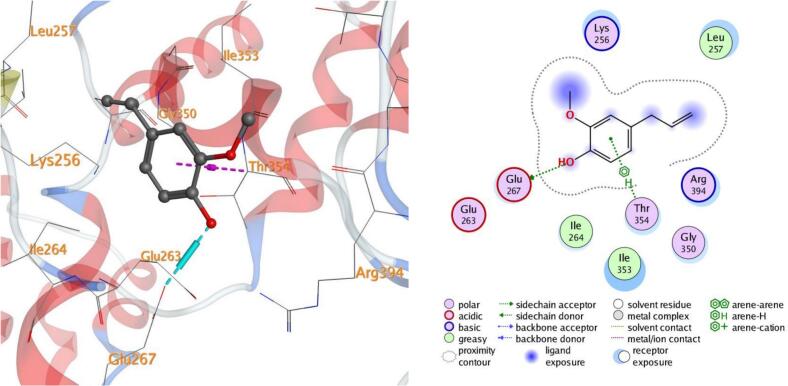 Figure 5
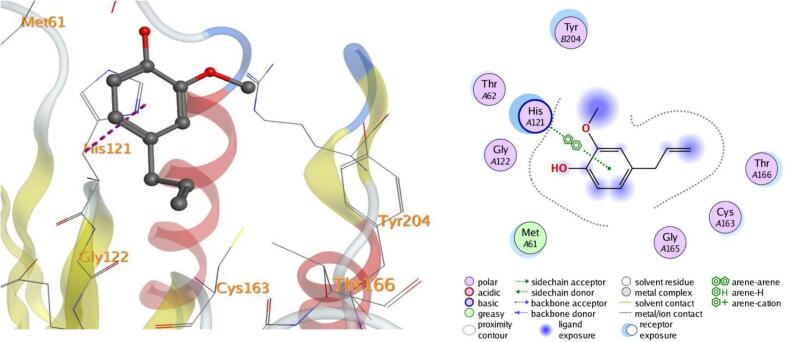 Figure 6
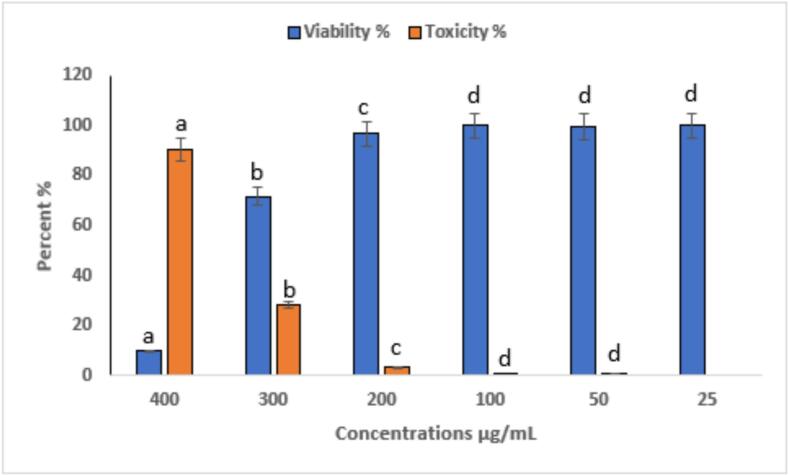 Figure 7
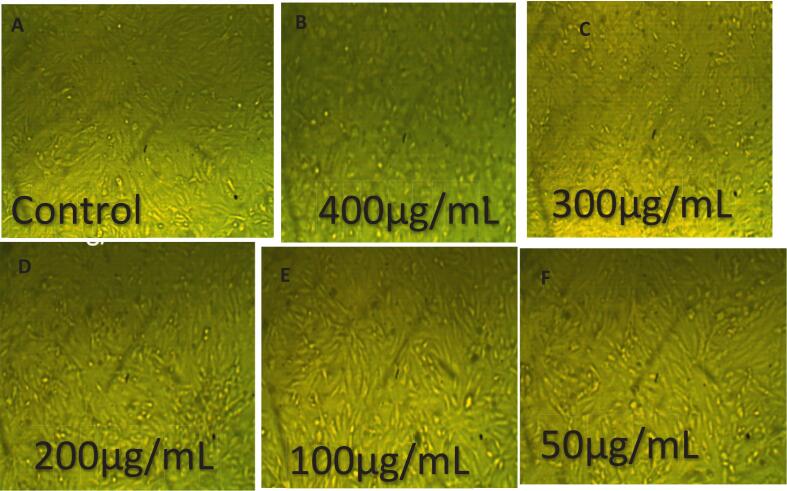 Figure 8
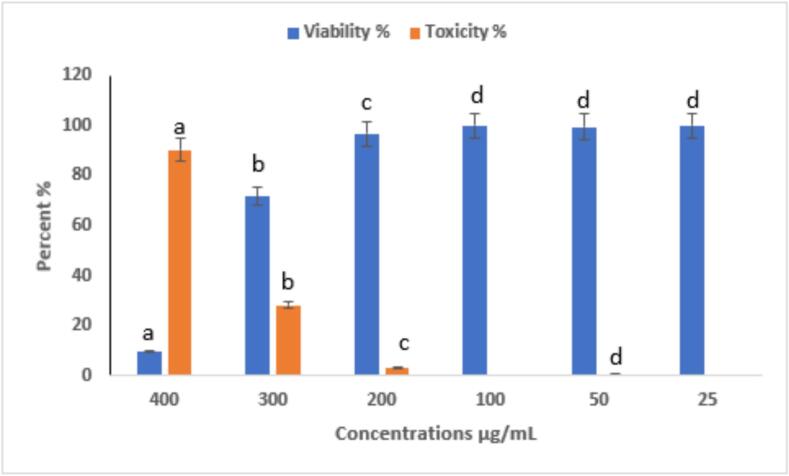 Figure 9
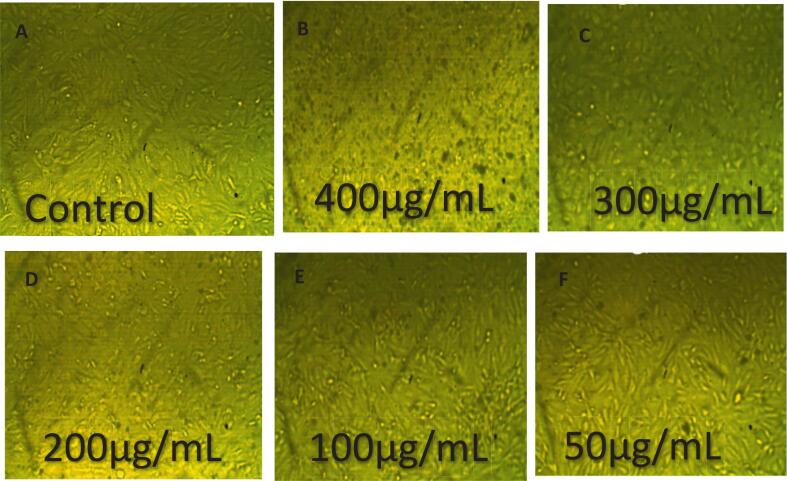 Figure 10
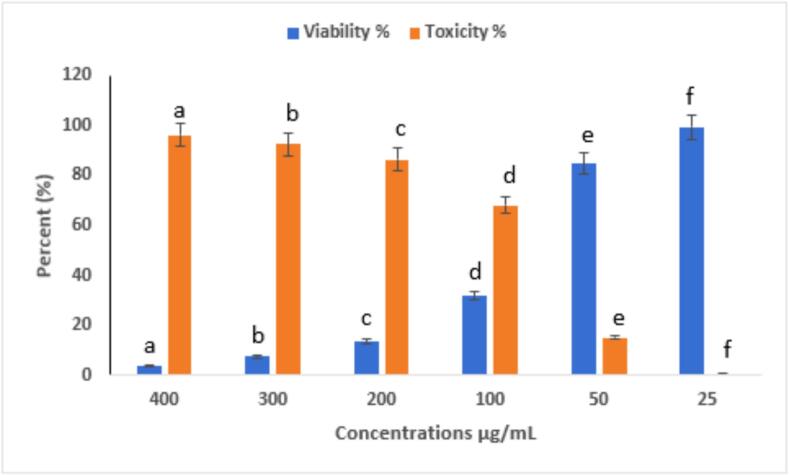 Figure 11
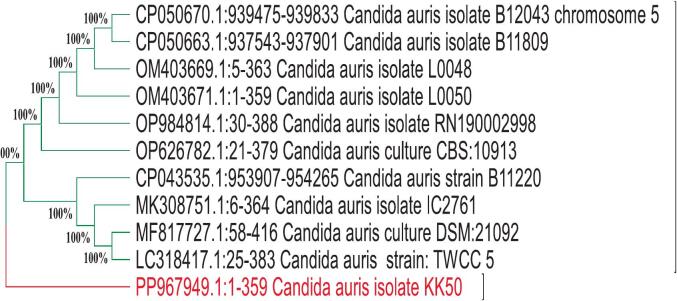 Figure 12
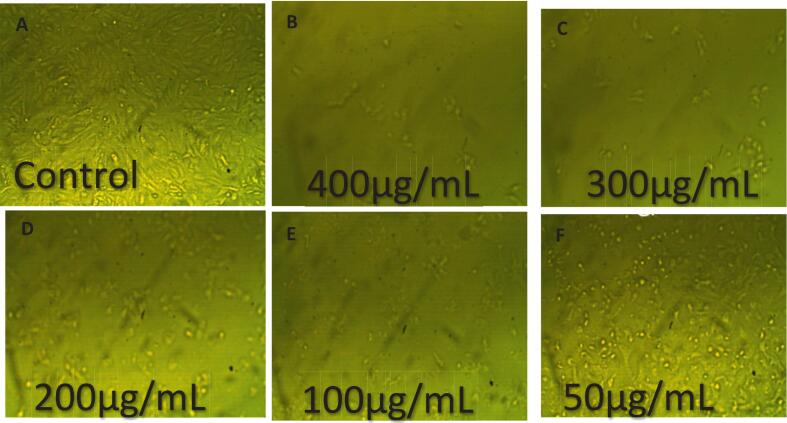 Figure 13
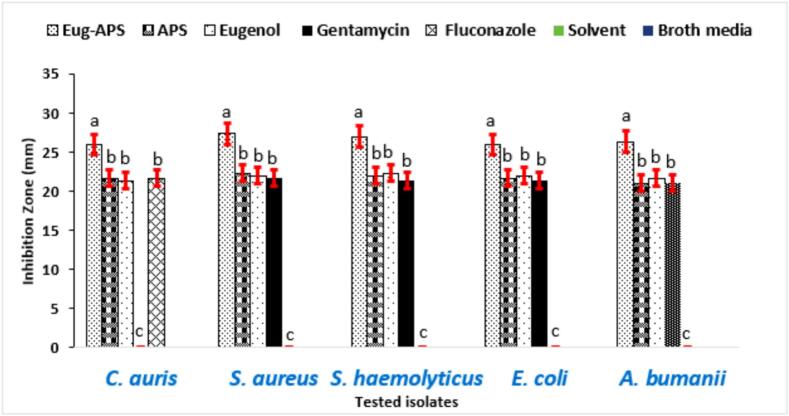 Figure 14
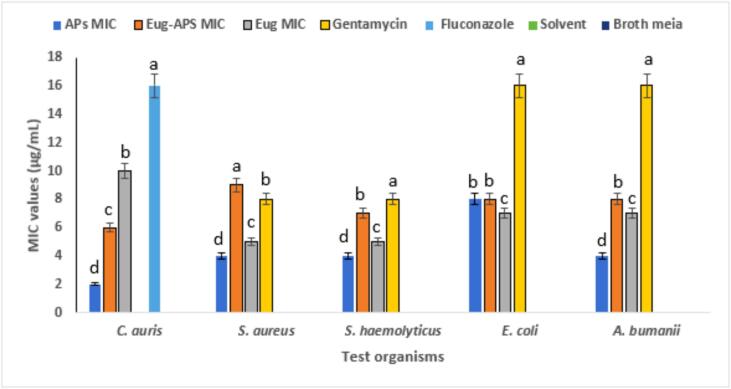 Figure 15
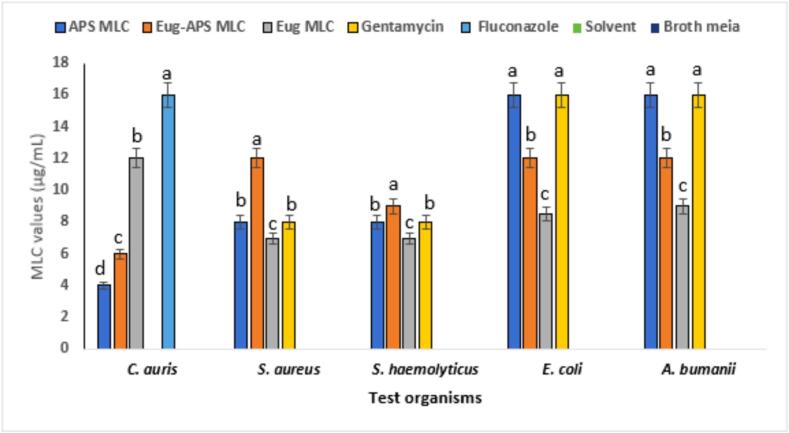 Figure 16
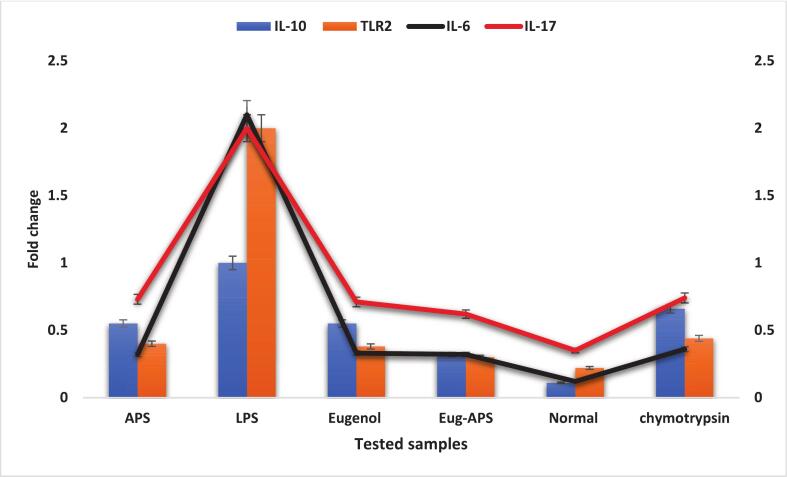 Figure 17
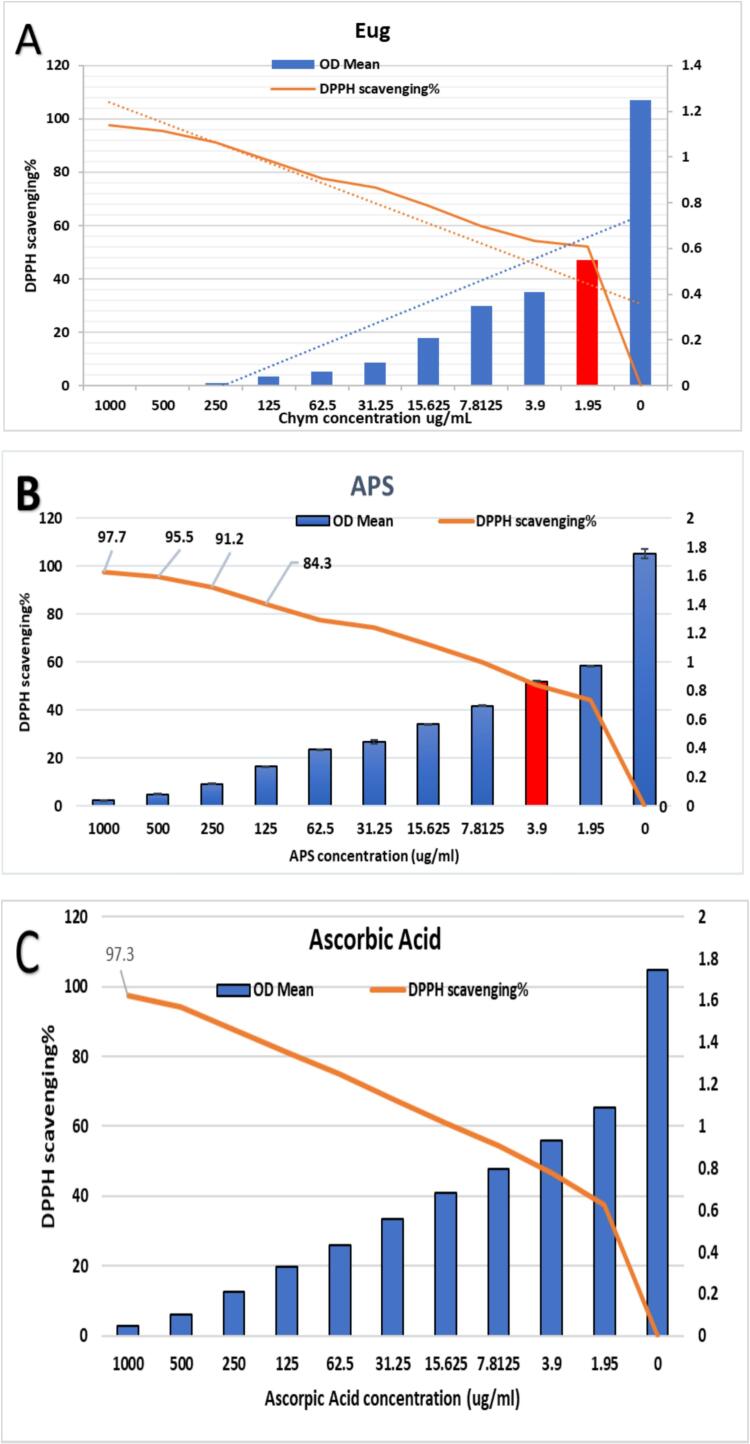 Figure 18
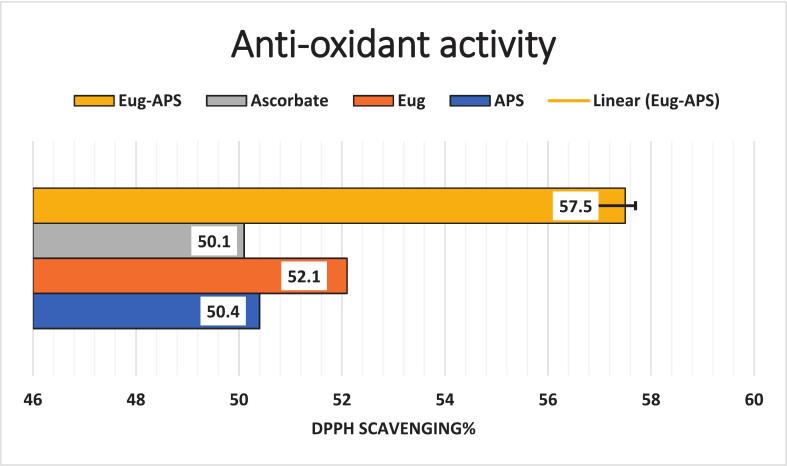 Figure 19
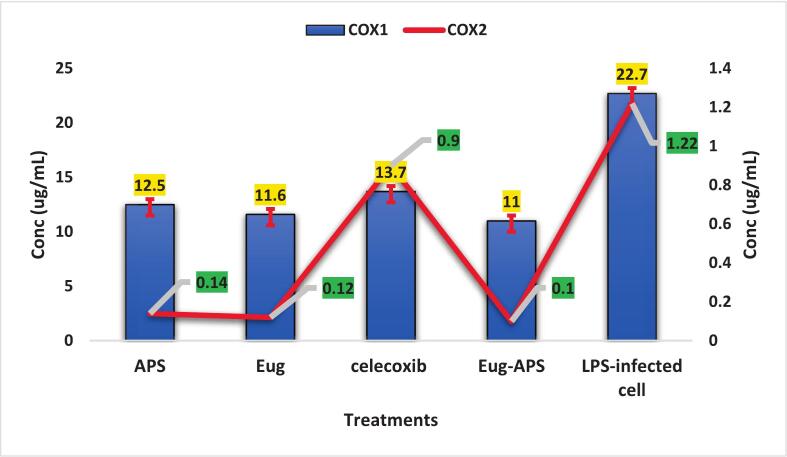 Figure 20
Peer Reviews
No public reviews on file for this paper yet. If you reviewed it on a platform where reviews are public (OpenReview, ICLR, NeurIPS, ICML), you can paste yours below so the community can read it here.
Videos
No videos yet. Explain this paper in a talk, walkthrough, or lecture? Add one.
Taxonomy
TopicsPolysaccharides and Plant Cell Walls · Traditional Chinese Medicine Analysis · Polysaccharides Composition and Applications