Cooperative ligand binding in a bacterial heme-based oxygen sensor
Nushrat J. Hoque, Sarah R. Pope, Varun Venkatakrishnan, David O. Olori, Noah A. Brady, Dayna C. Patterson, Ganesh S. Anand, Yilin Liu, Amie K. Boal, Emily E. Weinert

TL;DR
This study reveals that a bacterial heme protein can bind oxygen cooperatively, which may help bacteria better sense and respond to changes in oxygen levels.
Contribution
The discovery of cooperative oxygen binding in a bacterial sensor globin, a phenomenon previously unobserved in such proteins.
Findings
Cooperative ligand binding was identified in the globin-coupled sensor protein from Pectobacterium carotovorum.
Allosteric regulation of oxygen binding is mediated by conformational changes in the distal heme pocket and helix dynamics at the dimer interface.
Heme pocket residues play a key role in transducing oxygen binding events within the dimeric sensor protein.
Abstract
Bacteria modulate essential phenotypes in response to external signals such as the availability of molecular oxygen (O2). A class of direct O2-sensing heme proteins, globin-coupled sensors, have been implicated in O2-dependent regulation of pathogenic phenotypes, including biofilm formation, motility, and virulence. While cooperative O2 binding is well known in both mammalian and prokaryotic hemoglobins, cooperative ligand binding previously has not been observed in bacterial sensor globins. This study explores the O2-dependent allosteric communication between globin domains in the globin-coupled sensor protein from Pectobacterium carotovorum (PccGCS) through equilibrium O2-binding measurements, X-ray crystallography, resonance Raman spectroscopy, and hydrogen-deuterium exchange mass spectrometry. Based on these experiments, we propose a model of allosteric regulation of O2 binding that…
Genes, proteins, chemicals, diseases, species, mutations and cell lines named across the full text — each resolved to its canonical identifier and authoritative record.
Click any figure to enlarge with its caption.
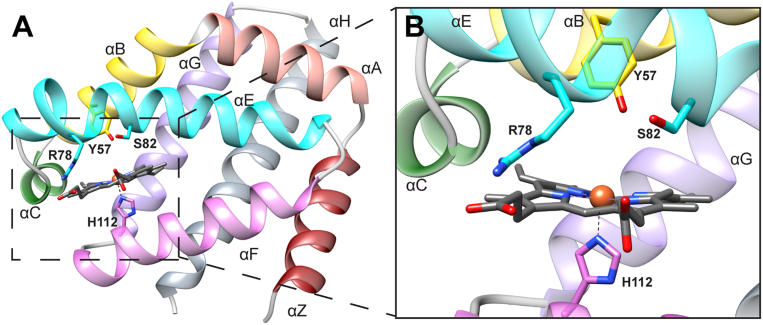 Figure 1
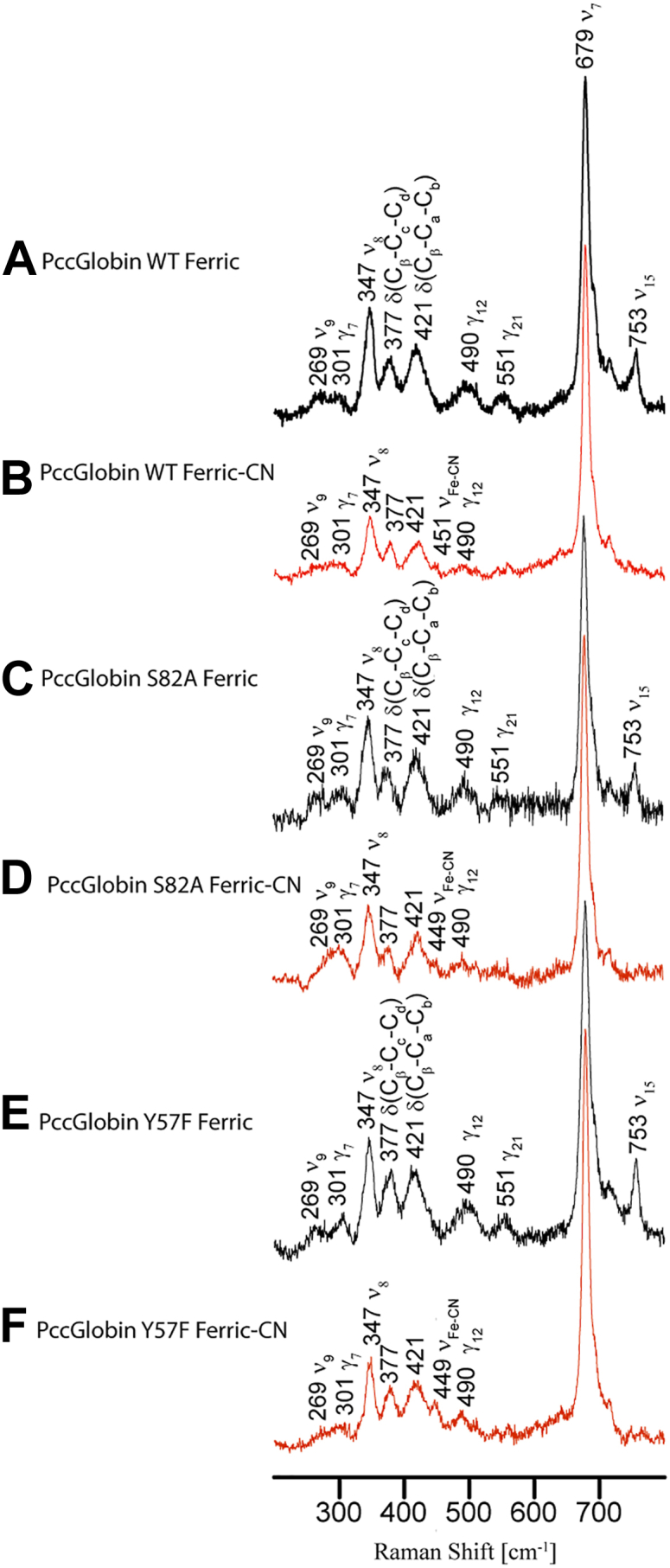 Figure 2
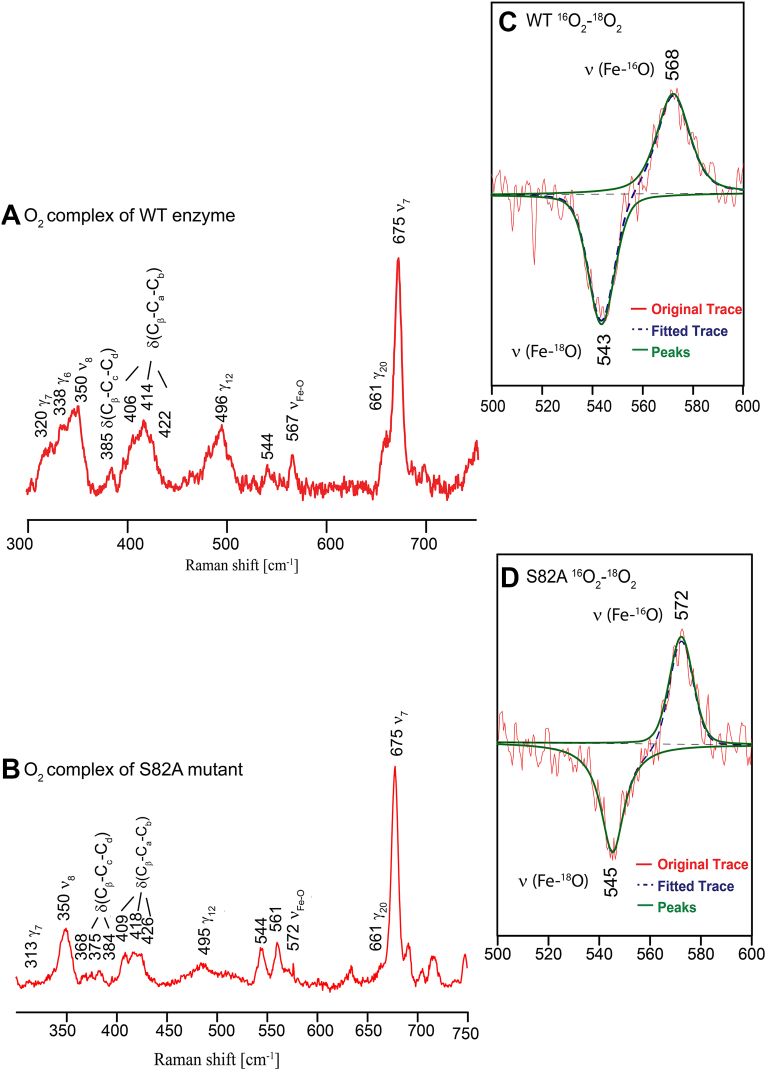 Figure 3
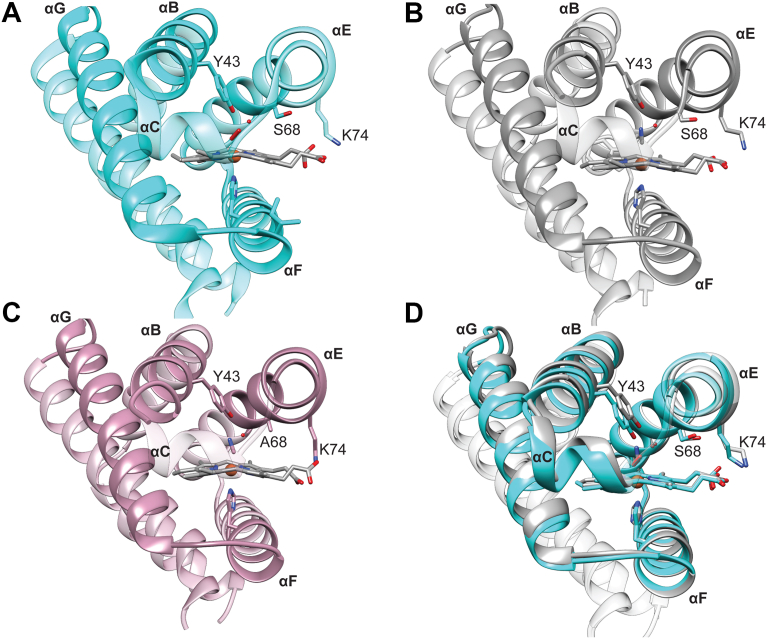 Figure 4
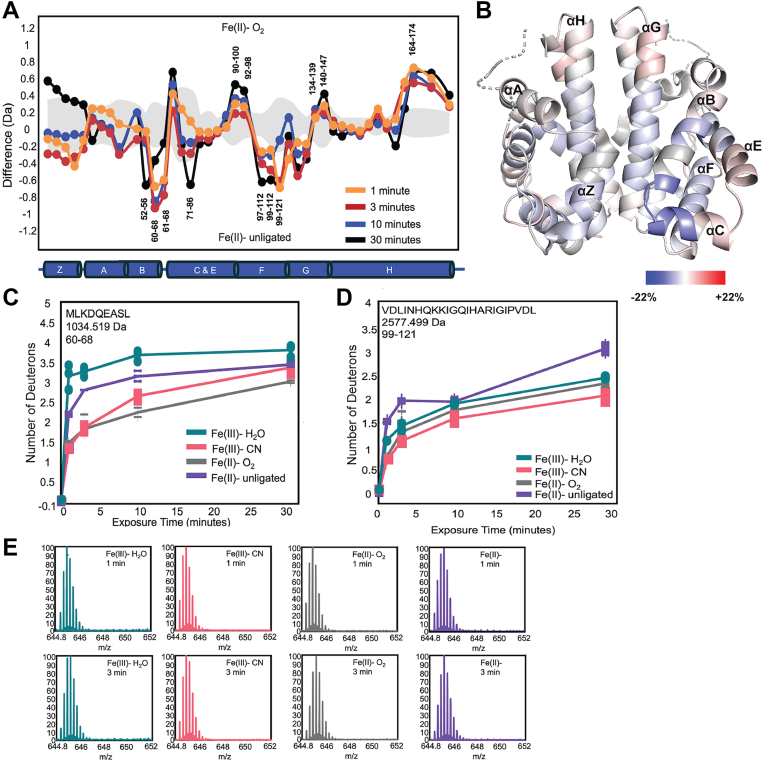 Figure 5
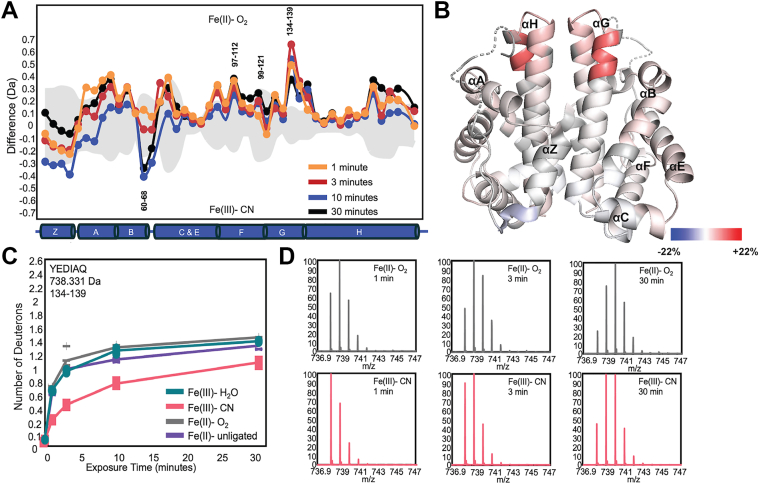 Figure 6
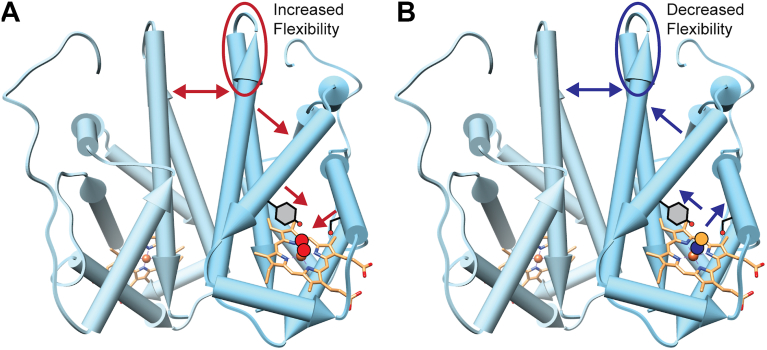 Figure 7
Peer Reviews
No public reviews on file for this paper yet. If you reviewed it on a platform where reviews are public (OpenReview, ICLR, NeurIPS, ICML), you can paste yours below so the community can read it here.
Videos
No videos yet. Explain this paper in a talk, walkthrough, or lecture? Add one.
Taxonomy
TopicsHemoglobin structure and function · Bacterial Genetics and Biotechnology · Photosynthetic Processes and Mechanisms