High‐Throughput 3D Glioblastoma Model in Glycosaminoglycan Hydrogels for Personalized Therapeutic Screening
Rajvinder Kaur Trautmann, Nicholas Dennison, Kathleen McCortney, Solveig Klier, Mehmet Ilyas Cosacak, Carsten Werner, Goktug Akyoldas, Craig M. Horbinski, Uwe Freudenberg, Caghan Kizil

TL;DR
A new 3D model for glioblastoma tumors helps test personalized treatments by mimicking the complex tumor environment and capturing key biological features.
Contribution
A high-throughput 3D glioblastoma model using glycosaminoglycan hydrogels enables independent control of matrix properties and drug screening.
Findings
3D cultures recapitulate GBM molecular programs including hypoxia and immune pathways without artificial hypoxia.
Drug screening in the model reveals dose-dependent effects on tumor cell invasion and architecture.
The platform supports automated drug testing and transcriptomic profiling for personalized therapy optimization.
Abstract
Glioblastoma (GBM) is a devastating brain tumor with limited treatment success, partly because in vitro models poorly mimic in vivo complexity. This study introduces a high‐throughput 3D culture platform utilizing modular starPEG–glycosaminoglycan (GAG) hydrogels that enable independent control of extracellular matrix (ECM) cues: stiffness, cytokine affinity, matrix metalloproteinase‐responsive remodeling, and cell adhesiveness via integrin‐binding RGD peptides. This platform supports encapsulation of patient‐derived GBM cells, recreates physiologically relevant tumor microenvironments in 384‐well plates, and enables automated drug testing on primary cells. Transcriptomic analyses show that 3D cultures recapitulate primary and recurrent GBM programs‐ including hypoxia‐, immune‐, and ECM‐regulatory pathways driving growth, invasion, and resistance, without externally imposed hypoxia. The…
Genes, proteins, chemicals, diseases, species, mutations and cell lines named across the full text — each resolved to its canonical identifier and authoritative record.
Click any figure to enlarge with its caption.
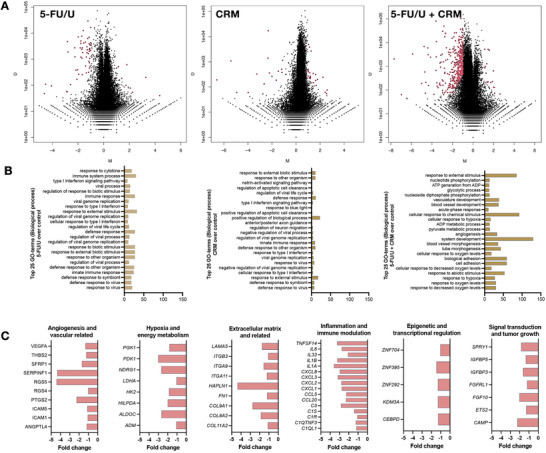 Figure 1
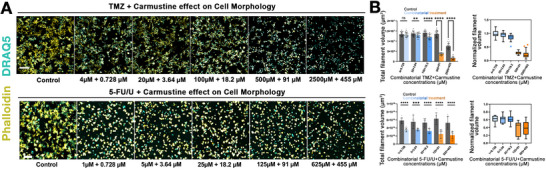 Figure 2
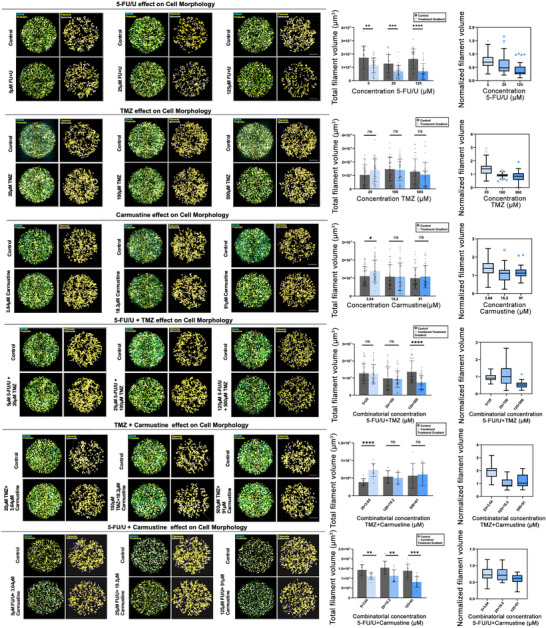 Figure 3
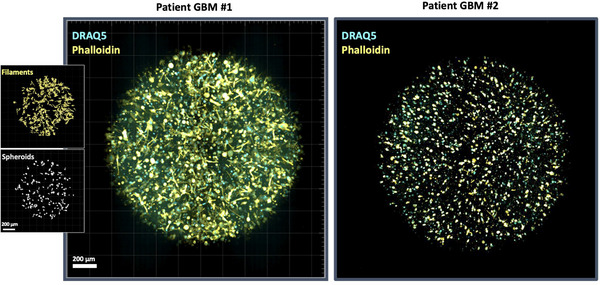 Figure 4
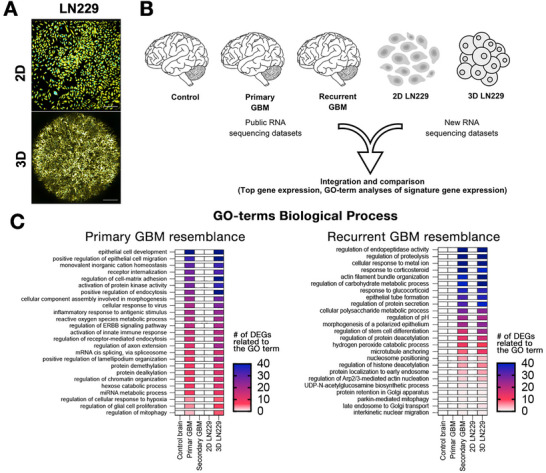 Figure 5
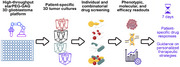 Figure 6
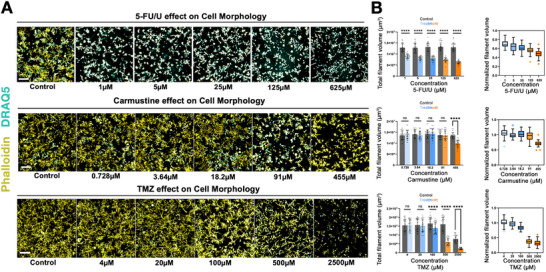 Figure 7
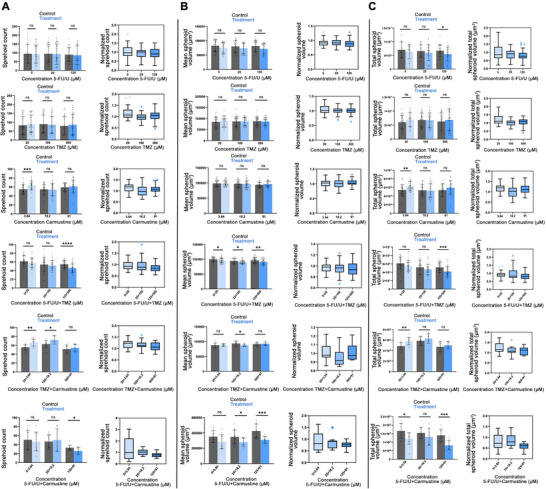 Figure 8
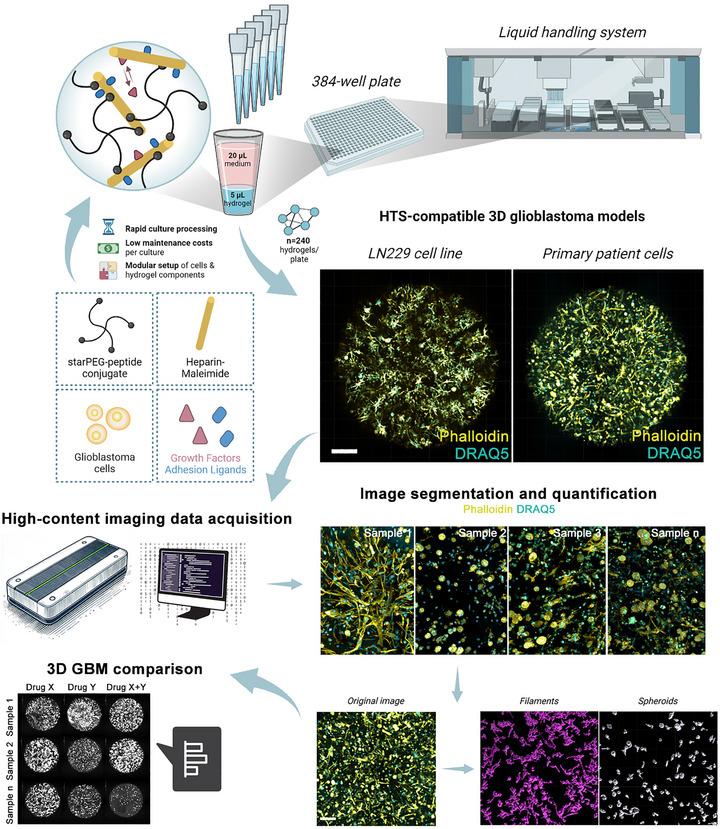 Figure 9
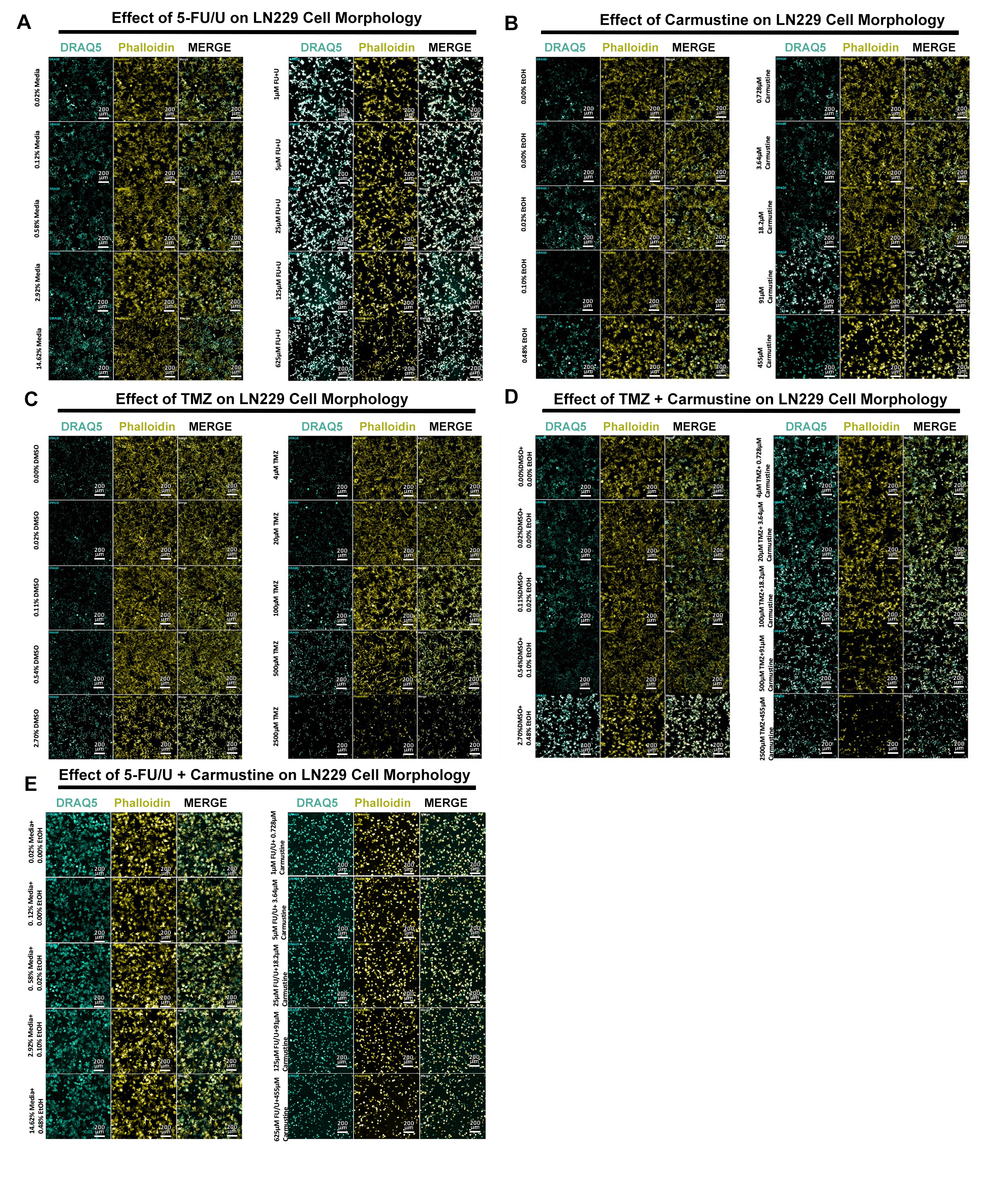 Figure 10
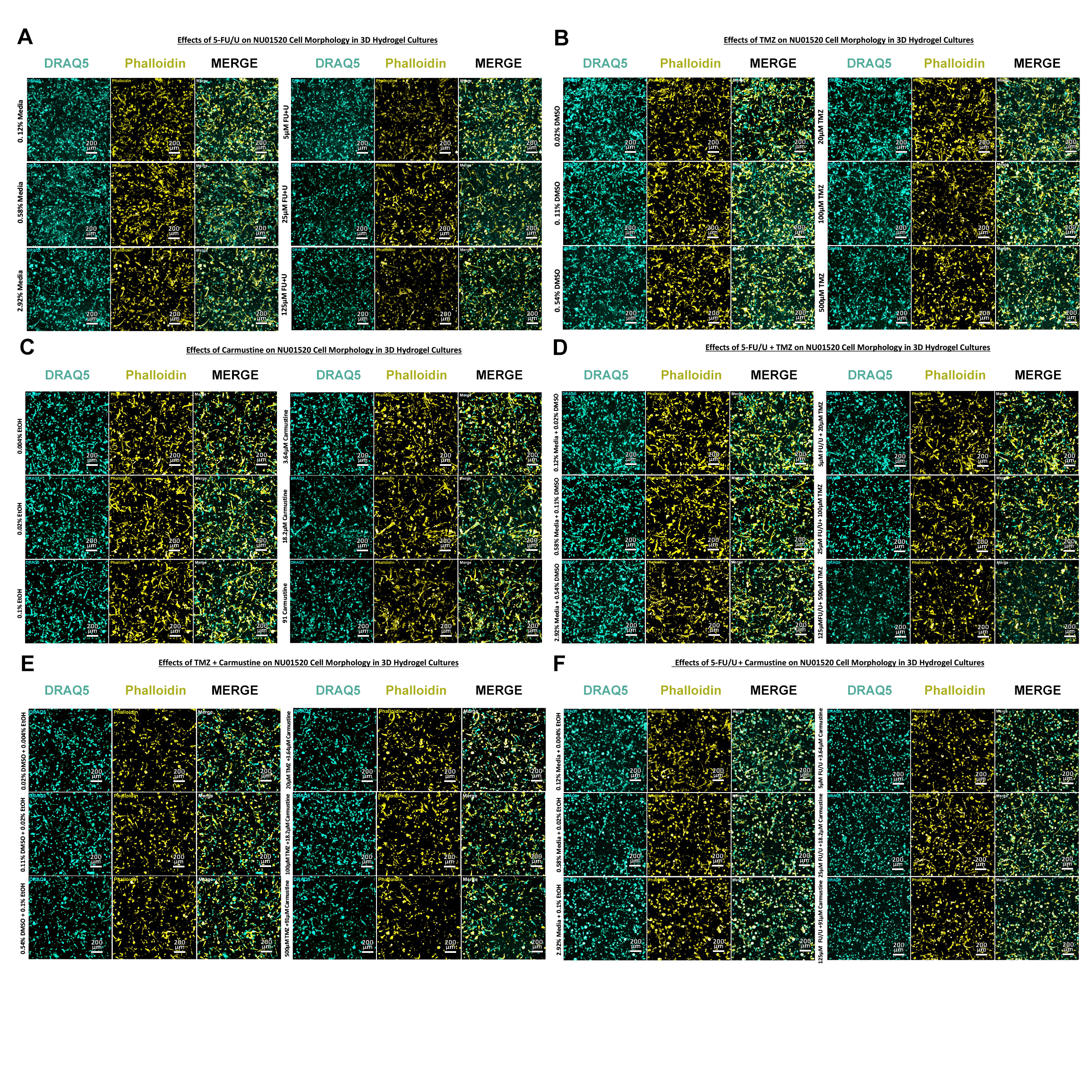 Figure 11
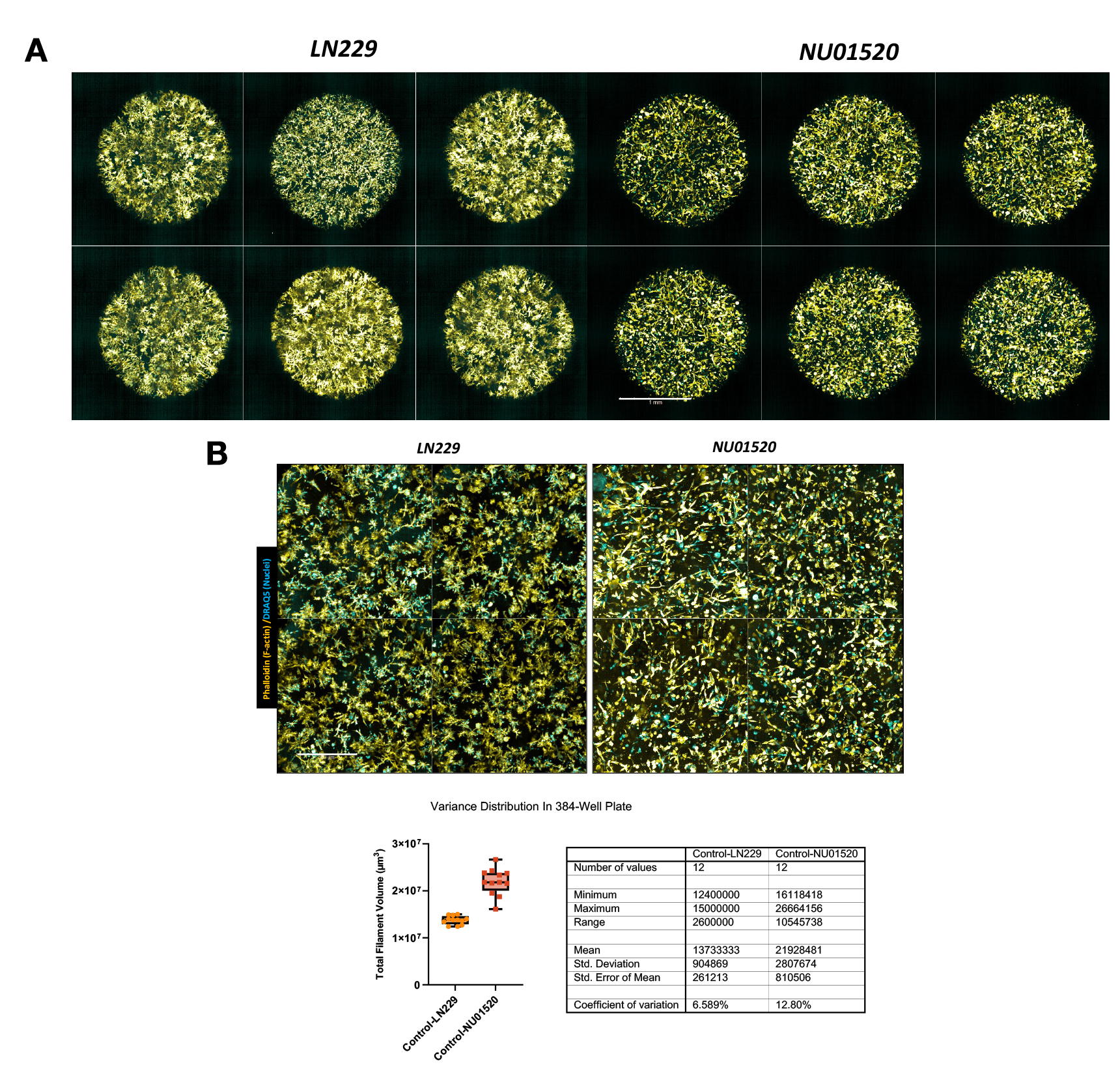 Figure 12
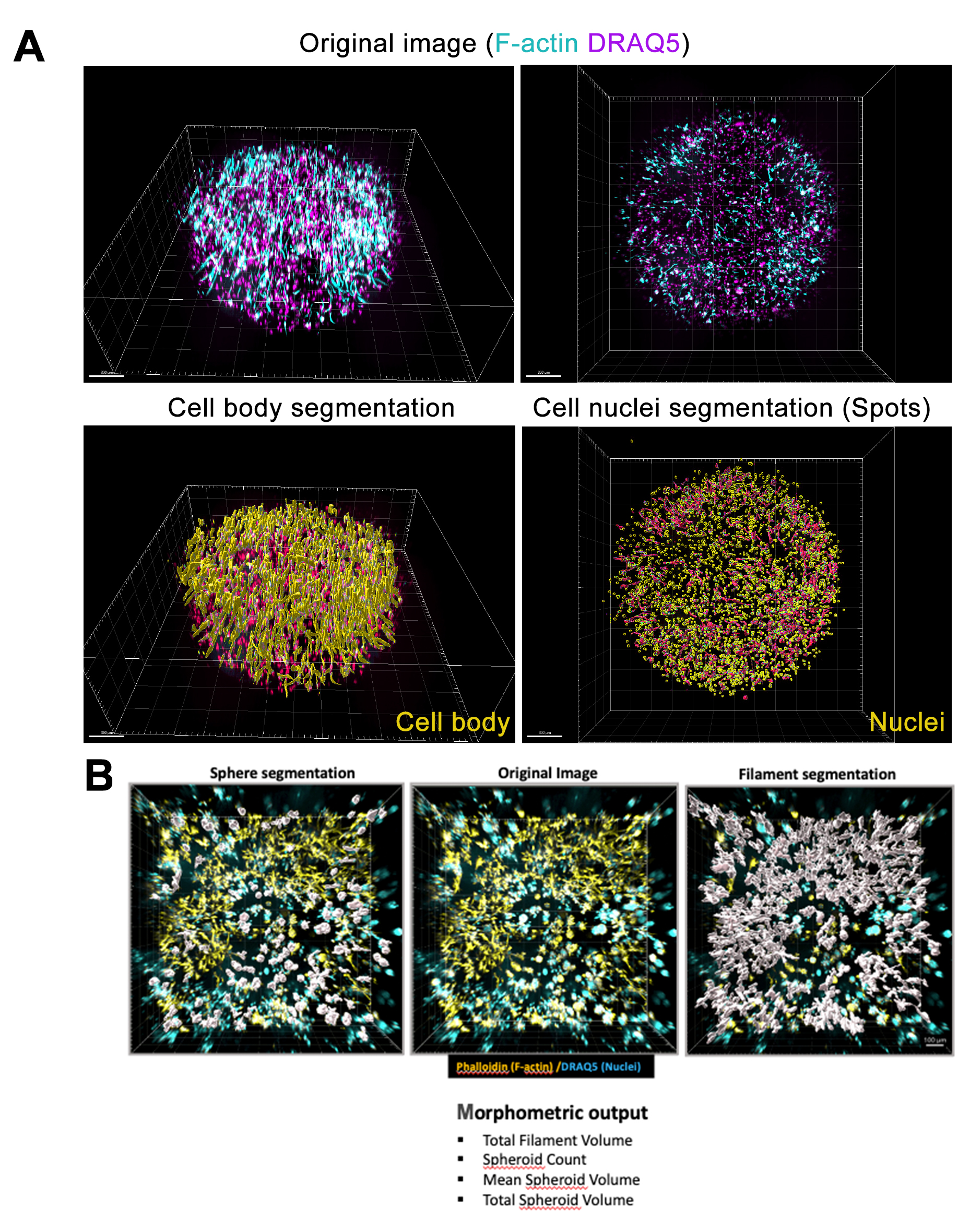 Figure 13
Peer Reviews
No public reviews on file for this paper yet. If you reviewed it on a platform where reviews are public (OpenReview, ICLR, NeurIPS, ICML), you can paste yours below so the community can read it here.
Videos
No videos yet. Explain this paper in a talk, walkthrough, or lecture? Add one.
Taxonomy
Topics3D Printing in Biomedical Research · Glioma Diagnosis and Treatment · Cellular Mechanics and Interactions