Construction, evaluation, and applications of renal barrier-on-a-chip system
Tuya Naren, Weikang Lv, Abdellah Aazmi, Yujun Wang, Haoran Yu, Jie Ying Lee, Huixiang Yang, Mengfei Yu, Xiuxiu Jiang, Huayong Yang, Liang Ma

TL;DR
This paper reviews kidney-on-a-chip technology, which models human renal barriers to improve drug testing and disease research.
Contribution
The paper introduces a multidimensional framework for validating kidney-on-a-chip models and highlights their potential in precision medicine.
Findings
Renal barrier-on-a-chip systems replicate structural and functional traits of glomerular, tubular, and collecting duct barriers.
Dynamic microenvironment simulation improves the fidelity of renal modeling for drug toxicity and disease studies.
Challenges include material limitations and long-term functionality, but advancements are expected to boost clinical applications.
Abstract
Organ-on-a-chip (OoC) technology offers a transformative approach to modeling the human renal barrier, overcoming limitations of traditional animal and two-dimensional cell models. This review systematically outlines the construction and evaluation of renal barrier biochips, focusing on the glomerular filtration barrier (GFB), tubular reabsorption barrier (TRB), and collecting duct regulatory barrier (CDRB). OoC platforms integrate biomimetic materials, simulate dynamic microenvironments, and use multicellular co-culture strategies. This enables them to closely replicate the structural and functional characteristics of renal barriers. Key evaluation metrics—including structural biomimicry, barrier integrity, and active transport functions—are discussed to validate model performance. The technology demonstrates significant potential in drug nephrotoxicity prediction, disease mechanism…
Genes, proteins, chemicals, diseases, species, mutations and cell lines named across the full text — each resolved to its canonical identifier and authoritative record.
Click any figure to enlarge with its caption.
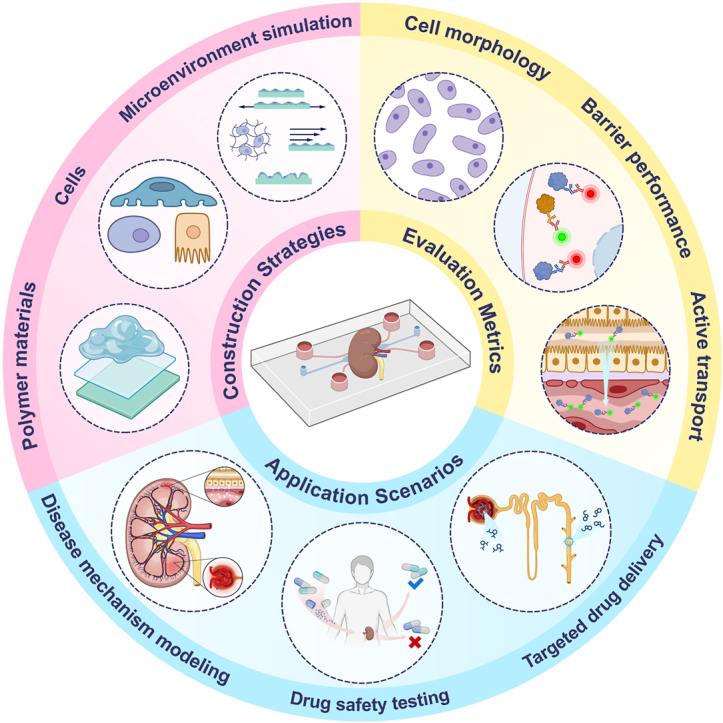 Figure 1
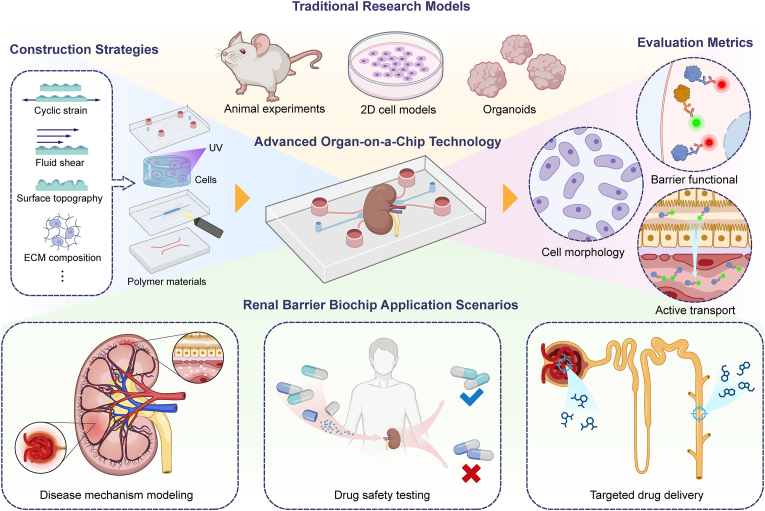 Figure 2
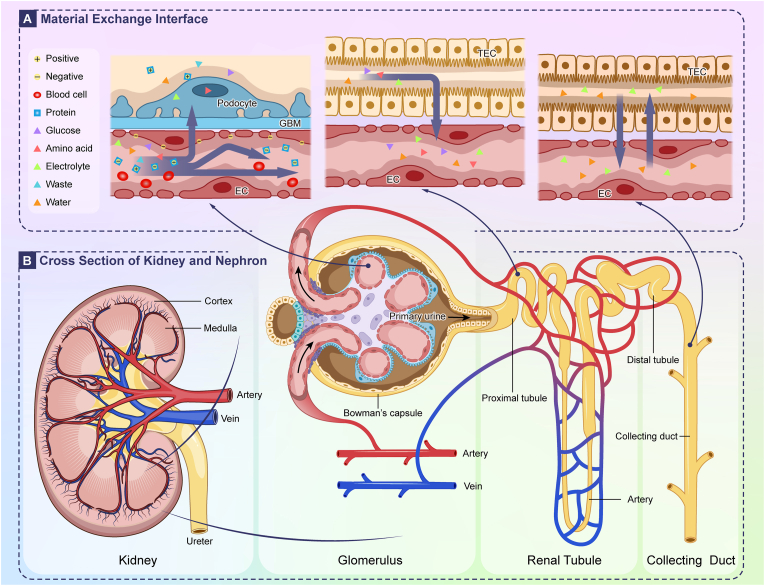 Figure 3
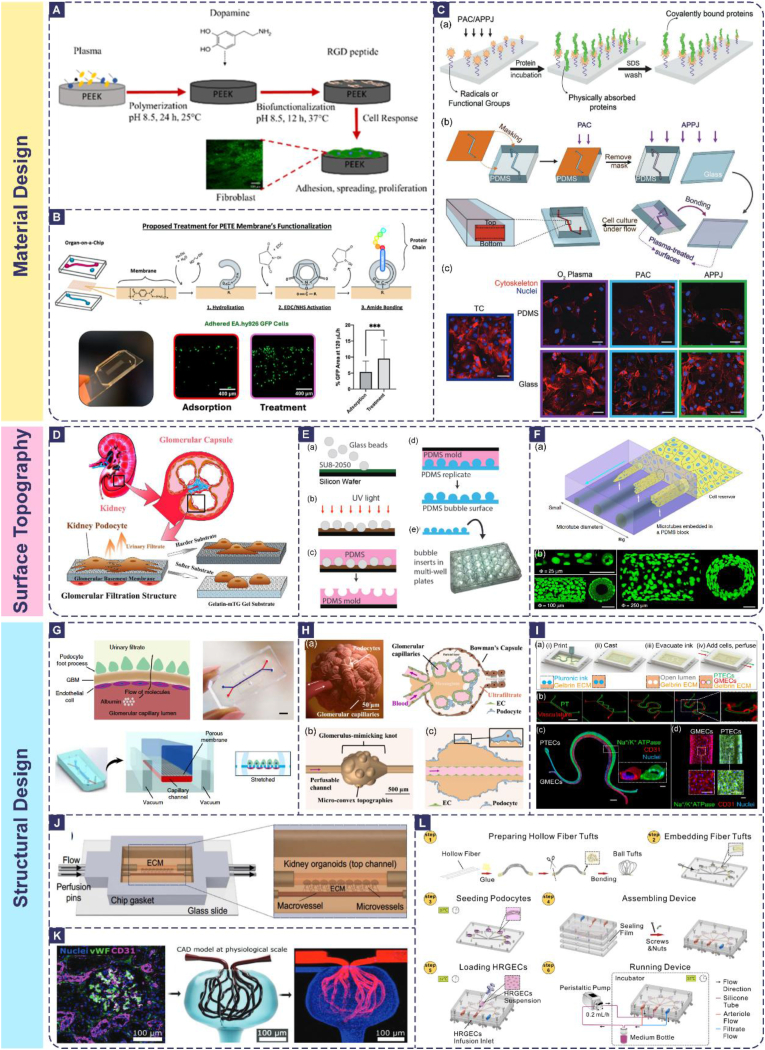 Figure 4
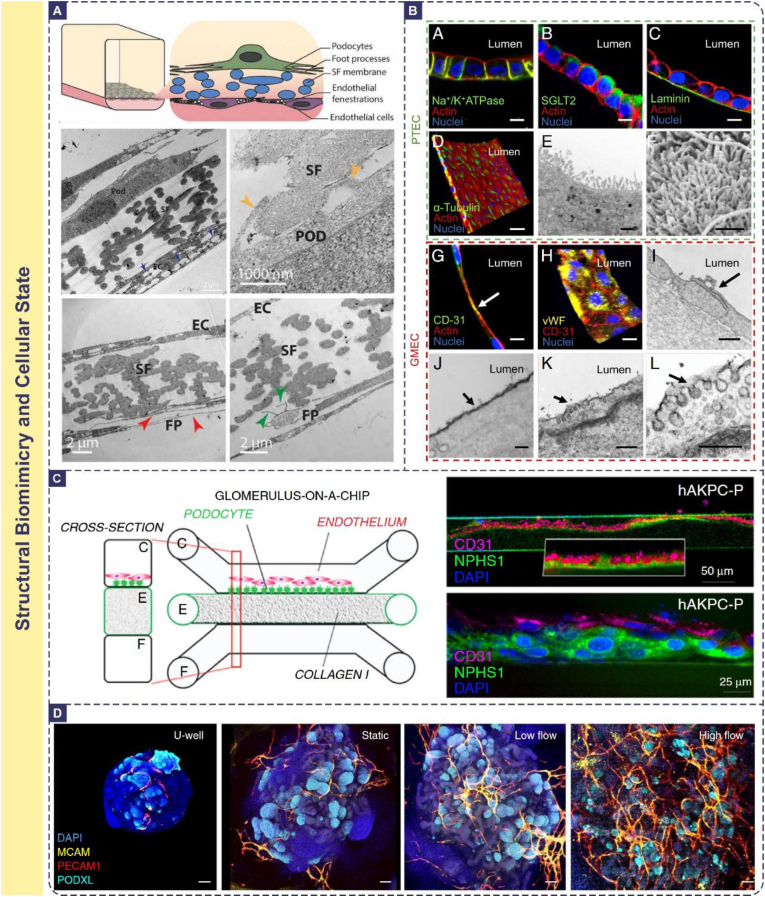 Figure 5
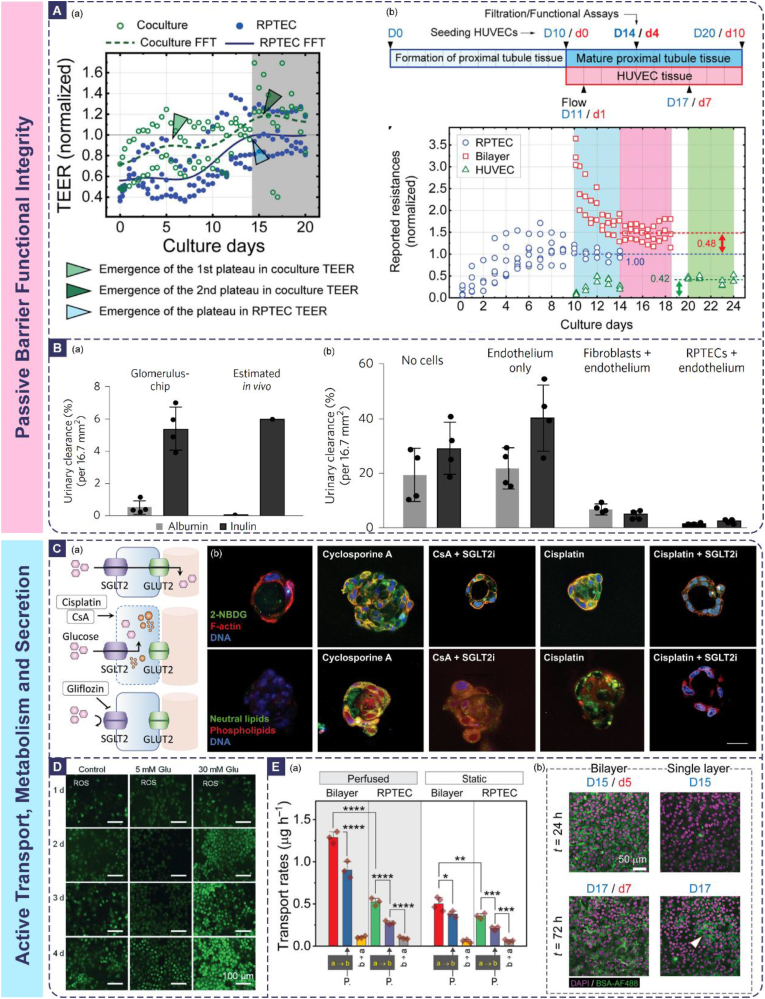 Figure 6
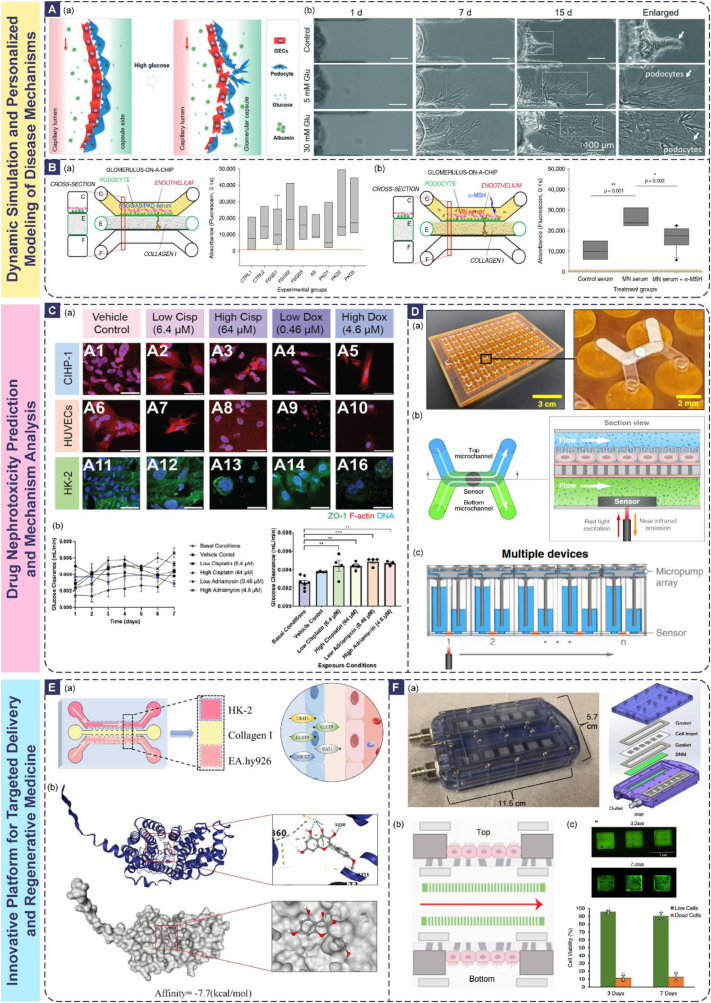 Figure 7
Peer Reviews
No public reviews on file for this paper yet. If you reviewed it on a platform where reviews are public (OpenReview, ICLR, NeurIPS, ICML), you can paste yours below so the community can read it here.
Videos
No videos yet. Explain this paper in a talk, walkthrough, or lecture? Add one.
Taxonomy
Topics3D Printing in Biomedical Research · Microfluidic and Bio-sensing Technologies · Neuroscience and Neural Engineering