An Optimally Regularized Estimator of Multilevel Latent Variable Models with Improved MSE Performance
Valerii Dashuk, Martin Hecht, Oliver Lüdtke, Alexander Robitzsch, Steffen Zitzmann

TL;DR
This paper introduces a new Bayesian estimator for multilevel models that improves accuracy, especially in small datasets with low correlations.
Contribution
The paper presents an optimally regularized Bayesian estimator that outperforms traditional maximum likelihood in mean squared error.
Findings
The estimator shows improved MSE performance in small samples with low ICCs.
Computer simulations confirm the estimator's effectiveness across varying group sizes and correlations.
Abstract
We propose an optimally regularized Bayesian estimator of multilevel latent variable models that aims to outperform traditional maximum likelihood (ML) estimation in mean squared error (MSE) performance. We focus on the between-group slope in a two-level model with a latent covariate. Our estimator combines prior information with data-driven insights for optimal parameter estimation. We present a “proof of concept” by computer simulations, involving varying numbers of groups, group sizes, and intraclass correlations (ICCs), which we conducted to compare the newly proposed estimator with ML. Additionally, we provide a step-by-step tutorial on applying the regularized Bayesian estimator to real-world data using our MultiLevelOptimalBayes package. Encouragingly, our results show that our estimator offers improved MSE performance, especially in small samples with low ICCs. These findings…
Genes, proteins, chemicals, diseases, species, mutations and cell lines named across the full text — each resolved to its canonical identifier and authoritative record.
Click any figure to enlarge with its caption.
 Figure 1
 Figure 2
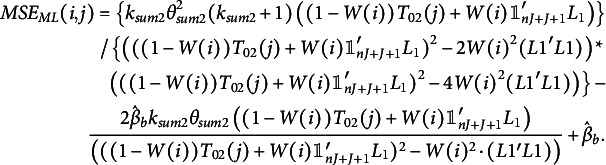 Figure 3
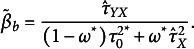 Figure 4
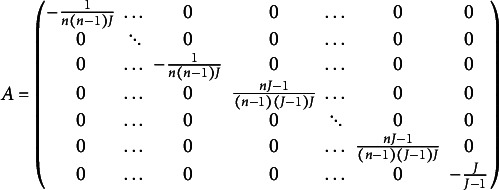 Figure 5
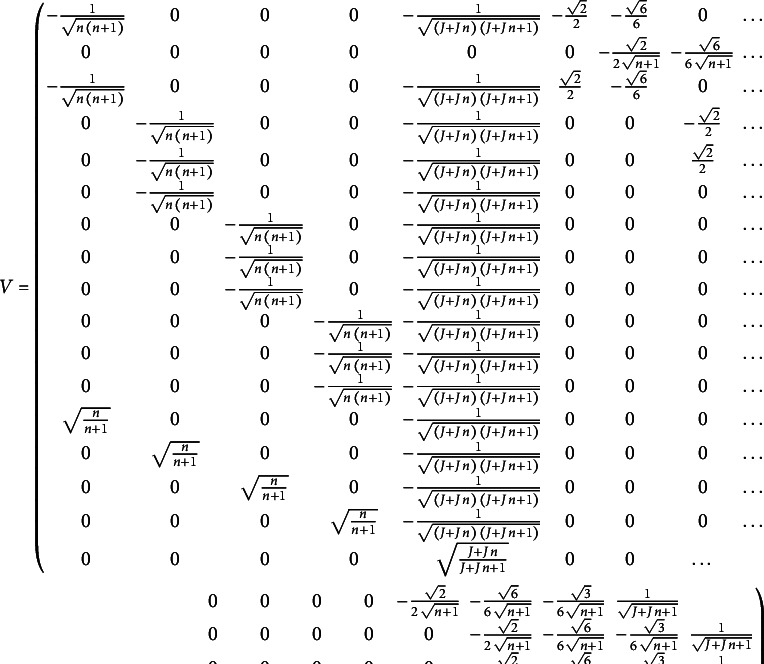 Figure 6
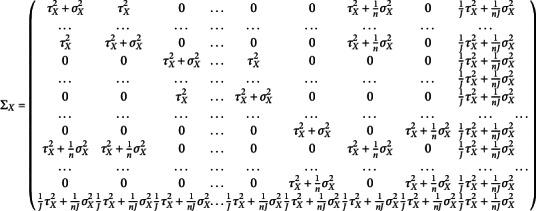 Figure 7
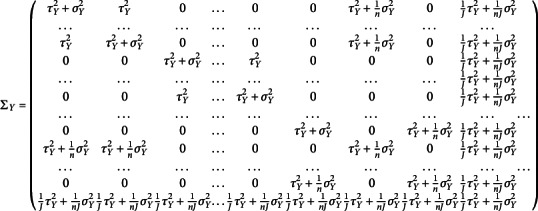 Figure 8
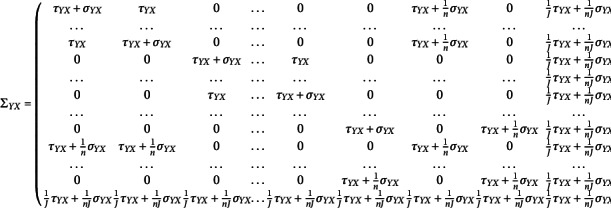 Figure 9
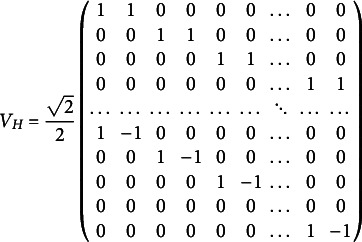 Figure 10
 Figure 11
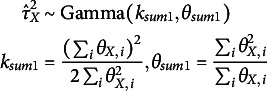 Figure 12
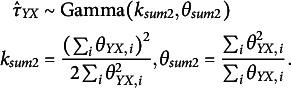 Figure 13
 Figure 14
 Figure 15
 Figure 16
 Figure 17
 Figure 18
 Figure 19
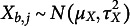 Figure 20
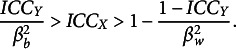 Figure 21
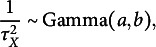 Figure 22
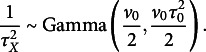 Figure 23
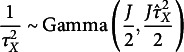 Figure 24
 Figure 25
 Figure 26
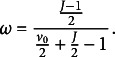 Figure 27
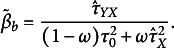 Figure 28
 Figure 29
 Figure 30
 Figure 31
 Figure 32
 Figure 33
 Figure 34
 Figure 35
 Figure 36
 Figure 37
 Figure 38
 Figure 39
 Figure 40
 Figure 41
 Figure 42
 Figure 43
 Figure 44
 Figure 45
 Figure 46
 Figure 47
 Figure 48
 Figure 49
 Figure 50
Peer Reviews
No public reviews on file for this paper yet. If you reviewed it on a platform where reviews are public (OpenReview, ICLR, NeurIPS, ICML), you can paste yours below so the community can read it here.
Videos
No videos yet. Explain this paper in a talk, walkthrough, or lecture? Add one.
Taxonomy
TopicsComputational and Text Analysis Methods · Text and Document Classification Technologies · Speech Recognition and Synthesis