A Clinico-Epidemiological Study of Scrub Typhus Cases in a Tertiary Care Center of a Non-endemic Area
Mahendra Kumar Meena, Sourav Ranjan Parija, Shefali Gupta, Anirudh Mukherjee, Saubhagya Kumar Rout, Pramod Kumar

TL;DR
This study examines the clinical and epidemiological features of scrub typhus in a non-endemic area, highlighting its diagnostic challenges and high mortality.
Contribution
The study identifies predictors of mortality and emphasizes the need for early treatment in non-endemic regions.
Findings
Scrub typhus cases in non-endemic areas often present with non-specific symptoms like cough and altered sensorium.
Multiple organ dysfunction and acute respiratory distress syndrome are common complications with high mortality.
Encephalopathy and shock are independent predictors of death in scrub typhus patients.
Abstract
Background Scrub typhus is a re-emerging mite-borne rickettsial infection, traditionally endemic to hilly regions with scrub vegetation, with an emerging spread into non-endemic areas. Given its common presentation as acute undifferentiated febrile illness (AUFI), it often remains underdiagnosed in these areas, even by astute physicians. The study was undertaken to evaluate the socio-epidemiological and clinical characteristics, including complications and mortality, of scrub typhus in a non-endemic region. Methodology This retrospective study included 64 patients diagnosed with scrub typhus using an IgM enzyme-linked immunosorbent assay. Medical records were reviewed for seasonal patterns, presentations, and predictors of mortality. Results The seroprevalence rate was 15.6% among the tested patients. Cases occurred predominantly between August and November. Common presentations…
Genes, proteins, chemicals, diseases, species, mutations and cell lines named across the full text — each resolved to its canonical identifier and authoritative record.
Click any figure to enlarge with its caption.
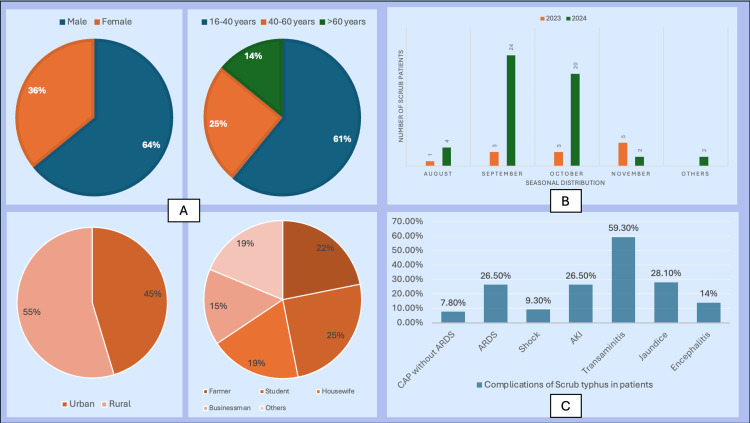 Figure 1
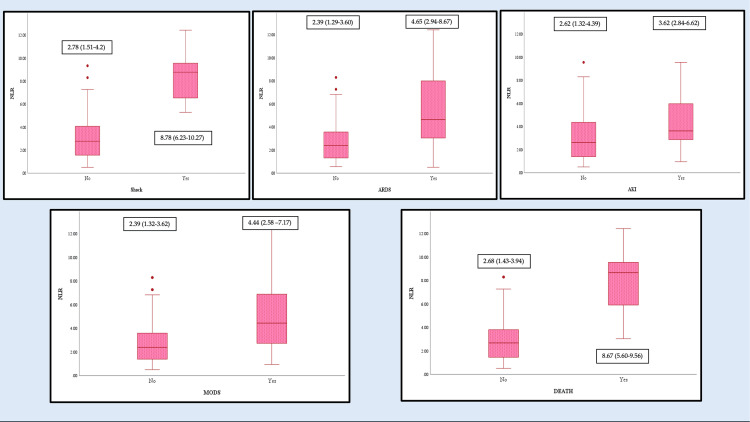 Figure 2
 Figure 3
Peer Reviews
No public reviews on file for this paper yet. If you reviewed it on a platform where reviews are public (OpenReview, ICLR, NeurIPS, ICML), you can paste yours below so the community can read it here.
Videos
No videos yet. Explain this paper in a talk, walkthrough, or lecture? Add one.
Taxonomy
TopicsVector-borne infectious diseases · Parasites and Host Interactions · Leptospirosis research and findings