Distinct mechanisms of recognition of phosphorylated RNAPII C-terminal domain by BRCT repeats of the BRCA1–BARD1 complex
V. Klapstova, K. Sedova, J. Houser, M. Sebesta

TL;DR
This study explores how the BRCA1-BARD1 complex interacts with RNA polymerase II to coordinate transcription and DNA repair processes.
Contribution
The paper reveals a novel mechanism by which BRCA1-BARD1 recognizes phosphorylated RNAPII, linking transcription and DNA repair.
Findings
The BRCA1 BRCT domain binds the Ser5-phosphorylated CTD of RNAPII using a known mechanism.
This interaction is essential for organizing RNAPII into liquid-like condensates.
Disease-associated BRCT variants affect this condensation, highlighting its biological importance.
Abstract
Transcription competes with other DNA-dependent processes, such as DNA repair, for access to its substrate, DNA. However, the principles governing the interplay between these processes remain poorly understood. Evidence suggests that the BRCA1-BARD1 complex, a key player in the DNA damage response, may act as a mediator of this crosstalk. In this study, we investigated the molecular mechanism underpinning the interaction between RNA polymerase II (RNAPII) and the BRCA1-BARD1 complex, as well as its functional implications. Our findings reveal that the tandem BRCT domain of BRCA1 binds the Ser5-phosphorylated CTD of RNAPII, utilizing a mechanism previously established for other BRCA1 BRCT ligands. Furthermore, we demonstrate that this interaction is critical for the organization of RNAPII into condensates with liquid-like properties. Analysis of disease-associated variants within the…
Genes, proteins, chemicals, diseases, species, mutations and cell lines named across the full text — each resolved to its canonical identifier and authoritative record.
Click any figure to enlarge with its caption.
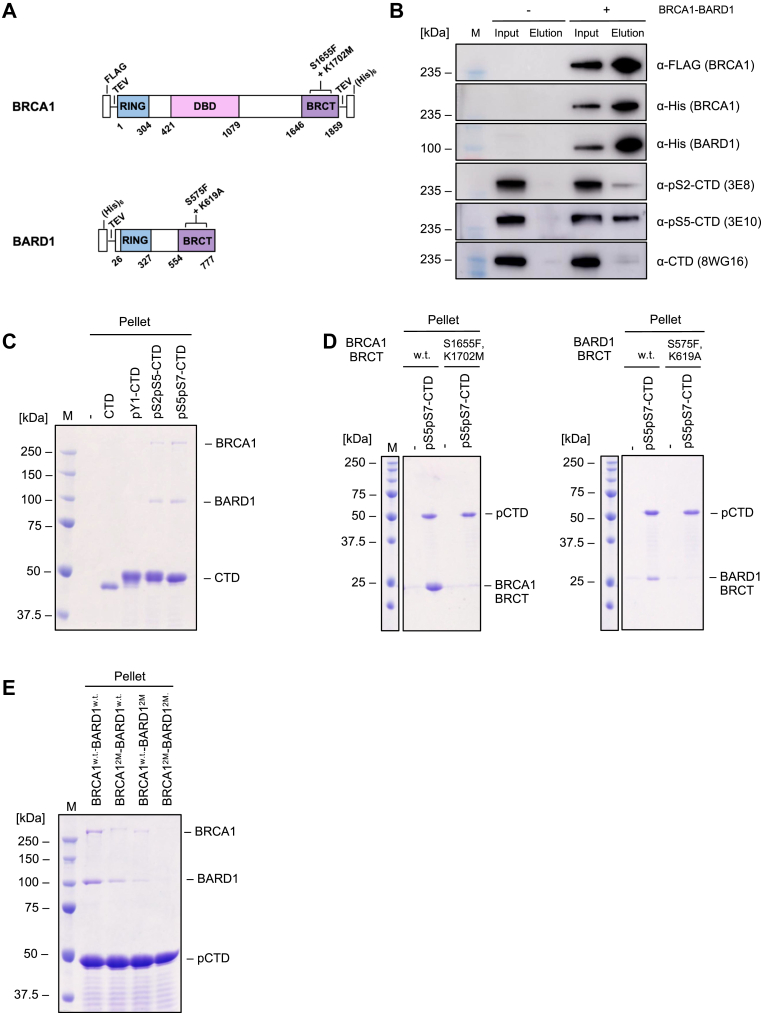 Figure 1
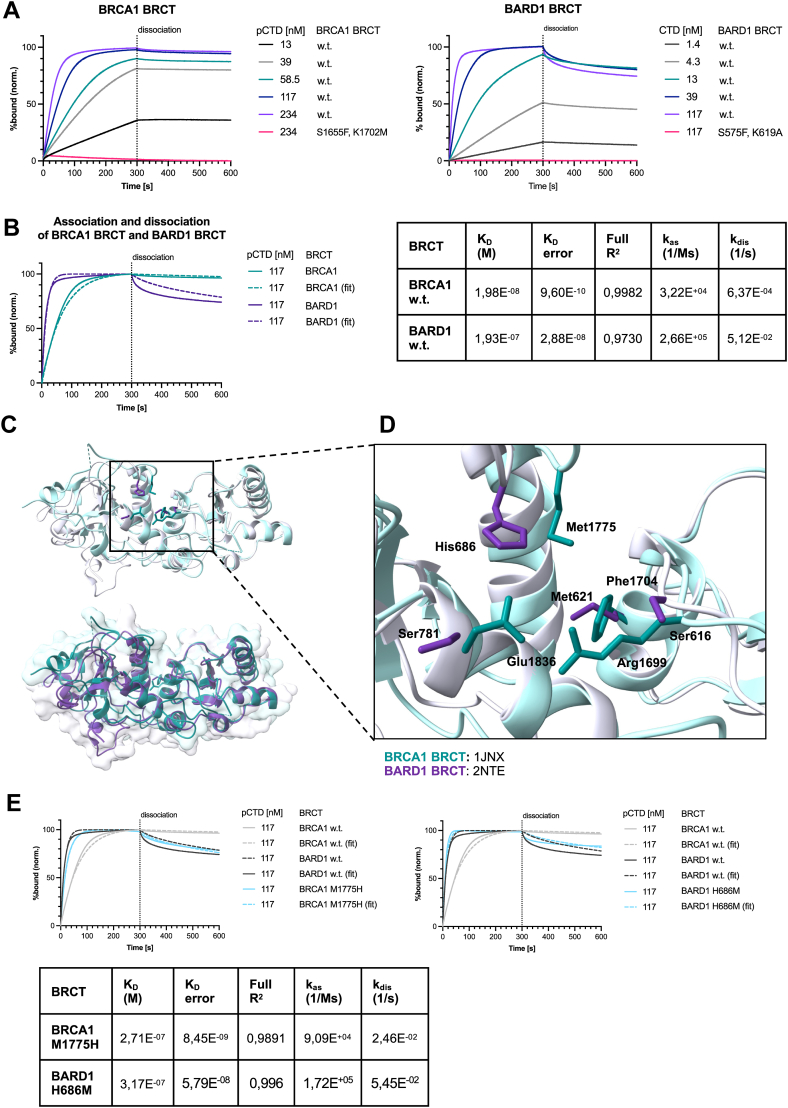 Figure 2
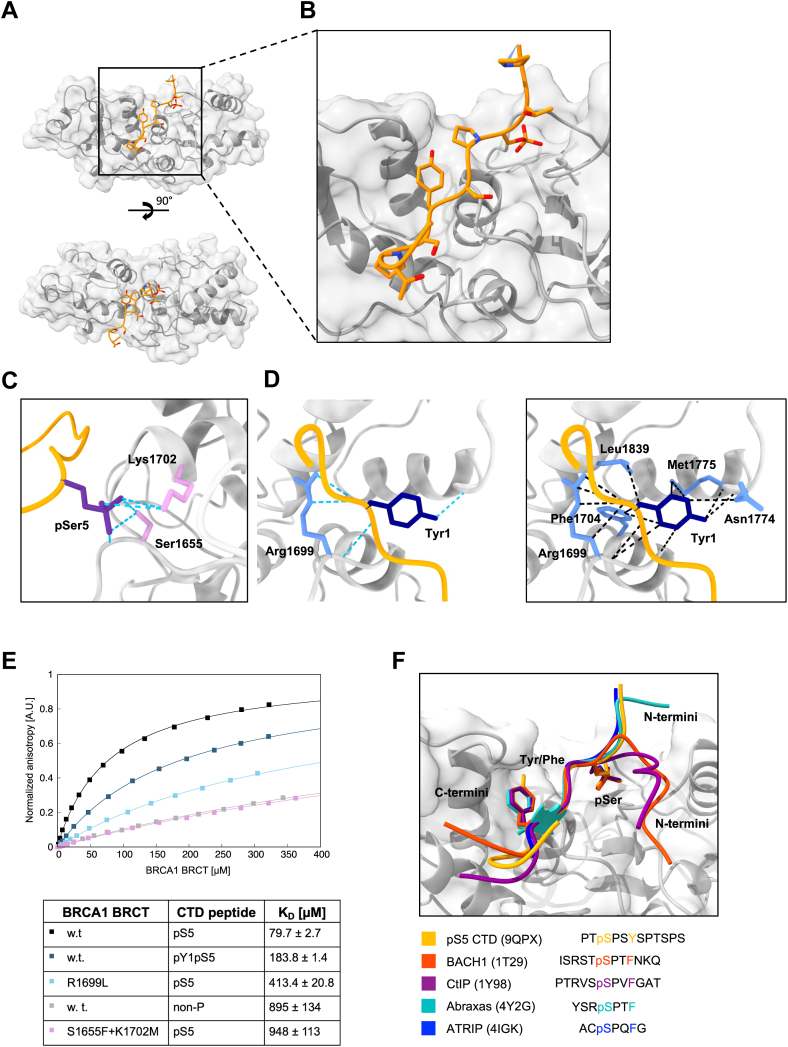 Figure 3
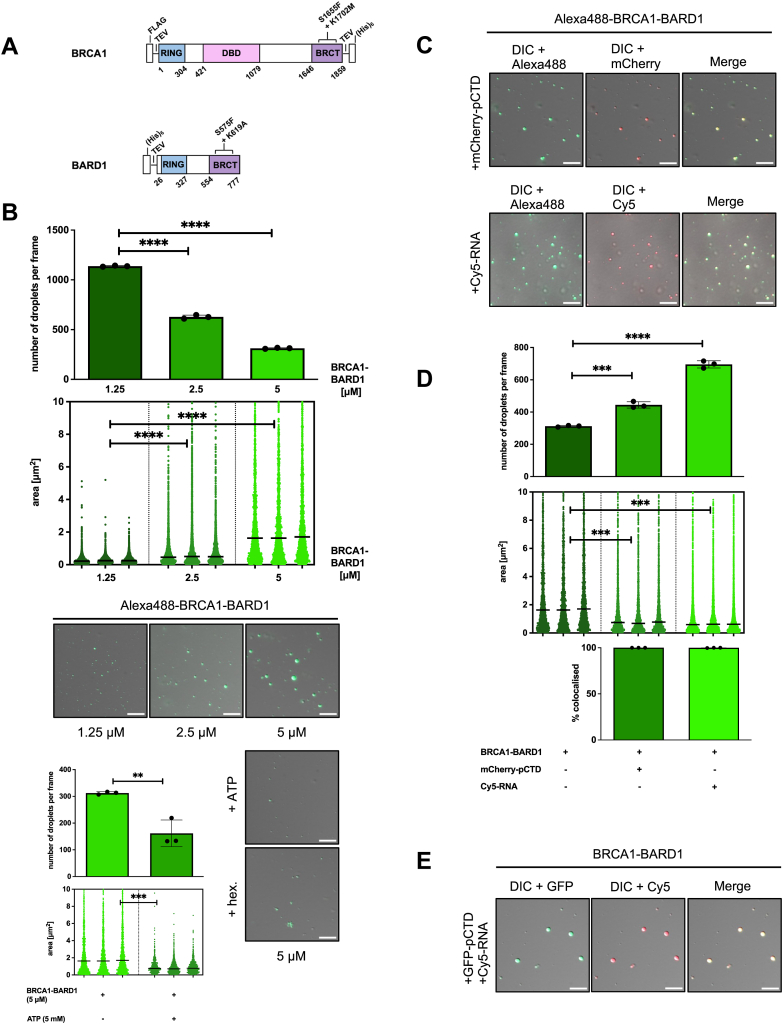 Figure 4
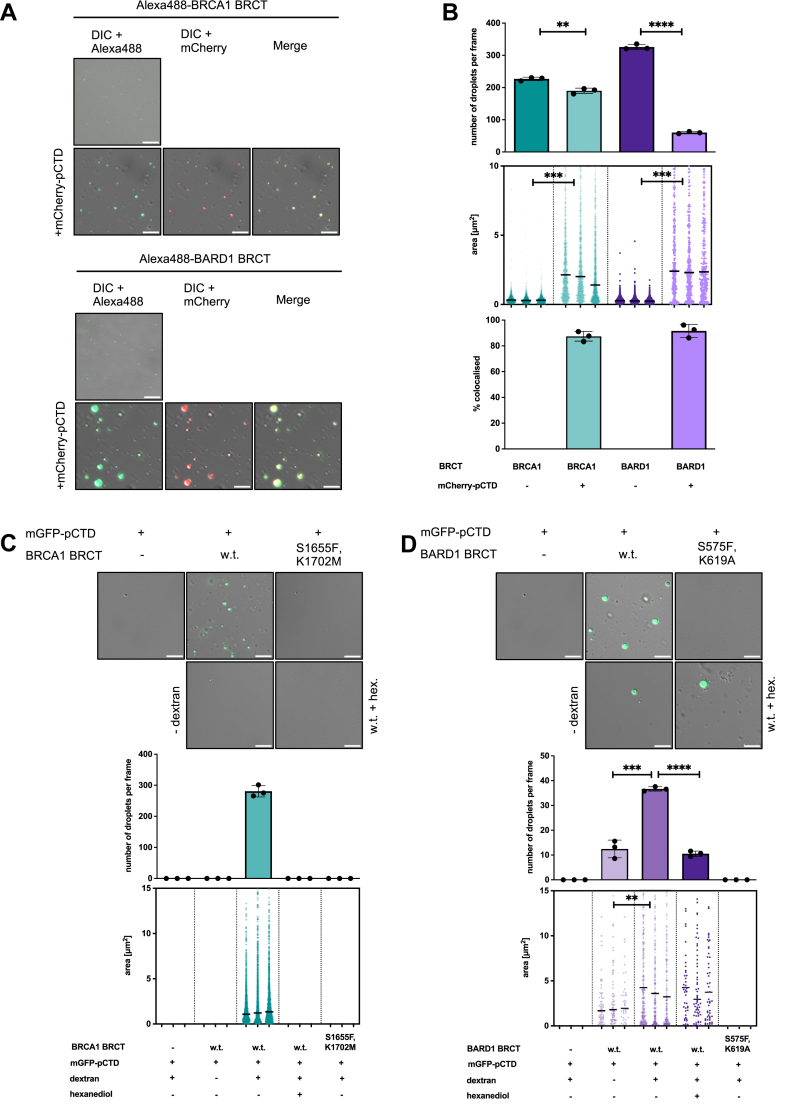 Figure 5
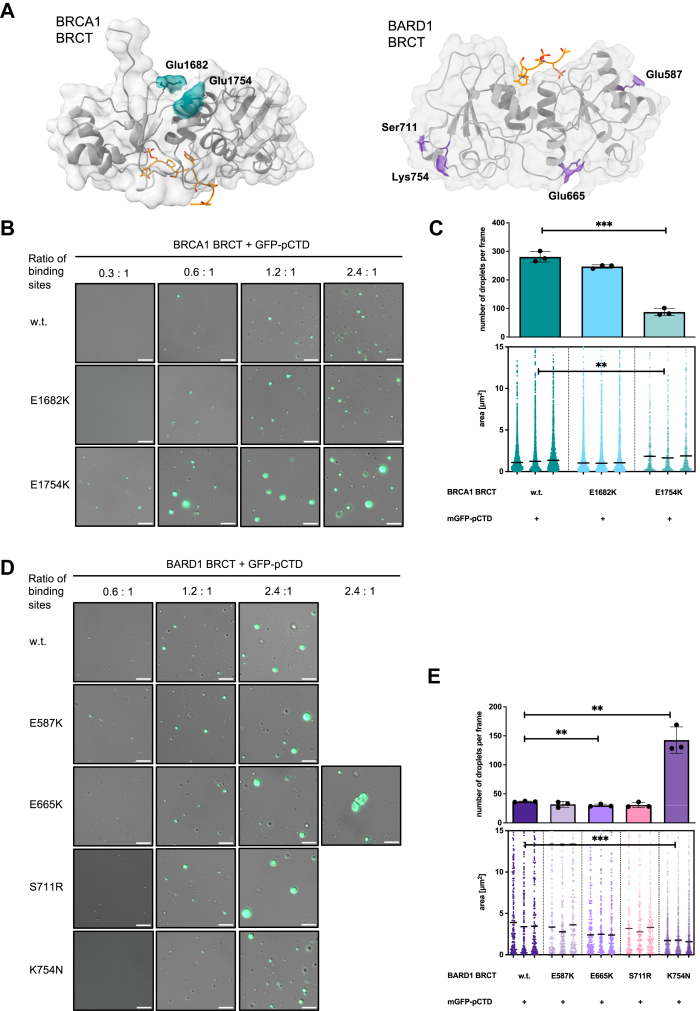 Figure 6
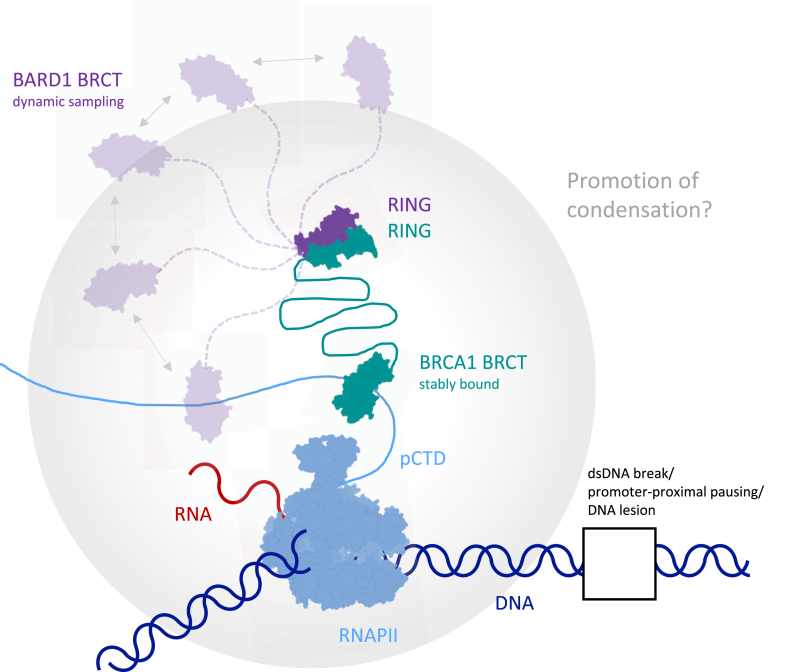 Figure 7
Peer Reviews
No public reviews on file for this paper yet. If you reviewed it on a platform where reviews are public (OpenReview, ICLR, NeurIPS, ICML), you can paste yours below so the community can read it here.
Videos
No videos yet. Explain this paper in a talk, walkthrough, or lecture? Add one.
Taxonomy
TopicsDNA Repair Mechanisms · BRCA gene mutations in cancer · PARP inhibition in cancer therapy