Access to interventional therapies for cancer pain: An exploratory survey of cancer pain experts
Elizabeth Roux, Amitabh Gulati, Anuj Bhatia, David Hao

TL;DR
This study explores how cancer pain specialists access and use interventional therapies, finding that complex procedures are less accessible and availability varies by cancer type and setting.
Contribution
The study identifies specific interventional therapies with limited access and highlights how procedural complexity and institutional resources affect cancer pain management.
Findings
Cancer pain experts reported limited access to complex procedures like SCS, ITDD, and cordotomy.
Availability of therapies varied by cancer type and clinical setting, with academic centers lacking complementary therapies.
Institutional resources and practice settings significantly influence access to and use of interventional pain treatments.
Abstract
The substantial health burdens and prevalence of cancer-related pain both during and after treatment underscore the need for expanded access to cancer pain specialists and therapeutic pain treatments. Despite growing demand, cancer pain specialists face substantial barriers to providing effective care. This exploratory study sought to characterize perspectives from a small group of international pain experts to examine patterns of utilization and perceived accessibility of interventional therapies across cancer types and clinical practice settings. An international, anonymous survey of cancer pain experts, identified via rigorous definition criteria, was conducted using the Qualtrics platform. The survey evaluated eight cancer-related pain categories: head and neck cancer, pleural and rib-based lung cancer, pancreatic cancer, pelvic cancer, lumbosacral spine cancer, extremity cancer,…
Genes, proteins, chemicals, diseases, species, mutations and cell lines named across the full text — each resolved to its canonical identifier and authoritative record.
Click any figure to enlarge with its caption.
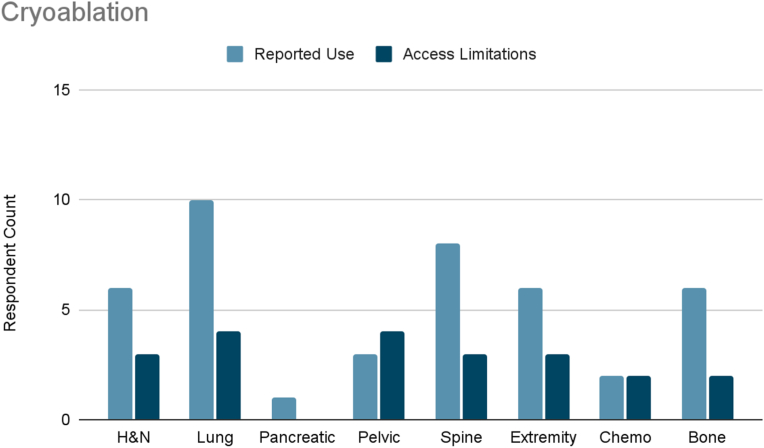 Figure 1
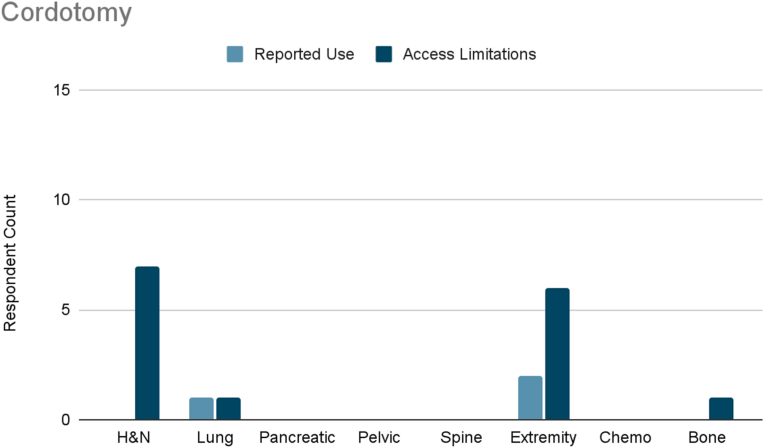 Figure 2
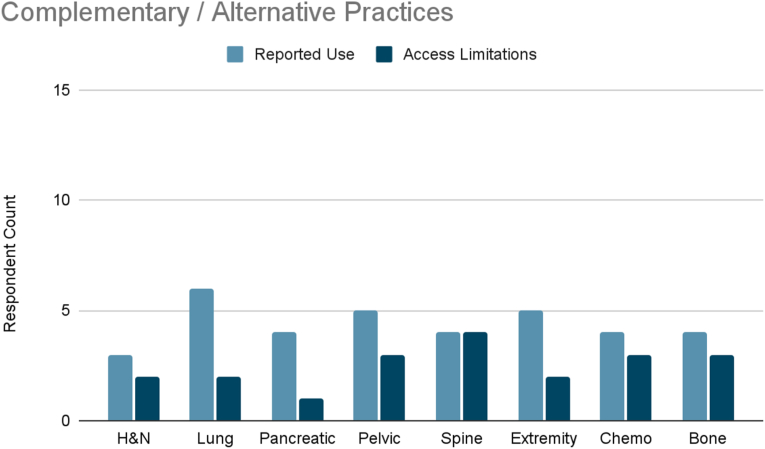 Figure 3
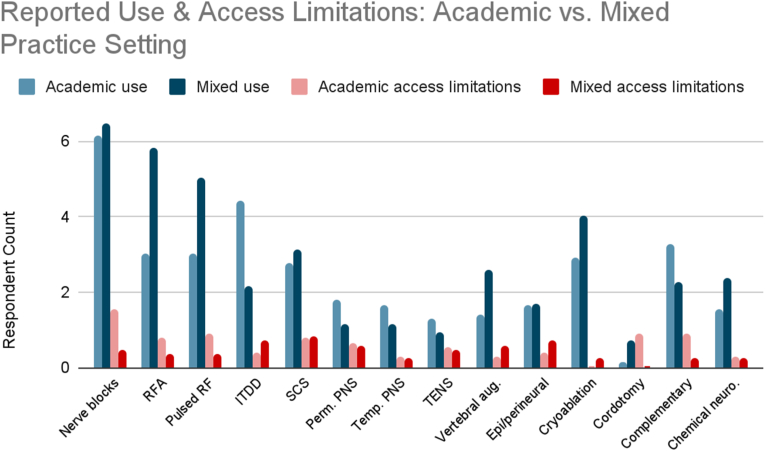 Figure 4
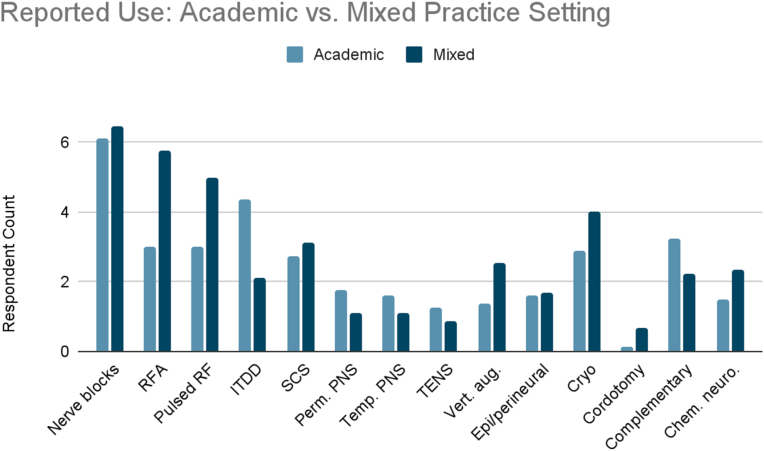 Figure 5
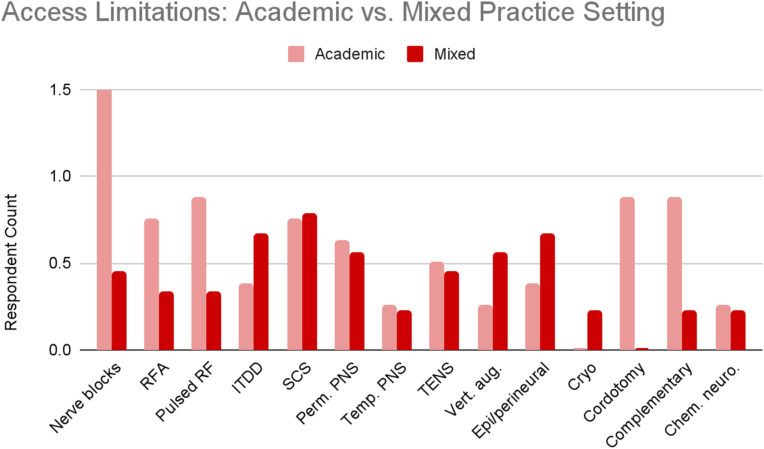 Figure 6
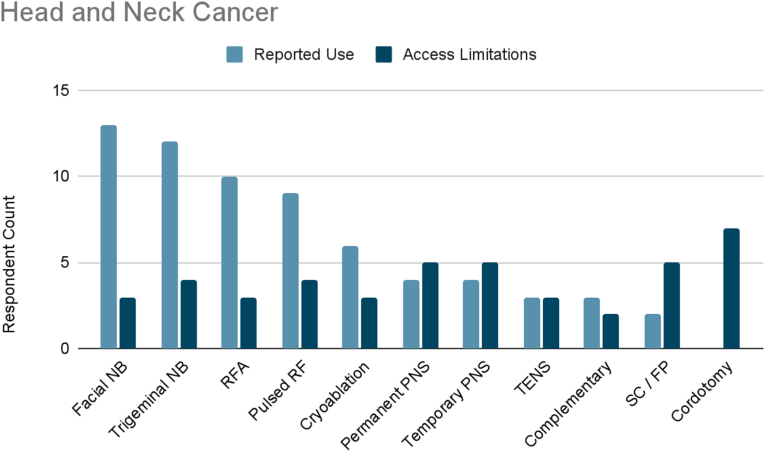 Figure 7
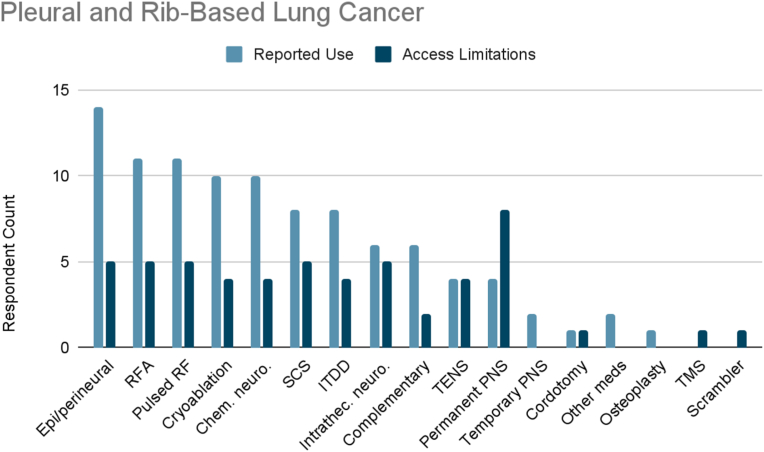 Figure 8
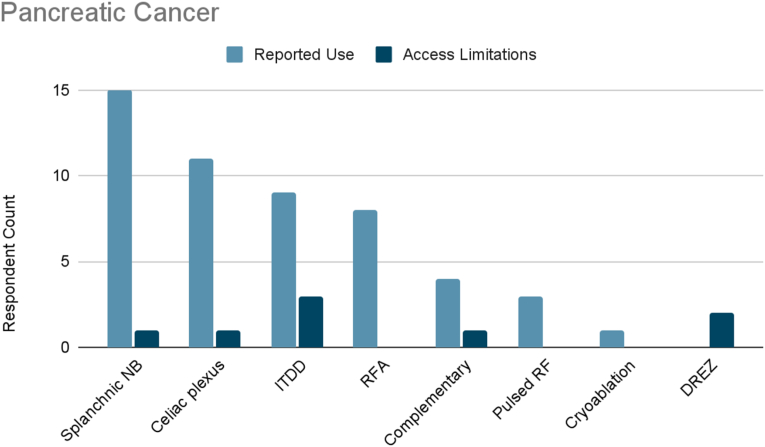 Figure 9
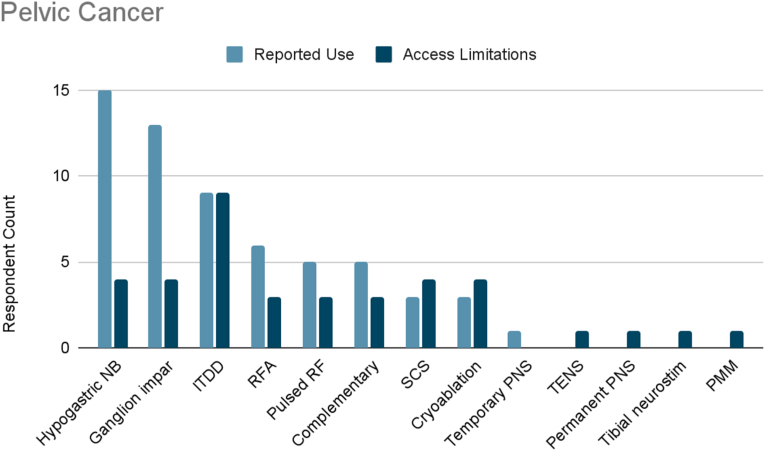 Figure 10
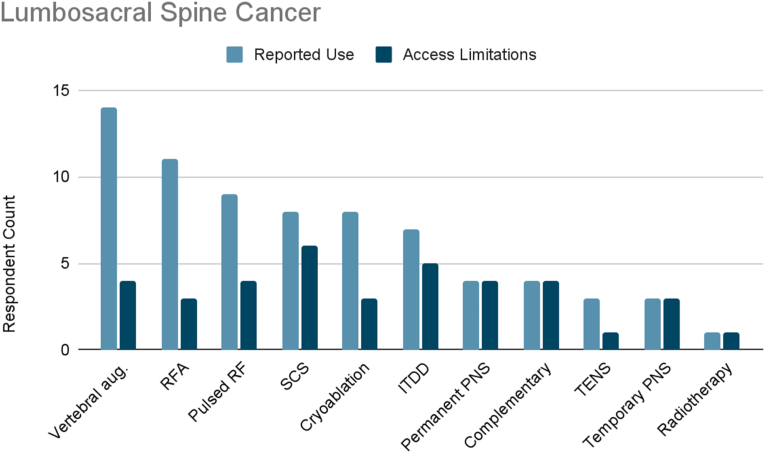 Figure 11
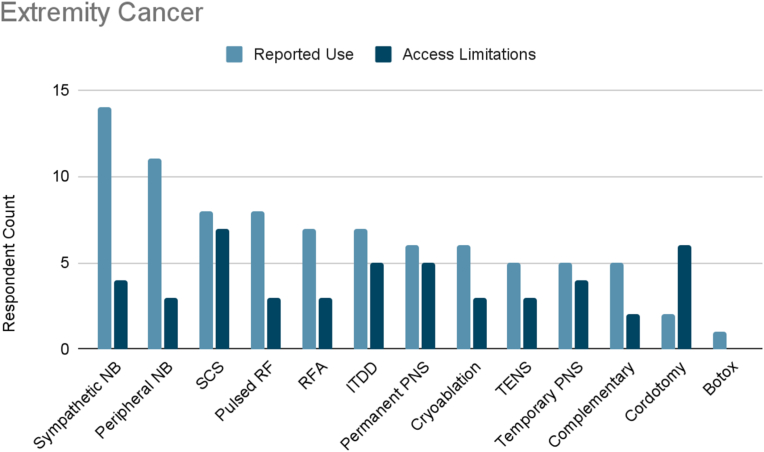 Figure 12
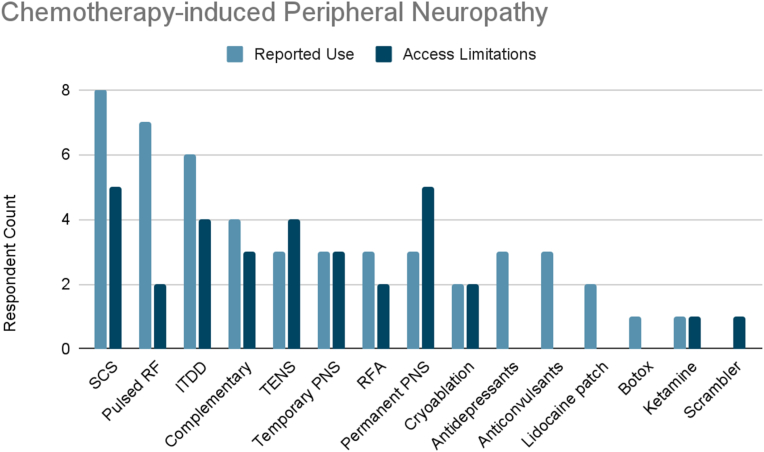 Figure 13
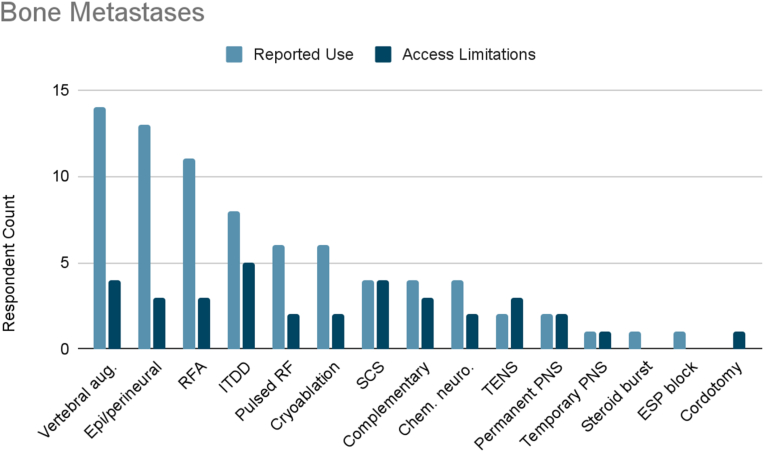 Figure 14
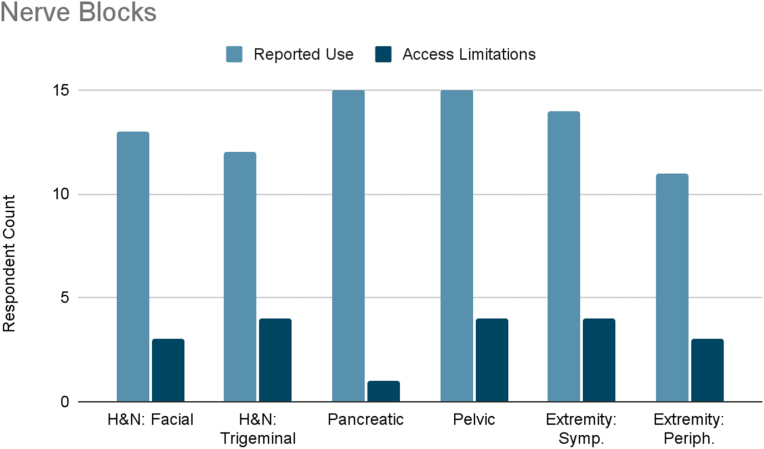 Figure 15
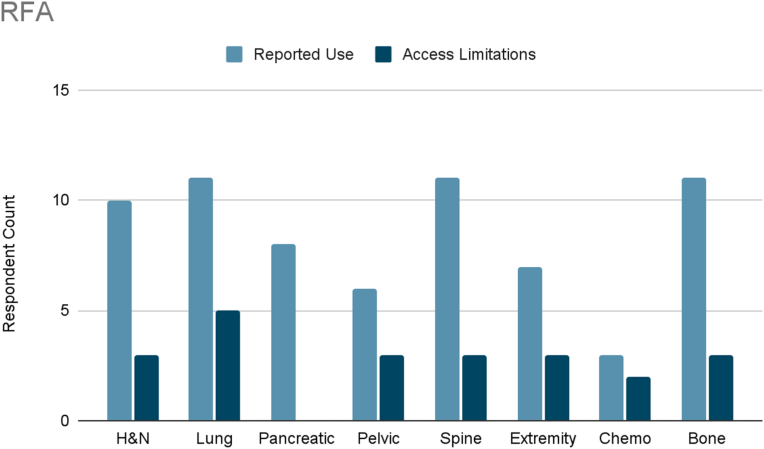 Figure 16
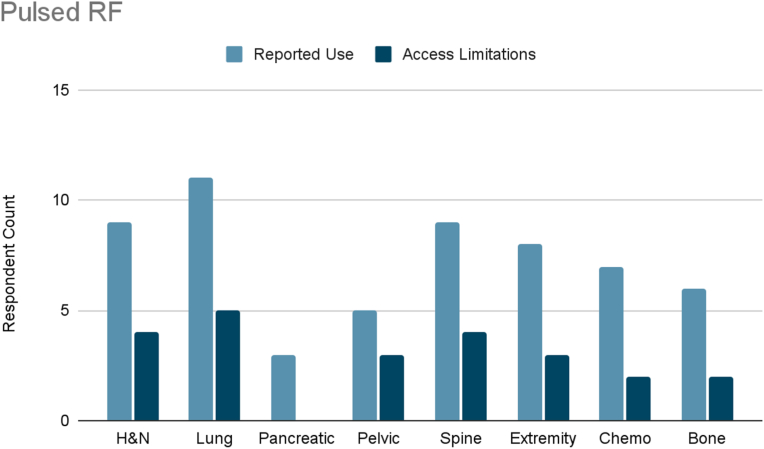 Figure 17
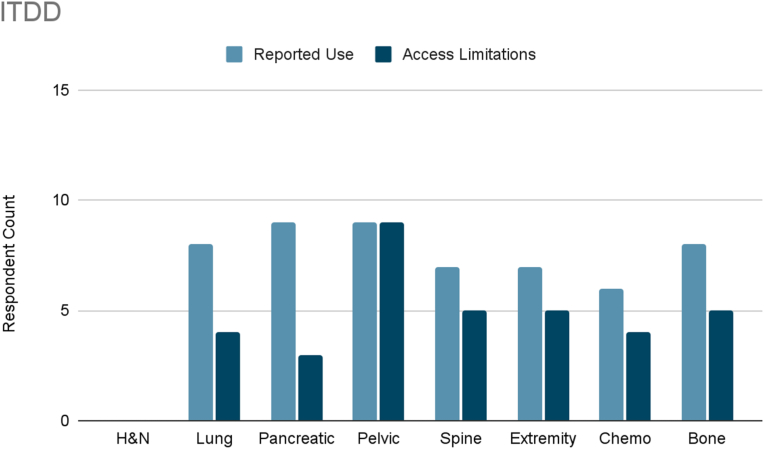 Figure 18
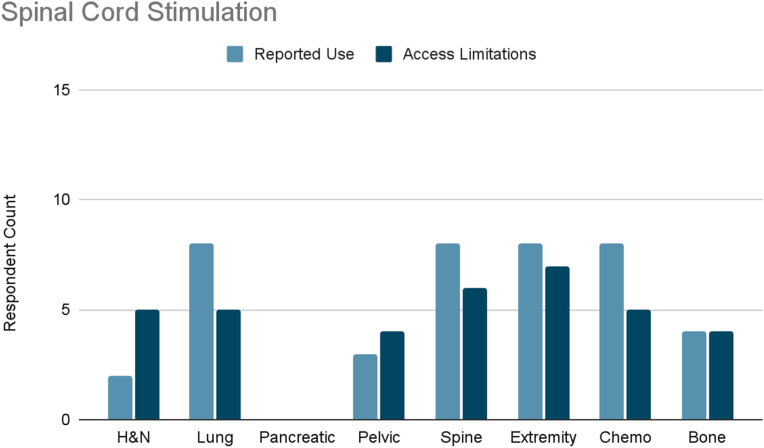 Figure 19
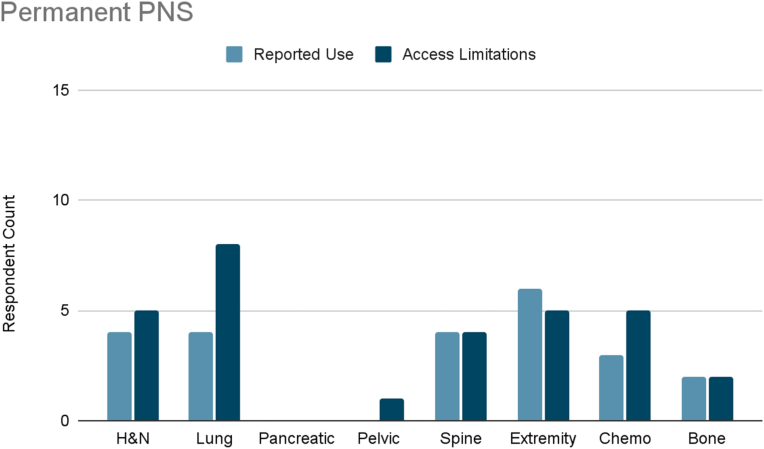 Figure 20
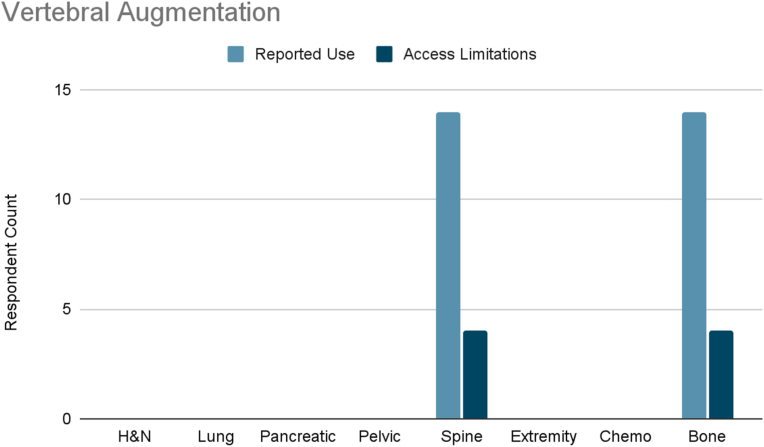 Figure 21
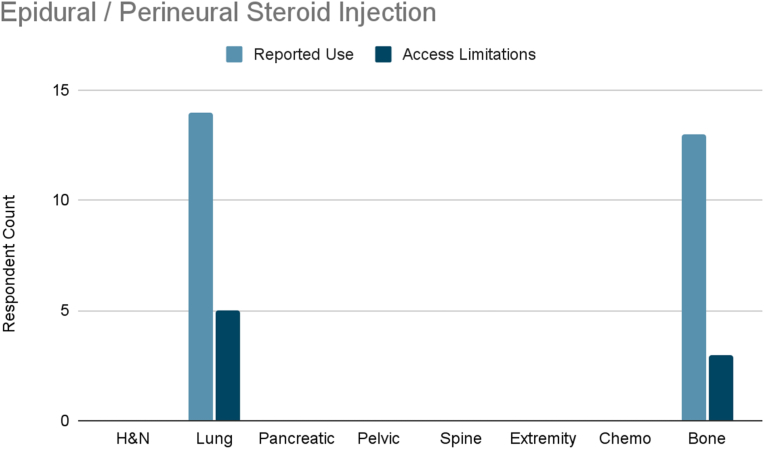 Figure 22
Peer Reviews
No public reviews on file for this paper yet. If you reviewed it on a platform where reviews are public (OpenReview, ICLR, NeurIPS, ICML), you can paste yours below so the community can read it here.
Videos
No videos yet. Explain this paper in a talk, walkthrough, or lecture? Add one.
Taxonomy
TopicsPain Management and Opioid Use · Palliative Care and End-of-Life Issues · Opioid Use Disorder Treatment