A centrally positioned cluster of multiple centrioles in antigen-presenting cells fosters T cell activation
Isabel Stötzel, Ann-Kathrin Weier, Apurba Sarkar, Subhendu Som, Luisa Bach, Peter Konopka, Eliška Miková, Shaunak Ghosh, Jan Böthling, Mirka Homrich, Laura Schaedel, Uli Kazmaier, Konstantinos Symeonidis, Stefan Ebner, Philip Weidner, Zeinab Abdullah, Felix Meissner

TL;DR
This study shows that extra centrioles in antigen-presenting cells help activate T cells by forming active microtubule centers.
Contribution
The study reveals how centriole amplification in antigen-presenting cells influences T cell activation through centrosome dynamics.
Findings
Dendritic cells amplify centrioles during immune activation.
Extra centrioles form active microtubule organizing centers near the cell center.
Disrupting centriole numbers or positioning impairs T cell activation.
Abstract
Cellular polarization plays a crucial role in regulating immunological processes and is often associated with reorientation of the centrosome. During immune synapse formation, centrosome repositioning in lymphocytes assists in T cell activation. While a single centrosome, consisting of two centrioles, is present in T cells, antigen-presenting cells such as dendritic cells amplify centrioles during maturation and immune activation. How centriole amplification in antigen-presenting cells affects immune synapse formation and T cell activation is unclear. In this study, we combine experimental data with mathematical and computational modelling to provide evidence that extra centrioles in dendritic cells form over-active microtubule organizing centers, which cluster during dendritic cell-T cell interactions and, unlike in T cells, localize close to the cell center. Perturbing either…
Genes, proteins, chemicals, diseases, species, mutations and cell lines named across the full text — each resolved to its canonical identifier and authoritative record.
Click any figure to enlarge with its caption.
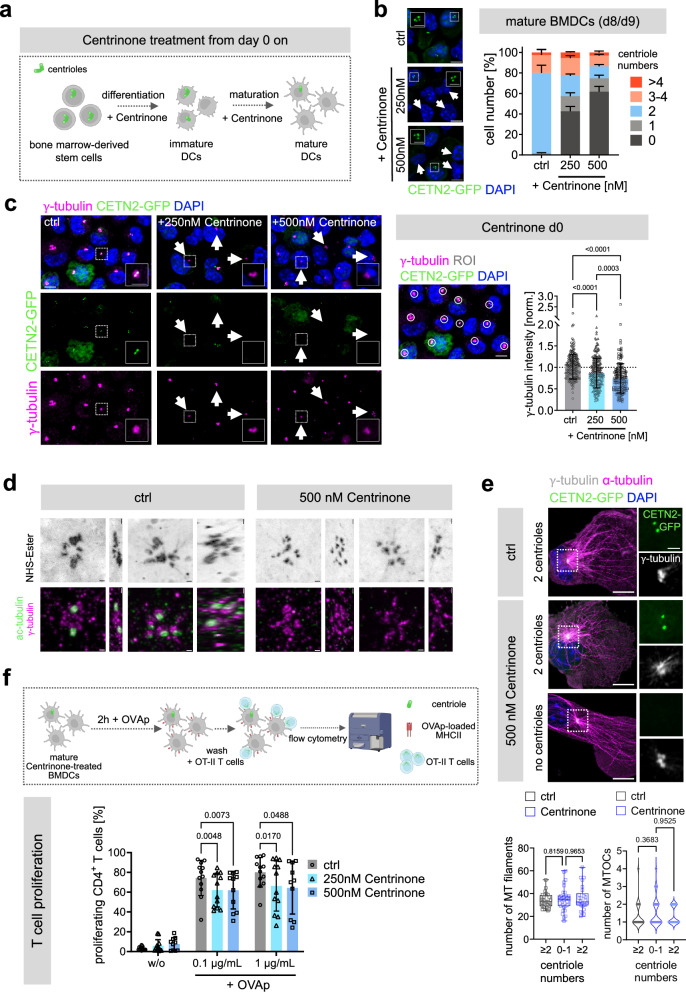 Figure 1
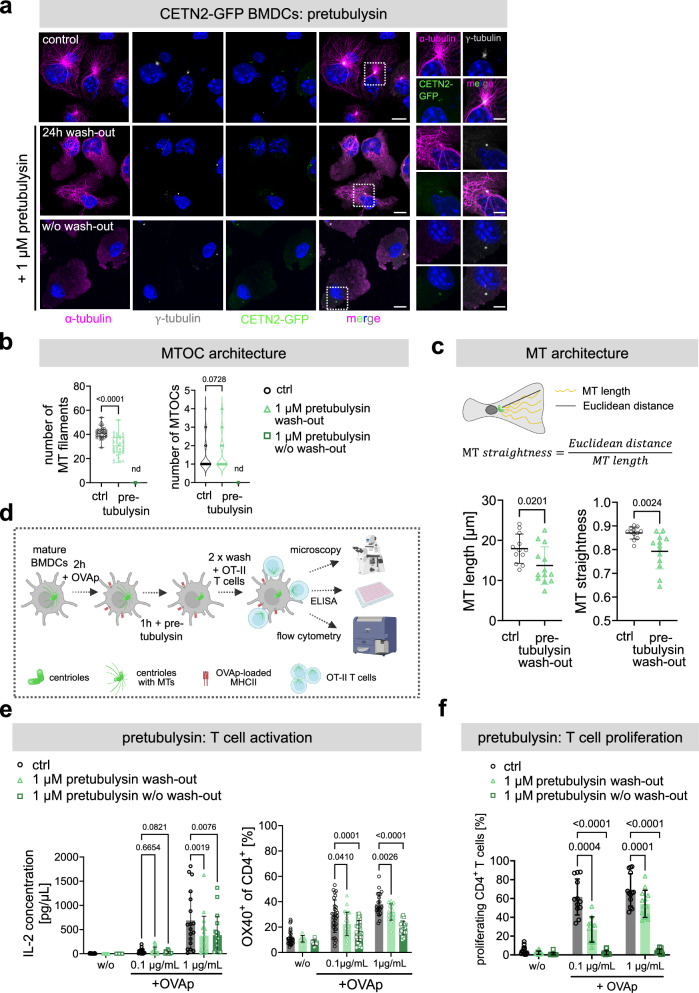 Figure 2
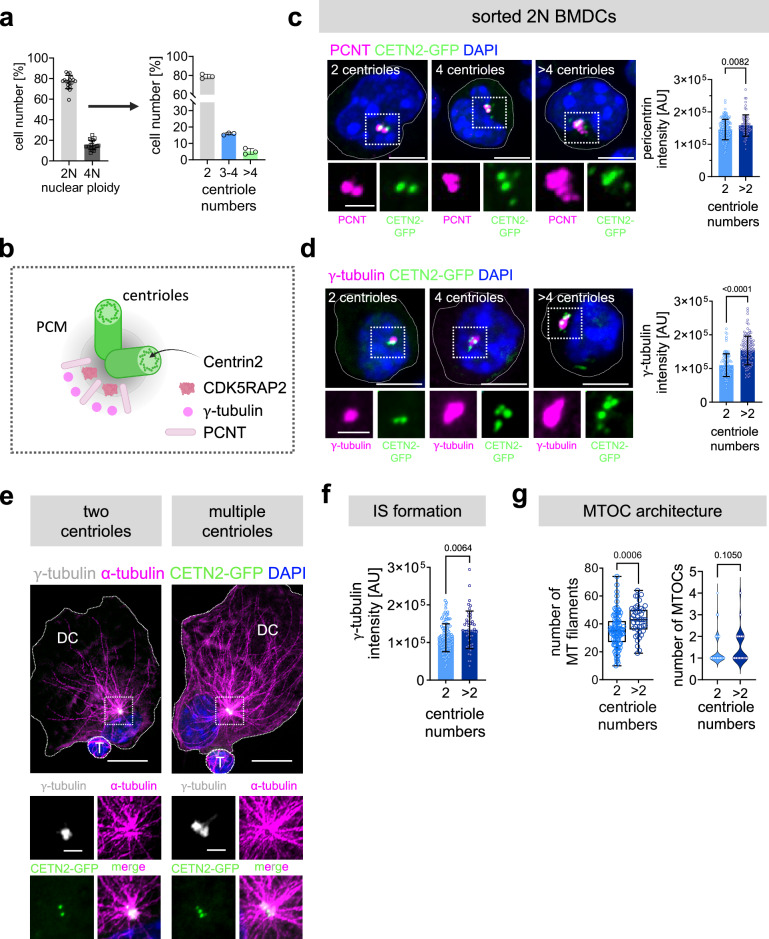 Figure 3
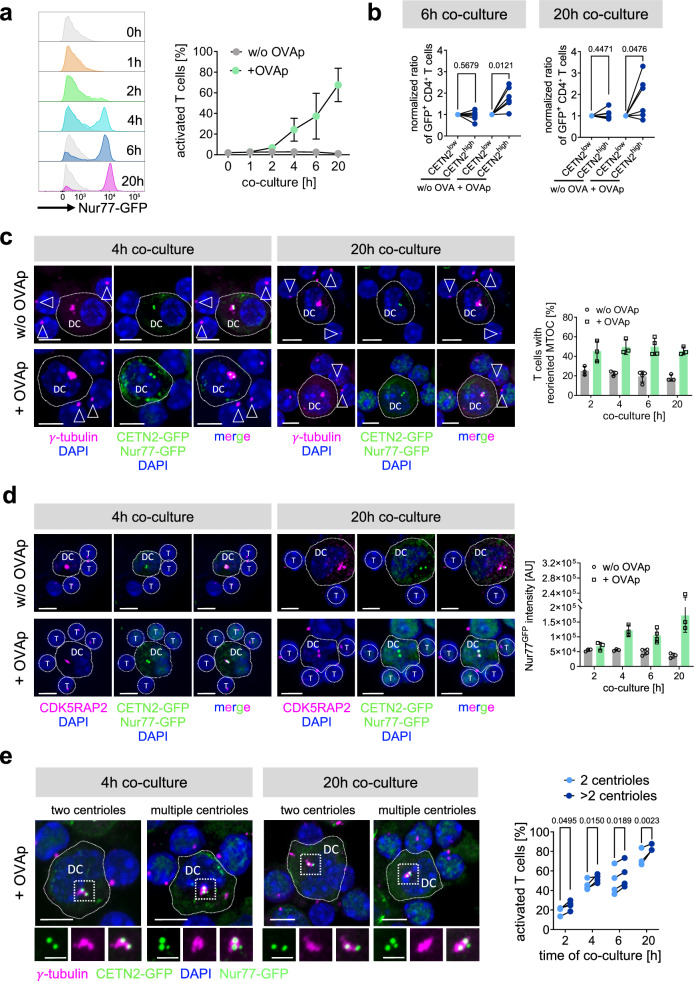 Figure 4
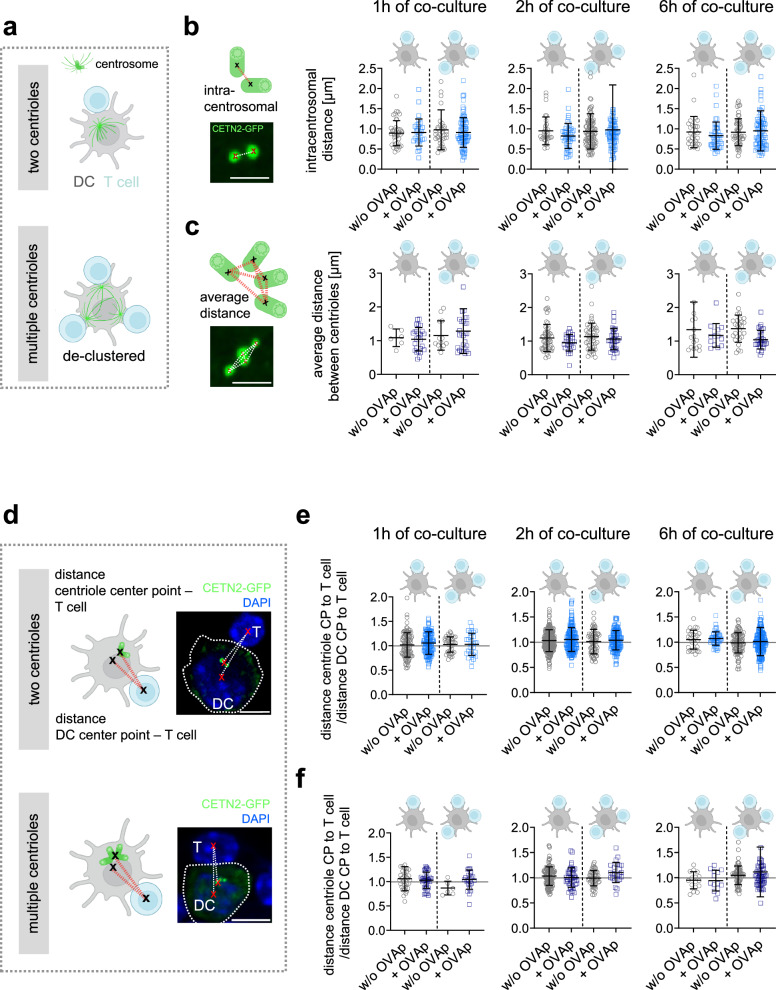 Figure 5
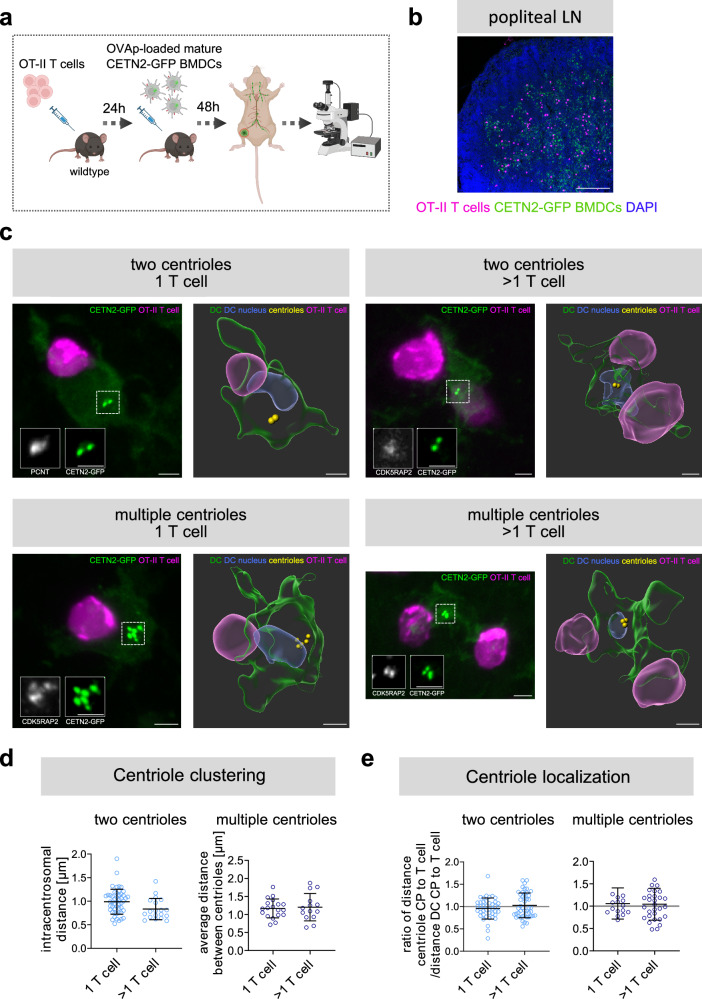 Figure 6
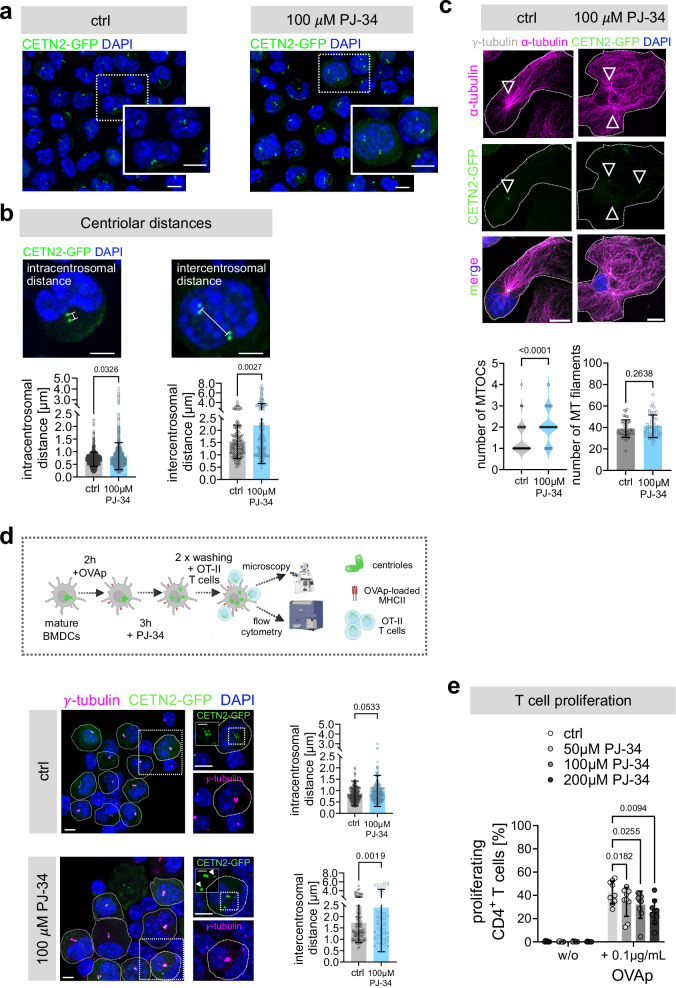 Figure 7
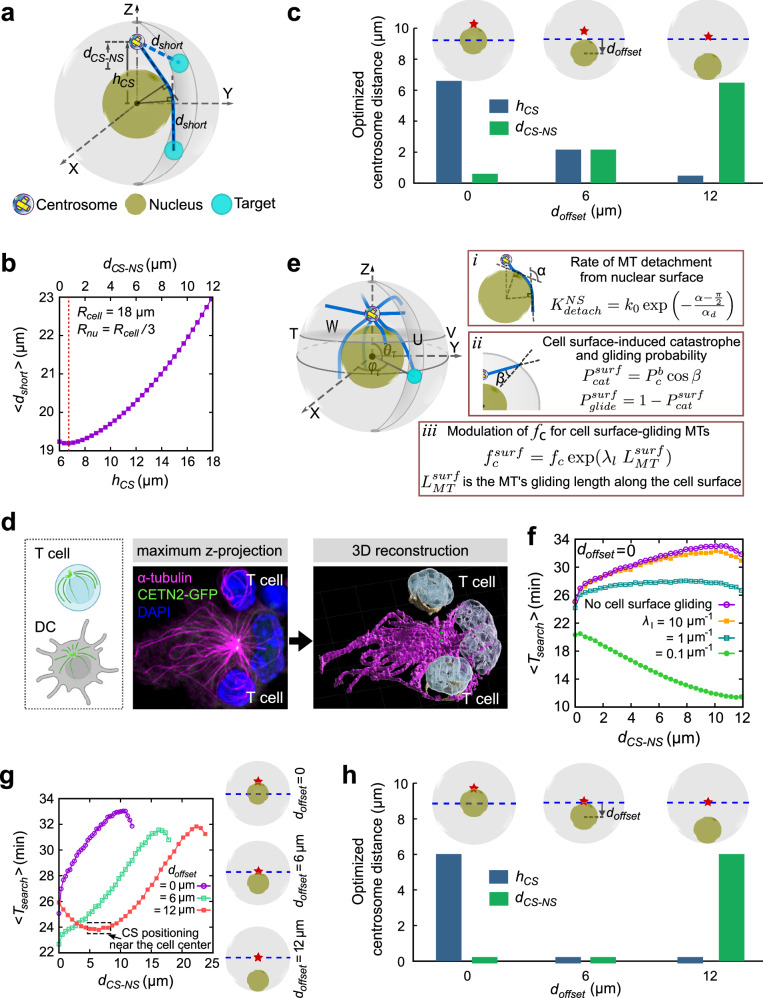 Figure 8
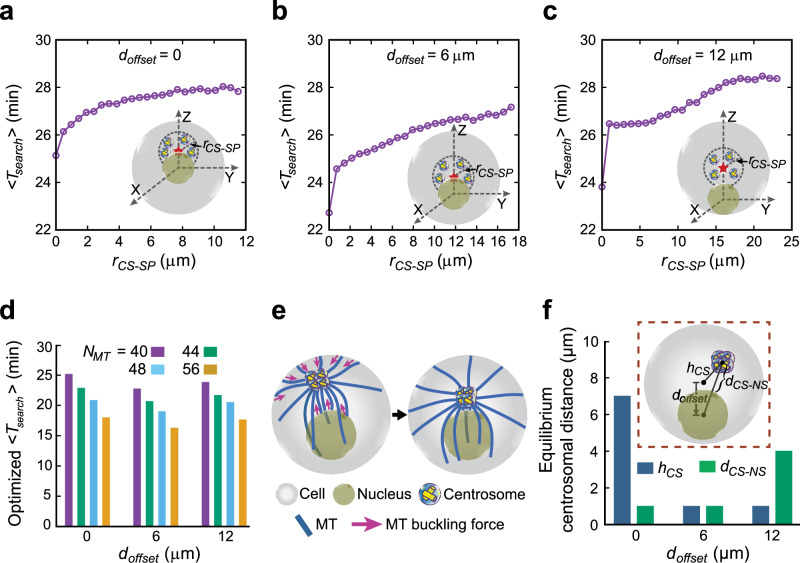 Figure 9
Peer Reviews
No public reviews on file for this paper yet. If you reviewed it on a platform where reviews are public (OpenReview, ICLR, NeurIPS, ICML), you can paste yours below so the community can read it here.
Videos
No videos yet. Explain this paper in a talk, walkthrough, or lecture? Add one.
Taxonomy
TopicsMicrotubule and mitosis dynamics · Ubiquitin and proteasome pathways · RNA Research and Splicing