Experimental analysis of roasted and raw turtle butchery and implications for early human cognition and behaviour
Mariana Nabais, Ruth Blasco, Iratxe Boneta, David Gonçalves, Marina Igreja, Valentina Lubrano, Anna Rufà

TL;DR
This study explores how roasting turtles affected early human butchery practices, showing that fire reduced effort and influenced tool wear.
Contribution
The novel contribution is an experimental analysis of fire's impact on turtle butchery, linking it to early human cognition and behavior.
Findings
Roasting turtles reduced disarticulation effort and time, regardless of operator experience.
Cut marks and percussion traces were more common in raw turtles, while roasted ones showed thermal damage.
Lithic tools used for processing showed wear patterns similar to those from butchering other small animals.
Abstract
Chelonid exploitation – including tortoises and freshwater turtles – has been increasingly recognised as a significant element of Palaeolithic subsistence in the Mediterranean and Iberian Peninsula. This study offers an experimental assessment of fire’s role in processing these reptiles, contrasting raw and roasted specimens to evaluate impacts on butchery efficiency, surface modifications, skeletal representation and lithic use-wear. The roasting process markedly reduced disarticulation effort and time, irrespective of the operator’s experience. Cut marks and percussion traces were more frequent in raw-processed individuals, while burnt specimens displayed extensive thermal damage, particularly on carapace plates. However, Fourier-Transform Infrared Spectroscopy (FTIR) revealed limited diagnostic potential for low-intensity thermal exposure. Conversely, lithic tools used in processing…
Genes, proteins, chemicals, diseases, species, mutations and cell lines named across the full text — each resolved to its canonical identifier and authoritative record.
Click any figure to enlarge with its caption.
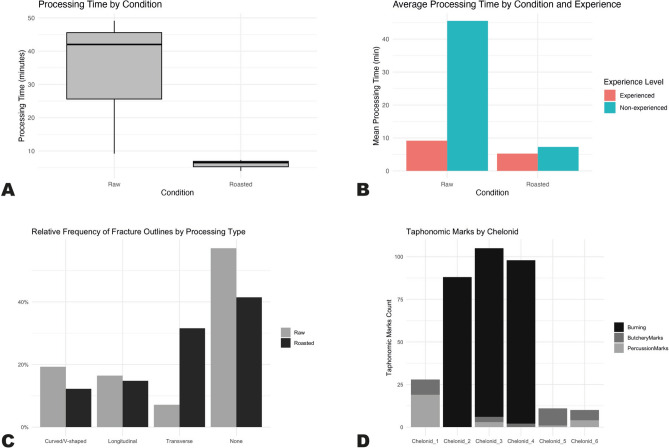 Figure 1
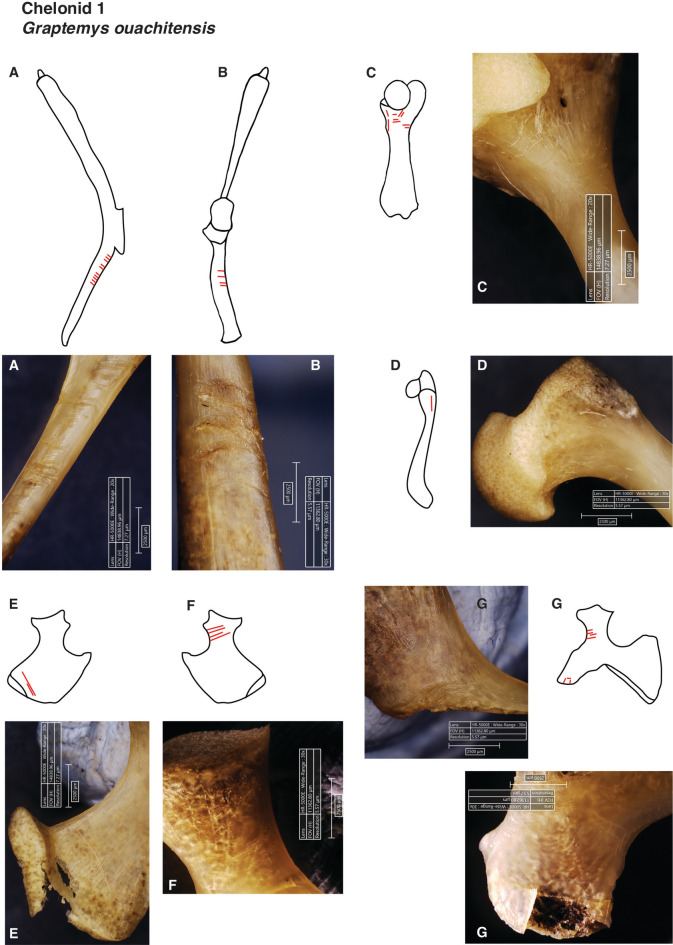 Figure 2
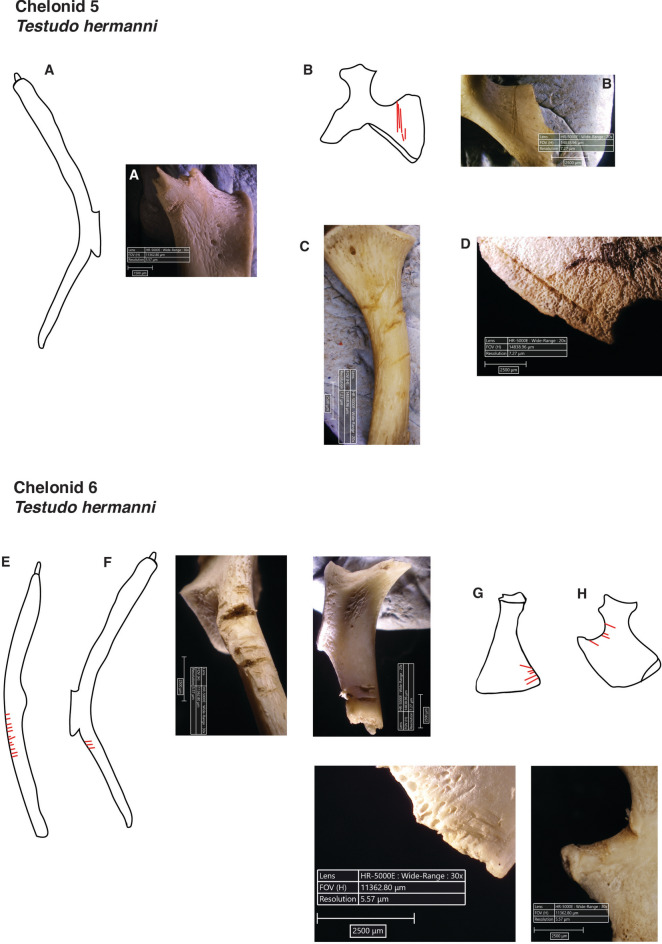 Figure 3
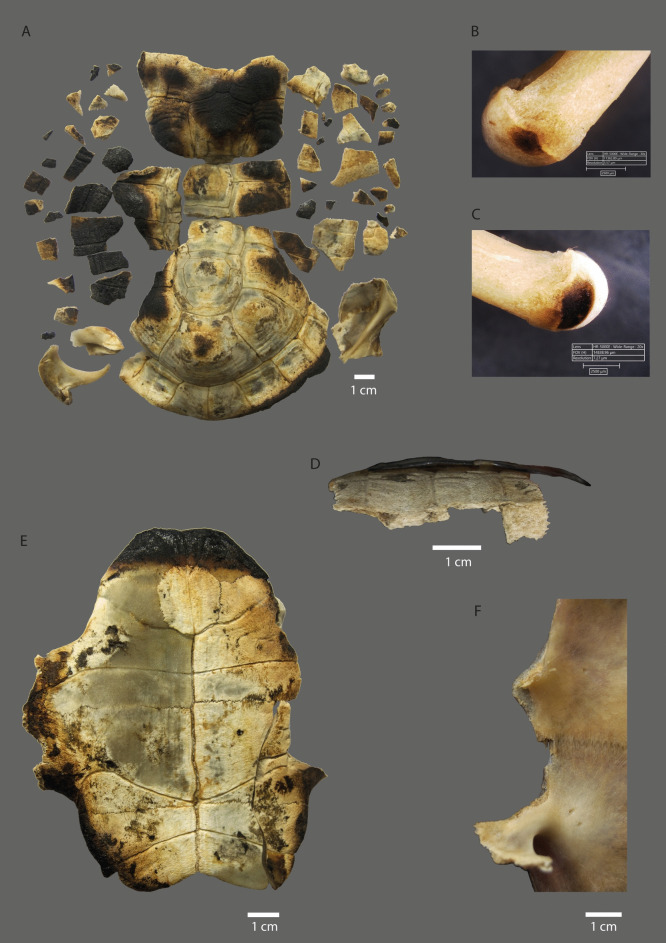 Figure 4
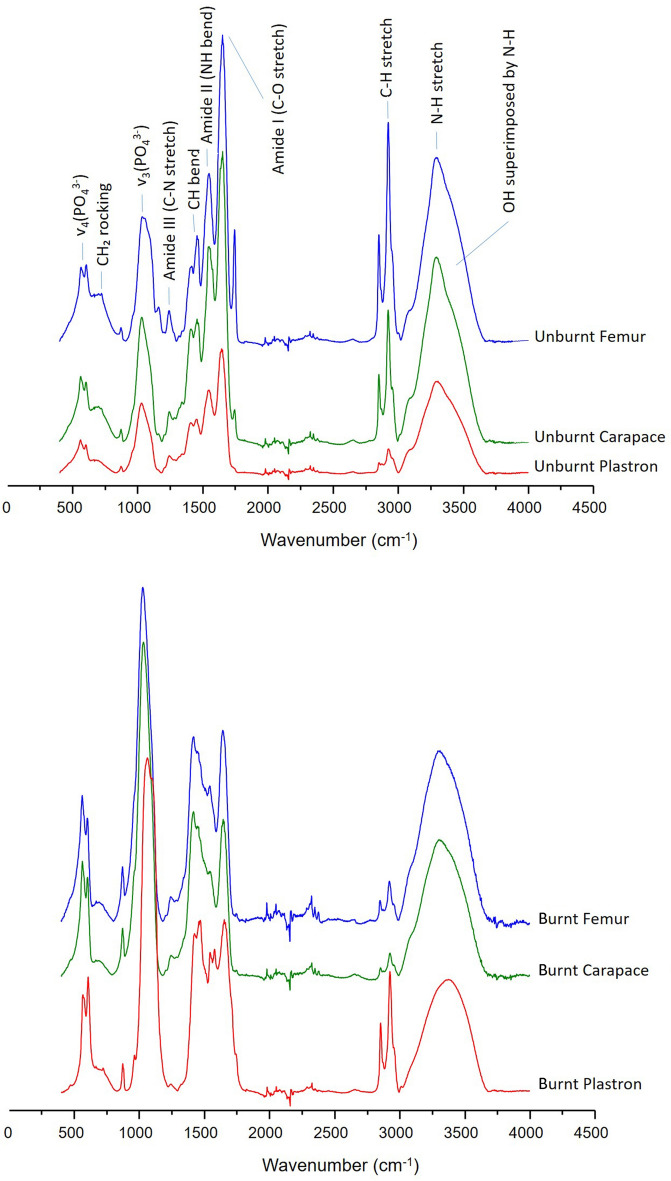 Figure 5
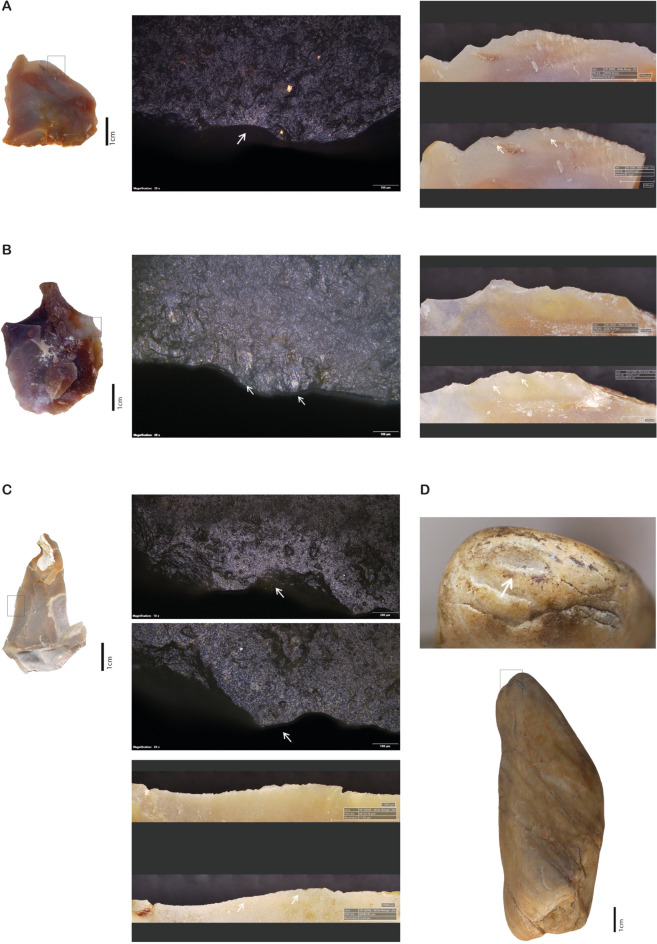 Figure 6
Peer Reviews
No public reviews on file for this paper yet. If you reviewed it on a platform where reviews are public (OpenReview, ICLR, NeurIPS, ICML), you can paste yours below so the community can read it here.
Videos
No videos yet. Explain this paper in a talk, walkthrough, or lecture? Add one.
Taxonomy
TopicsPleistocene-Era Hominins and Archaeology · Turtle Biology and Conservation · Paleontology and Evolutionary Biology