Evaluating transportability of in vitro cellular models to in vivo human phenotypes using gene perturbation data
Laurence J. Howe, Yurii S. Aulchenko, George Davey Smith, Neil M. Davies, Jorge Esparza-Gordillo, Toby Johnson, Jimmy Z. Liu, Tom G. Richardson, Philippe Sanseau, Robert A. Scott, Daniel D. Seaton, Ashwini Sharma, Adrian Cortes

TL;DR
This paper introduces a framework to assess how well lab-based cell experiments predict real human biology using gene disruption data.
Contribution
The novel GPAT framework evaluates transportability of in-vitro models to in-vivo human phenotypes using gene perturbation data.
Findings
GPAT found evidence that lysosomal cholesterol accumulation in vitro relates to lower LDL-cholesterol in humans.
Transportability was observed between cancer cell proliferation and human plasma cellular phenotypes.
Some in-vitro models showed limited transportability to in-vivo human biology.
Abstract
Gene perturbation screens (e.g. CRISPR-Cas9) assess the impact of gene disruption on in-vitro cellular phenotypes (e.g., proliferation, anti-viral response). In-vitro experiments can be useful models for in-vivo (organismal) phenotypes (e.g., immune cell anti-viral response and infectious diseases). However, assessing whether an in-vitro cellular model effectively captures in-vivo biology is challenging. An in-vitro model is ‘transportable’ to an in-vivo phenotype if perturbations impacting the in-vitro phenotype also impact the in-vivo phenotype with mechanism-consistent directionality and effect sizes. We propose a framework; Gene Perturbation Analysis for Transportability (GPAT), to assess model transportability using gene perturbation effect estimates from perturbation screens (in-vitro) and loss-of-function burden tests (in-vivo). In hypothesis-driven analyses, GPAT provides…
Genes, proteins, chemicals, diseases, species, mutations and cell lines named across the full text — each resolved to its canonical identifier and authoritative record.
Click any figure to enlarge with its caption.
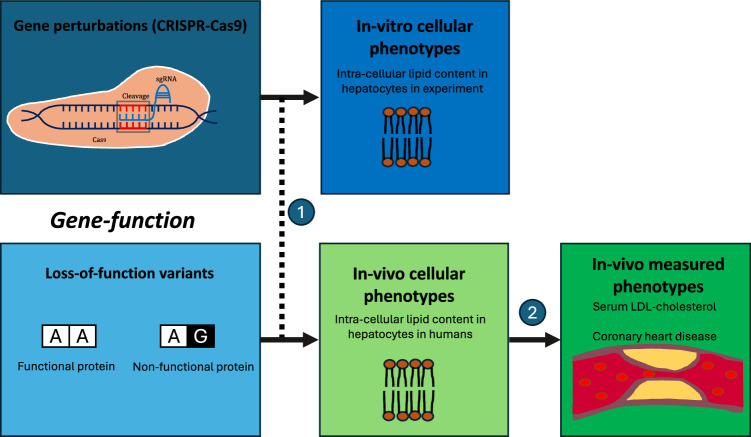 Figure 1
 Figure 2
 Figure 3
 Figure 4
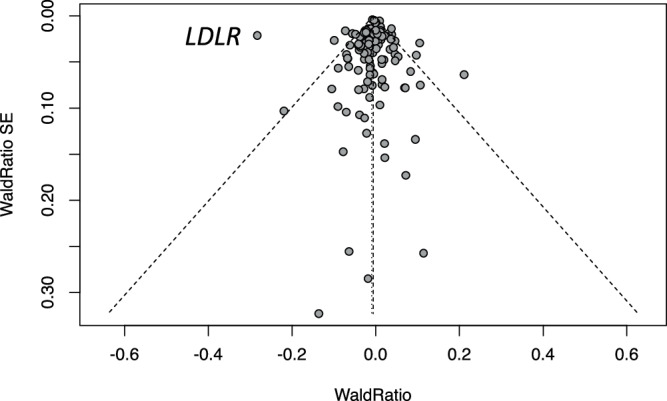 Figure 5
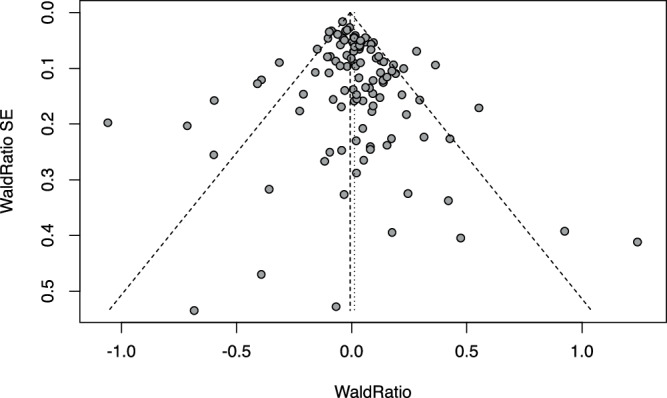 Figure 6
Peer Reviews
No public reviews on file for this paper yet. If you reviewed it on a platform where reviews are public (OpenReview, ICLR, NeurIPS, ICML), you can paste yours below so the community can read it here.
Videos
No videos yet. Explain this paper in a talk, walkthrough, or lecture? Add one.
Taxonomy
TopicsZebrafish Biomedical Research Applications · Single-cell and spatial transcriptomics · Advanced Fluorescence Microscopy Techniques