The dysadherin/carbonic anhydrase 9 axis shapes an acidic tumor microenvironment to promote colorectal cancer progression
Choong-Jae Lee, Hyeon-Ji Yun, Tae-Young Jang, So-El Jeon, Yeong-Hoon Cho, Da-Ye Lim, Eun-Ju Han, Sun-Young Kong, Jeong-Seok Nam

TL;DR
This study shows how a protein called dysadherin helps colorectal cancer grow by making the tumor environment more acidic, and suggests it could be a target for treatment.
Contribution
The study identifies a new mechanism by which dysadherin promotes cancer progression through the integrin/FAK/STAT3/CA9 pathway and tumor acidification.
Findings
Dysadherin expression correlates with increased tumor acidity and poor CRC progression.
Dysadherin activates the integrin/FAK/STAT3 pathway to upregulate carbonic anhydrase 9 (CA9).
Deleting dysadherin reduces metastasis in acidic tumor environments, but restoring CA9 rescues this effect.
Abstract
The tumor microenvironment (TME) plays a central role in cancer progression and metastasis. A key feature of the TME is extracellular acidity, which promotes disease progression, immune evasion, and drug resistance. Tumor acidity is increasingly recognized as a critical factor in cancer development and a negative prognostic indicator. Here, we demonstrate that the membrane glycoprotein dysadherin promotes colorectal cancer (CRC) malignancy by modulating TME acidity. Comprehensive bioinformatics and pathological analyses of CRC patient samples revealed that increased tumor acidity is a hallmark of CRC progression and strongly correlates with high expression of dysadherin. Functional studies confirmed that dysadherin enhances malignant traits, particularly under acidic conditions. Mechanistically, dysadherin activates the integrin/FAK/STAT3 signaling pathway, leading to the upregulation…
Genes, proteins, chemicals, diseases, species, mutations and cell lines named across the full text — each resolved to its canonical identifier and authoritative record.
Click any figure to enlarge with its caption.
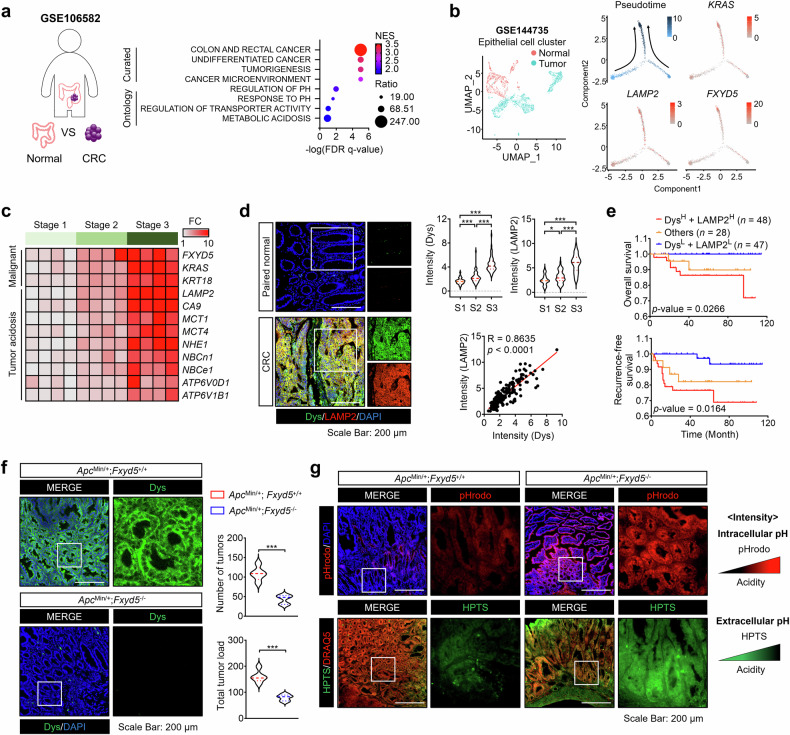 Figure 1
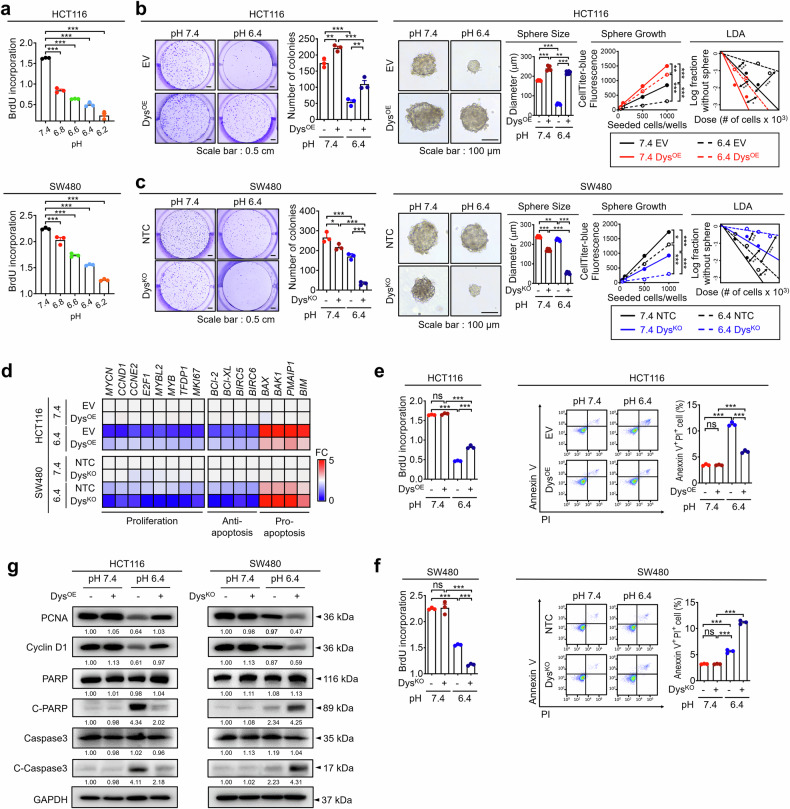 Figure 2
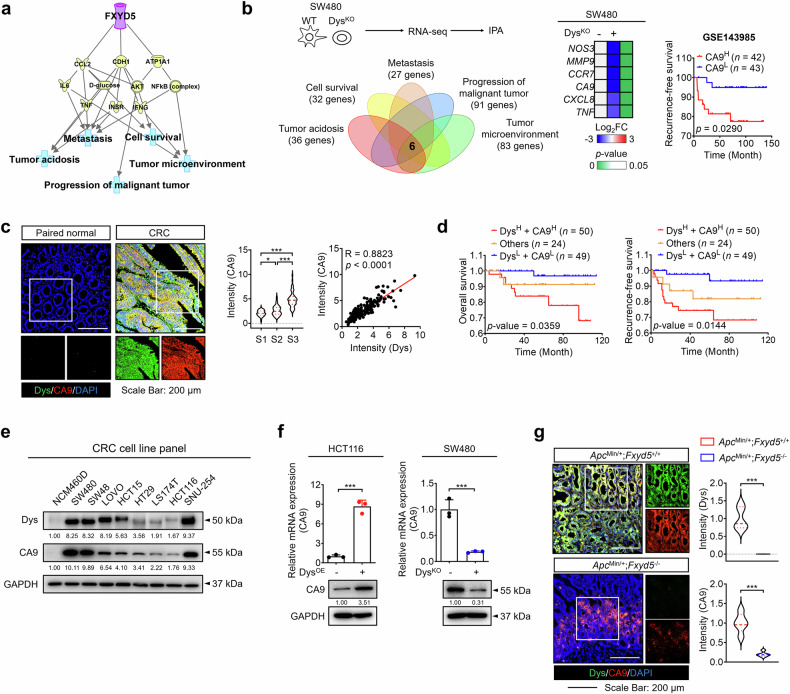 Figure 3
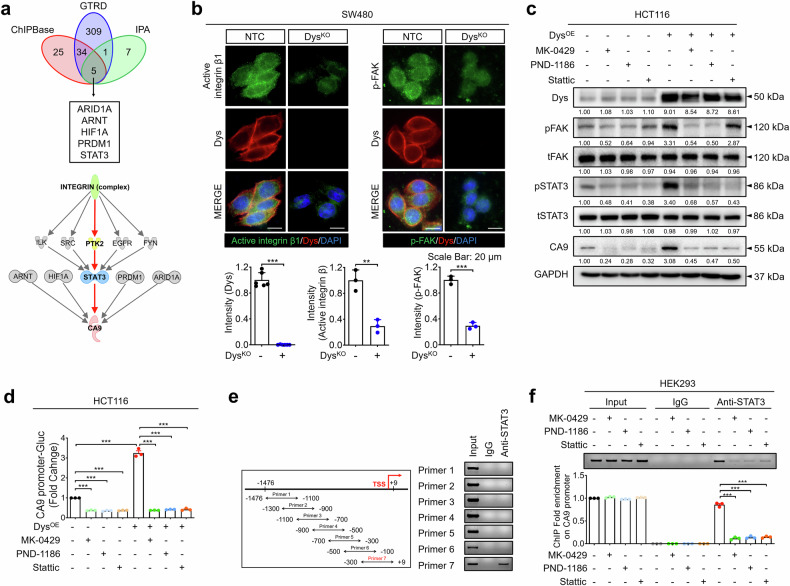 Figure 4
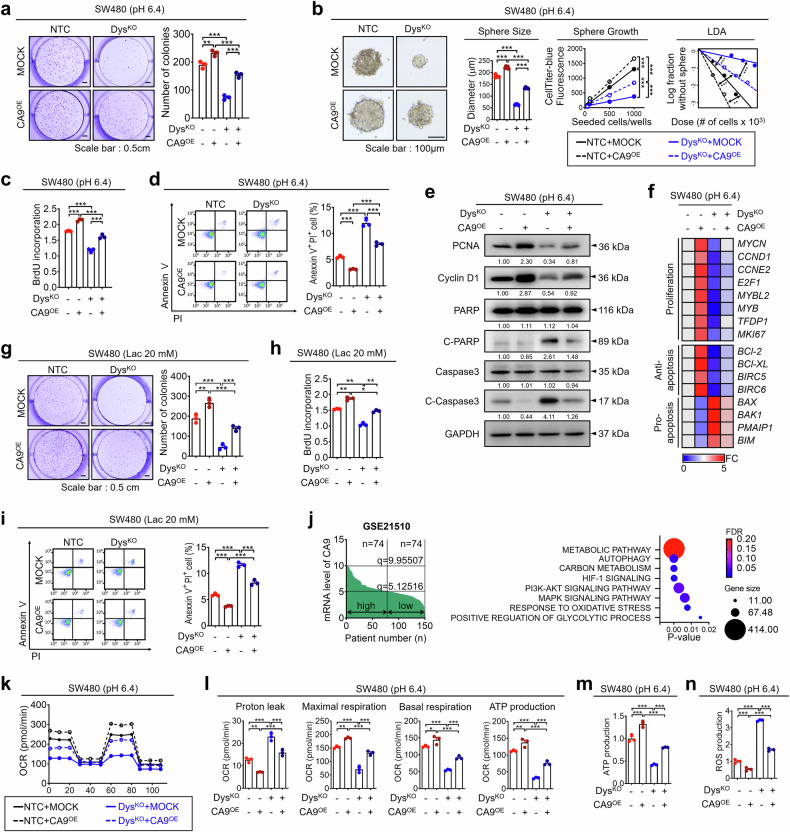 Figure 5
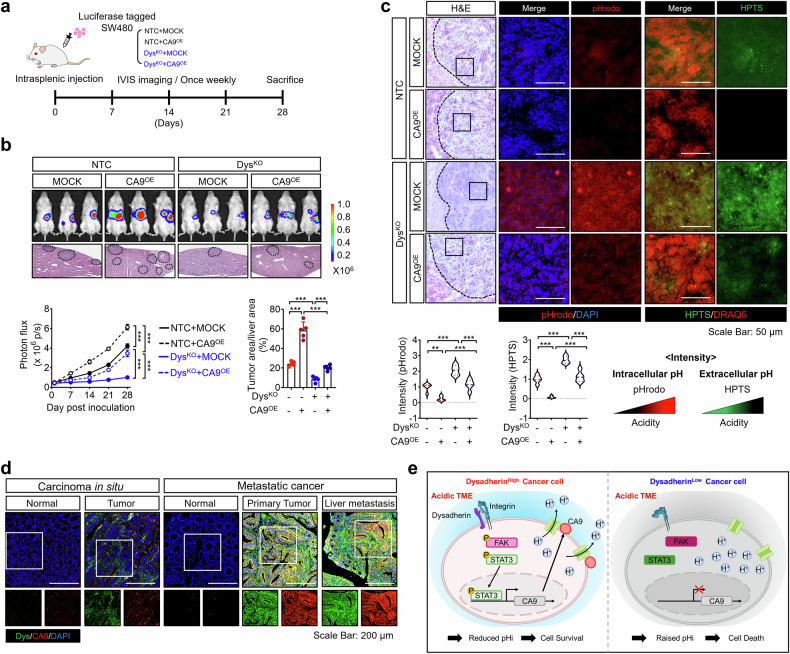 Figure 6
Peer Reviews
No public reviews on file for this paper yet. If you reviewed it on a platform where reviews are public (OpenReview, ICLR, NeurIPS, ICML), you can paste yours below so the community can read it here.
Videos
No videos yet. Explain this paper in a talk, walkthrough, or lecture? Add one.
Taxonomy
TopicsCancer, Hypoxia, and Metabolism · Erythrocyte Function and Pathophysiology · Phagocytosis and Immune Regulation