Biowaste-grown live microbial feed additive sustainably and significantly cut enteric methane emissions in Indian livestock
Varunkumar S. Asediya, Makbul A. Shekh, Kalpesh K. Sorathiya, Paresh R. Pandya, Srinivas M. Duggirala, Aashish C. Patel, Urszula Czarnik, Chandra S. Pareek, Sanjay B. Jadhao

TL;DR
A biowaste-based microbial feed additive significantly reduces methane emissions in Indian livestock while improving feed efficiency and productivity.
Contribution
A scalable, circular-economy microbial feed additive derived from biowaste is shown to reduce enteric methane emissions in ruminants.
Findings
A 2% inclusion of LFM reduced methane emissions by 25.2% and improved feed efficiency by 30.9% in bovine calves.
At 3% inclusion, methane emissions decreased by 30.4% and total volatile fatty acids increased by 43.0%.
Full adoption of LFM in India could abate 15.4 Mt CH₄ yr⁻¹, equivalent to 432.3 Mt CO₂-eq yr⁻¹.
Abstract
Ruminant enteric methane, the largest agricultural source of CH₄, is a key target in global climate policies. We developed a biowaste-derived live fed microbial (LFM) from fruit- and vegetable residues and evaluated its potential as a scalable intervention to reduce enteric methane while improving animal performance. In controlled in vitro assays and a 98 days in vivo feeding trial in bovine calves (n = 15), LFM at 2% dietary inclusion (dry-matter basis) improved feed efficiency by 30.9%, reduced modelled methane emissions by 25.2%, increased total volatile fatty acids by 45.5%, and lowered NH₃–N by 28.4%. At 3% inclusion, feed efficiency improved by 25.5%, methane emissions decreased by 30.4%, total VFA increased by 43.0%, and NH₃–N declined by 11.7%. Methane abatement was estimated by integrating in vitro and in vivo measurements using an empirically fitted conversion factor and…
Genes, proteins, chemicals, diseases, species, mutations and cell lines named across the full text — each resolved to its canonical identifier and authoritative record.
Click any figure to enlarge with its caption.
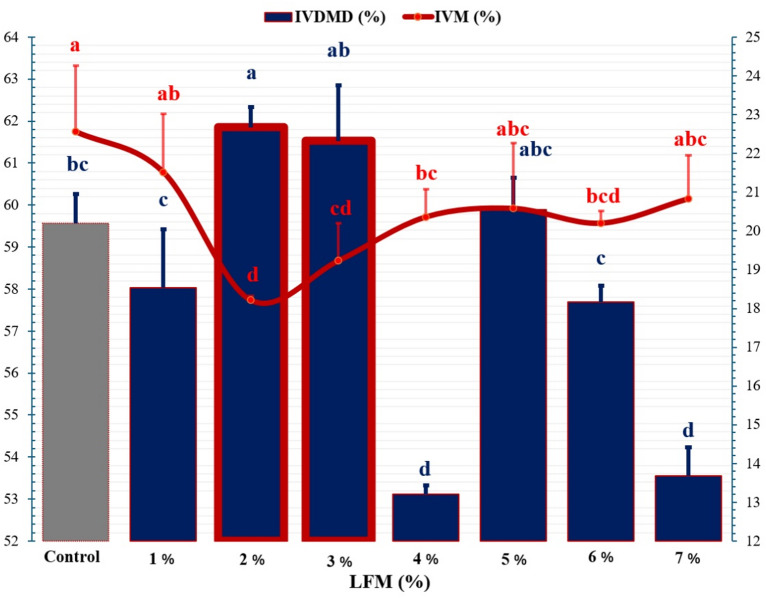 Figure 1
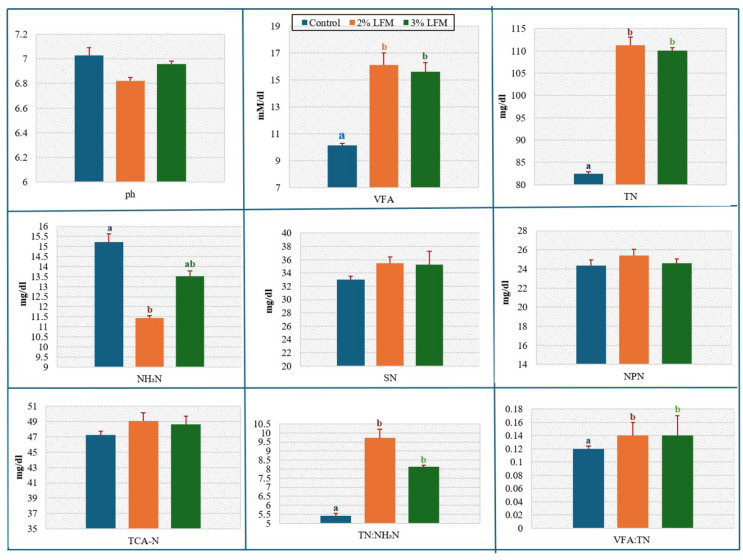 Figure 2
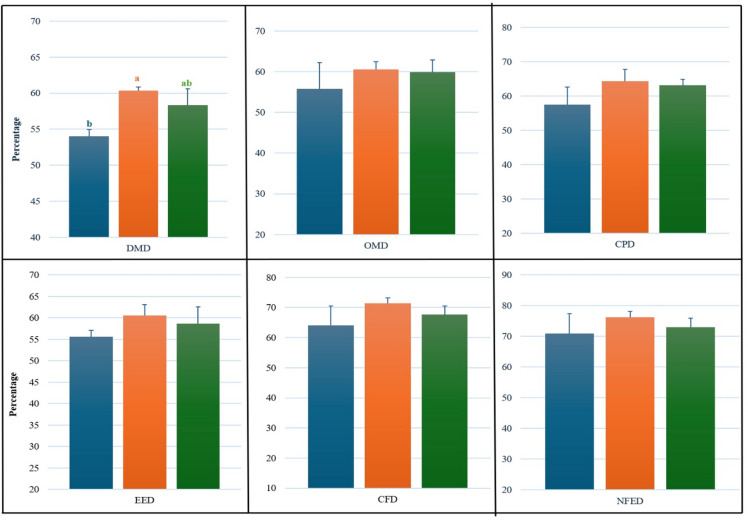 Figure 3
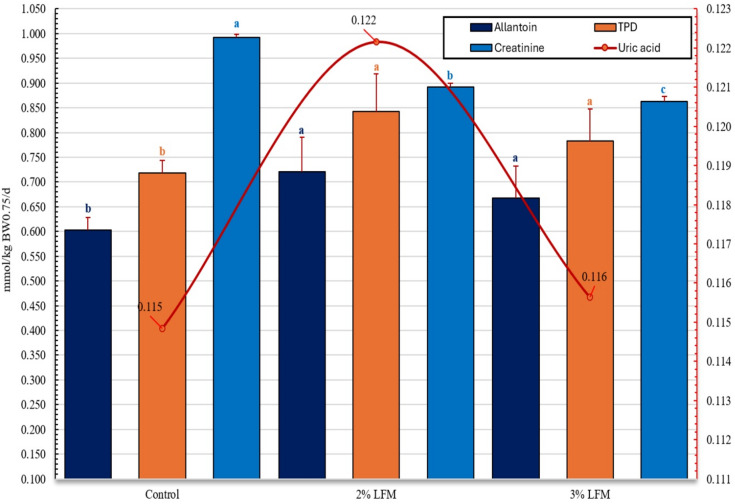 Figure 4
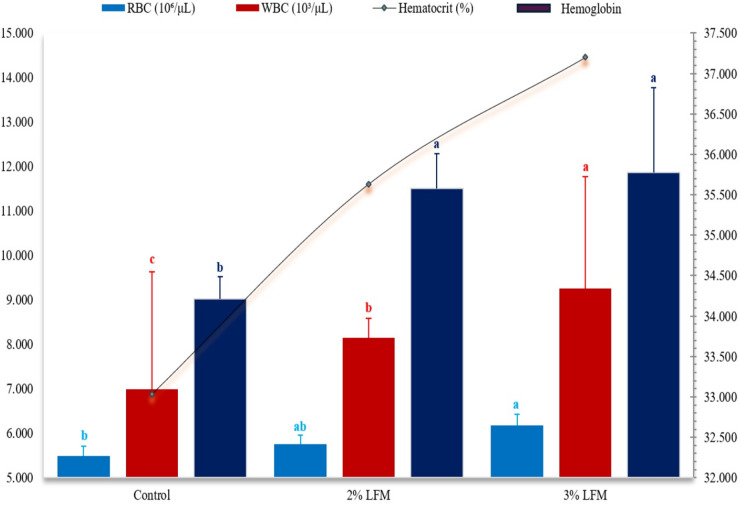 Figure 5
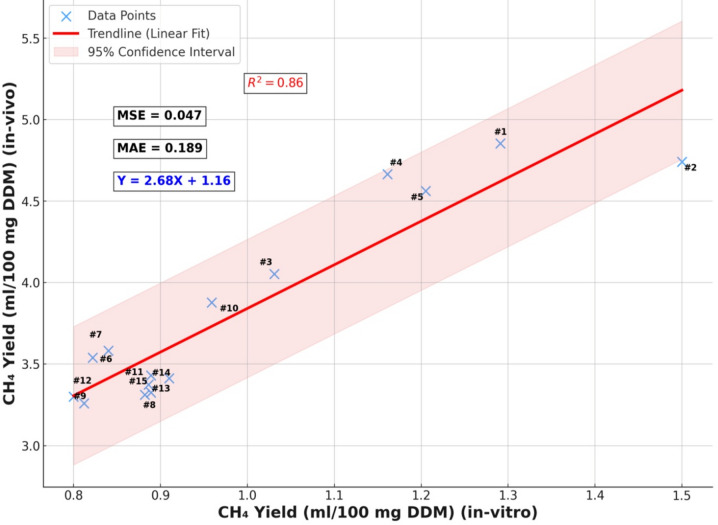 Figure 6
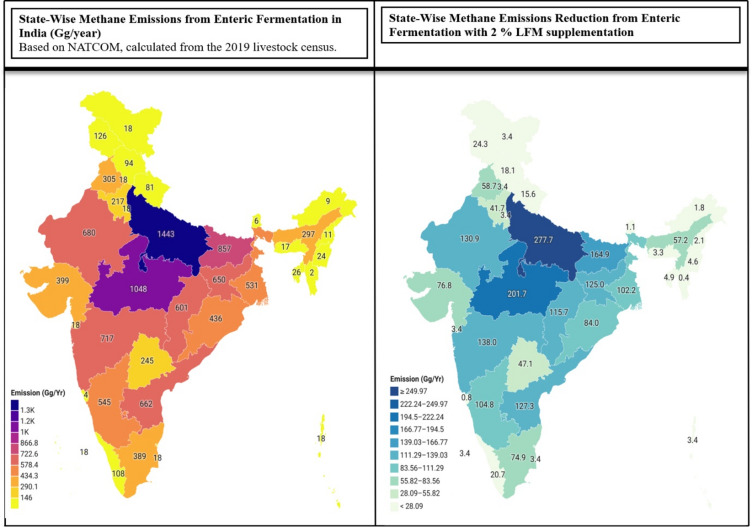 Figure 7
Peer Reviews
No public reviews on file for this paper yet. If you reviewed it on a platform where reviews are public (OpenReview, ICLR, NeurIPS, ICML), you can paste yours below so the community can read it here.
Videos
No videos yet. Explain this paper in a talk, walkthrough, or lecture? Add one.
Taxonomy
TopicsRuminant Nutrition and Digestive Physiology · Agriculture Sustainability and Environmental Impact · Anaerobic Digestion and Biogas Production