The effects of sub-chronic calcium treatment on ethanol-induced dopamine elevation and the alcohol deprivation effect in the rat
Karin Ademar, Klara Danielsson, Bo Söderpalm, Louise Adermark, Mia Ericson

TL;DR
This study explores how calcium affects dopamine levels and alcohol relapse-like behavior in rats, finding that acute calcium reduces ethanol's effects but repeated use may lead to tolerance.
Contribution
The study reveals new insights into calcium's acute and sub-chronic effects on ethanol-induced dopamine elevation and the alcohol deprivation effect in rats.
Findings
Acute local calcium administration increased dopamine levels and prevented ethanol-induced dopamine elevation in naïve rats.
Sub-chronic calcium administration led to tolerance, reducing its dopamine-elevating effects and impact on the alcohol deprivation effect.
LTCC blocker nicardipine suppressed dopamine changes caused by calcium and ethanol.
Abstract
Alcohol use disorder (AUD) is a serious mental health condition and a risk factor for morbidity and preterm death. The drug acamprosate (Campral® – calcium-bis[N-acetylhomotaurinate]) is one of few pharmacological treatments available for AUD. Recent research suggests that the properties of acamprosate may be attributed to calcium, but the acute and long-term effects by calcium supplementation on ethanol-induced dopamine release and relapse-like drinking is not fully known. We used in vivo microdialysis and the alcohol deprivation model, to further define the interaction of local or systemic calcium and ethanol on accumbal dopamine and taurine levels, and to outline the impact of acute and repeated calcium treatment on dopamine and the alcohol deprivation effect (ADE) in male Wistar rats. The role of calcium was further studied by local administration of an L-type Ca2+ channel (LTCC)…
Genes, proteins, chemicals, diseases, species, mutations and cell lines named across the full text — each resolved to its canonical identifier and authoritative record.
Click any figure to enlarge with its caption.
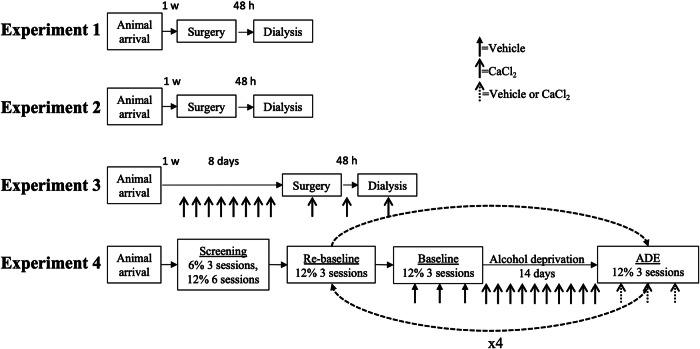 Figure 1
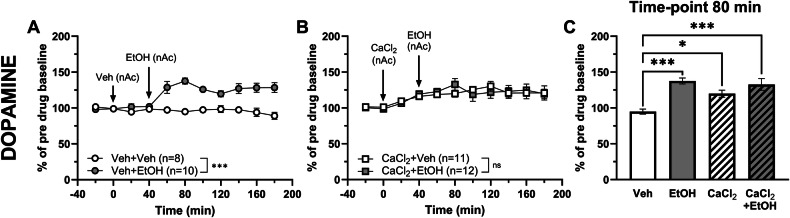 Figure 2
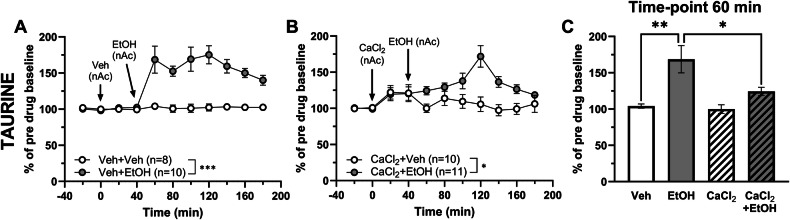 Figure 3
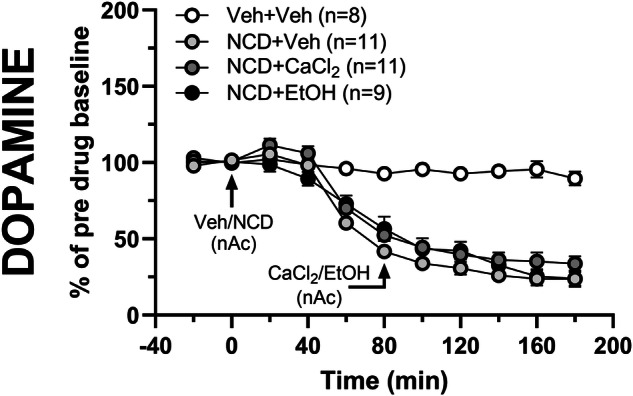 Figure 4
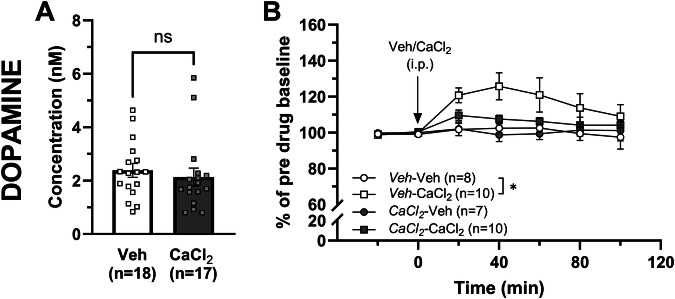 Figure 5
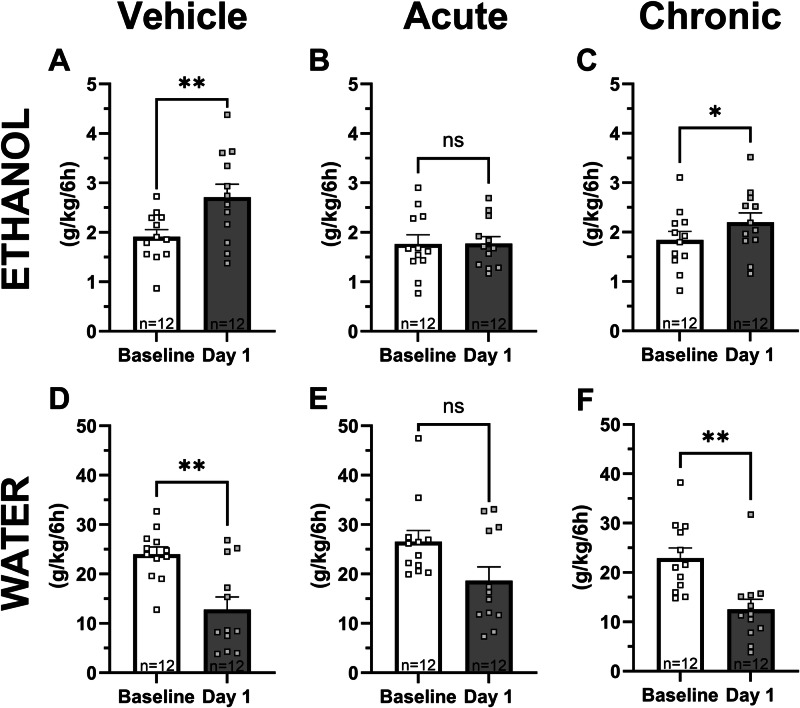 Figure 6
Peer Reviews
No public reviews on file for this paper yet. If you reviewed it on a platform where reviews are public (OpenReview, ICLR, NeurIPS, ICML), you can paste yours below so the community can read it here.
Videos
No videos yet. Explain this paper in a talk, walkthrough, or lecture? Add one.
Taxonomy
TopicsNeurotransmitter Receptor Influence on Behavior · Aldose Reductase and Taurine · Prenatal Substance Exposure Effects